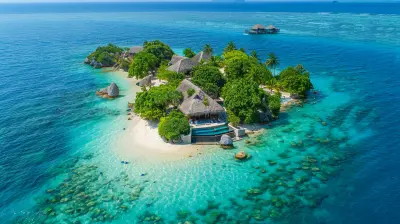
Camping in Volcano Parks: Unique Experiences for Adventure Seekers
3 April 2026
Imagine the soft crackle of a fire under a star-studded sky. Sulfur-scented breezes gently waft through your tent flap. In the distance, a dormant giant slumbers—or rumbles—beneath ancient earth. Welcome to the raw, untamed wonder of camping in volcano parks.
If you’re an adrenaline junkie, a nature lover, or someone who finds peace in the unpredictable beauty of earth’s most volatile landscapes, this experience is more than a vacation—it’s a spiritual journey. Camping in volcano parks is the kind of bucket-list adventure that shakes up your senses and leaves ash-streaked footprints on your soul.
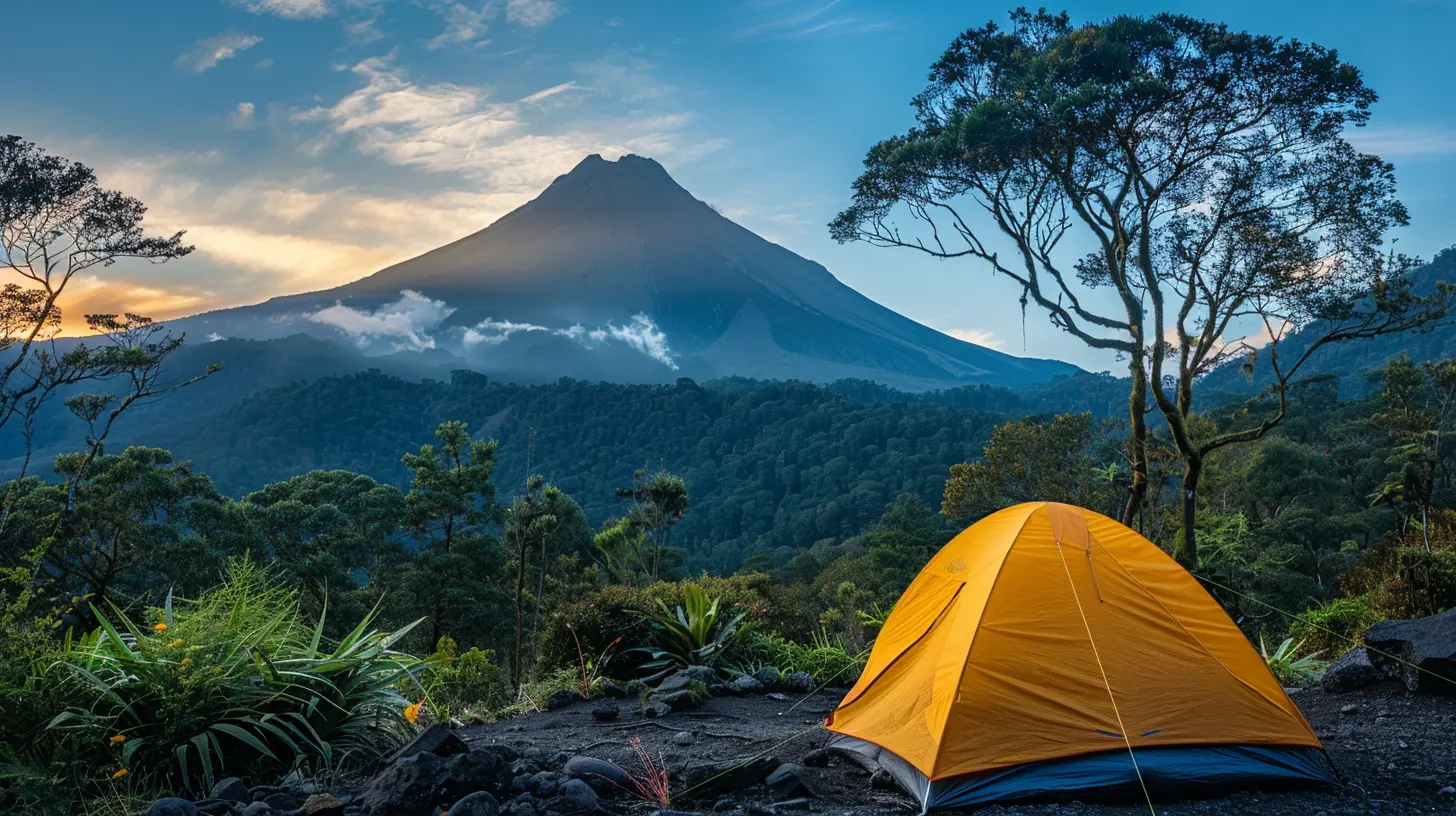
Why Camp by a Volcano?
So why the heck would anyone want to pitch a tent near something that could blow its top? Simple answer: because it’s awesome.Camping in volcano parks offers something you won’t find at your run-of-the-mill campsite: drama. The terrain tells stories—of ancient eruptions, lava flows that once forged rivers of fire, and the resilient life that returned amid the ash. Here, the earth is alive.
It's not just a camping trip. It’s a front-row seat to geological history. And bonus—you’ll usually avoid the crowds more commonly found in national parks with forests or lakes.
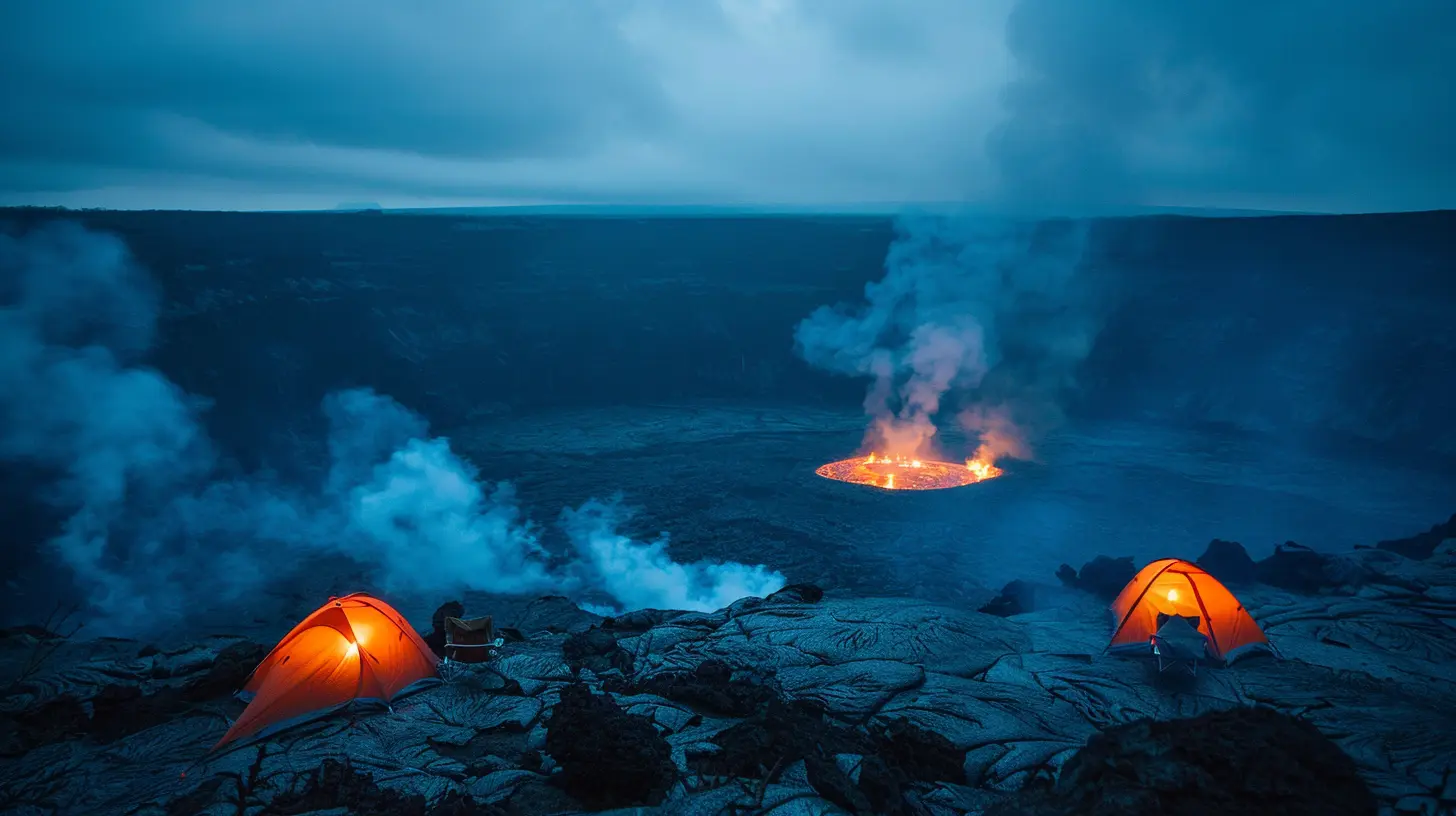
The Allure of the Elemental
Let’s face it: there’s something deeply primal about being close to a volcano. The steaming vents, bubbling mud pots, and warm earth beneath your feet all whisper (or shout): “This world is alive!” It’s both humbling and exhilarating.Volcano parks are where fire meets sky, and land wears scars like medals. They’re raw, unforgiving, and utterly spellbinding. When you camp here, you’re not just watching nature—you’re part of it.
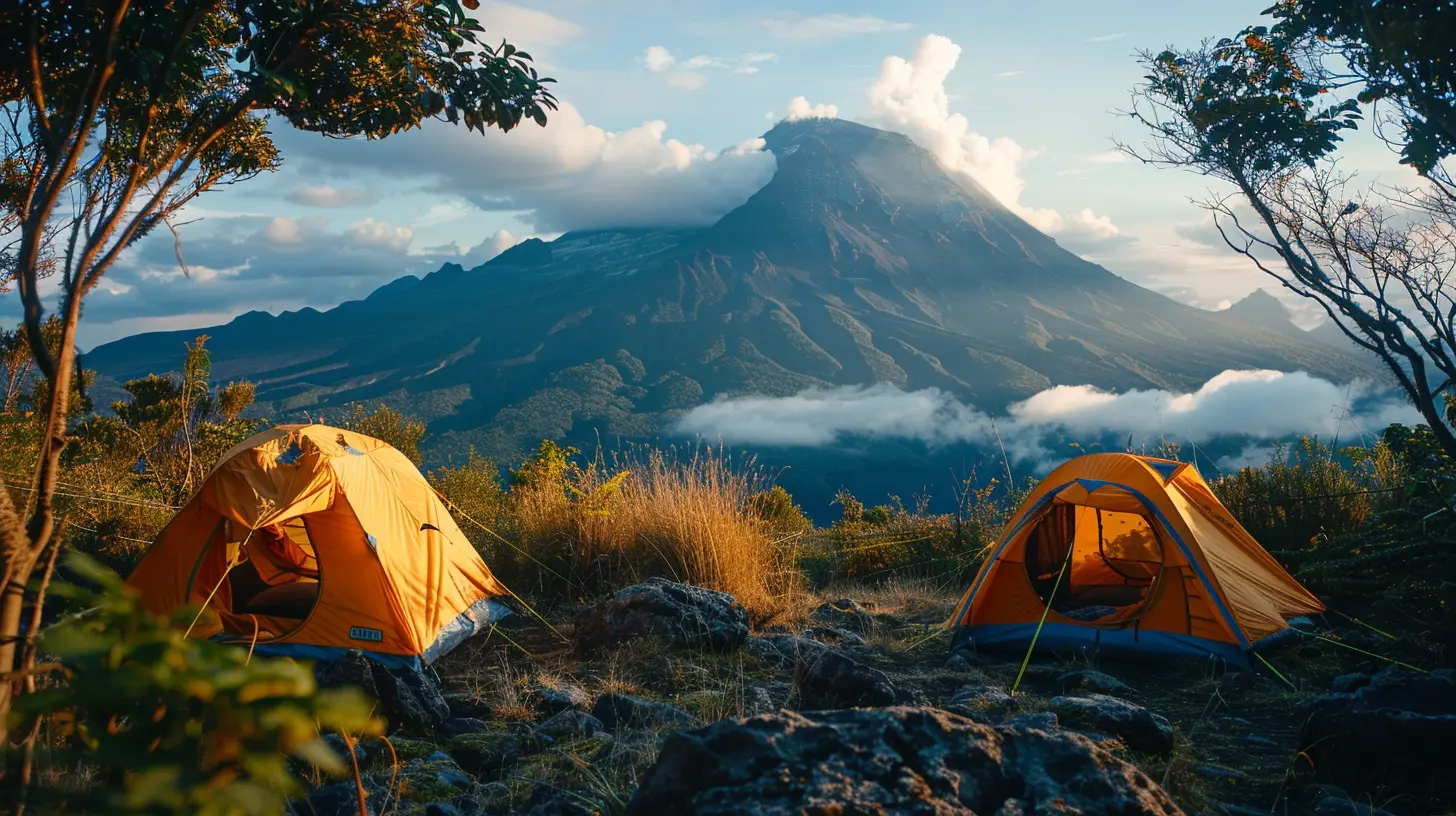
Top Volcano Parks That Welcome Campers
Not sure where to unroll your sleeping bag? Here are some smoking-hot places where camping with volcanoes takes centerstage:🌋 Hawai’i Volcanoes National Park, Big Island, Hawaii
Say aloha to one of the most active volcanoes in the world—Kilauea. Whether it's belching smoke or quietly slumbering, this volcano commands respect. The park has designated campgrounds like Kulanaokuaiki and Nāmakanipaio, both run by the National Park Service.What’s magical here? Imagine sipping morning coffee while clouds coil over lava fields that are still warm. Hike the Kīlauea Iki Trail, catch glimpses of glowing lava flows (conditions permitting), and explore lava tubes that feel like portals to another dimension.
🌋 Lassen Volcanic National Park, California
This lesser-known gem is like nature’s chemistry set gone wild. You’ll find boiling springs, fumaroles, and mud pots galore. The park is home to Lassen Peak, part of the Cascade Range.Campgrounds like Manzanita Lake and Summit Lake North are ideal for sleeping under pines with volcanic drama just around the bend. Bring a swimsuit and check out the mineral waters at nearby Drakesbad Guest Ranch—it’s like a spa day on Mars.
🌋 Mount Rainier National Park, Washington
Yes, Mount Rainier is a volcano. And yes, you can camp there—right in its shadow. It’s snow-capped, majestic, and has that intimidating “don’t mess with me” energy.Camp at Cougar Rock or Ohanapecosh, and wake to the sound of glacial rivers whispering down the slopes. With over 260 miles of trails, you can hike through lush meadows, cross wooden bridges over tumultuous creeks, and gaze up at a peak that touches the sky.
🌋 Arenal Volcano National Park, Costa Rica
If you're up for an international adventure, Costa Rica beckons with its lush jungles and photogenic lava giants.Arenal Volcano, once one of the most active in Latin America, is now mostly dormant—but still wildly captivating. There are rustic and luxurious camping options nearby. Some even offer thermal springs as part of the amenities. So yes, you could sleep near a volcano and soak in a hot spring under the stars. Doesn’t get much cooler (or hotter?) than that.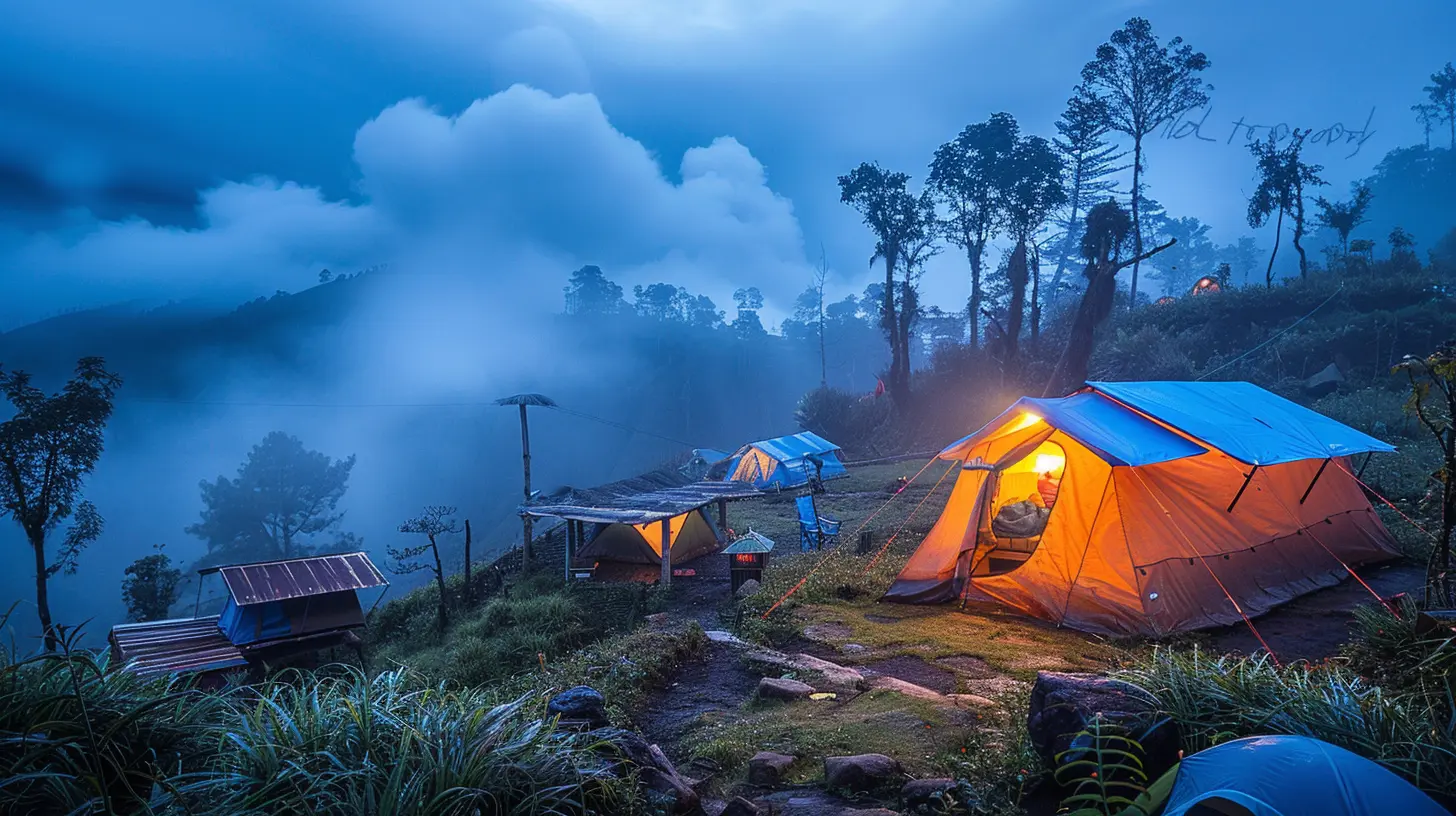
What Makes It So Unique?
Camping in a volcano park isn’t just about “roughing it” outdoors. It's about immersion—both literal and metaphorical.1. The Terrain Is Otherworldly
We’re talking moon-like craters, obsidian-black lava fields, and steaming vents that hiss warnings from the deep. It’s gorgeous, but never quite friendly. The terrain around volcanoes shifts the paradigm. You feel like you're on another planet—and maybe, in a way, you are.2. Wildlife Has Adapted, And So Will You
Despite the harsh exterior, volcano parks teem with life. You might see birds nesting in cinder cones, foxes darting across lava beds, or wildflowers blooming defiantly in ash. Nature doesn’t just survive here—it thrives.And spending a few nights in the wild teaches you to adapt too. You’ll learn to sleep light, hike smart, and read the land more intuitively. It’s a classroom where the curriculum is survival and awe.
3. Night Skies That Will Steal Your Breath
Far from city lights, the stars over volcano parks shine like nowhere else. The Milky Way spills across the sky, meteors streak overhead, and if you're lucky and far enough north or south, you may even catch the aurora borealis.Laying under those stars, wrapped up in a sleeping bag, is the kind of memory that knits itself into your soul.
Safety First: Respect the Fire Beneath
Camping in a volcano park isn't without its risks. Nature here plays by different rules. But don’t let that scare you—it should empower you.Here are a few things to keep in mind:
- Check volcanic activity reports before you go. Conditions can change fast.
- Stick to marked trails. Venturing off could mean unstable ground or unexpected heat vents.
- Pack layers, even in tropical areas. Volcanoes create their own weather systems.
- Bring extra water. Geothermal areas can be dehydrating and freshwater sources may be limited.
- Listen to the locals and rangers. These folks know the lava dances.
Remember: you’re not conquering the land—you’re coexisting with it.
Packing Essentials for Volcano Camping
Let’s talk gear. You can’t just roll in with a tent and a granola bar.Here’s what you absolutely need:
- Heat-resistant boots — Lava rock and geothermal areas can melt regular shoes.
- Sturdy tent with good ventilation — Sulfur smells are part of the charm, like it or not.
- Flashlight or headlamp — With extra batteries. Night hikes = epic, but safety first.
- First aid kit — Include burn cream and extra aloe for unexpected heat exposure.
- Cooking gear — Some parks don’t allow fires because of dry conditions.
- Navigation tools — Compasses, maps, or GPS devices—some areas have zero signal.
- Camera or journal — You’ll want to remember every ash-laced, moonlit moment.
The Emotional Payoff: More Than Just a Trip
There’s something about volcano parks that gets under your skin. It’s in the way the earth exhales steam in the morning. It’s in the crunch of blackened lava under foot. And it’s in the silence—often eerie, always powerful—that fills these places.Camping here strips away the noise of modern life. It reminds you that the world is wild, unpredictable, and achingly beautiful.
It humbles and empowers. It calms and excites. It invites you to let go of control for a while and just be.
Final Thoughts: Embrace the Wild Unknown
If you’ve been craving an adventure that blends danger with serenity, chaos with beauty, and tradition with transformation—camping in volcano parks might just be your spiritual match.These aren't just trips; they’re rites of passage. They’re the kind of experiences that change how you look at the world, and maybe even how you look at yourself.
So go ahead—pack your bag and pitch your tent at the edge of fire and time. Let the heartbeat of the earth sync with your own.
Because once you’ve camped beside a volcano, the ordinary will never feel the same again.
all images in this post were generated using AI tools
Category:
Camping TravelAuthor:

Tracie McAdams
Discussion
rate this article
2 comments
Rowan Hill
Camping in volcano parks offers a rare blend of adventure and natural beauty. Visitors can experience stunning landscapes, geological wonders, and unique ecosystems, all while enjoying activities like hiking and stargazing under the backdrop of active formations.
April 10, 2026 at 4:11 AM
Tracie McAdams
Absolutely! Camping in volcano parks truly immerses visitors in breathtaking scenery and unique geological features, making it an unforgettable adventure for nature lovers and thrill-seekers alike.
Cambria McDonough
This article beautifully captures the thrill of camping in volcano parks. The unique landscapes and adventurous activities truly offer unforgettable experiences. I appreciate the insights shared and look forward to exploring these incredible destinations!
April 3, 2026 at 4:54 PM
Tracie McAdams
Thank you for your kind words! I'm glad you enjoyed the insights and feel inspired to explore these amazing destinations. Happy camping!