Touring the Ancient Ruins of Greece’s Acropolis
17 December 2025
Imagine standing on top of a rocky hill in the heart of Athens, the sun dancing across marble columns that have watched over the city for thousands of years. That’s the Acropolis for you—timeless, powerful, and honestly, kind of magical. Touring the ancient ruins of Greece’s Acropolis isn’t just about snapping a photo for your Instagram (though, yeah, it’s totally Instagram-worthy). It’s about stepping into the heartbeat of ancient civilization. It’s about walking where philosophers like Socrates once strolled and where democracy was born.
So grab your walking shoes, a cold bottle of water (trust me on this), and let's take a journey through one of the world’s most iconic ancient sites.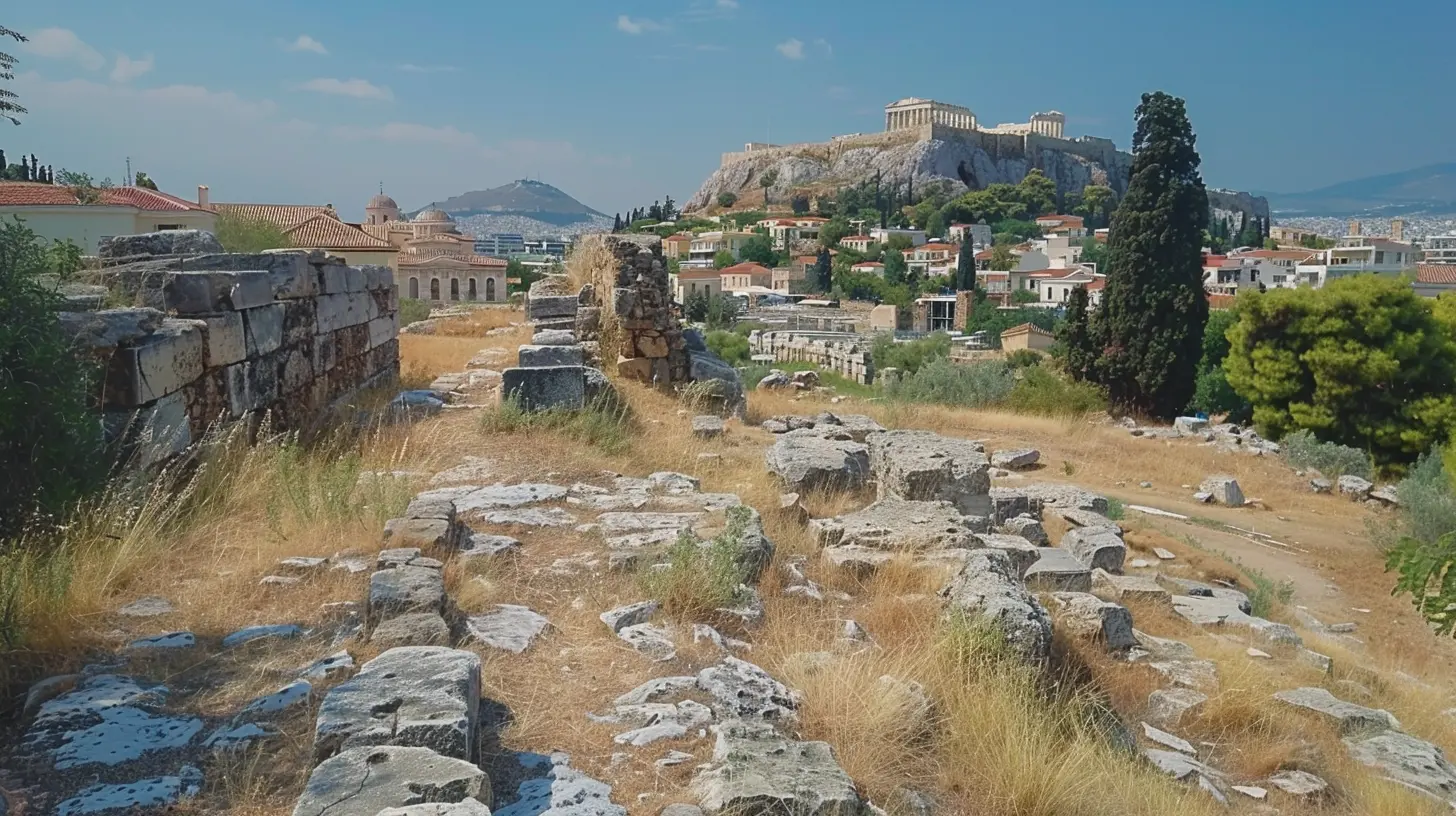
What Is the Acropolis Anyway?
Let’s clear this up first. The word “Acropolis” means “high city” in Greek. You’ll find acropolises in many ancient cities, but the Acropolis—capital A—is in Athens. It’s the one people are usually talking about when they mention “The Acropolis.” Built during the 5th century BCE, this hilltop citadel became the epicenter of culture, politics, and religion in Ancient Greece. And it still stands tall today—literally and figuratively.Basically, it’s like the VIP section of ancient architecture.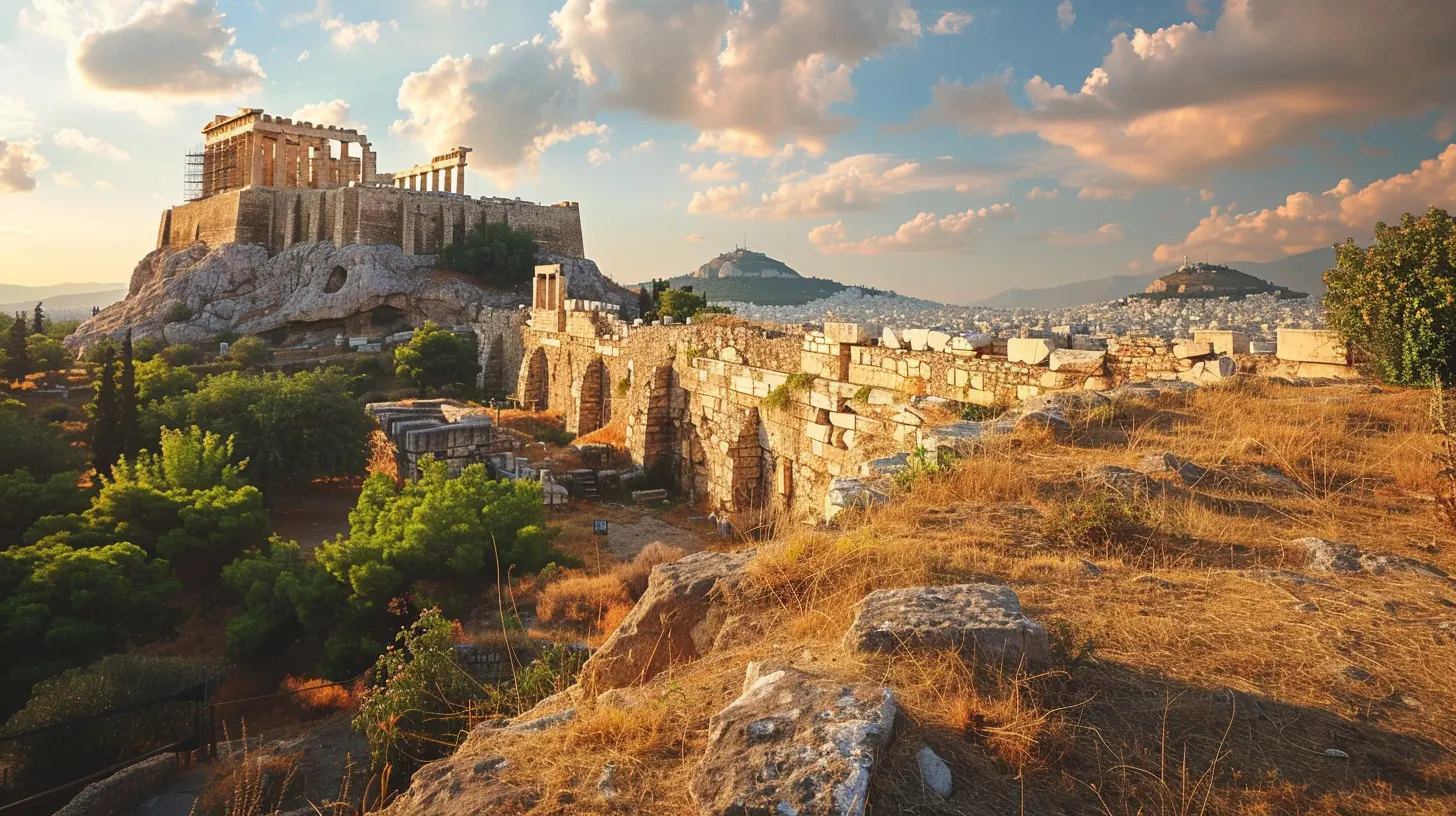
Why Is It Such a Big Deal?
You might be wondering—what makes the Acropolis so special? Well, for starters, it’s home to some of the most remarkable structures in human history. We’re talking huge temples, larger-than-life statues, and architectural tricks that still stump modern engineers.But it’s not just about the stone and marble. The Acropolis represents the birthplace of Western civilization—where philosophy, art, and political thought all took root. Every corner of the site has a story. And once you’re there, you’ll feel it. You’re not just looking at ruins—you’re standing in them.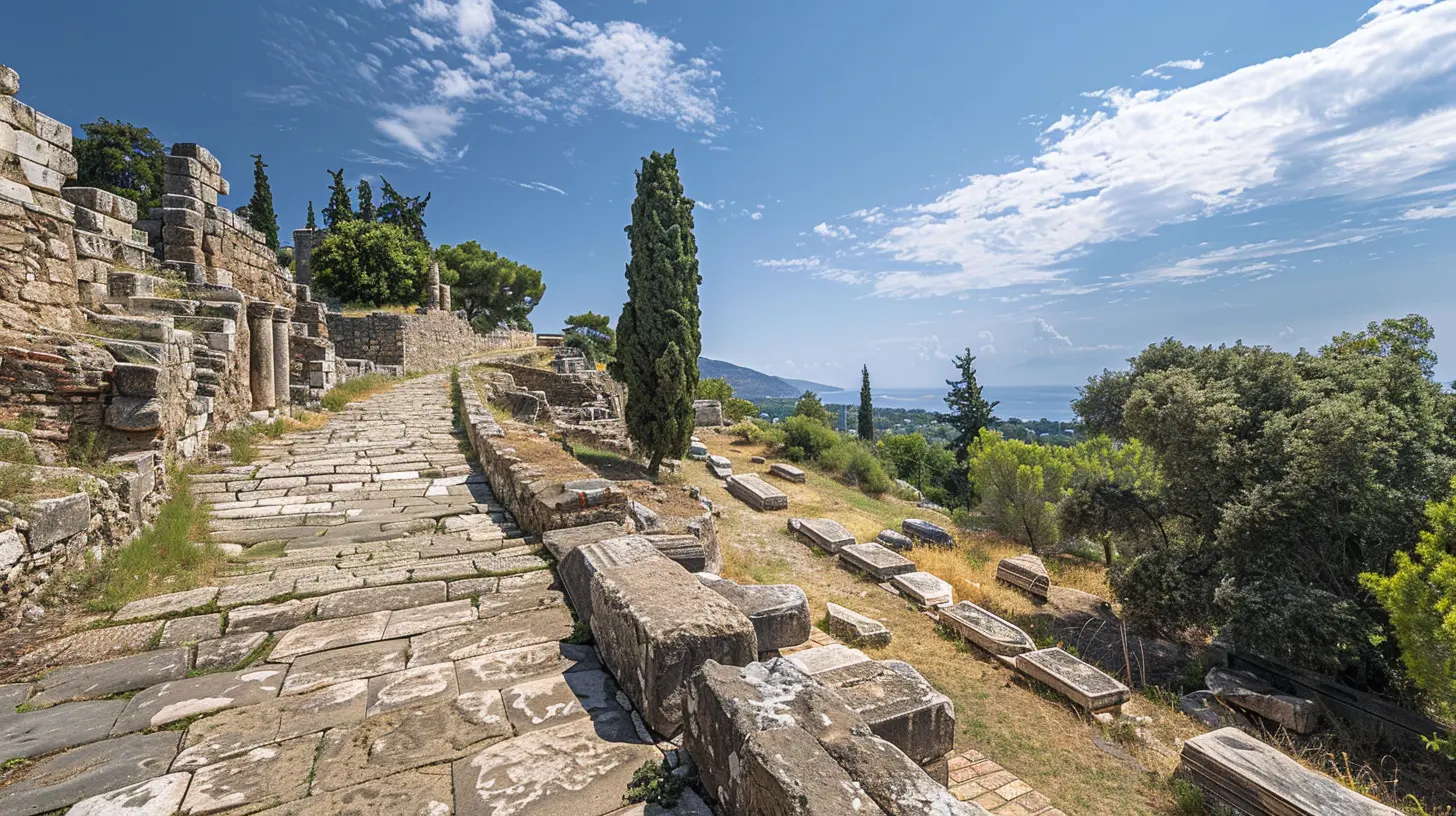
How to Get There (Pro Tips!)
First things first: the Acropolis is located smack in the middle of Athens. If you're staying in the city center, you're basically within walking distance. Just head toward the hill that seems to be shimmering in the sun. You’ll see it. Trust me.- Metro Stop: Akropoli Station (Line 2)
- Best Time to Visit: Early morning or late afternoon to dodge the crowds and that blazing Greek sun.
- Entry Fee: Usually around €20, but there’s a combo ticket that gets you into multiple ancient sites for about €30. Worth every penny.
Hot Tip: Wear comfy shoes. The marble paths are slick and uneven in some spots—don’t underestimate them!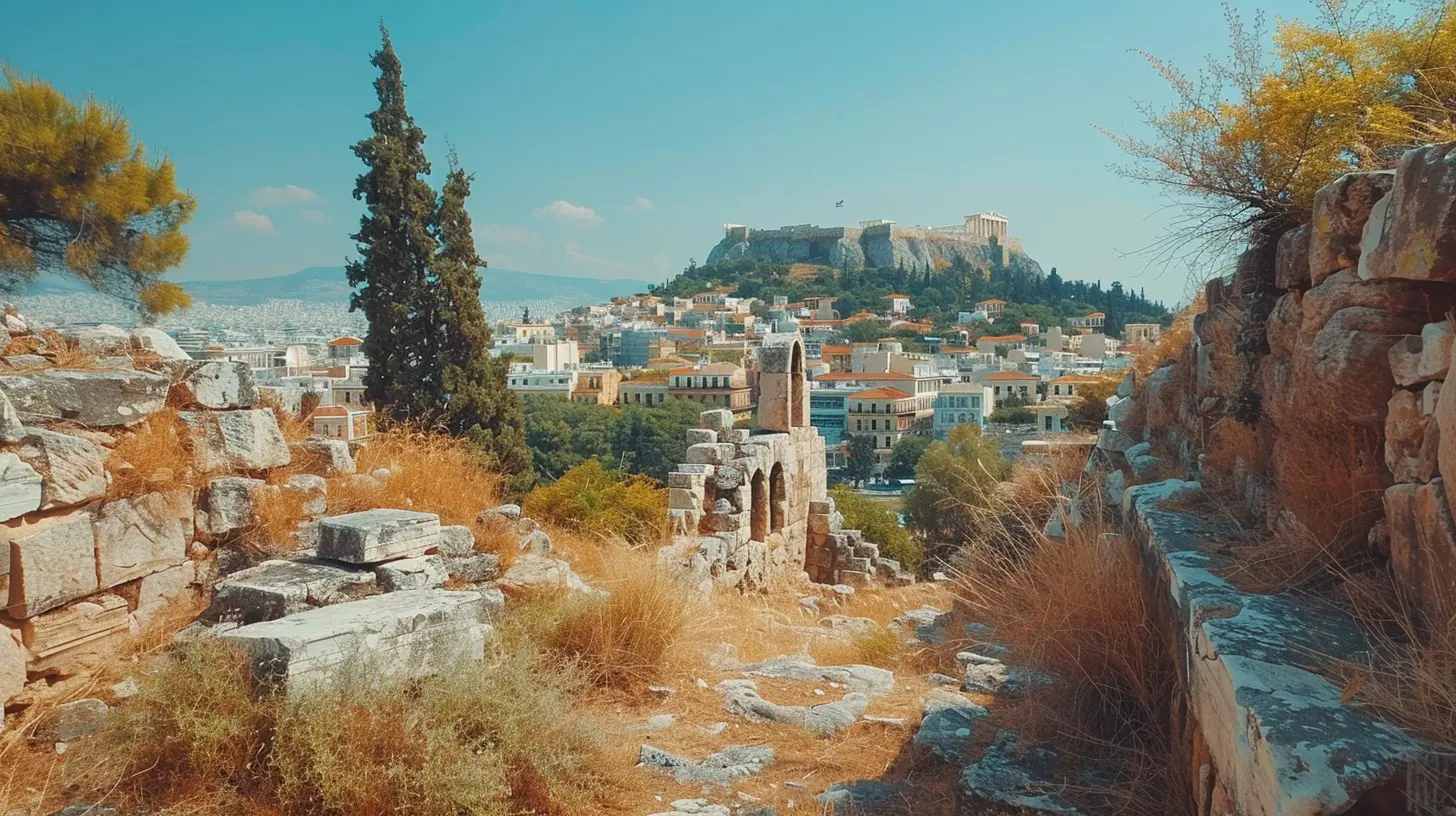
Key Highlights You Can’t Miss
Now, let’s dive into the real stars of the show. There’s a lot to see up there, but here are the must-see sights that’ll leave you speechless (or at least inspiring your next photo caption).1. The Parthenon – The Crown Jewel
Ahh, the Parthenon. This is the one you’ve seen in all the history books. Built between 447 and 432 BCE, it was dedicated to Athena, the patron goddess of Athens. The size of this temple is jaw-dropping—massive Doric columns, intricate carvings, and that classic post-and-lintel structure that somehow still stands strong.Even in ruins, the Parthenon has a regal vibe. It’s like the Beyoncé of ancient temples—elegant, commanding, unforgettable.
2. Erechtheion – Where Odd Meets Awe
This one’s a bit quirky, but in the best way possible. Located just north of the Parthenon, the Erechtheion is famous for its Porch of the Caryatids—columns shaped like women instead of traditional pillars. No big deal, just six stylish stone ladies holding up a roof that’s been around for over two millennia.Each Caryatid has her own personality (okay, maybe I’m projecting), and their detailed drapery is seriously impressive.
3. The Temple of Athena Nike – Petite but Powerful
This little gem sits on the edge of the Acropolis and celebrates Athena as the goddess of victory. Compared to the Parthenon, it’s tiny—but don’t let the size fool you. It’s elegant, perfectly proportioned, and offers an epic viewpoint over the city.If you’re into sunsets and panoramic views, this is your go-to spot.
4. Propylaea – The Grand Entrance
Think of the Propylaea as the ancient version of a red carpet. It’s the massive gateway that welcomes you into the Acropolis. Those towering columns and marble stairs? Pure drama. And just when you think it can’t get more impressive—you pass through it and boom, the Parthenon appears like a dream.What About the Acropolis Museum?
Okay, after you’ve climbed your heart out and soaked up all that marble magic, it’s time to hit the Acropolis Museum. This place is underrated, and I don’t say that lightly. Located just a short walk from the site, it houses many of the original statues and artifacts that were once part of the temples.Why move them? Well, pollution, erosion, and, let’s be honest, some questionable historical looting. What’s left on the hill is mostly replica now, but here you’ll find the real MVPs—like the actual Caryatids and friezes that circled the Parthenon.
And with floor-to-ceiling windows, the view of the Acropolis from inside the museum? Chef’s kiss.
A Few Fun Facts to Impress Your Travel Buddies
- The Parthenon was originally painted in bright colors. Yep, not just plain white marble!- It once housed a 12-meter-high statue of Athena made of ivory and gold.
- The Acropolis was a military base, a church, a mosque, and even a gunpowder storage site during the Ottoman era. It’s basically had more costume changes than a Broadway actor.
- Lord Elgin (yep, that guy) took many of the Parthenon’s sculptures, which now live in the British Museum. That’s still a sore spot for many Greeks.
Acropolis Etiquette - Be a Respectful Explorer
This isn’t just any ol' tourist site—it’s sacred ground. So while you're out there living your best history buff life, remember to:- Stay on marked paths (save those ankles).
- Don’t touch the ruins—ancient marble doesn’t age well with hand oil.
- Selfies are fine, but don’t be “that” person who hogs the view or climbs forbidden areas.
Be the traveler you’d want to tour with.
Nearby Gems You Shouldn't Skip
Once you’ve wrapped up your Acropolis adventure, don’t dash off just yet. The area surrounding the hill is just as captivating.1. Anafiotika – A Hidden Island Village in Athens
Tucked behind the Acropolis is Anafiotika, a tiny neighborhood that feels like a slice of the Greek islands—right in the city. Narrow alleys, whitewashed homes, blooming bougainvillea… it’s dreamy and ideal for a chill stroll.2. Plaka – The Old Soul of Athens
Just below the Acropolis lies Plaka, Athens' oldest district and basically the coziest place you’ll ever wander through. Think cobblestone streets, outdoor cafés, and local shops selling everything from handmade sandals to olive oil soap.3. Theatre of Dionysus – Where Drama Was Born
Before Netflix, there was Greek drama. And it all started here. The Theatre of Dionysus is one of the oldest theaters ever built, and man, if those stone seats could talk…Best Time to Visit the Acropolis
Okay, real talk—Athens gets hot. Like, frying-egg-on-the-sidewalk hot. So if you can swing it, aim for spring (April to June) or fall (September to October). You’ll beat the heat, avoid the crushing crowds, and actually enjoy your hike up the hill.Avoid high noon in July unless you want the full meltdown experience (pun intended).
What to Pack for Your Acropolis Adventure
Don't overthink it—just grab these essentials:- Sunscreen (that Greek sun is no joke)
- A water bottle (preferably refillable)
- Comfy walking shoes (no flip-flops, trust me)
- A hat or sunglasses
- Your camera or phone (duh)
Wrapping It Up: Why the Acropolis Is Worth Every Step
Touring the ancient ruins of Greece’s Acropolis isn’t just a history lesson—it’s a full-on time machine. It’s feeling dwarfed by towering columns and realizing how freaking advanced ancient civilizations were. It’s wandering through a place that helped shape our world today.Whether you're a history nerd, a casual traveler, or just someone who appreciates amazing views, the Acropolis hits different. You’ll leave not just with killer photos, but with a deeper appreciation for how far we’ve come—and for the stones that have stood the test of time.
And who knows? Maybe you’ll even walk away a little wiser. It happened to Socrates, after all.
all images in this post were generated using AI tools
Category:
Must See LandmarksAuthor:

Tracie McAdams
Discussion
rate this article
2 comments
Ariana McGinn
Amazing insights, thank you!
January 27, 2026 at 3:34 PM
Tracie McAdams
Thank you for your kind words! I’m glad you enjoyed the article!
Selkie McCune
Exploring the Acropolis is like stepping back in time! The blend of mythology, architecture, and history is truly captivating. I’m curious about how the site influences modern Greek culture and what stories the stones could tell us. Can’t wait to visit someday!
January 9, 2026 at 3:41 AM
Tracie McAdams
Thank you for your insightful comment! The Acropolis indeed serves as a profound link to Greece’s rich heritage, influencing modern culture and inspiring countless stories. Enjoy your future visit!