Adventures Through Time: UNESCO Heritage Sites to Visit
13 April 2026
Ever dreamed of a time machine—a way to jump from ancient empires to medieval fortresses, from sacred temples to crumbling ruins that whisper stories of civilizations long gone? Well, lucky for us, we don’t need flying DeLoreans or sci-fi portals to do just that. All we need is a backpack, some comfy shoes, and a sense of curiosity.
Here’s the thing: UNESCO World Heritage Sites aren’t just bricks and stones. They’re time capsules that give us a front-row seat to humanity’s greatest hits (and a few cautionary tales too). From ancient cities frozen in volcanic ash to palaces perched atop cliffs, these places transport us to different ages—each with its drama, beauty, and mystery.
So grab your metaphorical map and let’s go on an epic journey through time. Ready? Let’s dive into the most awe-inspiring UNESCO Heritage Sites you absolutely need to add to your bucket list.
What Makes a UNESCO World Heritage Site So Special?
Before we start globe-trotting, let's break it down real quick. What exactly turns a regular-old landmark into a shiny, prestigious UNESCO World Heritage Site?It’s not just about the looks (although, hey, looks help). A site gets the UNESCO nod if it has “outstanding universal value.” That means it tells a story about our shared human history—whether through culture, nature, architecture, or innovation.
Think of UNESCO sites as the VIPs of the travel world. They’ve got historical street cred, and they’re protected for future generations. And let’s be honest—it feels way cooler to visit a place that’s UNESCO-certified. It’s like being on a first-name basis with history.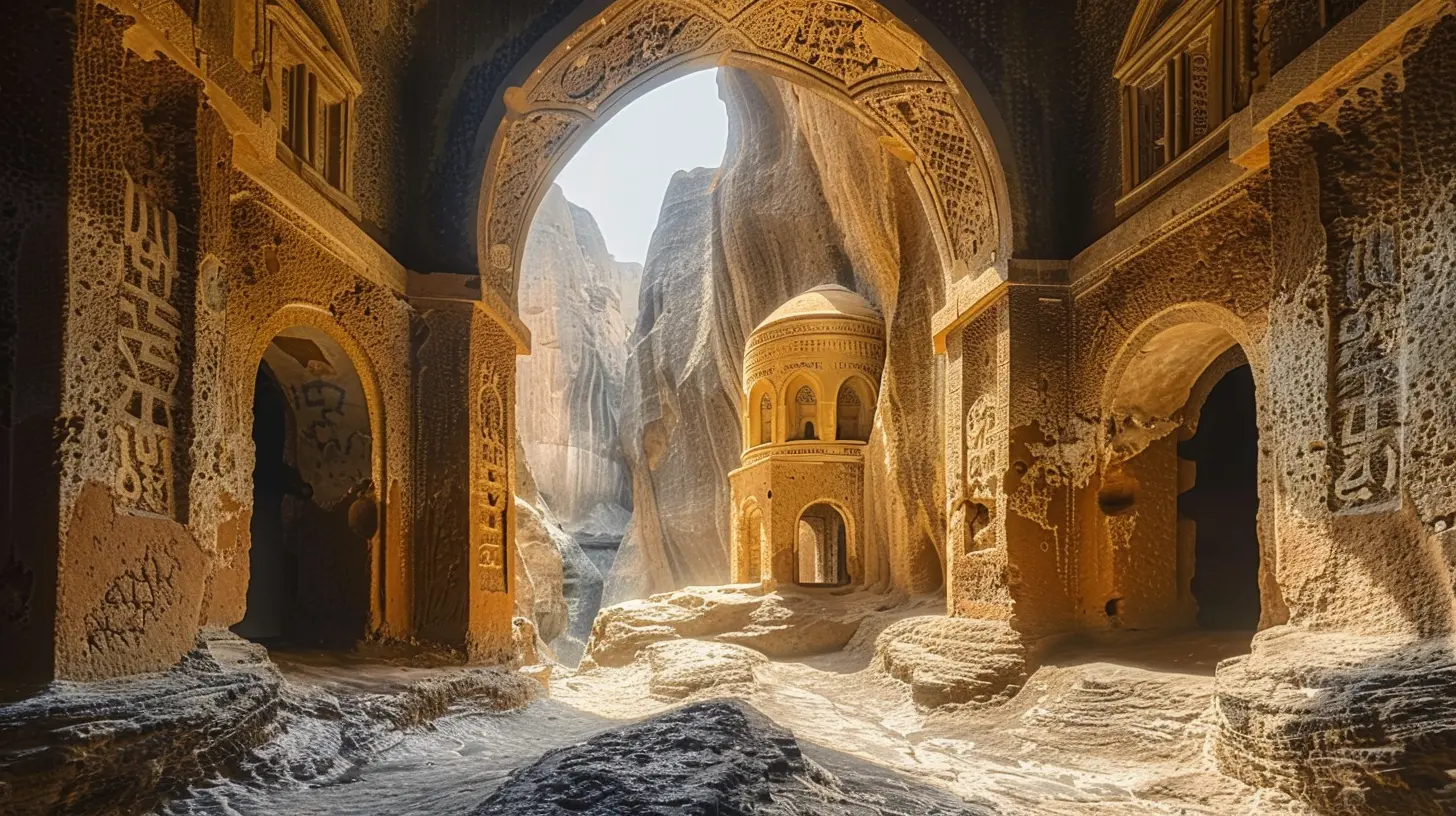
1. Petra, Jordan – The Rose-Red City That Time Forgot
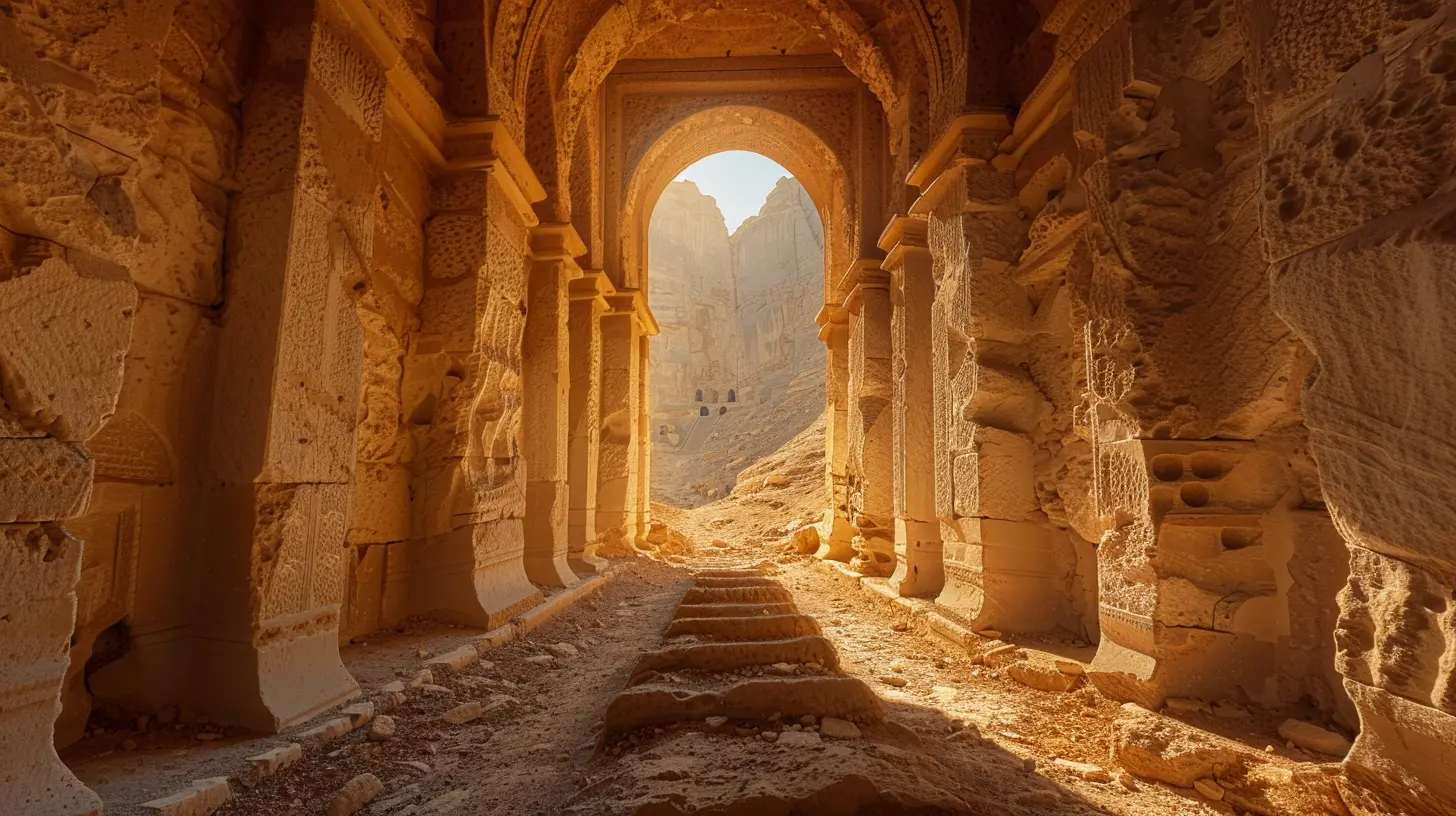
Ever thought about what Indiana Jones must've felt like discovering hidden cities? Petra captures that exact feeling.Carved directly into rose-colored cliffs, this ancient Nabataean capital is straight out of a fantasy novel. Walk through the Siq (a narrow sandstone gorge), and suddenly—bam!—there’s the Treasury, as majestic as it gets.
But hang on, Petra's not just a pretty face. It’s also a masterclass in engineering, trade, and water conservation. Back in the day, it was a bustling hub linking Arabia, Egypt, and Syria. Imagine the camel caravans, the bartering, the stories swapped over campfires.
Why Go?
- Unreal rock-cut architecture- Epic hikes (Ad-Deir Monastery is worth every step)
- That golden desert glow at sunset—pure magic
2. Machu Picchu, Peru – The Lost City in the Clouds
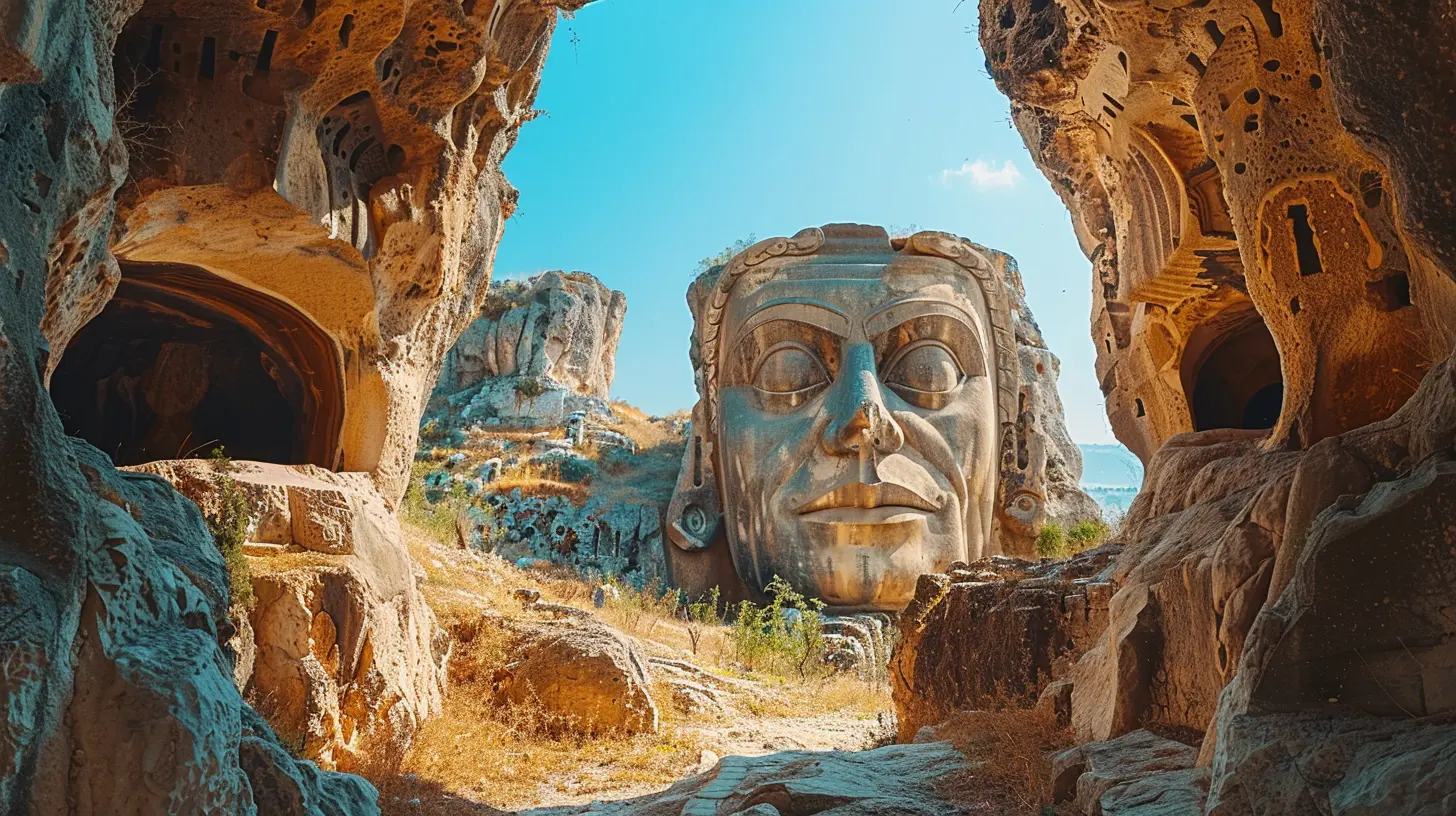
Let’s soar across the globe to South America, where Machu Picchu sits like a crown atop the Andes.Built in the 15th century by the Incas and forgotten by the world for hundreds of years, this mountaintop marvel is one of the most iconic UNESCO sites—and for good reason. It’s mysterious, breathtaking, and honestly, feels a bit spiritual.
Is it a royal retreat? A ceremonial site? Historians are still debating. All we know is standing among its terraces and temples, with clouds drifting below you, is next-level surreal.
Why Go?
- One of the most scenic train rides (or hikes) in the world- Perfect mix of history and nature
- Llamas with better Instagram poses than you
3. Angkor Wat, Cambodia – The Heartbeat of an Ancient Empire
Warning: Angkor Wat will ruin all other temples for you.Sprawled across the Cambodian jungle, this mega-complex was once the heart of the mighty Khmer Empire. Angkor Wat is the crown jewel—a temple so symmetrical and detailed, it's basically divine architecture.
But here’s the kicker: there are over 70 temples in the Angkor complex! Wander around and you’ll see giant stone faces at Bayon, or tree roots swallowing up Ta Prohm like something out of Tomb Raider.
Why Go?
- Sunrise over Angkor Wat: unreal- The perfect blend of spirituality and craftsmanship
- Jungle vibes + ancient ruins = travel bliss
4. Historic Centre of Rome, Italy – Layers Upon Layers of History
If cities were time machines, Rome would be the ultimate ride.Seriously, where else can you toss a coin into a Baroque fountain, walk by Renaissance palaces, then stumble upon an ancient gladiator arena—all in the same afternoon?
Rome’s historic center is packed with UNESCO glory: the Colosseum, the Pantheon, the Roman Forum… even the Vatican counts as its own UNESCO site!
Rome is where past and present hold hands and walk casually down cobblestone streets to grab gelato.
Why Go?
- History around every corner (literally)- World-class food, art, and vibes
- Feel like Caesar—or at least a very fashionable tourist
5. Great Wall of China – A Manmade Marvel That Stretches Beyond Belief
Let’s head east and marvel at something so massive, it’s visible from space (sort of).The Great Wall of China, built over centuries, is a symbol of resilience and ambition. It snakes through deserts, mountains, and forests—covering thousands of miles with watchtowers dotted like punctuation marks in history.
Walking along the Wall, you can’t help but imagine the soldiers who once stood guard, the dynasties that rose and fell, and the sheer human determination it took to build this colossal structure.
Why Go?
- Epic hikes with insane views- It’s one of the world’s greatest architectural feats
- You’ll genuinely feel small in the best way
6. Stonehenge, England – The Ancient Stone Puzzle
Okay, now for a bit of mystery. Why did ancient people haul massive stones across the English countryside to build a circle? Was it a calendar, a burial site, or something else entirely?Stonehenge doesn’t give up its secrets easily, but that’s kind of the charm. This Neolithic monument predates the pyramids and continues to baffle archaeologists.
Standing in its shadow, especially at sunrise or sunset, is incredibly humbling.
Why Go?
- Ancient mystery meets moody landscape- Short trip from London, but a whole different world
- Great spot for reflection (and conspiracy theories)
7. Timbuktu, Mali – The Fabled City of Gold
Once a wealthy hub of learning and trade in the 15th century, Timbuktu was the stuff of legends.With its mud-brick mosques, ancient manuscripts, and stories of scholars and kings, it’s a stark reminder that Africa was (and still is) a center of knowledge and culture.
While it's off the beaten path (and not always accessible), its legacy is undeniable.
Why Go?
- Deep cultural significance- Ancient libraries with priceless manuscripts
- One of the most mythologized cities in history
8. The Pyramids of Giza, Egypt – The Last of the Seven Wonders
You knew this one had to be on the list.The Great Pyramids aren’t just historical—they’re practically magical. Built over 4,500 years ago without modern machinery, these towering tombs still leave visitors scratching their heads.
How? Why? With what?
Even with all we know, there’s still an air of mystery. And nothing beats the moment you catch your first glimpse of them rising from the desert.
Why Go?
- Ancient engineering that defies logic- Camels, pharaohs, and epic tales
- Sunset views that are pure gold (literally and figuratively)
9. The Historic Sanctuary of Delphi, Greece – The Center of the Ancient World
According to the ancient Greeks, Delphi was the omphalos—the navel of the world.Nestled on the slopes of Mount Parnassus, this sanctuary was where people came to consult the Oracle of Apollo. Kings and warriors would journey here, hanging on the cryptic words of a priestess in a trance.
Today, the ruins are still hauntingly beautiful, offering panoramic views and mythological vibes.
Why Go?
- Walk the same paths as ancient pilgrims- Greek mythology brought to life
- Drama, legends, and epic mountain views
10. Chichén Itzá, Mexico – Where Astronomy Meets Architecture
The ancient Maya were lightyears ahead when it came to astronomy—and Chichén Itzá proves it.The iconic El Castillo pyramid isn’t just for show. It was designed to align with the sun during equinoxes. Twice a year, a shadow serpent “slithers” down the steps. Mind blown, right?
The site also includes ball courts, temples, and cenotes, giving you a full picture of a brilliant civilization.
Why Go?
- Mind-bending mathematical and astronomical design- A deep dive into ancient Mesoamerican culture
- Easy to combine with a beach vacation (hello, Cancun!)
Tips for Visiting UNESCO Heritage Sites
Alright, quick reality check. With great travel comes great responsibility. These sites aren’t just pretty backdrops—they’re sacred, fragile remnants of our collective story.Here are a few tips for being a respectful time traveler:
- Don’t touch what you shouldn’t. Oils from your skin can damage ancient materials.
- Stick to marked paths. That "shortcut" across the grass? Probably damaging.
- Use local guides. They know the stories, the secrets, the safer paths—and they support the local economy.
- Leave no trace. This one’s self-explanatory. Don't be that tourist.
- Take photos, not souvenirs. Resist the urge to pocket that cool-looking rock!
Final Thoughts: Time Travel Is Totally Possible
No, we can’t literally zip back to ancient Rome or the Incan Empire (yet). But UNESCO Heritage Sites let us get pretty darn close.They’re not just about checking off a travel list. They’re about connecting—with the past, with different cultures, and with the bigger picture of humanity. So the next time you’re looking for an adventure, skip the theme parks. Chase real stories, walk through real history.
Because the best adventures? They’re timeless.
all images in this post were generated using AI tools
Category:
World Heritage SitesAuthor:

Tracie McAdams
Discussion
rate this article
2 comments
Marie Sweeney
Exploring UNESCO Heritage Sites offers a unique journey through history, culture, and architecture. Each destination tells a story of human achievement and natural beauty, making them must-visit treasures for any traveler.
April 15, 2026 at 2:50 PM
Maria Brown
What a beautifully inspiring read! Exploring UNESCO Heritage Sites is not just about witnessing history, but also about connecting with cultures and stories that have shaped our world. Thank you for sharing these incredible adventures; they remind us of the importance of preserving our global heritage!
April 15, 2026 at 2:39 AM
Tracie McAdams
Thank you for your kind words! I'm glad you found the article inspiring and appreciate the importance of preserving our world's heritage.