Why London Continues to Impress Travelers in 2026
17 April 2026
Alright, let’s be brutally honest for a second. When you think of a city that’s been written about more times than a celebrity’s autobiography, London probably springs to mind. Big Ben, red buses, the Queen’s Guard looking mildly inconvenienced by tourists—it’s the greatest hits album of global travel. So, you might be sitting there in 2026, sipping your futuristic smart-coffee, and thinking, “London? Again? What’s new, the rain is still wet?”
Hold that thought. Because the wild, wonderful, and perpetually surprising beast that is London hasn’t just rested on its laurels. It’s been in the lab, mixing old-school charm with 2026-grade innovation, and the result is a city that feels both comfortingly familiar and thrillingly new. It’s like your favourite grandparent suddenly started using the latest slang correctly—disconcerting at first, then utterly brilliant.
Let’s dive into why, in this age of hyper-speed travel and digital nomadism, London stubbornly, impressively, remains a top-tier destination that will have you texting home, “Okay, you were right, this place is epic.”
The Timeless Charm: More Than Just Postcard Perfection
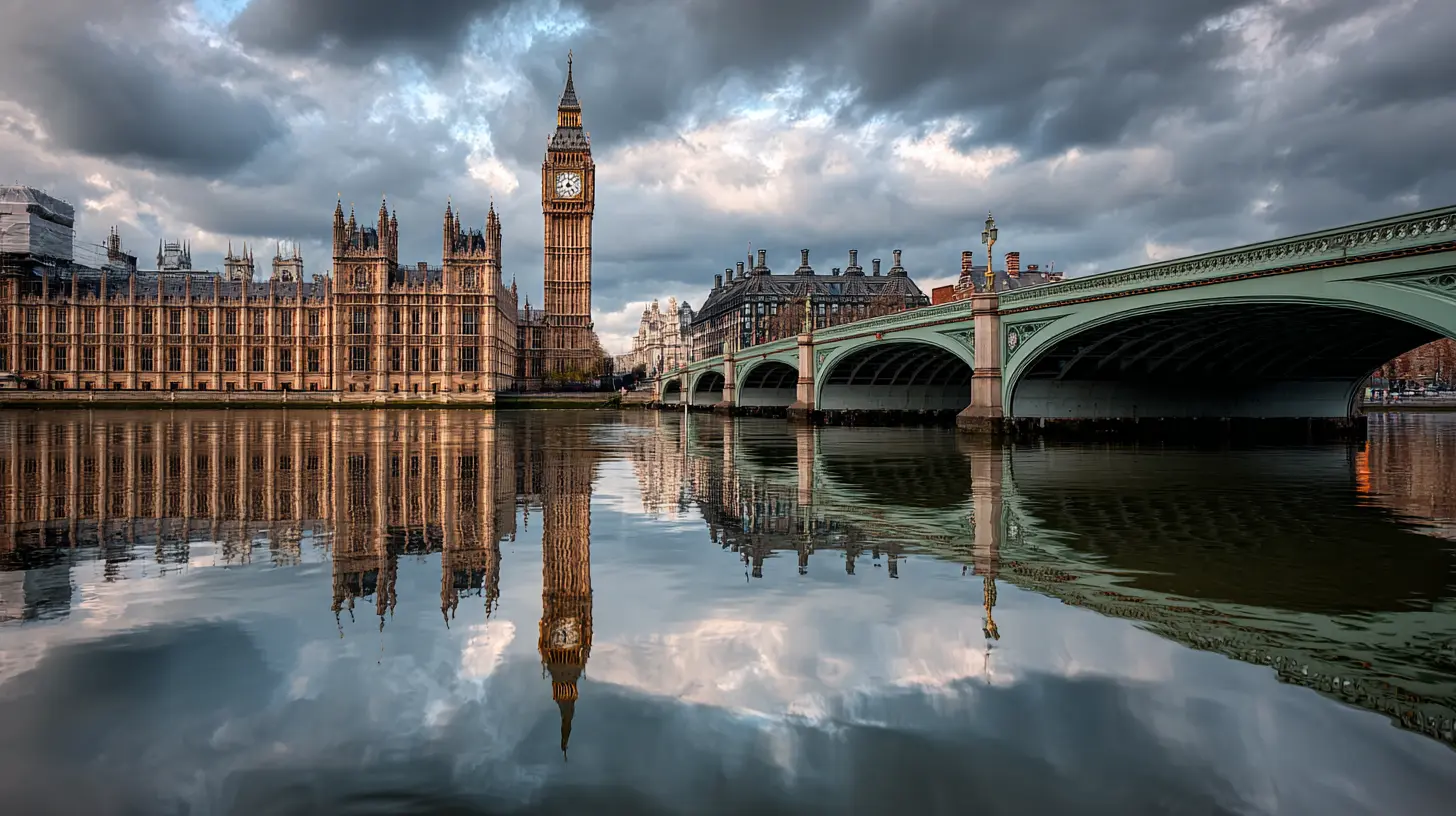
First things first, let’s address the elephant in the room wearing a beefeater hat. The classic stuff. In 2026, in a world that feels increasingly disposable, London’s enduring icons aren’t just surviving; they’re thriving. Why? Because they’ve remembered they’re not museum pieces, but living, breathing parts of the city.Take the West End. It’s not just about Les Mis and The Phantom anymore (though they’re still going, bless them). We’re talking about immersive theatre experiences where you become part of the story, AI-assisted performances that change nightly, and new musicals tackling topics you wouldn’t believe. The energy is electric, a tangible buzz that you can’t stream at home. You have to be there, crammed into a historic theatre with a bunch of strangers, sharing a collective gasp or laugh.
And the museums? The British Museum, the V&A, the Natural History Museum—they’ve fully embraced the 2020s. We’re talking about augmented reality tours where you can watch a Roman soldier explain his armour, late-night DJ sets in the dinosaur gallery, and hyper-focused exhibitions curated by TikTok historians. It’s history, but with the volume cranked up to eleven. You’re not just looking at a Rosetta Stone replica; you’re using an interactive tablet to attempt to decode it yourself, failing miserably, and gaining a whole new respect for linguists.
The Food Scene: From Pie & Mash to Quantum Gastronomy
Remember when “British food” was a punchline? Yeah, London in 2026 has officially retired that joke. The culinary landscape here is now a glorious, chaotic, delicious free-for-all. It’s a metaphor for the city itself: respecting tradition while gleefully smashing it to bits and creating something new.You can still find the perfect, gravy-laden pie in a 100-year-old pub where the woodwork is stained with history. That’s non-negotiable. But walk five minutes in any direction, and you’ll stumble upon a food market where a third-generation cheesemonger is selling single-origin Welsh rarebit next to a stall serving biome-friendly, lab-grown “London Particular” pea soup. The city’s historic dishes are being reimagined with sustainable, high-tech ingredients.
And the diversity? Good grief, the diversity. London’s food scene is the United Nations of deliciousness. You can have a life-changing bowl of laksa for lunch in a Malaysian kopitiam, followed by Syrian fine-dining in the evening, and finish with a late-night arepa from a Colombian street vendor. In 2026, the trend isn’t just about authenticity; it’s about fusion done right—chefs blending their heritage with London’s eclectic pantry. It’s a culinary adventure where you don’t need a plane ticket; you just need a Tube pass and an appetite.
Green London: The City That’s Learning to Breathe
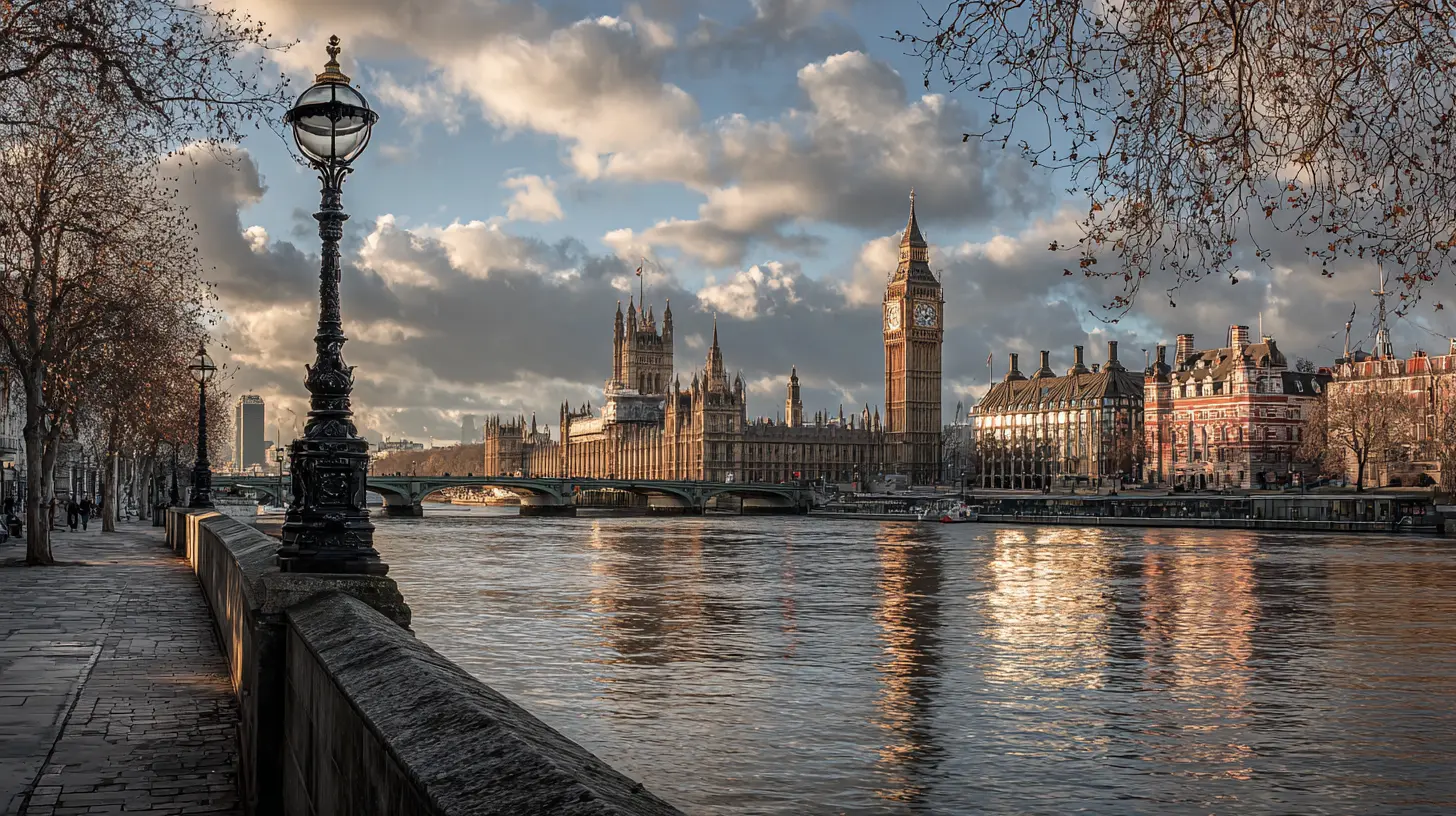
Here’s the biggest plot twist for 2026 travelers: London is green. And I don’t just mean the occasional park. I mean a full-blown, civic love affair with nature. After the wake-up calls of previous decades, the city has gone all-in on being a green metropolis, and it’s changed the vibe completely.The Royal Parks are, of course, the majestic lungs. But now, they’re hubs of activity. Think open-air yoga sessions at sunrise in Hyde Park, silent discos in Kew Gardens, and guided “forest bathing” sessions in Hampstead Heath. It’s not just about sitting on a bench; it’s about immersive, mindful engagement with nature right in the city's heart.
But the real magic is in the nooks and crannies. The “Parklets”—tiny, temporary parks carved out of parking spaces. The explosion of green roofs and vertical gardens on everything from skyscrapers to bus shelters. The “Bee Buses”—routes specifically planted with pollinator-friendly flowers. London feels softer, cleaner, and more alive. You can literally watch a bee commute from a rooftop hive to a flower box on a bridge, doing its job while you do your sightseeing. It’s a city actively healing itself, and being part of that feels good.
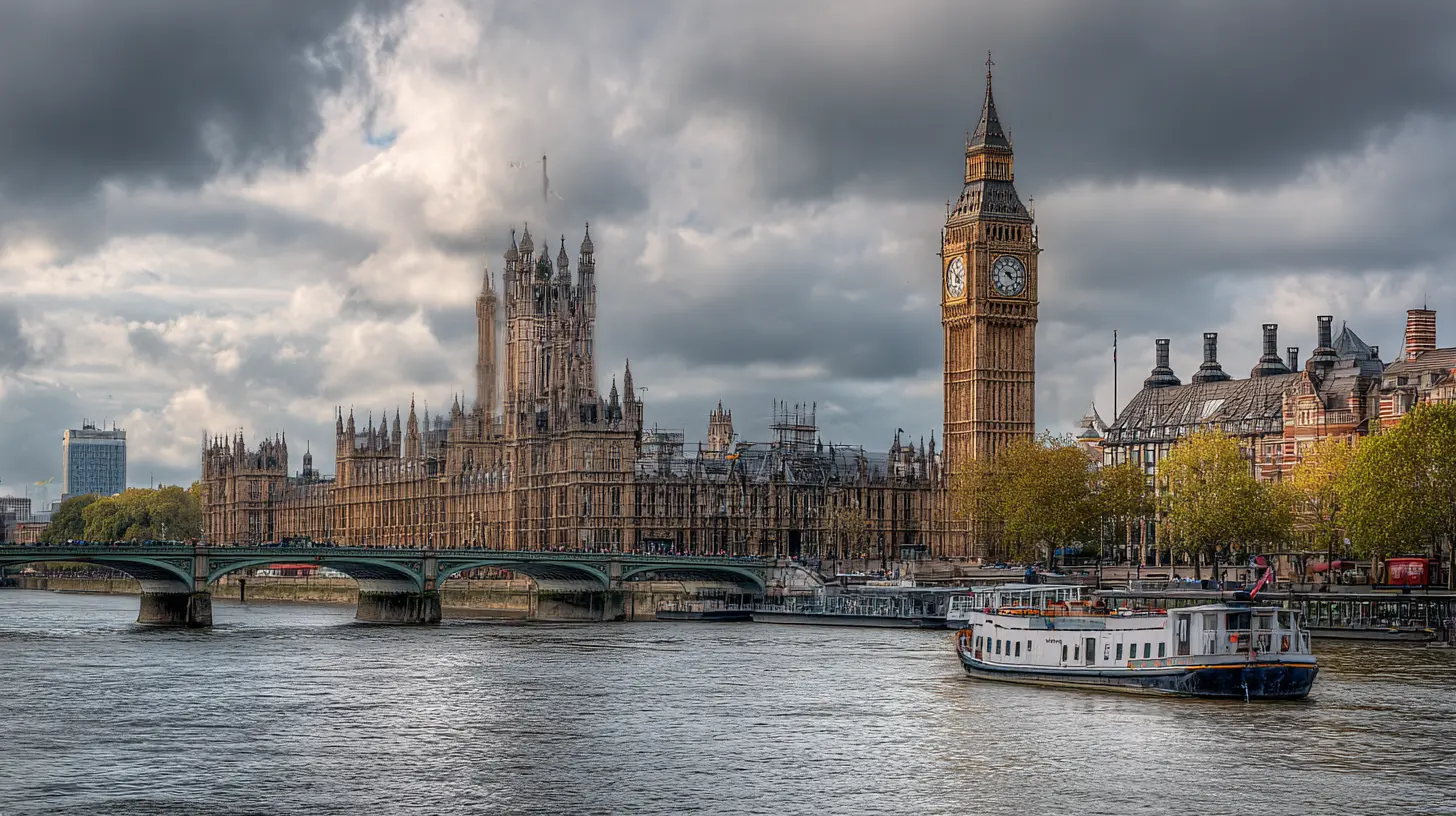
Tech Meets Tradition: Living in a Polite Sci-Fi Movie
This is where 2026 London feels genuinely futuristic, but in a peculiarly British, “mind the gap” kind of way. The tech isn’t cold and sterile; it’s woven into the fabric of daily life to make things easier, cooler, or just more fun.Getting around is the prime example. The Tube map is now a living, breathing app. It doesn’t just show delays; it uses predictive AI to suggest the least crowded carriage for your journey, tells you which exit to use for your specific restaurant booking, and even points out historical trivia about the station you’re standing in. The iconic red buses are increasingly electric and silent, gliding through the streets like cheerful, double-decker ghosts.
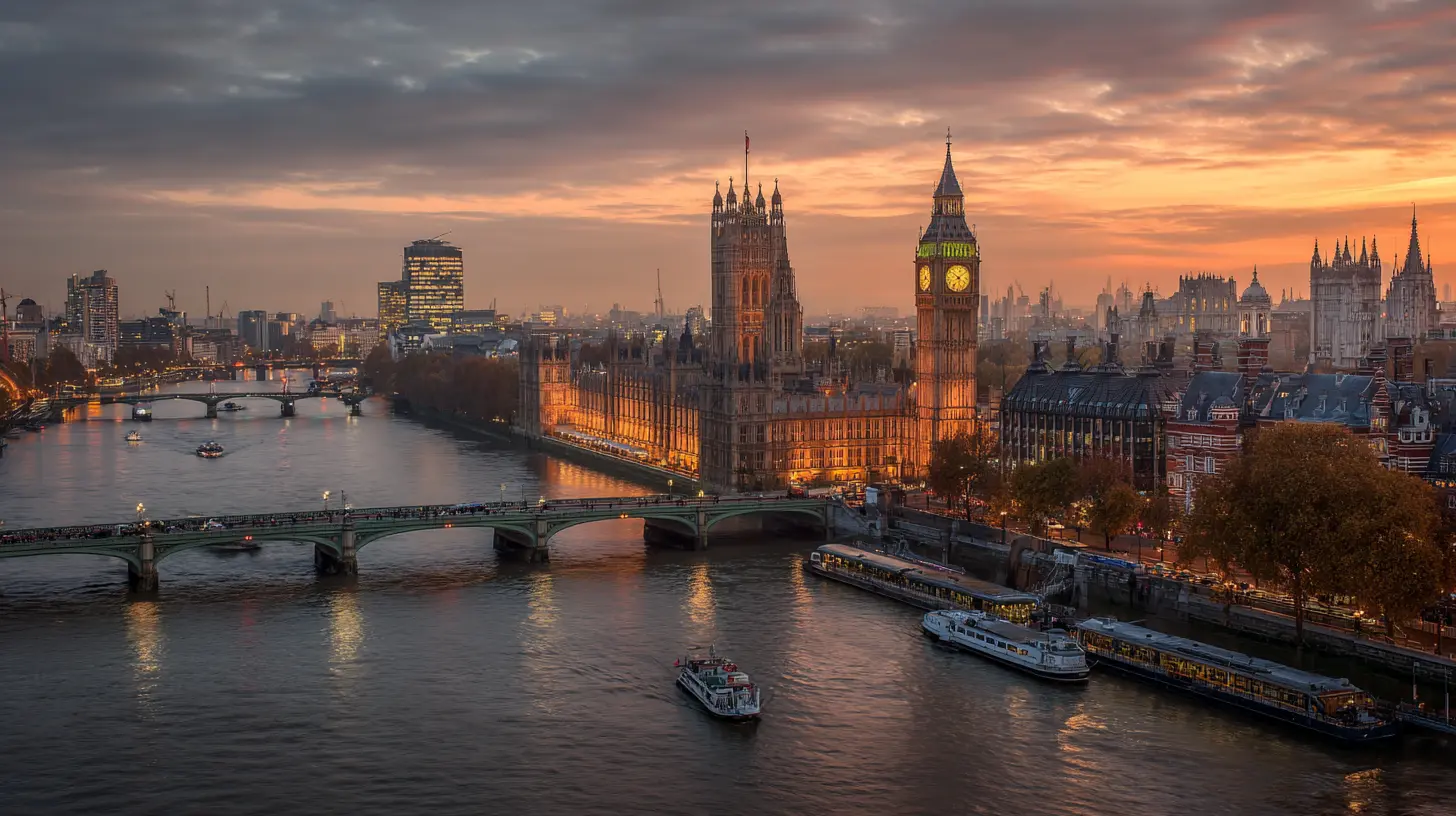
Then there’s the retail and cultural experience. Want to see how a suit would have been made on Savile Row in 1926? Pop on a VR headset in the shop’s waiting area. Visiting the Tower of London? Your smart-ticket triggers location-based audio dramas and AR recreations of historical events right on your phone screen, turning the stones themselves into storytellers. It’s seamless. You’re not staring at a screen; you’re using it to deepen your connection to the physical, historical world around you.
The Neighbourhood Vibe: London’s Beating Heart
If the landmarks are London’s smile, the neighbourhoods are its personality. And in 2026, the city’s villages have never been more distinct or vibrant. The central tourist zones are great, but the real magic is hopping on the Overground and diving into these micro-worlds.Peckham has solidified its status as the cool older sibling, with rooftop bars overlooking the skyline and independent galleries in old multi-storey car parks. Walthamstow is a powerhouse of creativity, its market a labyrinth of vintage finds and artisanal eats. King’s Cross is a gleaming example of urban regeneration, where you can sip a coffee where Victorian grain stores once stood.
But the real joy is in the contradictions. In Shoreditch, you’ll find a centuries-old pub where tech bros in hoodies debate blockchain over a pint next to an artist sketching in the corner. In Richmond, you can spot deer in a park that feels like the countryside, then take a 20-minute Tube ride back to the neon chaos of Piccadilly Circus. London doesn’t ask you to choose; it gives you everything, all at once.
The People: The Glue That Holds the Chaos Together
Ultimately, a city is its people. And Londoners in 2026? They’ve perfected a beautiful duality. Yes, the famous “stiff upper lip” and brisk walking pace remain. They won’t make eye contact on the Tube—that’s still the sacred law. But get them out of the commute stream, and you’ll find a warmth and dry wit that’s utterly disarming.Ask for directions, and you might get a full-blown, anecdote-filled guide to the area’s best hidden pub. Complain about the weather to a shopkeeper, and you’ll be bonded for life over a mutual, affectionate hatred for “drizzle.” There’s a resilience and a dark humour that’s been baked in by centuries of history, a few pandemics, and countless political dramas. They’re proud of their city, warts and all, and if you show a genuine interest, they’ll become its best ambassadors.
So, Why Does London Continue to Impress in 2026?
Because it’s a city in conversation with itself. It respects its past without being a slave to it. It embraces the future without losing its soul. It’s a place where you can be awed by a centuries-old crown jewel one minute and be eating a vegan, deconstructed Eton Mess from a robot server the next. It’s chaotic, green, delicious, high-tech, and deeply human—all at the same time.It’s not a static postcard. It’s a living, evolving, sprawling story. And in 2026, there are more fascinating chapters being written than ever before. All you have to do is show up, wander, and turn the page.
all images in this post were generated using AI tools
Category:
World CapitalsAuthor:

Tracie McAdams
Discussion
rate this article
2 comments
Selkie Bennett
London's enduring charm lies in its harmonious blend of history and modernity. From iconic landmarks to vibrant neighborhoods, the city's rich tapestry of culture, art, and innovation captivates travelers. Each visit offers a fresh perspective, ensuring that London remains a timeless destination for exploration.
April 20, 2026 at 4:33 AM
Tracie McAdams
Absolutely, London's unique mix of history and modern life makes every visit special. Its ability to surprise and inspire keeps travelers coming back for more.
Asher McSweeney
London's enduring charm lies in its rich history, vibrant culture, and diverse attractions. From iconic landmarks to culinary delights, the city seamlessly blends tradition with modernity. Whether you're a first-time visitor or a seasoned traveler, there's always something new and exciting to discover.
April 18, 2026 at 3:45 PM
Tracie McAdams
Absolutely! London's unique blend of history and modernity truly captivates every visitor, offering endless opportunities for exploration and enjoyment.