Washington, D.C.: A Capital Full of Surprises in 2026
24 April 2026
You think you know Washington, D.C., right? Monuments, museums, politicians in suits, and the occasional cherry blossom. It’s the place you visited on a school trip, snapping photos of the Lincoln Memorial while your teacher nagged you to stay with the group. But here’s the thing: D.C. in 2026 isn’t your grandma’s capital. It’s a city that’s been quietly (and sometimes loudly) reinventing itself—like a phoenix that traded its ashes for a neon jacket and a craft cocktail. If you haven’t been in the last few years, you’re in for a shock. This isn’t just a history lesson; it’s a living, breathing, surprisingly weird metropolis. So, grab a coffee (or a half-smoke from a street cart), and let’s dig into why D.C. in 2026 is bursting with surprises.
The Monuments Got a Glow-Up (Literally)
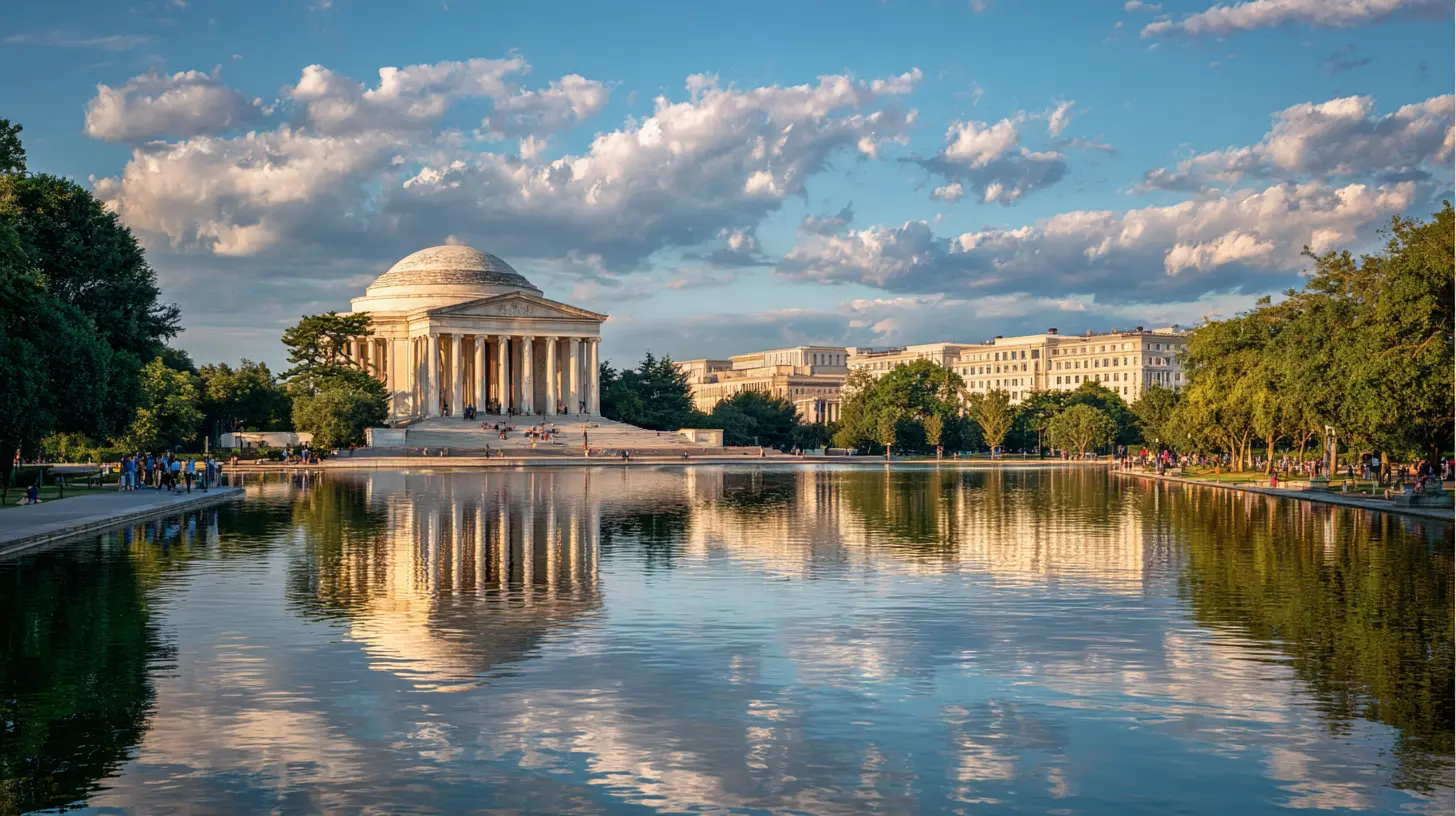
Let’s start with the obvious: the National Mall. You’ve seen it a thousand times in movies—wide, green, flanked by marble giants. But in 2026, the Mall is buzzing with something new: interactive light installations that turn the monuments into canvases after dark. Imagine the Washington Monument shooting a beam of light that spells out poetry in the sky, or the Lincoln Memorial’s reflection pool doubling as a digital art display. It’s not just for Instagram (though, let’s be honest, your feed will thank you). These installations are part of a city-wide initiative called “Capital Illuminated,” which aims to make public art accessible 24/7. And here’s the kicker: they change with the seasons. In spring, the lights mimic cherry blossoms; in winter, they glitter like snowflakes. It’s like the city decided to throw a permanent party for your eyeballs.But wait—there’s more. The Tidal Basin, that iconic spot for paddle boats and Jefferson views, just got a $50 million eco-restoration. The water is cleaner, the paths are wider, and there’s a floating boardwalk that lets you walk on the water. You’ll feel like Jesus, minus the beard and sandals. And the cherry blossoms? They’re still there, but now they’re complemented by a soundscape of native bird calls and soft jazz piped through hidden speakers. It’s surreal. You’ll catch yourself thinking, “Is this really D.C.?”
Museums That Break the Fourth Wall
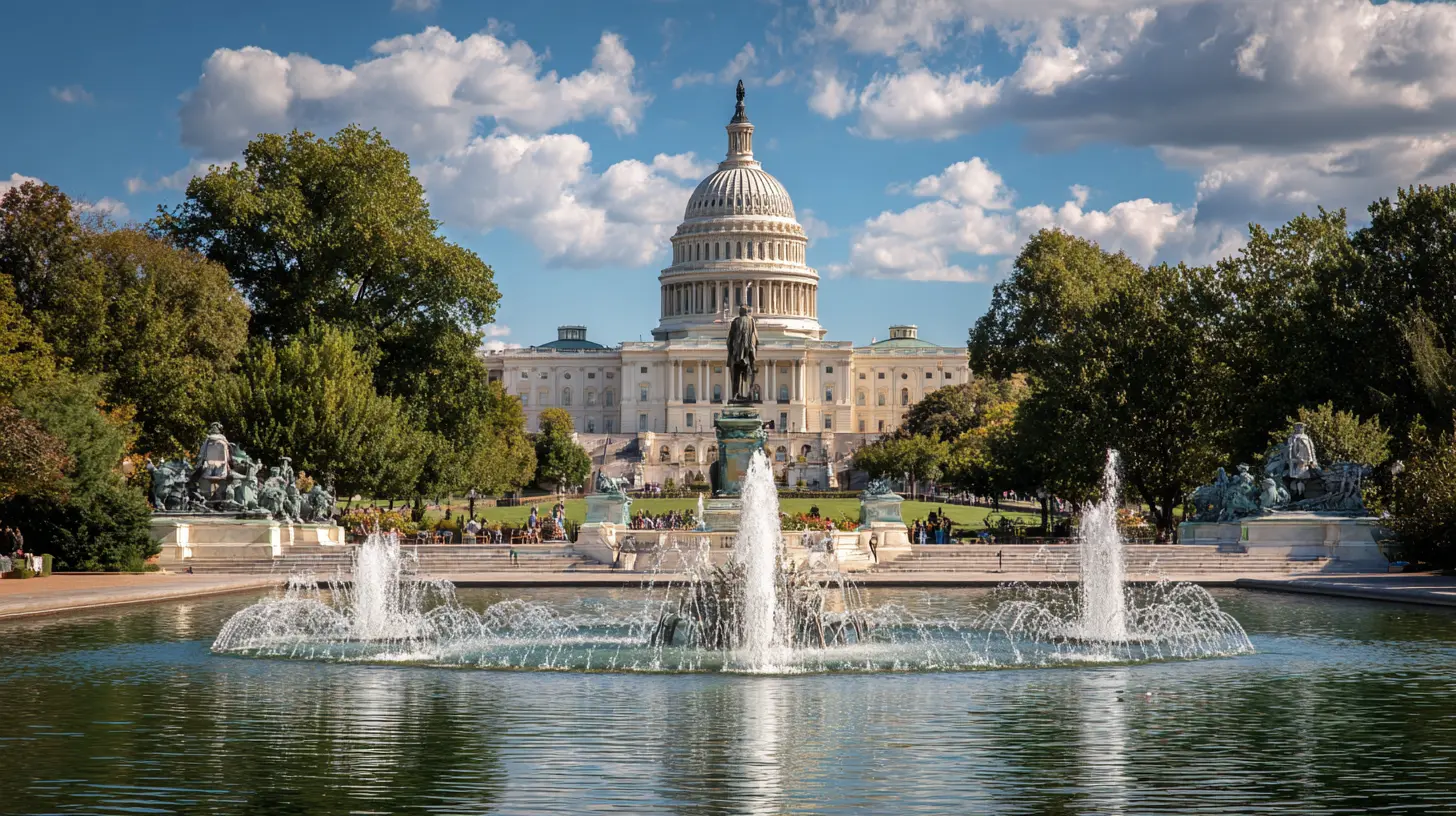
The Smithsonian museums are free, yes, but in 2026, they’ve shed their dusty, “don’t touch anything” vibe. Take the Air and Space Museum, for example. After a massive renovation, it now has a VR experience where you can pilot the Wright Brothers’ flyer—and crash it into a digital field (no harm, no foul). Or the National Museum of African American History and Culture, which added a “Living Timeline” gallery where holograms of historical figures chat with you. Want to ask Harriet Tubman about her favorite escape route? She’ll answer. It’s part history lesson, part sci-fi convention.And don’t sleep on the smaller museums. The National Museum of Women in the Arts reopened in 2024 with a stunning new wing dedicated to contemporary female artists, and by 2026, it’s become the city’s hottest ticket. They host “Art After Dark” events with DJs and pop-up bars. I’m talking about sipping a negroni while staring at a Frida Kahlo selfie. It’s weird, wonderful, and totally unexpected.
Food That’ll Make You Forget Politics
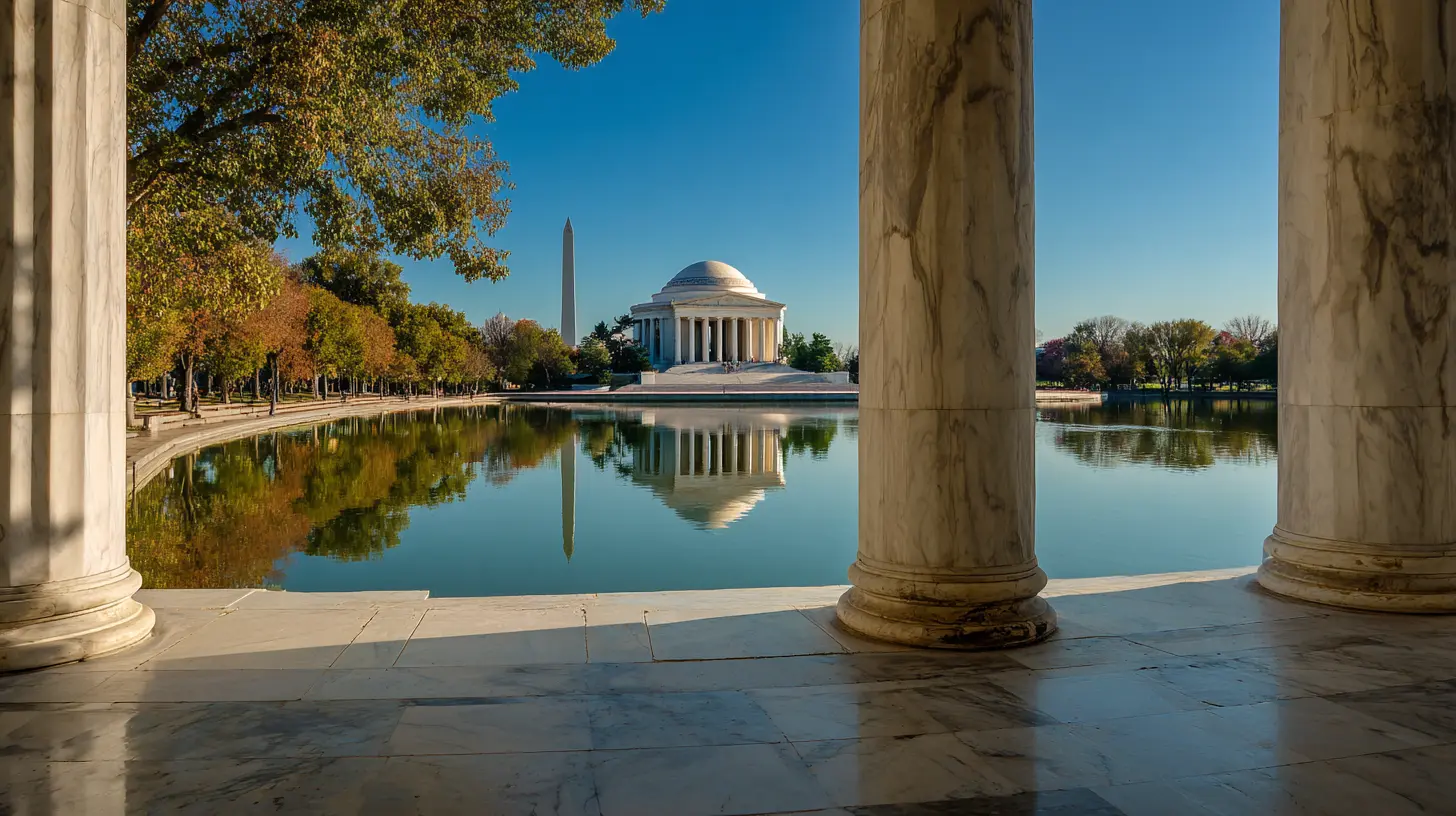
Let’s talk grub. D.C. used to be known for power lunches and bland hotel buffets. Not anymore. In 2026, the city is a foodie paradise, and the surprises are everywhere. Start in Union Market, which has evolved from a hipster food hall into a global culinary bazaar. You’ll find Ethiopian injera tacos next to Korean-Mexican fusion ramen. But the real gem? A pop-up called “The Embassy Row Supper Club,” which rotates menus based on the actual embassies nearby. One night, you’re eating Peruvian ceviche with a view of the Brazilian Embassy; the next, you’re digging into Moroccan tagine while a diplomat’s cat wanders by. It’s bizarre, but it works.Then there’s the rise of “ghost kitchens” inside old government buildings. Yes, you can order a gourmet burger from a kitchen that once housed the Department of Agriculture’s cafeteria. And the city’s cocktail scene? It’s insane. Bars like “The Vault” (hidden inside a former bank) serve drinks that change color based on your mood, detected by a little sensor in the glass. I swear I’m not making this up. You’ll leave wondering if you accidentally stepped into an episode of Black Mirror.
Neighborhoods That Rewrite the Map
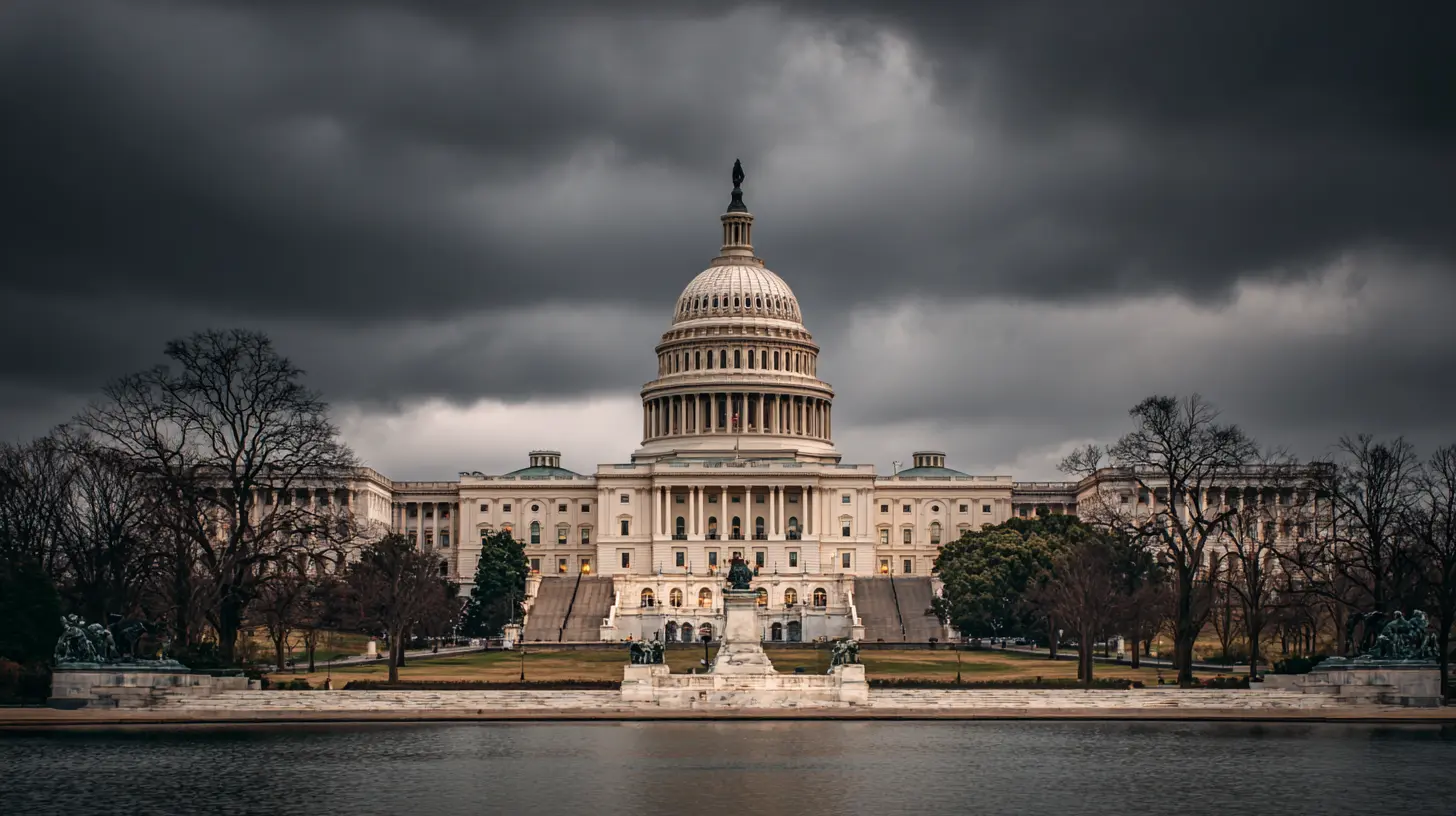
Georgetown is still charming, but it’s no longer the only game in town. In 2026, the neighborhoods you’ve never heard of are stealing the spotlight. Take Ivy City, a former industrial zone that’s now home to a string of artist lofts, a rooftop roller-skating rink, and a brewery that makes kombucha-flavored seltzer (it’s better than it sounds). Or Anacostia, which has transformed into a hub for Black-owned businesses and outdoor murals that tell stories of resilience. The Anacostia Riverwalk Trail now connects to the National Mall via a new pedestrian bridge that glows at night. You can bike from the Capitol to a waterfront taco stand in 20 minutes, passing through a tunnel filled with street art that changes every month.And then there’s “The Wharf” expansion. You probably remember the Wharf as a nice-but-expensive waterfront development. By 2026, it’s doubled in size, adding a floating theater, a kayak rental that takes you to a tiny island with a bar, and a “silent disco” where you dance under the stars with wireless headphones. It’s like someone took the best parts of Miami’s South Beach, New Orleans’ French Quarter, and Portland’s Pearl District, shook them up, and poured them into the Potomac.
Tech That’s Both Cool and Creepy
D.C. is a government town, so you’d expect tech to be boring. Wrong. In 2026, the city is a testbed for futuristic gadgets. The Metro, for instance, now has “smart” trains that predict crowd density and reroute to avoid delays. You’ll get a notification on your phone saying, “Train 7 is empty; hop on at Farragut West.” And the buses? They’re electric, silent, and equipped with Wi-Fi that’s faster than your home connection. But here’s the weird part: some crosswalks have sensors that detect your pace and adjust the walk signal to match. If you’re jogging, the light stays green longer. If you’re shuffling with a coffee, it gives you a few extra seconds. It’s like the city is reading your mind.But the biggest surprise? The “Digital Embassy” project. Several countries have opened virtual embassies—think VR rooms where you can “visit” a country without leaving D.C. Want to see the Great Wall of China? Walk into the Chinese VR embassy in Dupont Circle and spend 20 minutes exploring it in 360 degrees. It’s free, bizarre, and oddly moving. You’ll leave feeling like you’ve traveled the world in an afternoon.
Green Spaces That Are Actually Green (and Blue)
D.C. has always had parks, but in 2026, they’ve gone full eco-warrior. Rock Creek Park now has a “rewilding” zone where you can see beavers, foxes, and even a bald eagle or two. There are guided night hikes with astronomers who point out constellations through telescopes. And the National Arboretum? It’s expanded to include a “climate resilience garden” that shows how plants adapt to rising temperatures. You can walk through a simulated desert, a tropical rainforest, and a tundra—all in one afternoon. It’s like Planet Earth meets a theme park.Then there’s the “Blue Loop,” a network of kayak and paddleboard routes that connect the Potomac, Anacostia, and Rock Creek. You can paddle from Georgetown to the Capitol—yes, the Capitol—with designated stops for lunch and beer. In summer, the city hosts “Moonlight Paddles” where you float under the stars with a glow-in-the-dark kayak. It’s romantic, adventurous, and completely free (if you bring your own gear). Who needs a beach vacation when you have a river running through the capital?
The People: More Than Just Suits
Here’s a secret: D.C. locals are tired of the “politician” stereotype. In 2026, the city’s population is younger, more diverse, and way more fun. You’ll meet baristas who work on Capitol Hill by day and perform stand-up comedy by night. You’ll find Uber drivers who are retired diplomats, happy to share stories about negotiating treaties while they navigate traffic. And the city’s nightlife? It’s not just fancy galas. There are underground board game cafes, poetry slams in converted garages, and “silent reading parties” where everyone brings a book and drinks wine. It’s weird, but it works.The biggest cultural shift is the rise of “civic festivals.” Every month, a different neighborhood hosts a block party with live music, food stalls, and—get this—a “policy karaoke” where you sing your favorite political speech. Yes, you can belt out “I Have a Dream” with a live band. It’s ridiculous, hilarious, and oddly unifying. You’ll leave thinking, “Maybe politicians aren’t so bad after all.”
Practical Surprises: Getting Around and Staying Safe
You might worry about logistics. Don’t. D.C. in 2026 is shockingly user-friendly. The Metro now runs until 2 AM on weekends, and there’s a fleet of shared e-bikes that cost a dollar per ride. Uber and Lyft have been replaced by “autonomous pods” in some zones—little self-driving cars that look like toasters but get you where you need to go. And security? The National Mall has a “soft security” system: instead of metal detectors, it uses AI cameras that scan for threats without slowing you down. You’ll breeze through like a VIP.But here’s my favorite surprise: the city has a “free water” initiative. There are hydration stations everywhere—parks, museums, even bus stops—where you can fill your bottle with filtered, cold water. It’s a small thing, but after a hot day of walking, it feels like a miracle. Plus, it saves you from paying $6 for a bottle of Fiji at a tourist trap.
Why 2026 Is the Year to Visit
Look, I get it. You might think D.C. is predictable. But 2026 is the year the capital throws off its suit jacket and reveals a tattoo sleeve. It’s a city that remembers its history but isn’t afraid to laugh at itself. It’s a place where you can stand where Martin Luther King Jr. gave his “I Have a Dream” speech, then walk five blocks to a speakeasy that serves cocktails infused with local honey. It’s contradictions, surprises, and constant delight.So, what are you waiting for? Book that ticket. Bring comfortable shoes, an open mind, and a sense of humor. D.C. in 2026 will surprise you, challenge you, and maybe—just maybe—make you fall in love with a city you thought you knew. And if you see me at the VR embassy, say hi. I’ll be the one trying to fly a Wright Brothers plane into a digital tree.
all images in this post were generated using AI tools
Category:
World CapitalsAuthor:

Tracie McAdams
Discussion
rate this article
2 comments
Zevin Kirkland
What an inspiring look at Washington, D.C.! Your insights truly capture the city's vibrant spirit and hidden gems. I can't wait to explore and experience all the surprises it has to offer in 2026!
April 28, 2026 at 2:21 PM
Levi McPhail
Washington, D.C. offers unexpected adventures, rich history, and vibrant culture—perfect for an unforgettable 2026 getaway!
April 26, 2026 at 3:58 AM
Tracie McAdams
Absolutely! Washington, D.C. is full of hidden gems and experiences that make every visit special. Can't wait to see what 2026 has in store!