The Power of Clay: Pottery Traditions Around the World
27 May 2026
Pottery—it's simple yet profound, humble yet powerful. From ancient civilizations to modern-day artisans, the art of shaping clay has been a universal thread, connecting cultures, histories, and traditions. Whether it’s a delicate teacup from Japan or a sturdy terracotta pot from Mexico, pottery tells a story that spans continents and generations.
But what makes pottery so special? Why has this ancient craft remained relevant in today’s fast-paced world? Let’s embark on a journey through the rich and fascinating pottery traditions of different cultures, peeling back the layers of mud and history to see the magic of clay in action.
A Brief History of Pottery
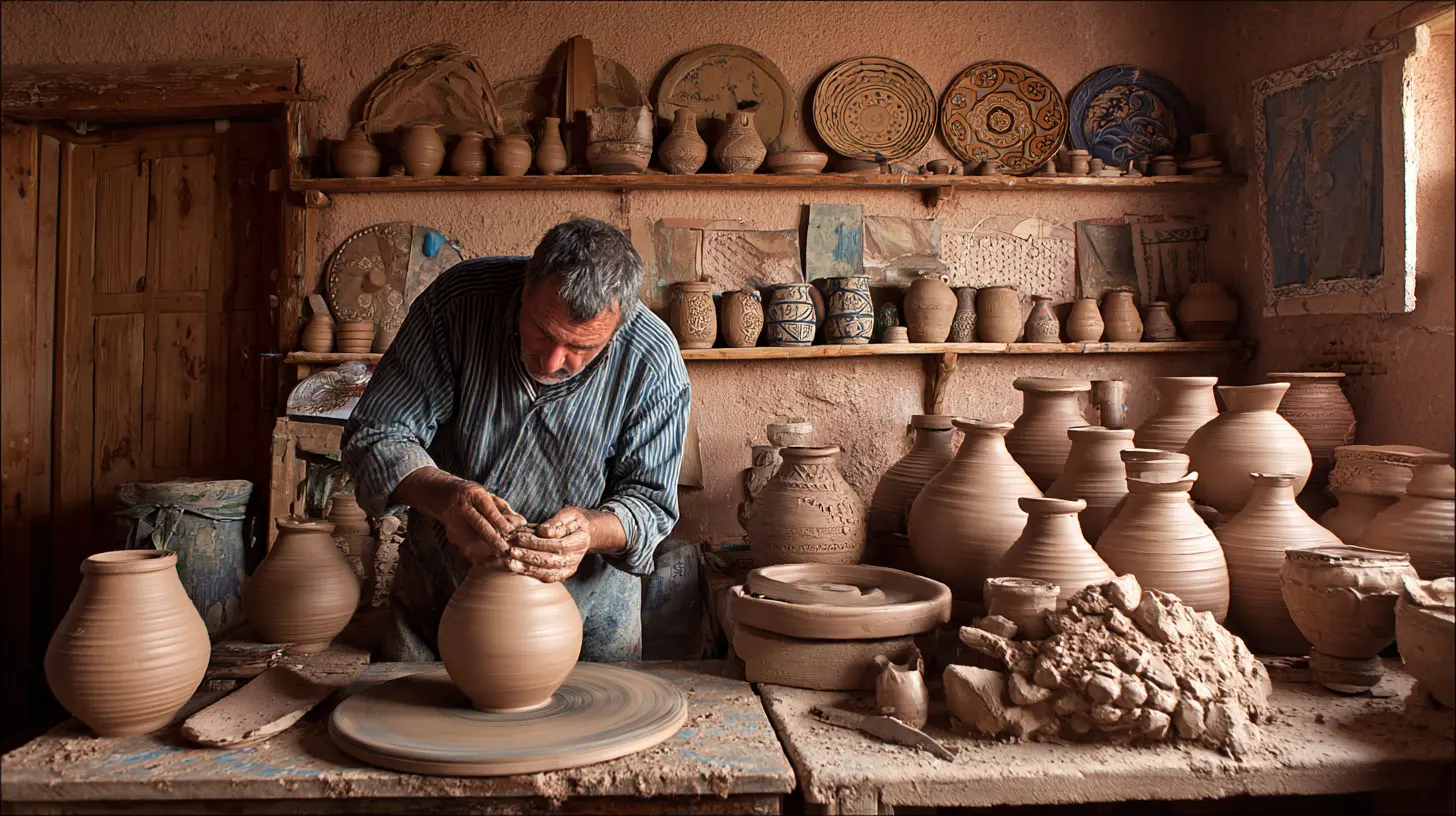
Pottery is one of the oldest human crafts, dating back nearly 10,000 years. Archaeologists have discovered pottery shards from prehistoric times, proving that our ancestors relied on clay to make storage containers, cooking pots, and even ceremonial objects.The beauty of pottery lies in its simplicity: earth, water, and fire—the three fundamental elements—come together to form something both functional and artistic. Different regions developed unique techniques, styles, and purposes for their pottery, reflecting the customs, beliefs, and needs of their people.
Now, let’s take a look at some of the most fascinating pottery traditions from around the world. 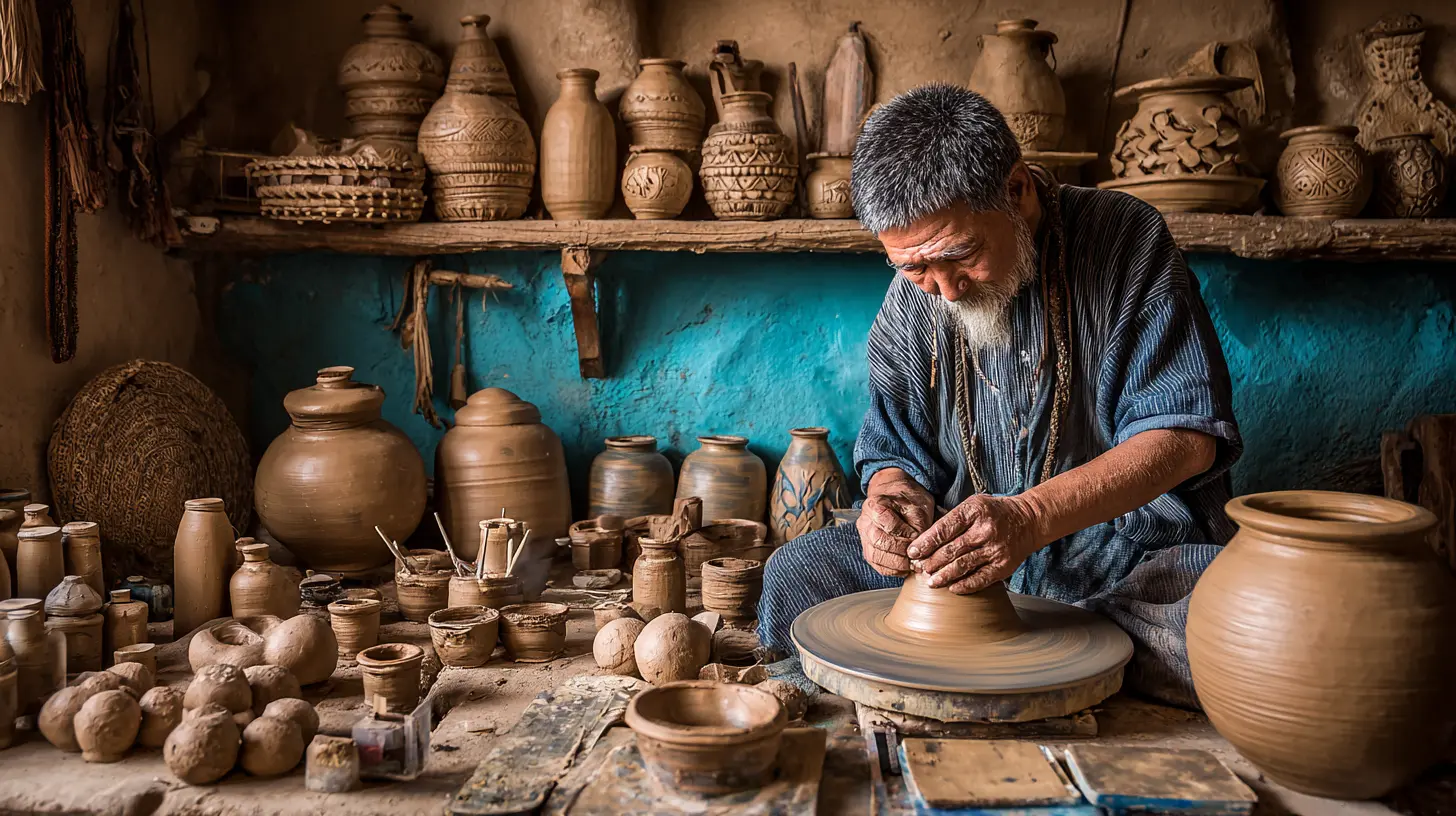
Japanese Raku Pottery: Imperfect Perfection
In Japan, pottery is more than just an art form—it’s a philosophy. The Japanese embrace the concept of wabi-sabi, which finds beauty in imperfection. This philosophy is evident in raku pottery, a technique that dates back to the 16th century.Raku pottery is hand-molded rather than thrown on a wheel, giving each piece a unique, organic shape. After firing, the pottery is rapidly cooled, which creates stunning cracks and unpredictable glaze patterns. No two raku pots are alike, and that’s precisely the charm.
It’s commonly used in traditional Japanese tea ceremonies, where the simplicity of the cup carries deep meaning. It's a reminder that beauty isn’t about perfection—it’s about authenticity. 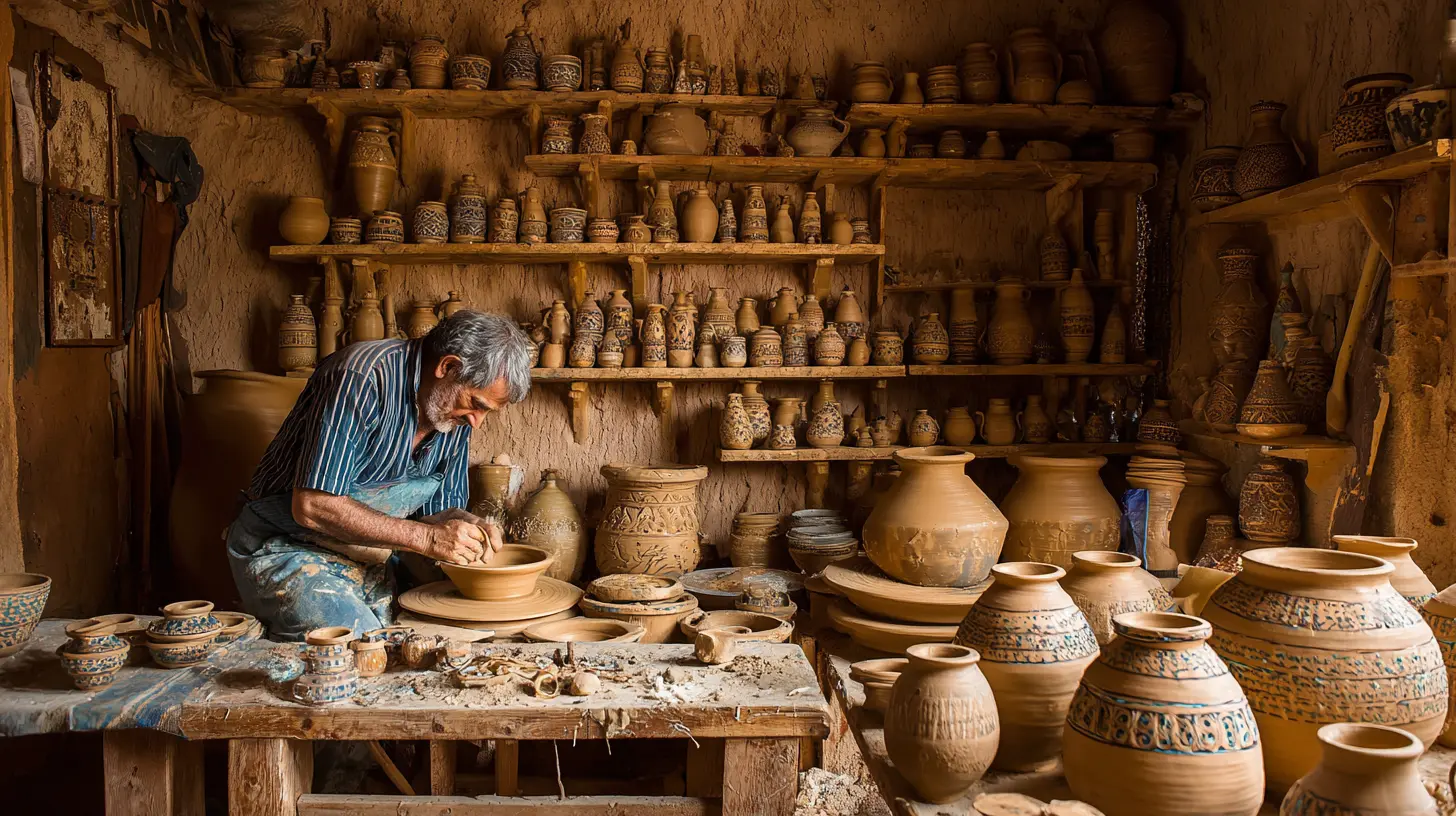
Chinese Porcelain: The White Gold
When we think of fine pottery, Chinese porcelain often comes to mind. This delicate yet durable ceramic, often referred to as "white gold," has been a prized possession for centuries.The Chinese mastered the art of porcelain production during the Tang Dynasty (7th–10th century), but it was during the Ming Dynasty (14th–17th century) that beautifully painted blue-and-white porcelain became world-famous.
Porcelain required a special kind of clay called kaolin, along with extremely high firing temperatures. The result? Thin, translucent, and exquisitely decorated pieces that were exported across the world. Even today, porcelain remains synonymous with elegance and refinement. 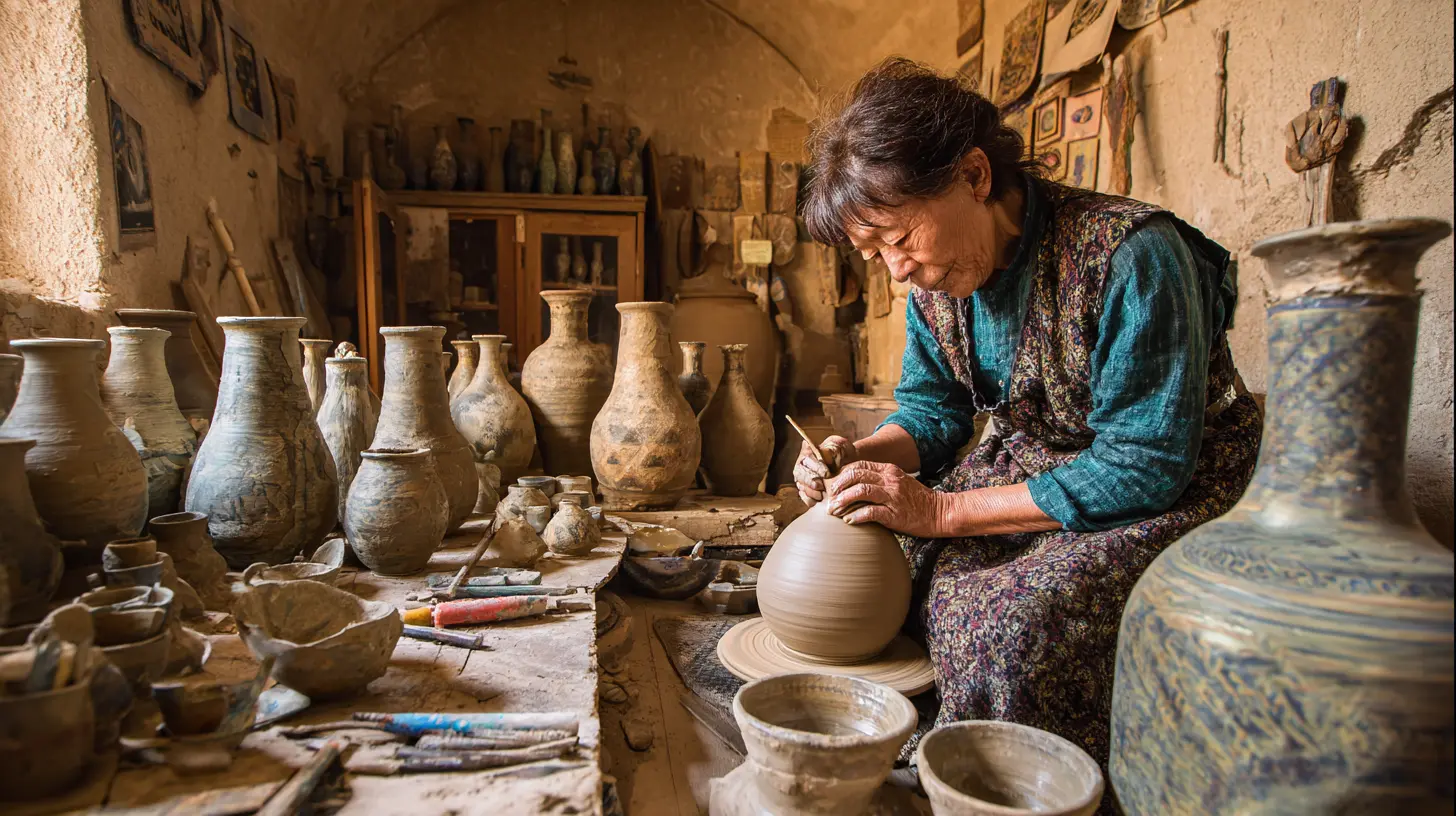
Mexican Talavera Pottery: A Colorful Heritage
If you’ve ever walked through a Mexican market, you’ve probably seen brightly painted plates, bowls, and tiles—this is Talavera pottery. This tradition originated in Spain but found its true home in Mexico.Authentic Talavera pottery is made in Puebla and follows strict guidelines, ensuring quality and authenticity. Artisans hand-paint each piece with intricate designs, using vibrant blues, yellows, and greens. The process is meticulous, requiring multiple layers of glazing and firing.
Each piece reflects Mexico’s rich cultural blend—Spanish, Indigenous, and Moorish influences all come together in this dazzling display of craftsmanship. Whether it’s used for decoration or dining, Talavera pottery is an explosion of color and tradition.
Native American Pottery: A Spiritual Craft
For many Native American tribes, pottery isn’t just about function—it’s deeply spiritual. Tribes like the Hopi, Pueblo, and Navajo have been making pottery for centuries, passing down techniques and designs from generation to generation.Their pottery is typically made using a coiling method rather than a potter’s wheel. The clay is shaped by hand, smoothed, and then painted with natural pigments. Traditional designs often feature symbols representing nature, deities, and ancestral stories.
Firing is done in open pits, using wood or dung as fuel, which gives the pots their distinctive earthy tones. Owning a piece of Native American pottery is like holding a piece of history, culture, and spirituality all in one.
African Pottery: Handcrafted Legacy
Africa has one of the longest-standing pottery traditions in the world, with techniques that have remained largely unchanged for centuries. Unlike the wheel-based techniques used in Asia and Europe, African pottery is often handmade using the coil and pinch method.Women in many African communities have historically been the primary potters, crafting everything from cooking pots to ceremonial vessels. Their pottery is often unglazed, relying on burnishing and natural firing methods to create different textures and finishes.
One of the most famous African pottery traditions comes from Nigeria’s Nok culture, dating back over 2,500 years. These terracotta figures and pots showcase incredible artistry and storytelling, proving that pottery in Africa has always been more than just utilitarian—it’s a form of expression.
Greek and Roman Pottery: Stories in Clay
If you’ve ever seen ancient Greek and Roman pottery, you know it’s more than just a container—it’s a canvas for storytelling. Greek black-figure and red-figure pottery featured mythological tales, battles, and daily life, painted with meticulous detail.Romans took inspiration from the Greeks but added their own innovations, like terra sigillata, a glossy red pottery that became widely popular. These pots were mass-produced, showing that even in ancient times, pottery was both an art and an industry.
From amphorae to drinking cups, Greek and Roman pottery pieces are windows into their civilizations, revealing not only their artistic skills but also their way of life.
Modern Pottery: Keeping Tradition Alive
Despite the rise of industrial production, pottery has never lost its touch. In today’s world, artisans and enthusiasts continue to keep these traditions alive. Handmade pottery is thriving, with many people seeking unique, handcrafted items over factory-made alternatives.From small family-run workshops in Italy to independent ceramic artists in the United States, pottery remains an art that bridges the past and present. Whether it’s the therapeutic act of shaping clay or the satisfaction of holding a warm mug made by human hands, pottery offers something that no machine can replicate—soul.
Why Pottery Still Matters Today
In a world dominated by mass production and disposable goods, pottery stands as a testament to patience, craftsmanship, and cultural identity. Every handmade pot, bowl, or vase carries the mark of its maker, telling a story of tradition and human touch.Pottery isn't just about clay—it's about connection. It connects us to history, to culture, and to each other. Whether it’s a Japanese tea cup, a Mexican Talavera plate, or a Native American vessel, pottery reminds us that beauty isn’t found in perfection—it’s found in the hands that create.
So, the next time you sip from a handmade mug or admire an ancient ceramic, take a moment to appreciate the journey of clay. Because in the end, pottery isn’t just about shaping earth—it’s about shaping culture, history, and the stories we share.
all images in this post were generated using AI tools
Category:
Cultural ExperiencesAuthor:

Tracie McAdams