How Dance Defines a Culture: A Global Rhythm
23 May 2026
Dance isn't just movement—it's storytelling, tradition, and identity wrapped in rhythm. Every culture on Earth has its own way of expressing itself through dance. From the fiery passion of flamenco in Spain to the graceful poise of ballet in France, dance connects people to their history, beliefs, and emotions. It’s a universal language that speaks to the soul, transcending borders and generations.
So, what makes dance such a powerful embodiment of culture? Let’s dive into this fascinating global rhythm and uncover how dance defines who we are. 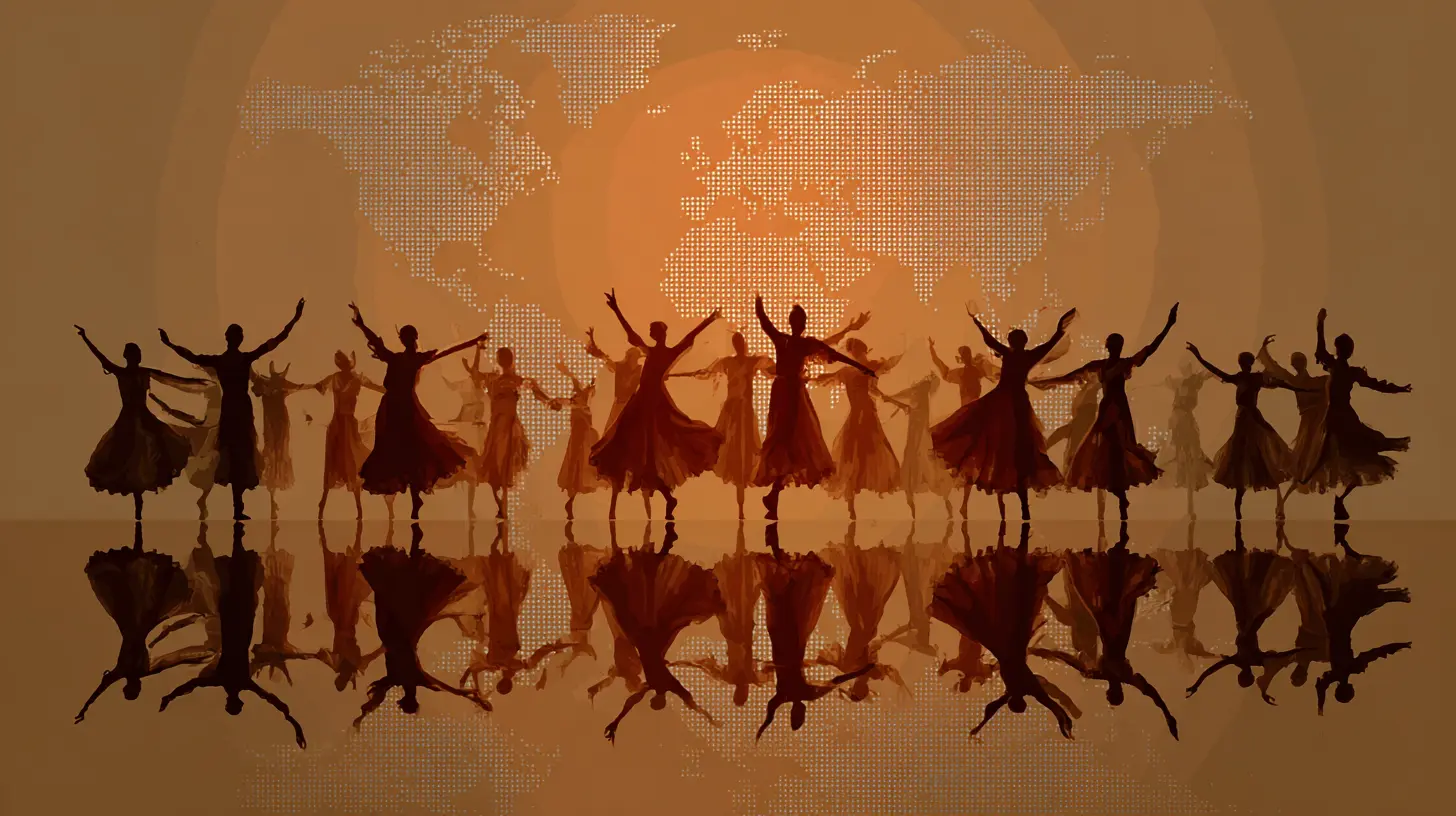
The Universal Language of Dance
You don’t need to speak a word of a foreign language to understand the emotions behind a dance performance. Joy, sorrow, love, anger—each movement tells a story that words sometimes fail to express.Think about it: ever found yourself tapping your foot to a beat without realizing it? That’s the magic of rhythm! It’s deeply ingrained in us, no matter where we’re from. Dance is the heartbeat of culture, connecting individuals through shared gestures and steps. 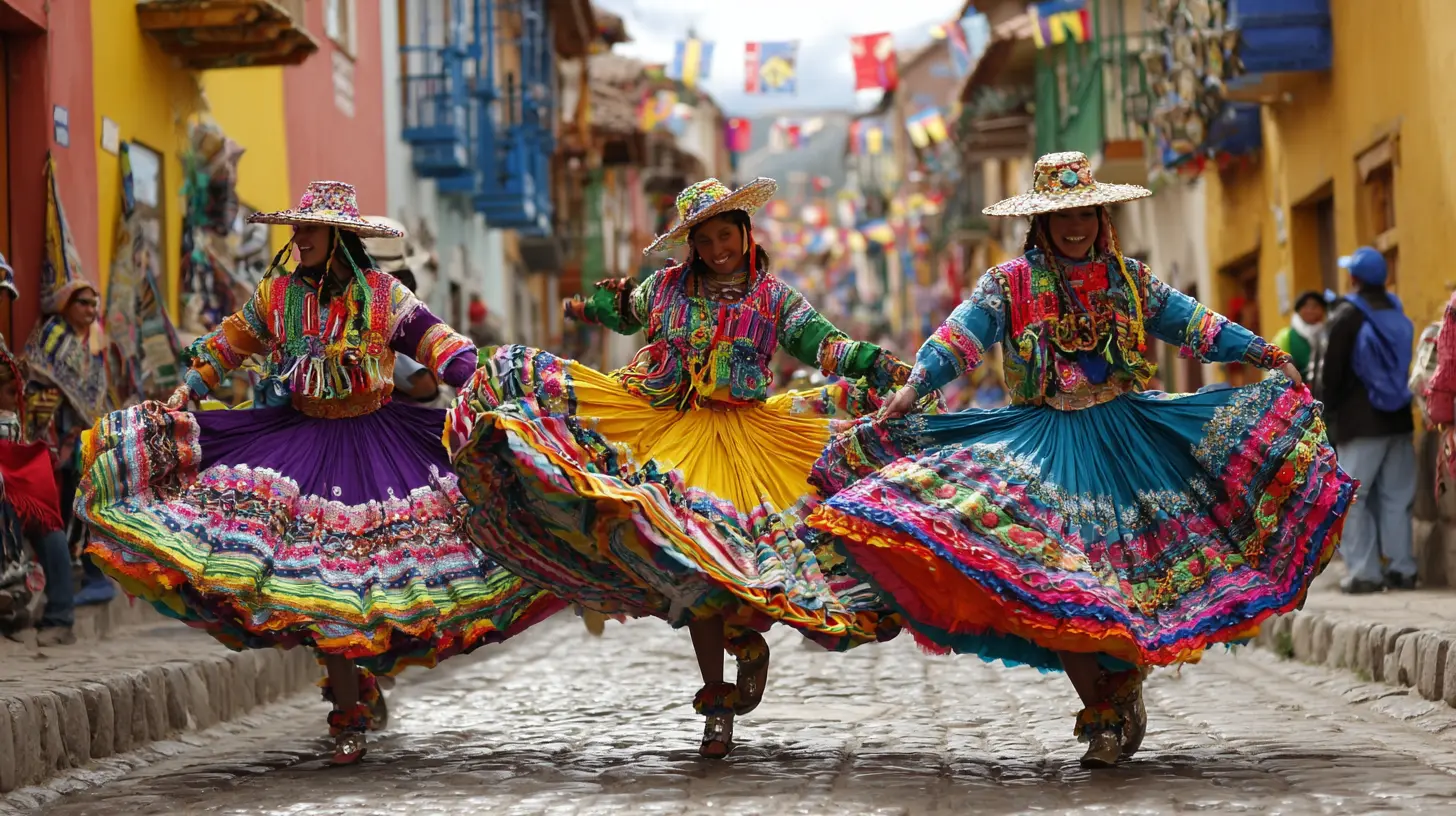
Dance as a Reflection of Cultural Identity
Each culture has its own distinct dance styles, shaped by history, geography, and traditions. These dances aren’t just art forms; they’re symbols of national pride and communal unity.Take India, for instance. Classical dance forms like Bharatanatyam and Kathak are deeply tied to mythology and spirituality. The hand gestures (mudras) and facial expressions (bhavas) carry profound meanings, telling ancient stories through movement.
Meanwhile, in Hawaii, hula isn’t just a dance—it’s a sacred ritual. The swaying hips and hand movements narrate tales of nature, gods, and ancestors. Every step is a tribute to the islands’ rich heritage.
Dance is a mirror of society, reflecting values, beliefs, and the collective history of a people. 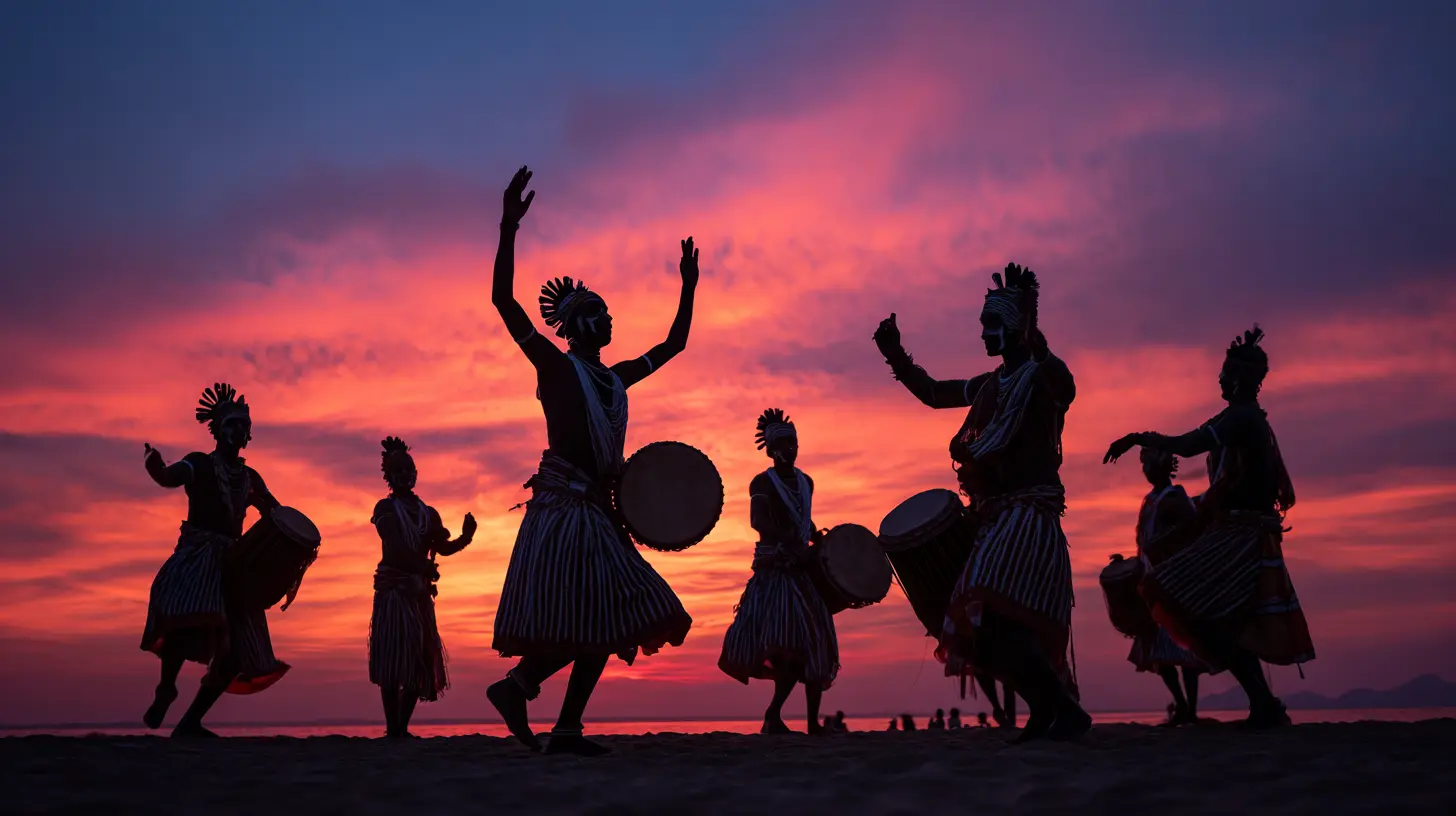
Traditional Dances Around the World
Let’s take a journey across the globe and explore how different cultures use dance to define their identity.1. Flamenco – Spain
Flamenco is pure passion, expressed through bold foot-stomping, intricate hand claps, and powerful guitar rhythms. Rooted in the Andalusian region of Spain, this dance is a fusion of Romani, Moorish, and Spanish influences. Each movement in flamenco is deeply emotional, capturing themes of love, heartbreak, and resilience.2. Samba – Brazil
Lively, energetic, and full of life—samba is the soul of Brazil, especially during the famous Rio Carnival. Born from African influences, samba brings communities together in an explosion of color and rhythm. The infectious beats make it nearly impossible to stay still!3. Ballet – France & Russia
Elegance, discipline, and storytelling come together in ballet. Though it originated in Italy, it flourished in France and later evolved in Russia. Ballet is characterized by its precise movements and delicate grace, often telling fairytales or epic love stories.4. Dragon Dance – China
The Chinese Dragon Dance is a symbol of luck and prosperity, often performed during Lunar New Year celebrations. A team of dancers moves in perfect harmony to bring a massive dragon puppet to life, mimicking its movements in a mesmerizing display of unity and strength.5. African Tribal Dances
In many African cultures, dance is a way of life. From the high-energy jumping of the Maasai warriors to the hypnotic drum-driven movements of West African tribal dances, each performance has cultural and spiritual significance. Dances celebrate births, weddings, harvests, and even communicate with ancestors.6. Irish Step Dance – Ireland
Ever seen Riverdance? That’s Irish step dancing at its best! Featuring rapid footwork while keeping the upper body still, this dance reflects centuries of Celtic tradition. It’s a breathtaking mix of precision, rhythm, and storytelling.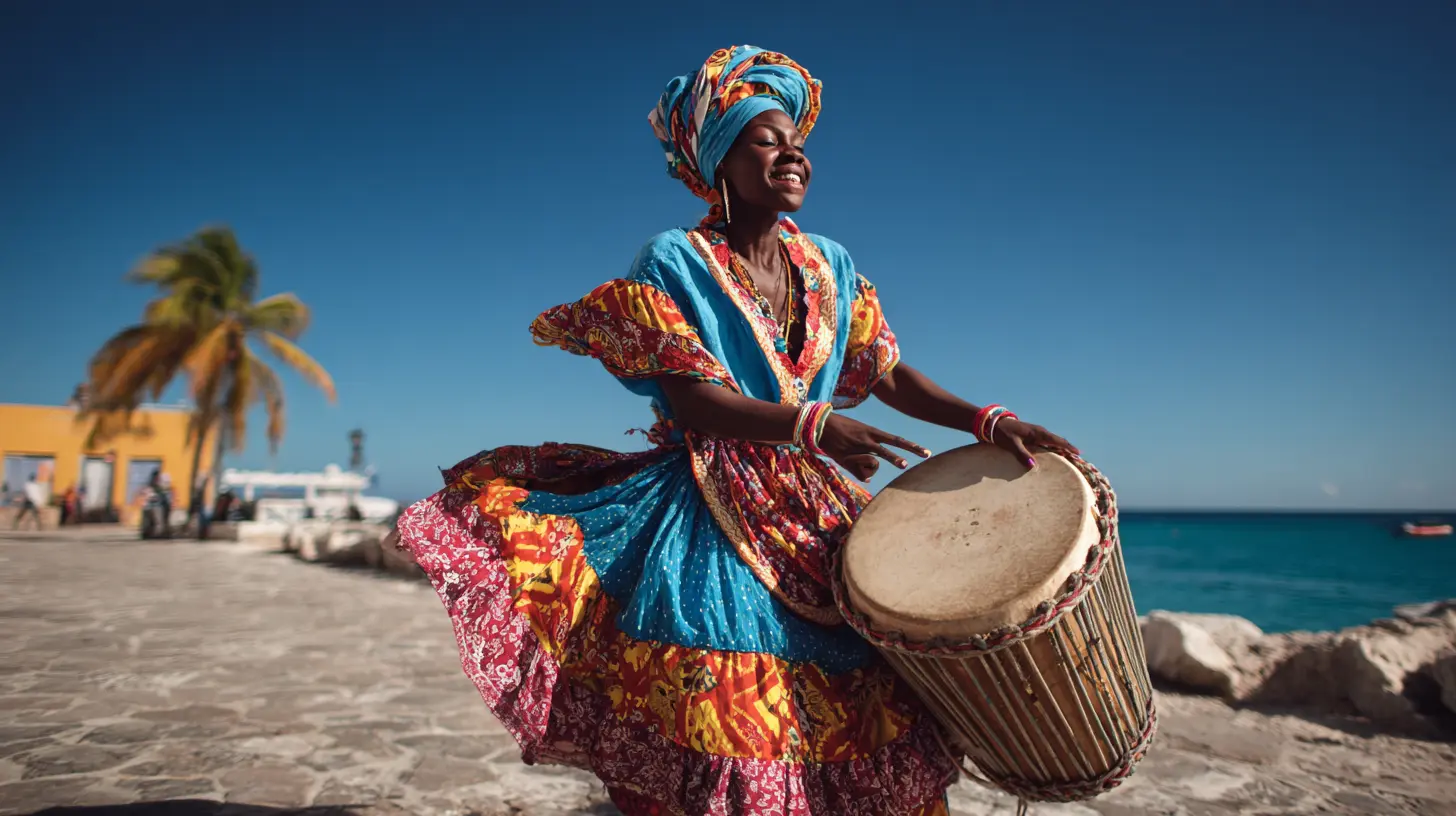
The Role of Dance in Rituals and Celebrations
Dances are more than just performances; they play vital roles in rituals and celebrations. Many traditional dances are performed during:- Religious ceremonies – Like the Whirling Dervishes of Turkey, where spiritual seekers spin in meditative devotion.
- Weddings – From the Dabke in the Middle East to the Hora in Jewish culture, dance is a staple at weddings, symbolizing joy and unity.
- Harvest festivals – Many cultures have dances thanking the earth for its bounty, such as the Native American rain dances.
- Coming-of-age ceremonies – In various societies, dance marks important life transitions, showcasing strength, beauty, and skill.
Dance is a way to honor the past, celebrate the present, and prepare for the future.
The Impact of Globalization on Cultural Dance
With social media and global connectivity, traditional dances are now reaching audiences worldwide. While this exposure is fantastic, it also raises concerns about cultural appropriation and the loss of authenticity.For example, dances like belly dancing or hip-hop have been adopted across cultures, sometimes without proper understanding of their roots. The challenge is to appreciate and respect these art forms rather than dilute them for entertainment.
On the bright side, globalization has also helped preserve endangered dance forms. Many traditional dances, once at risk of fading away, are now taught in dance schools worldwide, keeping cultural heritage alive.
Why Dance Is More Than Just Movement
At its core, dance is an expression of what it means to be human. It brings people together across languages, religions, and backgrounds. Whether it’s a simple folk dance in a small village or a grand performance on an international stage, dance carries the essence of culture forward.It teaches history without books, tells stories without words, and connects souls without barriers. So next time you see a dance from another culture, take a moment to appreciate the history, emotions, and traditions woven into every step.
Because in the end, dance is not just movement—it’s the heartbeat of a culture.
Final Thoughts
Dance has defined cultures for centuries, shaping identities and keeping traditions alive. Whether it's a rhythmic tribal dance passed down through generations or a modern fusion style taking the world by storm, dance continues to be a powerful form of expression.So, what does dance mean to you? Maybe it’s a way to connect with your roots, celebrate life, or simply let loose. Whatever the reason, one thing is certain: dance will always be a universal rhythm that unites us all.
all images in this post were generated using AI tools
Category:
Cultural ExperiencesAuthor:
Tracie McAdams
Discussion
rate this article
1 comments
Nico Fisher
This article beautifully illustrates how dance transcends boundaries and reflects the essence of diverse cultures. The insights on global rhythms and their significance are both inspiring and thought-provoking. It's a reminder of the unifying power of dance in our world.
June 16, 2026 at 2:33 PM
Tracie McAdams
Thank you for your thoughtful comment! I'm glad the article resonated with you and highlighted dance's power to connect us all.