The Impact of Virtual Meetings on Business Travel Trends
2 April 2026
Let’s be real—business travel just doesn’t look like it used to. The days of airport lounges, coffee-fueled hotel conferences, and endless taxi receipts have been replaced by something a bit more... digital. Ever since virtual meetings took center stage, the entire landscape of business travel has shifted.
But is Zoom really replacing the handshake? Are businesses done with flights and face-to-face negotiations? Or is this just a temporary pivot? In this article, we’ll dig deep into how virtual meetings are shaking up the world of business travel, what’s changing, and what it means for the tourism industry.
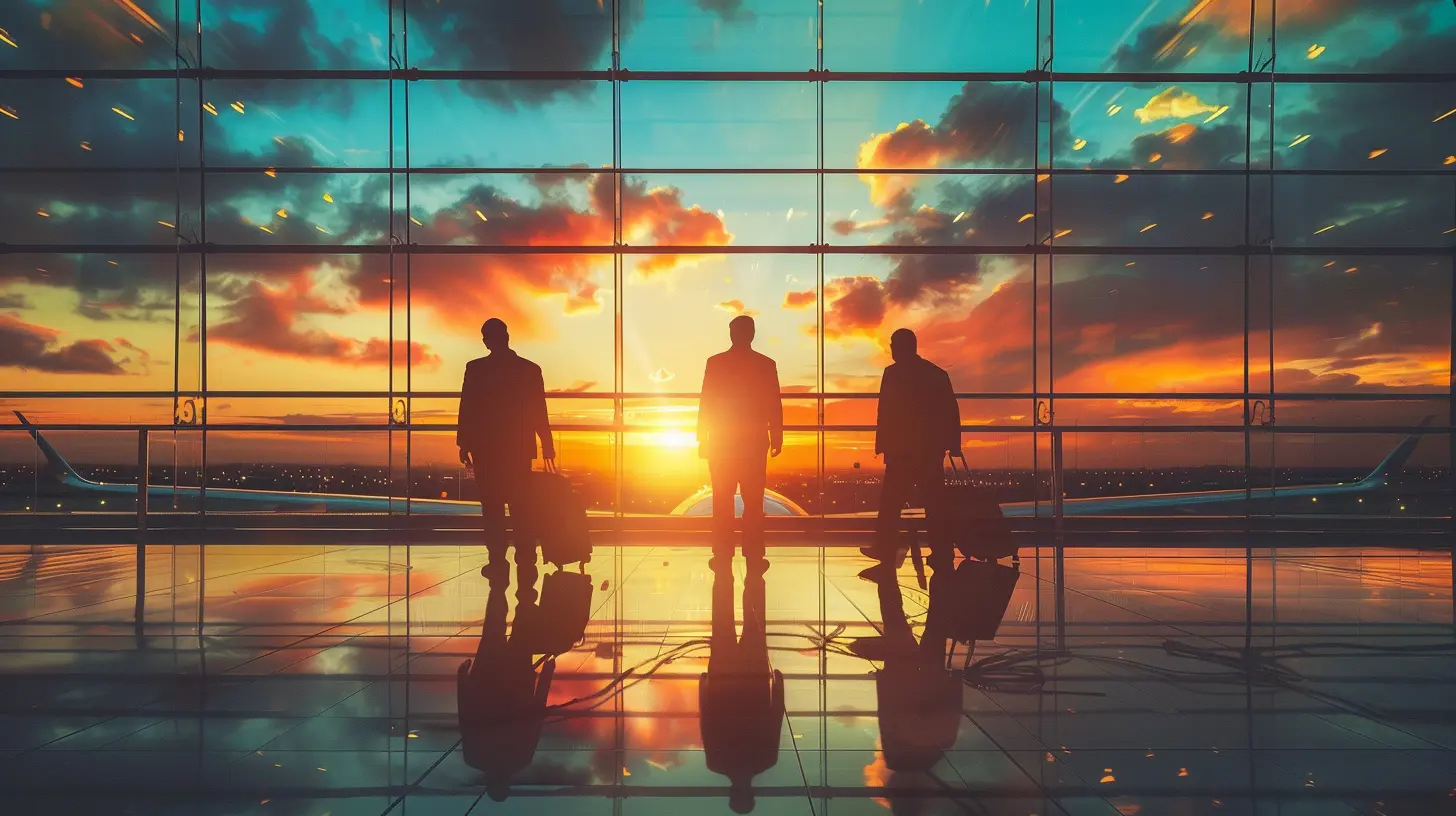
How Did We Get Here?
Business travel used to be a rite of passage. Closing deals over dinner in Tokyo, flying out for quarterly reviews, or spending days jetting from one conference to another—it was all part of the job. Then came 2020. You know what happened. The world hit pause. And out of necessity, virtual meetings became the new normal.At first, it felt weird. A bit awkward. We fumbled with mics, blamed Wi-Fi for every hiccup, and missed in-person energy. But over time, businesses realized something important: virtual meetings worked. In fact, in many cases, they worked really well.

The Rise of Virtual Meeting Platforms
Think about how fast companies adapted. Platforms like Zoom, Microsoft Teams, Google Meet, and Webex weren’t just downloaded—they became essential. Whether it was a one-on-one meeting or a large-scale webinar, the tech world delivered.- Zoom saw a mind-blowing surge—from 10 million daily meeting participants in December 2019 to over 300 million by April 2020.
- Microsoft Teams integrated chat, calls, video, and document sharing to create a fully digital workspace.
- Google Meet stepped up its game and removed limitations for users around the world.
These platforms made it easier than ever to connect with colleagues, partners, and clients. No more jet lag. No more boarding gates. Just log in and go.

Why Virtual Meetings Are So Enticing
Let’s break it down—why would a company choose a virtual meeting over business travel?1. Cost Savings
Business travel ain’t cheap. Flights, hotels, meals, taxis—it all adds up. Virtual meetings, on the other hand? They cost next to nothing. You just need a laptop, an internet connection, and maybe a decent headset.For companies looking to cut costs without sacrificing communication, that’s a win-win situation.
2. Time Efficiency
Time is money. A two-hour client meeting used to mean a full two-day trip. Now? You can hop on a call, cover everything, and still have your afternoon free. No flights. No time zones. Just more productive hours in the day.3. Environmental Consciousness
With sustainability becoming a growing concern, companies are rethinking their carbon footprint. Air travel is one of the highest contributors to CO₂ emissions. Virtual meetings help companies meet their ESG goals without compromising on collaboration.4. Work-Life Balance
Let’s not forget the humans behind the suits. Business travelers often deal with stress, family separation, and fatigue. Virtual meetings allow professionals to maintain better work-life balance—especially important in a post-pandemic world that values mental health more than ever.
What's Happening To Business Travel Now?
Now that we've sung the praises of virtual meetings, you might be wondering—what's left for traditional business travel?Is it dying out completely?
Not quite. But it’s definitely evolving.
1. A Decline in Routine Travel
Previously, travel for internal meetings, check-ins, and annual reviews was standard. Now, these are typically handled virtually. That’s a whole chunk of travel that’s just... gone.2. Shift Toward High-Value Travel
Business travel isn't vanishing—it's becoming more strategic. Companies are saving travel budgets for moments that truly matter:- Securing major deals
- Attending industry-defining conferences
- Establishing new partnerships
- Building key client relationships
In other words, business travel is no longer the default—it has to earn its ROI.
3. Blended or "Bleisure" Travel Is on the Rise
Here’s where it gets interesting. With remote work becoming the norm, more professionals are blending business trips with leisure. That’s right—hello “bleisure” trips.Work a few days, then stay the weekend to unwind. It’s a trend that’s breathing new life into tourism as hotels and destinations pivot to cater to remote workers and extended stays.
What This Means for the Tourism Industry
So, let’s bring it back to the tourism sector. What does this shift in business travel mean for airlines, hotels, and local economies?1. Reduced Revenue from Corporate Travelers
Business travelers have always been high-yield customers. They flew business class, booked premium hotels, and didn’t bat an eye at room service charges. With fewer of them traveling, tourism businesses are seeing an impact on their bottom lines.2. Repositioning and Diversification
Hotels and airlines are getting creative. Many are pivoting toward the remote worker demographic—offering:- Day passes to hotel co-working spaces
- Packages for long-term stays
- Reliable high-speed internet
- Quiet rooms for video calls
Tourism boards are also stepping in, creating digital nomad visas and promoting destinations as remote-working hubs.
3. Smarter Travel Policies
Corporations are updating their travel policies to reflect the new normal. Travel approvals are tighter, travel needs stronger justification, and virtual-first options are always considered. That means fewer bookings—but smarter ones.
The Future of Business Travel: Virtual or Physical?
It’s not an either-or situation. The future is hybrid.Virtual meetings have proven they can handle most day-to-day communication. But when it comes to building trust, cementing deal terms, or brainstorming next-level ideas—sometimes, nothing beats being in the room.
Face-to-face meetings have value that’s hard to replicate:
- Body language and non-verbal cues
- Networking serendipity (think dinner conversations that spark ideas)
- Deeper relationship building
That’s why the future of business travel isn’t extinction—it’s transformation. We’re heading into a world where travel is more intentional, more considered, and more impactful.
Tips for Tourism Businesses to Adapt
If you're in the tourism game, don’t panic—pivot. Here’s how:1. Target Remote Workers
Design packages that cater to professionals looking for extended stays. Market high-speed Wi-Fi, quiet zones, and wellness amenities.2. Promote Bleisure Opportunities
Highlight the leisure activities available before or after business meetings. Create content that appeals to the "work hard, relax harder" crowd.3. Collaborate with Co-Working Brands
Why not turn a section of your hotel into a mini WeWork? Offering flexible workspaces can attract the wave of remote professionals.4. Offer Customized Business Services
From conference-ready rooms to professional-grade meeting setups, business travelers still need top performance. Make sure you're the place they can rely on for smooth operations.
Final Thoughts
Virtual meetings have undoubtedly changed the face of business travel, but they haven’t completely replaced it. Instead, they’ve forced us to rethink when and why we travel.The future is about balance. Digital meetings will dominate routine interactions, while physical meetings will be reserved for mission-critical moments. For the tourism industry, this is a wake-up call—a moment to innovate, adapt, and turn challenge into opportunity.
So if you’re in the travel world, ask yourself: how can you play a key role in the next chapter of business travel?
Because one thing’s for sure—it’s never going to be business as usual again.
all images in this post were generated using AI tools
Category:
Business TravelAuthor:

Tracie McAdams
Discussion
rate this article
2 comments
Claire Dillon
Thank you for this insightful article! It's fascinating to see how virtual meetings are reshaping business travel trends. Your analysis offers valuable perspectives for professionals navigating this evolving landscape. Looking forward to more discussions!
April 10, 2026 at 3:03 PM
Tracie McAdams
Thank you for your kind words! I'm glad you found the article insightful. I'm looking forward to more discussions as we continue exploring this evolving landscape together!
Linnea McGuire
Great insights! Virtual meetings are reshaping business travel, making it essential to adapt to new trends.
April 3, 2026 at 4:54 PM
Tracie McAdams
Thank you! I'm glad you found the insights valuable. Adapting to these trends is key for the future of business travel.