Step Back in Time: UNESCO’s Most Enigmatic Heritage Sites
24 December 2025
Ever felt the urge to time travel? To walk ancient paths, touch walls that have stood for millennia, and imagine the lives of those who came long before us? No time machine needed—UNESCO World Heritage Sites offer that very experience. These places are more than just pretty backdrops for vacation selfies; they’re portals to forgotten empires, mystical traditions, and mind-blowing ingenuity. So, grab your metaphorical passport—we're diving into some of the most mysterious, awe-inspiring heritage sites on the planet.
What Makes a Site “Enigmatic”?
Let’s be real—UNESCO has over a thousand World Heritage Sites, but not all of them call out with the same ghostly whisper of the past. An "enigmatic" site isn't just old. It's puzzling. It’s the kind of place that makes historians scratch their heads and archaeologists lose sleep. Think baffling architecture, unsolved mysteries, and cultural legacies that defy easy explanation.So, ready to step into the shadows of history and unravel a few ancient riddles?
1. Göbekli Tepe, Turkey – The World’s Oldest Temple?
Believe it or not, this dusty mound in Southeastern Turkey could rewrite history books. Göbekli Tepe predates Stonehenge by 6,000 years. That’s older than the wheel, writing, and even agriculture!Carved T-shaped pillars in circular formations, strange animals etched in stone… But here’s the kicker—there’s no sign people actually lived here. No homes, no tools. Just ceremonial structures. So, who built it? And why?
Some theorists argue it was made by nomadic hunter-gatherers with a surprising flair for architecture and spirituality. Others whisper of ancient aliens (yeah, you’ve probably heard that one). Either way, it’s still baffling scientists today.
Fun Fact: Excavations are still ongoing, and archaeologists think only 10% of the site is uncovered. Imagine what else lies beneath?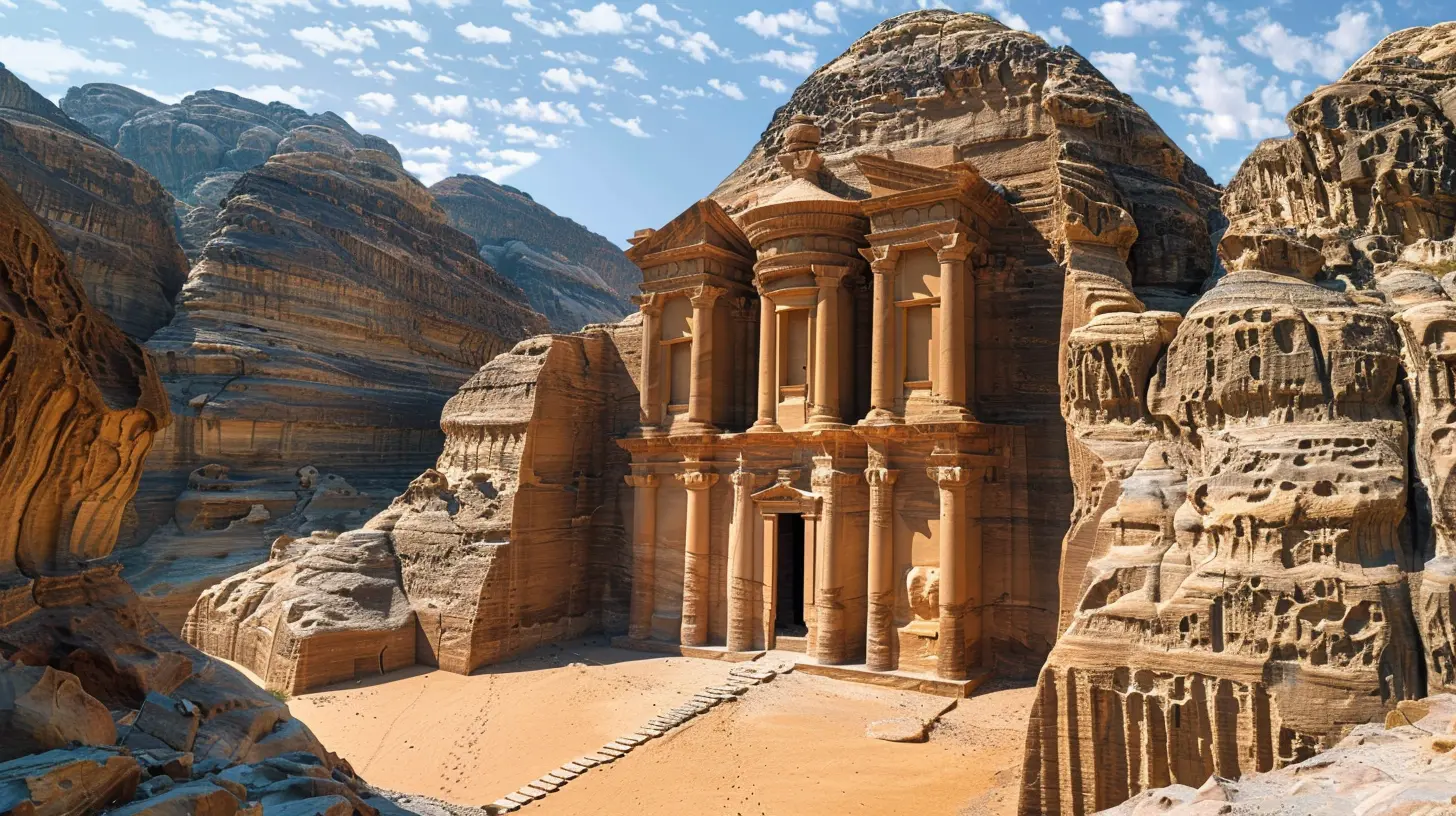
2. Machu Picchu, Peru – Lost City of the Incas
Perched high in the Andes like a crown on a mountaintop, Machu Picchu is Peru’s crown jewel—and a colossal mystery.Why did the Incas abandon it? How did they build it without iron tools or wheels? And why here—on this narrow ridge, shrouded in clouds?
Some believe it was a royal retreat. Others think it had astronomical or religious significance. Whatever its purpose, exploring this site feels like stepping into a silent dream. Every stone seems to carry a secret.
Insider Tip: Go early in the morning. The mist rising over the ruins? Pure magic.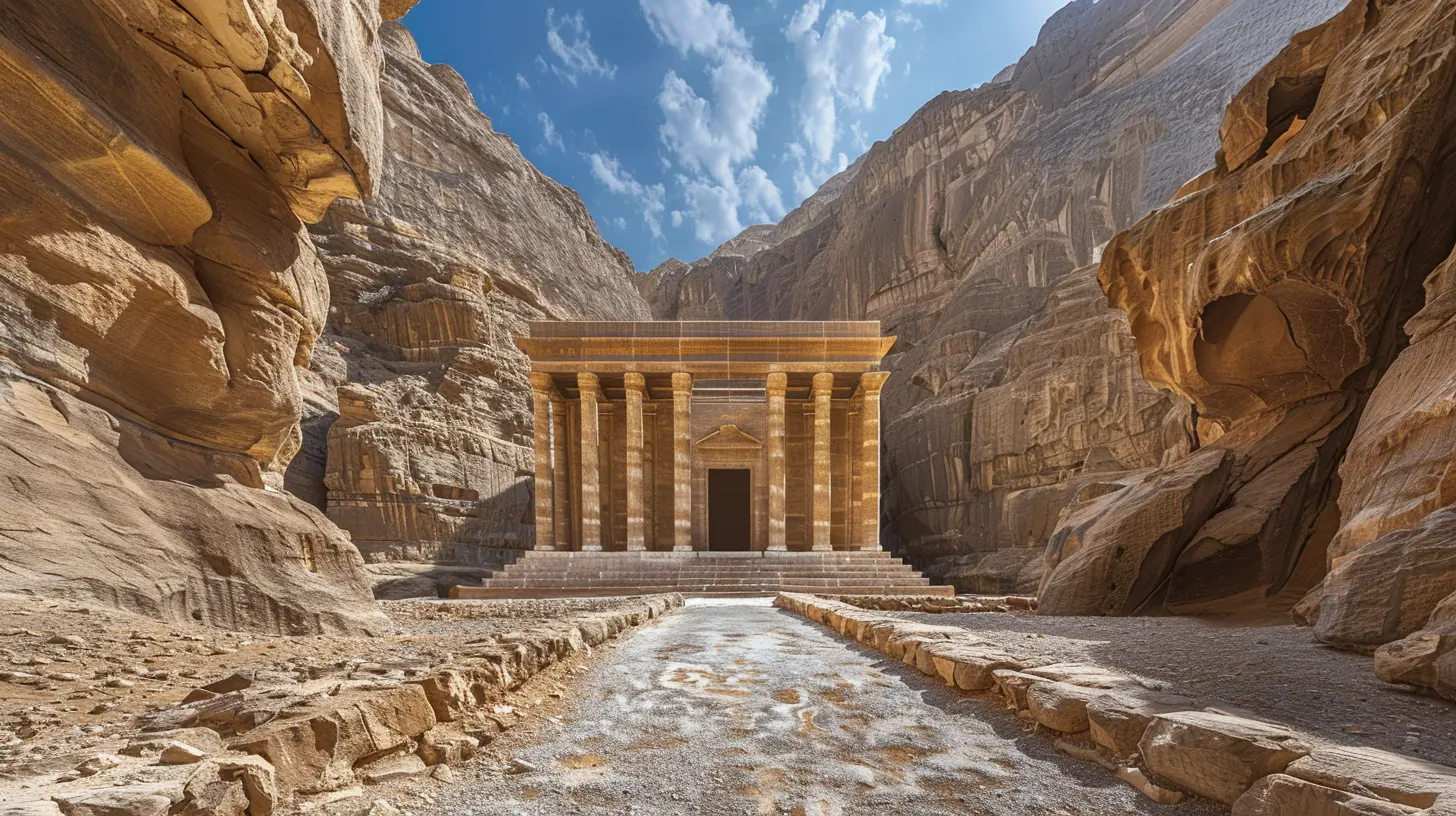
3. Easter Island, Chile – The Moai’s Silent Gaze
Easter Island, or Rapa Nui, is basically a giant jigsaw puzzle baked under the Pacific sun.Its 900+ moai statues—towering heads with stoic expressions—are nothing short of iconic. But how did an isolated island community create and move such massive stone figures centuries ago?
Some theorize they used logs to roll them. Others suggest an ingenious “walking” technique by tilting the statues side to side. What’s even more puzzling? The culture that crafted these marvels all but vanished.
Are the moai protectors? Ancestor gods? We may never know. But standing in their shadow definitely sparks a twinge in your soul.
4. Petra, Jordan – The Rose-Red City Half as Old as Time
Hidden behind a narrow canyon and carved straight into pink sandstone cliffs, Petra looks more like a movie set than a real place. (It’s no wonder it starred in Indiana Jones.)This ancient Nabataean city thrived over 2,000 years ago. With its elaborate tombs, royal buildings, and water systems, Petra wasn’t just picturesque—it was high-tech for its time.
But here’s the riddle: the Nabataeans left behind little written history. It’s like they vanished, leaving their golden metropolis behind.
Don’t Miss: The Treasury at sunrise. It’ll take your breath away—literally and figuratively (that hike is no joke!).
5. Stonehenge, United Kingdom – The World’s Most Famous Mystery
Stonehenge is like that cryptic uncle at a family party—silent, solid, and impossible to figure out. Giant stones arranged in a circle, some weighing over 25 tons, were transported from miles away. But… how?Was it a calendar? A burial site? A Druid temple? Maybe all three?
Scientists have theories, but no consensus. And that elusive mystery is precisely why this windswept circle on the Salisbury Plain keeps drawing people in.
Pro Tip: Visit during the solstices. The stones line up perfectly with the sun. Coincidence? Doubt it.
6. The Great Zimbabwe Ruins – Africa’s Forgotten Capital
Tucked away in southeastern Zimbabwe lies a ruined city that once held over 18,000 people—a place of gold, trade, and power. The massive stone structures were built without mortar. Just rocks stacked with such precision, they’ve stood for centuries.For years, colonial narratives tried to deny Africans built it. But make no mistake—The Shona people were the brilliant minds behind this marvel.
Why was it abandoned? Possibly famine, political shifts, or overpopulation. To this day, researchers are piecing together its story.
Why It’s Enigmatic: The site challenges biased historical narratives and reclaims a proud, complex African legacy.
7. Chavín de Huántar, Peru – Temple of the Oracles
Tucked in the Peruvian highlands, Chavín may not be as famous as Machu Picchu, but it could be even more mystical.Dating back to 900 BCE, this religious center was buzzing with chants, rituals, and possibly psychedelic ceremonies. (Yep, shamans used mind-altering plants to communicate with deities.)
At the heart is the Lanzón—a towering carved stone idol deep in the underground corridors. It’s part feline, part serpent, and 100% haunting.
Creepy Cool: The temple was built with acoustic tricks. Priests could speak, and their voices would echo in eerie ways—good luck sleeping after hearing that.
8. Palenque, Mexico – The Mayan’s Celestial City
Nestled deep in the Chiapas jungle, Palenque is a haunting blend of cityscape and myth.The Mayans left behind inscriptions, temples, and palaces so sophisticated, they make modern cities blush. The Temple of Inscriptions holds the tomb of Pakal the Great—whose lid sparked rumors he was a space traveler. (Google it—it’s a wild theory.)
Decades of excavation haven't even scratched the surface. They say 90% of Palenque is still hidden under the vegetation.
Travel Tip: Hire a local guide. These folks know the myths and hidden symbols that make Palenque feel like a real-life Dan Brown novel.
9. The Banaue Rice Terraces, Philippines – Stairway to Heaven?
Carved into the mountains by the Ifugao people over 2,000 years ago, these terraces could give Machu Picchu a run for its money in terms of "How did they do that?"With no modern tools, the Ifugao sculpted entire hillsides into giant, green steps—an agricultural masterpiece that blends beauty and function.
Every curve, every pattern is intentional. The system still works today. That's resilience.
Mind-Blowing Moment: When the early morning fog rolls in, the terraces look like giant green waves rising above the clouds.
10. Nan Madol, Micronesia – The Venice of the Pacific
Ever heard of Nan Madol? Probably not—and that’s part of the charm.This ancient city was built on a coral reef and consists of over 90 man-made islets connected by canals. It's considered the only ancient city built atop a lagoon.
The basalt stones used to construct it weigh tons. No one knows how they were transported across water and stacked so precisely.
Local legends say it was built with magic. Science doesn’t have a better explanation yet.
Wild Fact: The site is so remote and eerie that it’s called “The Atlantis of the Pacific.” Spooky... and spectacular.
So, Why Visit These Enigmatic Sites?
In a world overflowing with information, it's rare to find true mysteries. These UNESCO sites remind us that some questions are still unanswered—and that's kind of beautiful, isn't it?They seduce us with what they don’t say. As if whispering, “Come closer, figure me out.”
Travel Tips for Visiting UNESCO Heritage Sites
- Do Your Homework: A bit of history goes a long way. It makes the experience way more meaningful.- Go Off-Peak: Fewer crowds = more magic.
- Respect Local Rules: These places aren’t just tourist spots—they’re sacred, historical, or culturally significant places.
- Hire a Guide: Local guides always have the best stories. Period.
- Look Up Before You Book: Some sites are quite remote. Factor in travel time and accessibility.
Final Thoughts: The Past is Closer Than You Think
History isn’t trapped in textbooks. It lives in stones, temples, statues, and ruins scattered across the globe. These enigmatic UNESCO Heritage Sites aren’t just relics—they’re storytellers. And believe it or not, they’ve got a lot to say.So, the next time you’re itching for adventure, don’t look forward. Look back. Because stepping into the mystery of the past might just be the most thrilling journey you’ll ever take.
all images in this post were generated using AI tools
Category:
World Heritage SitesAuthor:

Tracie McAdams
Discussion
rate this article
2 comments
Indie Hayes
This article beautifully highlights UNESCO's most mysterious heritage sites, inviting readers to explore history's hidden gems. Each location offers a unique glimpse into the past, making it a must-read for any passionate traveler or history enthusiast.
January 27, 2026 at 4:45 AM
Tracie McAdams
Thank you for your kind words! I'm thrilled you enjoyed exploring these fascinating sites. Happy travels!
Loretta McClendon
What an intriguing exploration of UNESCO's heritage sites! Each location tells a unique story. I’d love to hear more about the hidden gems that often go unnoticed!
January 6, 2026 at 4:03 PM
Tracie McAdams
Thank you! I'm glad you enjoyed the exploration. I’d love to share more about those hidden gems in future articles—stay tuned!