The Historical Legacy of Argentina's Iguazu Falls
16 January 2026
Iguazu Falls isn't just a waterfall—it's an experience. Straddling the border between Argentina and Brazil, Iguazu is one of the most breathtaking natural wonders on the planet. But beyond its jaw-dropping beauty, the falls hold a deep historical significance. From indigenous legends to European exploration, political battles, and its rise as a UNESCO World Heritage Site, Iguazu Falls has a story to tell. So, let’s take a trip through time and unravel the historical legacy of this magical place. 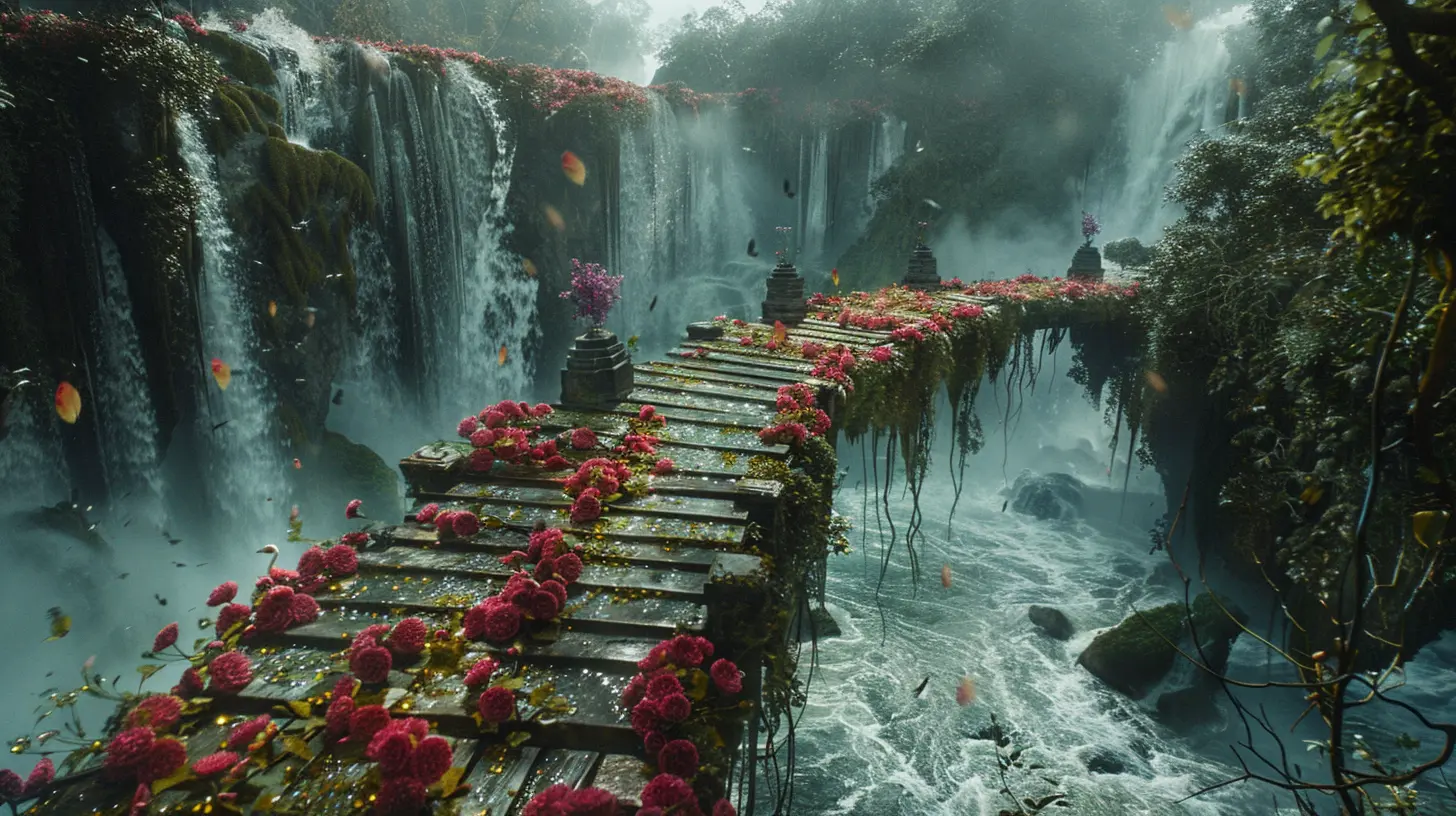
A Sacred Site for the Indigenous Guaraní People
Long before the world knew about Iguazu Falls, the indigenous Guaraní people revered it as a sacred site. According to legend, the falls were created by the wrath of a jealous serpent god, Mboi, who was enraged when a young woman named Naipí fled with her lover, Tarobá. In his fury, Mboi split the river, sending Naipí tumbling down the cascading waters, turning her into the eternal mist of Iguazu. Tarobá, meanwhile, was transformed into a tree, forever watching over her.For centuries, the Guaraní lived near the falls, believing them to be a spiritual gateway. They saw the water as a source of life and held ceremonies honoring nature’s power. Even today, traces of their culture remain in the region, making Iguazu Falls not just a tourist attraction, but a symbol of Argentina’s indigenous heritage. 
The First European Encounter
Fast forward to 1541, when Spanish explorer Álvar Núñez Cabeza de Vaca stumbled upon Iguazu Falls. Imagine his astonishment when he first saw this massive curtain of water crashing down into the Iguazu River! He was one of the first Europeans to document the falls, describing them as "a great wonder."Cabeza de Vaca wasn’t just mesmerized; he also recognized the area's strategic importance. The nearby Paraná and Iguazu rivers were critical trade routes that connected inland South America to the Atlantic, making them valuable for colonial expansion. However, despite their potential, the falls remained largely unknown to the outside world for centuries. 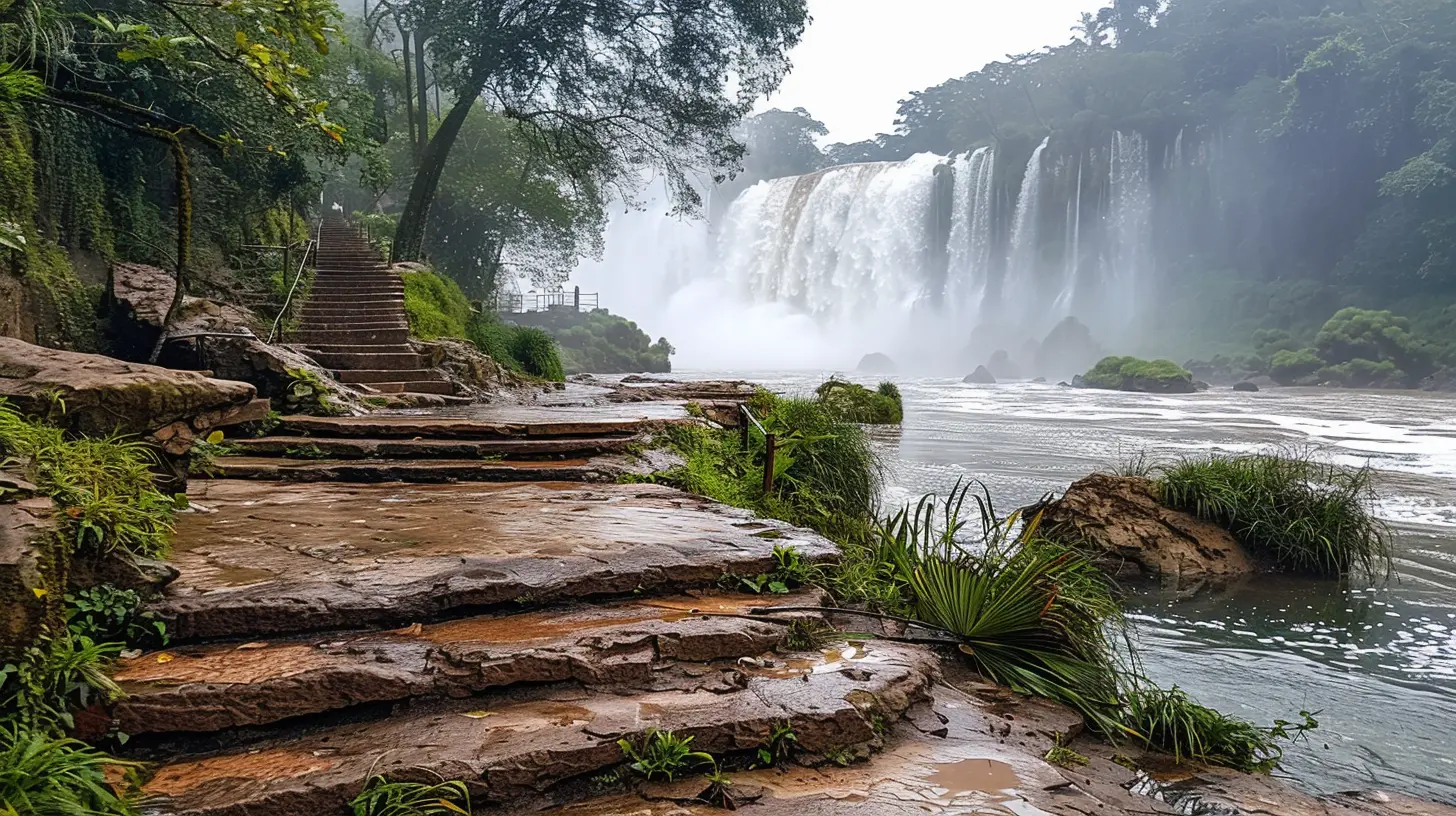
Iguazu Falls and the Jesuit Missions
During the 17th and 18th centuries, Jesuit missionaries arrived in the region, aiming to convert the Guaraní people to Christianity. They built missions in what is now Argentina, Paraguay, and Brazil, bringing European religion, education, and agriculture to the indigenous communities.The Jesuits were remarkably successful, developing self-sustaining settlements where the Guaraní learned new trades while maintaining aspects of their own culture. However, their influence came to an abrupt end in the late 18th century when Spain and Portugal expelled the Jesuits, fearing their growing power. After their departure, many missions fell into decay, but the impact of this era still lingers—many of the Guaraní descendants still inhabit the Iguazu region today. 
The Birth of Iguazu National Park
By the late 19th and early 20th centuries, Argentina was undergoing major transformations. European immigration was booming, and cities like Buenos Aires were rapidly modernizing. During this time, government officials and conservationists began recognizing the need to preserve Argentina’s natural landscapes.In 1934, Iguazu National Park was officially established, protecting the falls and their surrounding rainforest. The Argentine government, inspired by the national park movements in the U.S., decided to safeguard the region’s unique biodiversity while promoting sustainable tourism. This decision would prove to be a game-changer, helping Iguazu Falls gain international recognition.
A UNESCO World Heritage Site
In 1984, UNESCO declared Iguazu National Park a World Heritage Site, further cementing its status as a global treasure. This designation wasn’t just about the falls’ beauty—UNESCO recognized the park’s incredible biodiversity. With over 2,000 plant species and countless animal varieties (including jaguars, toucans, and howler monkeys), Iguazu is one of the richest ecosystems in South America.The UNESCO designation helped boost tourism, but it also came with a responsibility: preservation. Both Argentina and Brazil have since worked hard to balance tourism with conservation, ensuring future generations can experience Iguazu’s magic just as we do today.
Iguazu Falls in Pop Culture and Politics
Over the years, Iguazu has made its way into movies, literature, and even political history. If you’ve seen The Mission (1986), you might remember the dramatic scenes filmed at the falls, showcasing the struggle of the Jesuit missions. The waterfall has also been featured in countless travel documentaries and even inspired Hollywood filmmakers (yes, Indiana Jones fans, we’re talking about you!).Politically, Iguazu has been a meeting point for leaders, symbolizing South America’s natural wealth. In 2012, Iguazu Falls was named one of the New 7 Wonders of Nature, further boosting its international prestige. Today, it remains a key landmark in Argentina’s tourism industry, drawing millions of visitors from all corners of the globe.
A Modern-Day Wonder with a Timeless Legacy
Today, Iguazu Falls is more than just a tourist hotspot—it's a place where history, culture, and nature intertwine. Whether you’re marveling at the mighty Garganta del Diablo (Devil’s Throat) or taking a boat ride beneath the roaring waters, you’re experiencing something that has fascinated humans for centuries.But beyond the mist and the breathtaking views, Iguazu Falls reminds us of the people who have lived here, the battles fought, the explorers who first mapped its waters, and the conservationists who worked to protect it. Every drop of water that plunges over the cliffs carries the weight of history, making Iguazu Falls not only a sight to see but a story to remember.
So, the next time you visit, take a moment to appreciate not just its power but its legacy. After all, Iguazu Falls isn’t just about nature—it’s about the past, present, and future coming together in a spectacular display.
all images in this post were generated using AI tools
Category:
Must See LandmarksAuthor:

Tracie McAdams
Discussion
rate this article
2 comments
Eli McPhail
Iguazu Falls is a breathtaking natural wonder steeped in history. Its beauty and cultural significance make it a must-visit destination in Argentina.
February 6, 2026 at 5:03 PM
Tracie McAdams
Thank you for your comment! I completely agree—Iguazu Falls truly embodies both natural beauty and rich cultural history, making it an unparalleled destination in Argentina.
Evren Jenkins
Incredible insights! Iguazu Falls truly captivates with its rich history and breathtaking beauty.
January 16, 2026 at 4:43 AM
Tracie McAdams
Thank you! I'm glad you enjoyed the article and appreciate the beauty and history of Iguazu Falls.