Ancient Currencies: Barter and Exchange at Cultural Festivals
5 January 2026
Have you ever wondered how people traded before money became a thing? Imagine a world where coins and paper bills didn’t exist—how did people get what they needed? Well, they relied on barter systems, exchanging goods and services without using money.
Fast forward to today, and you’ll find that this ancient trade system is still alive at cultural festivals worldwide. These festivals recreate the essence of old-school exchange, where people swap items, skills, and even experiences just like their ancestors did. Let’s dive into the fascinating world of ancient currencies and how barter systems come to life at cultural festivals. 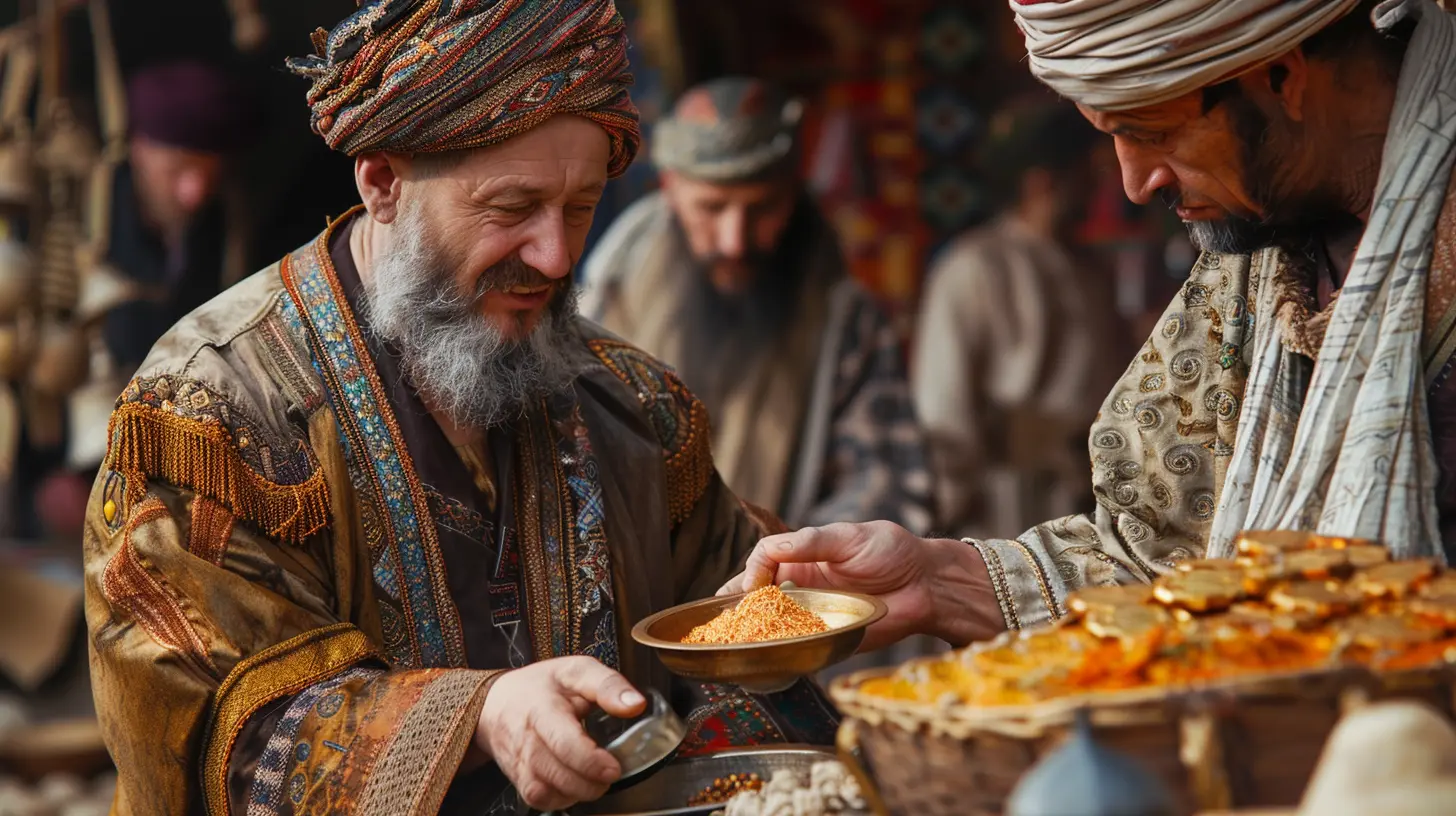
The Roots of Bartering: Trade Before Money
Before wallets were packed with cash or credit cards, people relied on a straightforward system—bartering. Picture this: a farmer has excess wheat but needs milk, and a herder has more milk than they can use but wants wheat. They strike a deal, exchange products, and both walk away happy.This isn’t just a distant memory from the past. Various civilizations, from the Mesopotamians to the Aztecs, used barter as their primary trade method. It wasn’t just about food either—everything from textiles to livestock to salt held value.
Bartering may seem simplistic, but it required serious negotiation skills. Determining the worth of goods without a fixed currency meant people had to haggle and come to an agreement, much like how bargaining works in marketplaces today! 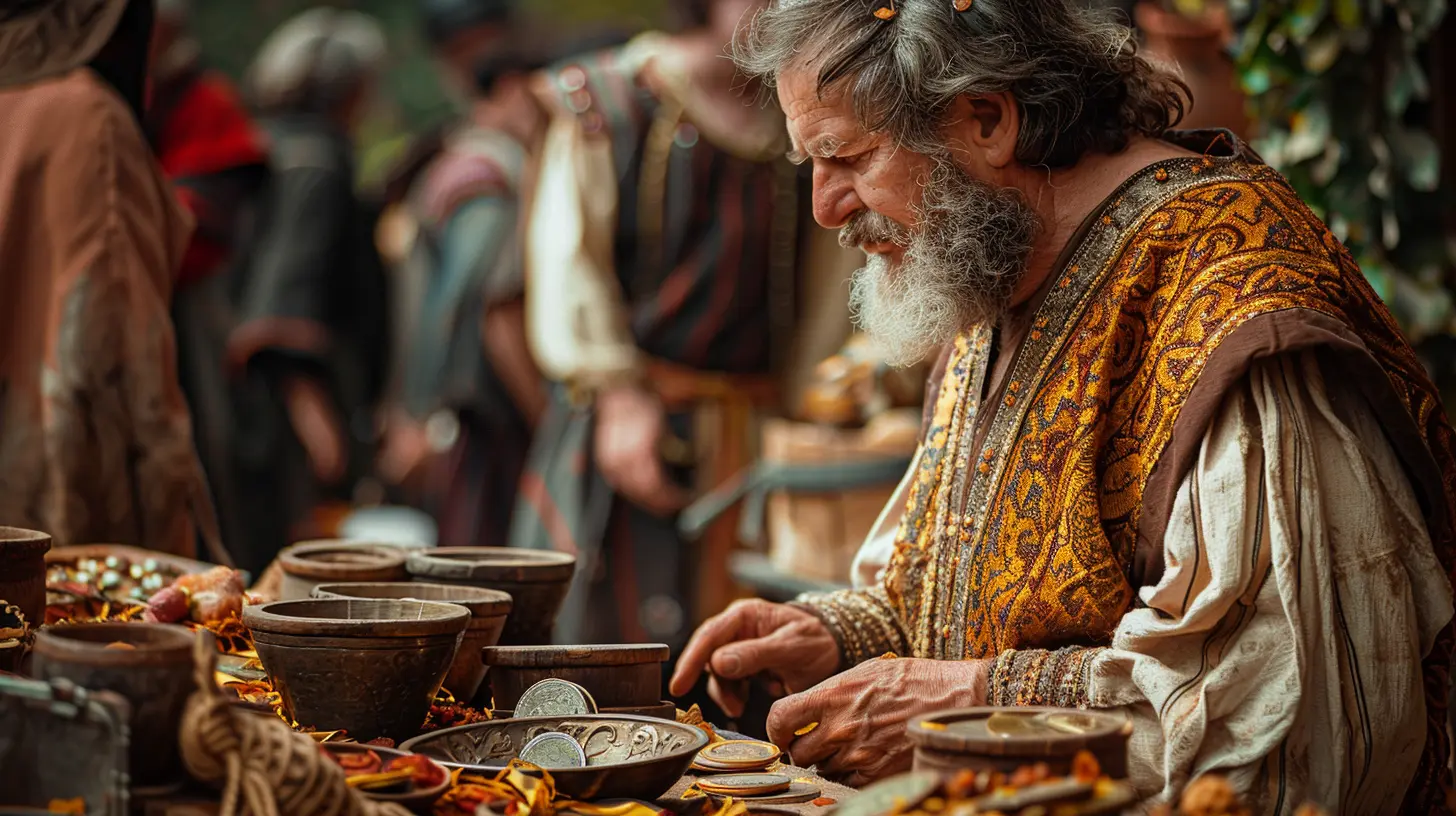
Cultural Festivals That Keep Bartering Alive
Modern society may run on digital payments, but cultural festivals around the world bring barter back to life. These events recreate the magic of ancient trade, allowing visitors to step into the past and experience commerce how it used to be.Here are some top cultural festivals where barter and exchange are still celebrated:
1. El Rastro Market, Spain
Madrid’s famous El Rastro Market isn’t just a place to buy vintage treasures—it’s a hub where bartering thrives. Many vendors at this open-air market are open to negotiation, just like merchants from centuries ago.Visitors bring items they no longer need and trade with vendors for something they truly want. Whether it’s antique jewelry or handcrafted leather goods, swapping is a common practice.
2. Kapala Festival, Indonesia
This festival, celebrated by the Toraja people of Indonesia, revolves around ancient traditions, including bartering. Locals trade livestock, textiles, and handcrafted goods, much like their ancestors did in traditional markets.The fascinating aspect of this festival is the strong community bond it fosters. People don’t just trade goods; they strengthen social ties and reinforce a system of mutual support.
3. Kumbh Mela, India
Kumbh Mela, one of the largest religious gatherings on Earth, sees millions of visitors engaging in all kinds of trade—some of which include the barter system. Locals swap handicrafts, fabrics, and even food, keeping the ancient tradition of trade alive.This festival is a perfect example of how barter systems continue to play a role in modern society, even where currency dominates.
4. Burning Man, USA
Though not necessarily a traditional cultural festival, Burning Man operates on a "gifting economy," which is closely connected to bartering. Participants trade goods, services, and even artistic creations without using money. It’s an environment where creativity and sharing flourish.Burning Man’s barter-like system is an ode to the communal way of living, much like ancient societies that thrived on trade and mutual exchange. 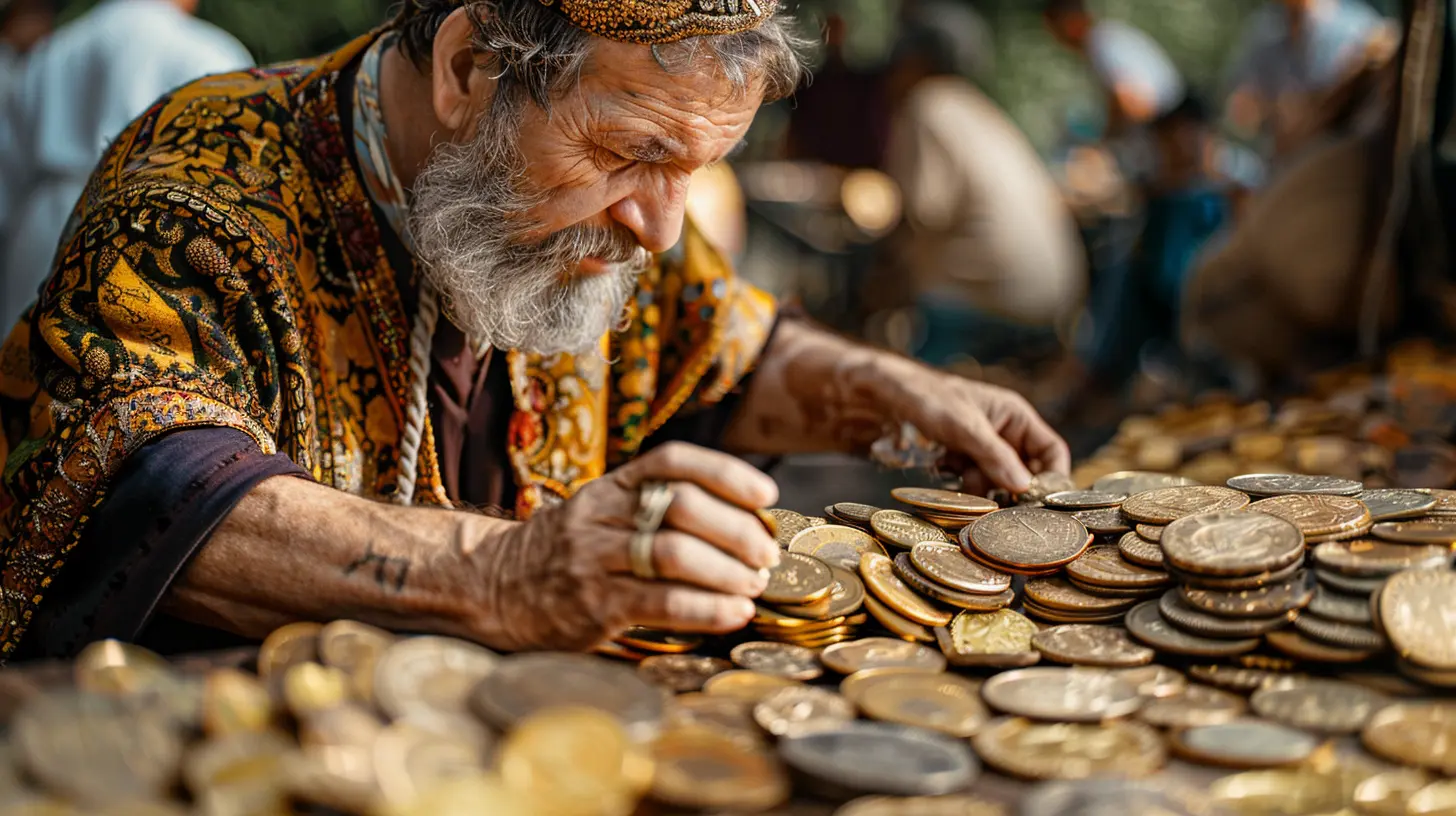
Why Bartering Still Works Today
You might be thinking, "In a world filled with digital wallets and online shopping, why would bartering still be relevant?" The truth is, bartering is more than just a form of trade—it builds relationships, fosters creativity, and even helps the environment.1. Strengthens Community Bonds
Bartering isn’t just about exchanging goods; it’s about building trust. When people negotiate deals, they naturally engage in conversation, strengthening social ties. This personal connection is something modern-day transactions often lack.2. Encourages Sustainable Living
In a world struggling with waste and excess, bartering helps repurpose goods. Instead of discarding old items, people trade them for something they actually need. It’s a sustainable way to give items a second life while reducing consumption.3. Keeps Traditions Alive
Many festivals that incorporate bartering aim to preserve cultural traditions. The art of negotiation and fair exchange has been passed down through generations, and these festivals serve as a platform to keep this practice alive.4. A Break from Consumerism
Bartering shifts the focus from spending money to valuing skills, creativity, and personal connections. It’s a refreshing change from the fast-paced consumer culture many of us are used to.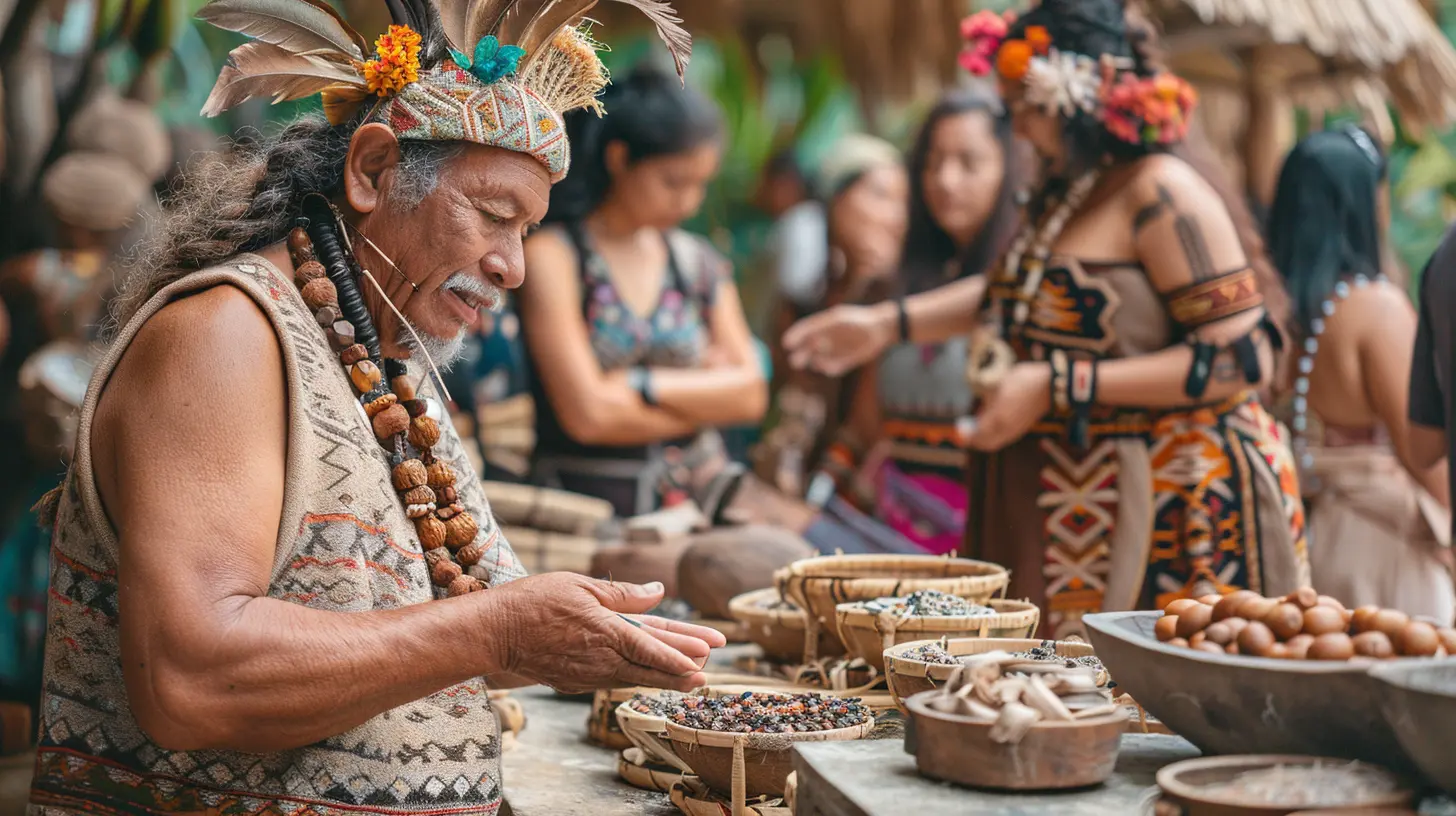
How to Experience Barter-Based Festivals
Thinking about experiencing a barter-based festival for yourself? Here are a few tips to make the most of it:1. Bring Items to Trade
Since these festivals focus on exchange, come prepared with something unique to offer. Handmade goods, crafts, or even traditional food items make excellent trading pieces.2. Hone Your Negotiation Skills
Bartering is an art. Observe how others negotiate and don’t hesitate to engage in friendly haggling. It’s all part of the experience!3. Embrace the Culture
Many barter festivals have deep cultural roots. Take the time to soak in the traditions, engage with locals, and appreciate the historical significance of the practice.4. Focus on the Experience, Not Just the Trade
While swapping goods is the main attraction, the connections you make along the way are just as valuable. Enjoy meeting people, sharing stories, and immersing yourself in the moment.The Future of Bartering in a Digital World
With technology advancing at lightning speed, it might seem like bartering could fade into history. However, the rise of alternative economies—such as skill exchanges, local barter markets, and even online trade platforms—shows that the practice is far from obsolete.Even urban areas have begun embracing barter-based pop-up events, where people can trade clothes, books, and handmade goods. As sustainability and conscious living gain more attention, barter systems could play an even bigger role in everyday life.
In the end, bartering isn’t just a nostalgic throwback; it’s a timeless way of exchanging goods, experiences, and culture. Whether at a vibrant festival in Madrid or a desert gathering at Burning Man, bartering remains a beautiful reminder of humanity’s oldest form of trade—one that connects people beyond money.
Final Thoughts
Ancient currencies may have evolved into the coins and bills we use today, but the essence of trade remains the same. Festivals that celebrate the barter system remind us that commerce isn’t just about money—it’s about relationships, shared experiences, and cultural traditions.So, next time you come across a barter-friendly festival, why not take part? Who knows—you might walk away with more than just a new item; you might gain a new friend and a deeper appreciation for an age-old tradition.
all images in this post were generated using AI tools
Category:
Cultural FestivalsAuthor:

Tracie McAdams
Discussion
rate this article
2 comments
Zailyn Sawyer
What a fascinating read! It’s incredible how ancient currencies shaped cultures and relationships. I love the idea of experiencing these traditions firsthand at festivals—definitely adding this to my travel bucket list!
January 29, 2026 at 5:59 PM
Tracie McAdams
Thank you! I'm glad you found it fascinating. Experiencing these traditions in person truly brings history to life! Happy travels!
Grace Love
What a fascinating exploration of ancient currencies! It's incredible how culture and tradition intertwine through barter and exchange.
January 14, 2026 at 4:05 AM
Tracie McAdams
Thank you! I'm glad you enjoyed the exploration of how ancient currencies reflect the rich tapestry of culture and tradition.