Pairing Culture and Cuisine: Food Trips with a Twist in 2026
7 May 2026
Let's be honest: we all travel for the food. You can keep the postcard views and the museum queues. Give me a bowl of something steaming, a plate of something crispy, and a story behind why the chef adds cinnamon to a stew that has no business having cinnamon. That's the real trip. But here's the thing about 2026-plain old eating tours are out. We've all done the "walk through the market, taste three things, buy a spice blend" routine. It's tired. What's in is pairing culture and cuisine with a twist. I'm talking about food trips that teach you something about a place through your taste buds, your hands, and maybe even your nose. Think of it as a choose-your-own-adventure novel, but with more garlic.
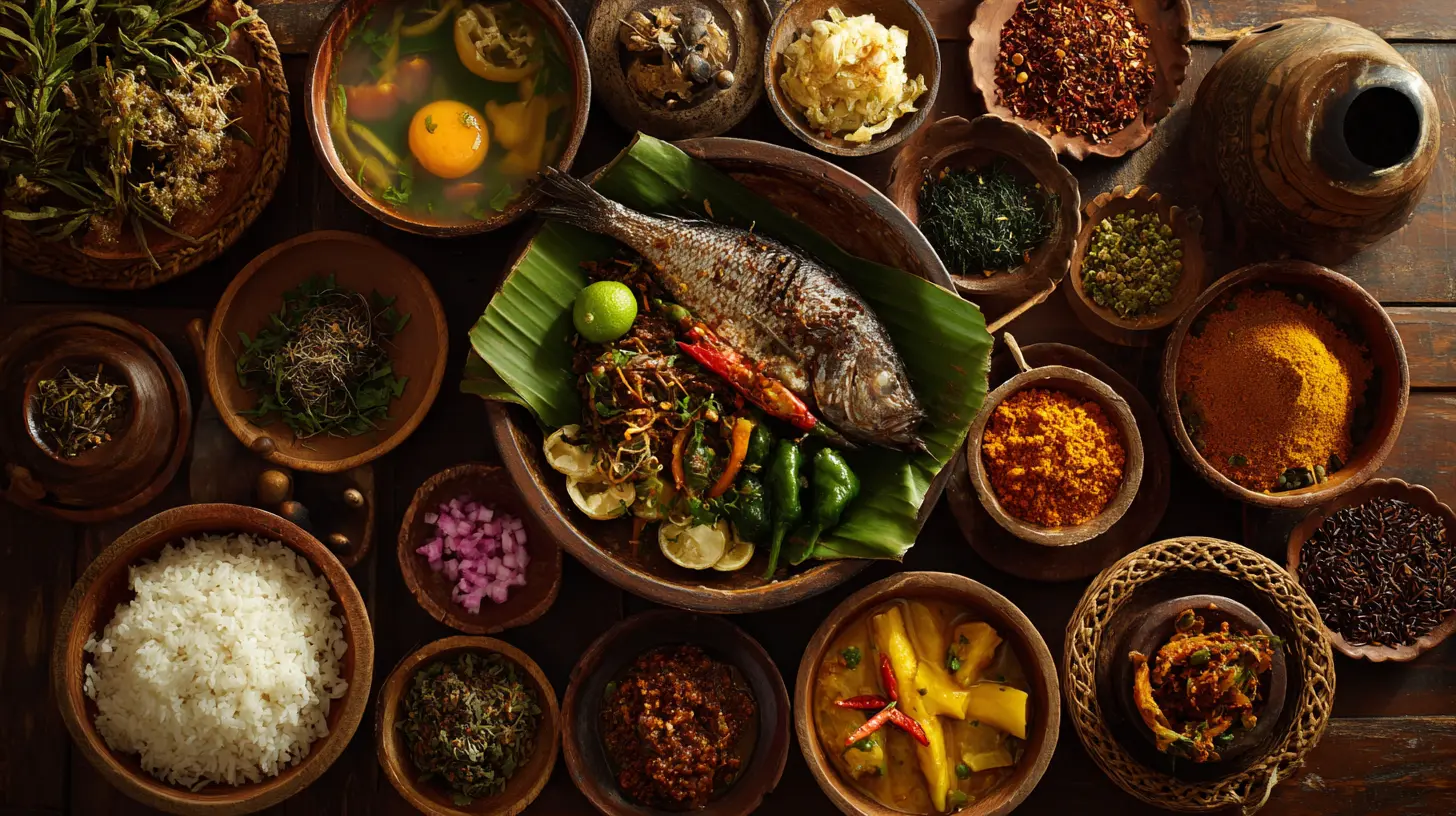
Why 2026 Is the Year of the Culinary Detour
Travel trends are weird. They shift like sand. Right now, people are craving depth, not breadth. Nobody wants to snap a photo of a famous landmark and call it a day. We want to feel the place. And nothing feels as raw and real as eating where the locals eat, cooking what the locals cook, and understanding why they eat it that way. In 2026, the food trip isn't just about the dish-it's about the backstory. It's about the grandmother who taught her grandson the secret to the perfect dough. It's about the farmer who grows a specific type of pepper that only thrives in volcanic soil. This is the year we stop asking "What's for dinner?" and start asking "Whose dinner is this, and can I help make it?"I call this "food tripping with a twist." You still get the amazing eats. But you also get the sweat, the laughter, and the occasional kitchen disaster that makes the memory stick. It's like reading a cookbook versus having the author whisper the recipe in your ear while you stir the pot.
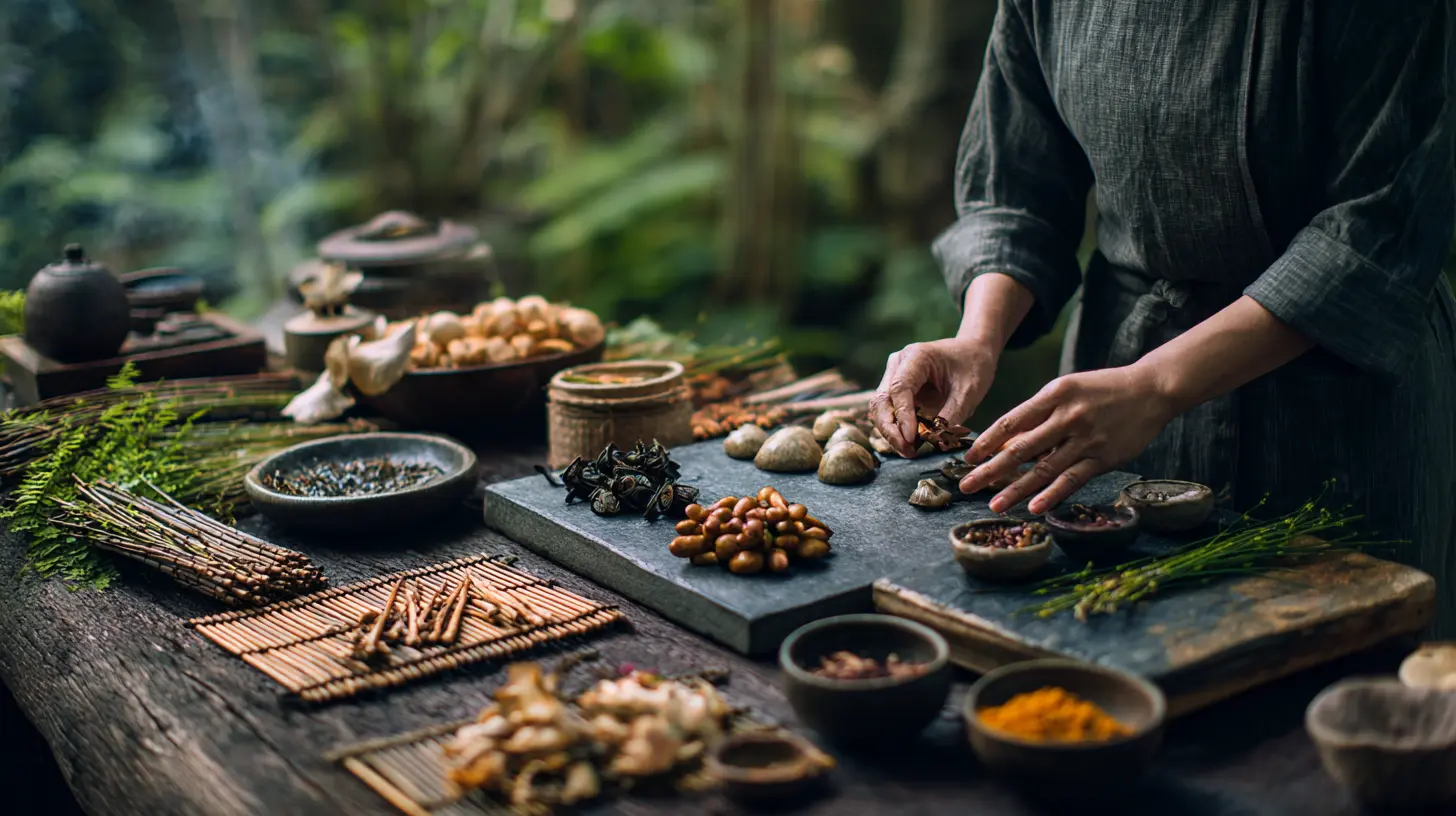
The Art of the Immersive Market Walk (With a Mission)
Forget the standard market tour where a guide points at things and you nod. In 2026, the twist is this: you go to the market with a challenge. Maybe you have to find three ingredients that are native only to that region. Maybe you have to haggle for a fish using only local phrases. Or maybe-and this is my favorite-you have to pick a vegetable you've never seen before and build a meal around it.I did this in a small town in Oaxaca last year. The guide handed me a crumpled piece of paper with a drawing of a weird, spiky fruit called chayote. I had no idea what it was. I spent an hour asking vendors in broken Spanish, "Donde esta la fruta espinosa?" (Where is the spiky fruit?). They laughed. I laughed. Eventually, an old woman led me to her stall, peeled one on the spot, and handed me a slice. It tasted like a cross between a cucumber and a pear. That night, I made a salad with it, some lime, and chili powder. It was terrible. But I will never forget that fruit. That's the twist-the failure becomes the story.
In 2026, look for tours that give you a mission. They're popping up in places like Marrakech, where you hunt for preserved lemons in the spice souk, or in Tokyo's Tsukiji Outer Market, where you track down a specific type of dried seaweed. It's a scavenger hunt for your mouth.
Cooking Classes That Feel Like Family Dinner (Not a Classroom)
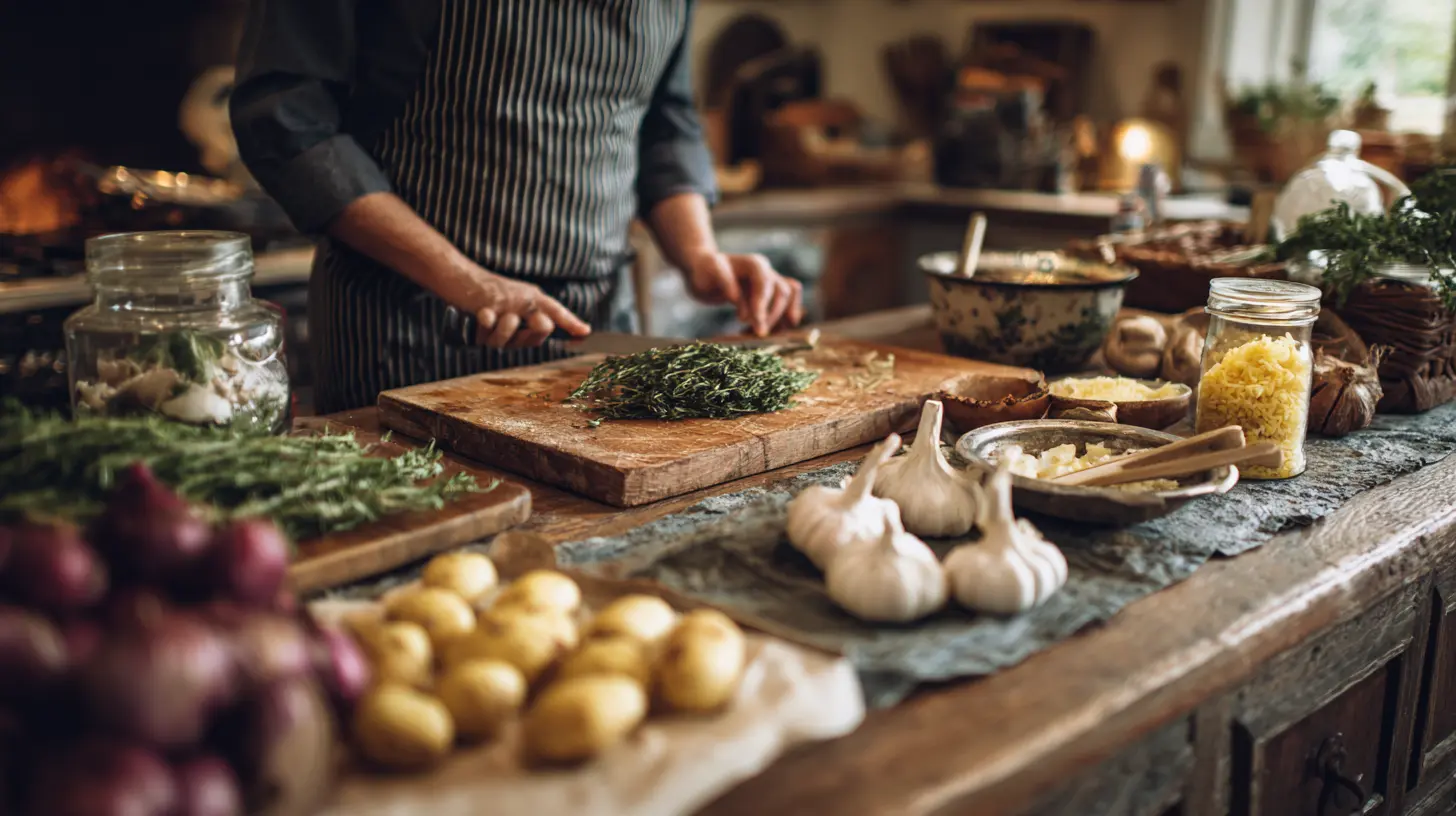
Cooking classes are the backbone of food tourism, but most of them feel like a school lab. You stand at a station, follow instructions, and eat. Boring. The twist for 2026 is the "family immersion" class. You don't go to a sterile kitchen. You go to someone's home. You meet their grandma. You sit on a plastic chair in a tiny courtyard. You drink their homemade wine. And you don't just cook-you talk.I remember a class in a village outside Naples. The woman, Nonna Rosa, was 82. She didn't speak English. I didn't speak Italian. But we made pasta together. She grabbed my hands and physically showed me how to roll the dough. She grunted when I did it wrong. She kissed my cheek when I got it right. We ate the pasta with a simple tomato sauce and a glass of wine from her neighbor's vineyard. No recipe card. No timer. Just instinct and love. That's the kind of class that sticks.
In 2026, these classes are going mainstream. Look for "home dining experiences" on platforms that vet hosts. The key is the host's story. If the description says "Learn to make dumplings with a family that has been making them for four generations," book it. If it says "Professional chef teaches you five recipes in two hours," skip it. You want the mess, the laughter, the nonna who yells at you in a language you don't understand. That's the real cultural exchange.
Street Food With a Side of History (And a Secret Ingredient)
Street food is the low-hanging fruit of travel. Everyone loves it. But the twist in 2026 is matching each bite with a historical or cultural context that makes you feel like a local. Imagine eating a bánh mì in Ho Chi Minh City while your guide tells you how the French baguette met Vietnamese pork and pickled daikon. It's not just a sandwich. It's a story of colonization, adaptation, and rebellion.Better yet, some tours now include a "secret ingredient" element. You get a clue before each stop. For example, in Bangkok, you might be told: "Look for the vendor who uses a specific type of tamarind that's only grown in the north." You have to find them, order the dish, and then the guide explains why that tamarind matters. It turns eating into a game. Suddenly, you're not just a tourist-you're a detective with a full stomach.
I did a street food tour in Mexico City where the guide said, "Every taco you eat today will have a different salsa. You have to guess the base ingredient." We had a salsa with peanuts, one with dried chilies, and one that tasted like smoke. The last one was made with burnt tortillas. I was wrong on all three. But I learned more about Mexican cuisine in two hours than I had in years of reading cookbooks.
Farm-to-Table That Lets You Get Your Hands Dirty
Farm-to-table is a buzzword that's been beaten to death. But in 2026, it's getting a literal twist. You don't just eat the food-you help grow it. I'm talking about half-day farm experiences where you pick your own vegetables, milk a goat, or even slaughter a chicken (if you're brave). It sounds intense, but it's incredibly grounding.Think about it. When was the last time you actually saw where your food comes from? Not a grocery store aisle, but the dirt? A farm in Tuscany now offers a "field-to-fork" day. You harvest olives in the morning, press them for oil, and eat lunch with that same oil drizzled over bread. In Thailand, you can spend a morning in a rice paddy, planting seedlings in the mud, then eat a lunch of sticky rice that you helped grow. It's messy. It's hard work. And it tastes better than any restaurant meal because you earned it.
The twist here is the connection. When you pull a carrot out of the ground, wash it, and eat it raw, you understand the effort. You respect the farmer. You might even start composting when you get home. It's a food trip that changes your perspective, not just your waistline.
Themed Food Trails That Blend History, Art, and Booze
This is where 2026 really shines. Food trails are getting themed. Not just "The Pizza Tour" but "The Pizza and Renaissance Art Tour." You eat a slice, then walk three blocks to see a fresco that was painted while the pizza dough was rising. It's a pairing of senses. In Lisbon, there's a "Pastel de Nata and Fado" tour. You eat the custard tart, then listen to the mournful fado music that gives you the full emotional experience. The sweet and the sad-it's a weird combo, but it works.And let's not forget the booze. Drink pairings are becoming more creative. Instead of wine with cheese, try a "beer and street food" tour in Portland, Oregon, where each brewery's brew is matched with a specific taco truck. Or a "sake and sushi" tour in Kyoto where you learn how the rice wine's temperature changes the flavor of the fish. The twist is the education. You're not just drinking-you're learning why the drink works. It's like a science class, but you get tipsy.
I did a chocolate and rum tour in Grenada. We visited a cocoa farm, watched the beans ferment, then went to a rum distillery and tasted five different rums paired with chocolate bars made from the same beans. The guide explained how the fermentation time of the cocoa affected the chocolate's bitterness, which then changed how the rum tasted. My brain hurt, but it was delicious.
The Rise of the "No-Menu" Dining Experience
Here's a wild twist for the adventurous eater: the no-menu dinner. In 2026, more chefs are opening pop-up dinners where you don't know what you're getting until it hits the table. The chef cooks based on what's fresh at the market that morning. You trust them. It's like a blind date with your dinner plate.These experiences are popping up in unexpected places. A chef in Budapest runs a dinner in a secret apartment. You get an address via text an hour before. You show up. There are eight strangers. You eat a five-course meal that changes every week. One night it's wild mushroom soup with truffles. The next it's pork cheek with fermented cabbage. The twist is the social aspect. You have to talk to the people next to you. You bond over the mystery. It's not just food-it's a shared adventure.
I tried this in a tiny restaurant in Ljubljana, Slovenia. The chef came out and said, "Tonight, we are eating what the forest gave us." We had deer stew with juniper berries, a salad with foraged herbs, and a dessert made from local honey and walnuts. I didn't know the people next to me, but by the end of the night, we were exchanging numbers. The food was the icebreaker.
How to Plan Your Own Food Trip With a Twist
You don't need a tour company for all of this. You can DIY your own twist. Here's my advice for 2026:First, pick a region with a strong food identity. Think Sicily, Oaxaca, Thailand, or the Basque Country. Then, research one unique ingredient that is native to that area. For example, in Sicily, it's pistachios from Bronte. In Oaxaca, it's chapulines (grasshoppers). Use that ingredient as your anchor. Build your trip around tasting it in different forms.
Second, book one cooking class that is in someone's home, not a school. Use platforms like Eatwith or Traveling Spoon. Read the reviews carefully. Look for words like "family," "grandmother," and "authentic."
Third, give yourself a challenge. For one meal, eat only street food. For another, eat only at restaurants with no English menus. For a third, eat with your hands. These small twists force you out of your comfort zone and into the culture.
Finally, leave room for spontaneity. The best food trips happen when you follow a smell down an alley and end up in a stranger's kitchen. That's the real twist.
The Bottom Line: Food Is the Shortcut to Culture
Look, you can visit all the cathedrals and museums in the world, but you won't understand a place until you taste it. Food is the universal language. In 2026, the best trips aren't about checking off Michelin stars. They're about getting messy, laughing with strangers, and learning that a simple bowl of soup can tell you more about a culture than any guidebook.So next time you plan a trip, don't just book a food tour. Book a food trip with a twist. Hunt for that spiky fruit. Milk that goat. Eat that mystery meal. Your taste buds will thank you, and your memory will have a story worth telling. And isn't that the whole point?
all images in this post were generated using AI tools
Category:
Culinary TravelAuthor:

Tracie McAdams
Discussion
rate this article
1 comments
Valeria O'Brien
This article does a fantastic job of showcasing how food trips in 2026 will blend cultural experiences with culinary delights. The unique pairings and local flavors highlighted make it clear that travelers will savor more than just meals on their journeys.
May 8, 2026 at 3:11 AM