Historical Walkthroughs and Modern Cafés: Touring Prague in 2027
17 May 2026
You know that feeling when you step off a plane and the air just hits different? Not just the temperature, but the vibe. That's Prague for you, every single time. But let me tell you, if you haven't been since, say, 2019, you're in for a treat. By 2027, this city has figured out a sweet balance between its thousand-year-old soul and a fresh, modern heartbeat. It's not just about ticking off the Castle and the Clock. It's about walking through history with a flat white in your hand, and feeling like you're part of a living, breathing story.
So grab your comfiest sneakers and an empty stomach. We're going to tour Prague in 2027 the right way: slowly, with a lot of caffeine, and zero rush.
Why 2027 is the Perfect Year to Visit Prague
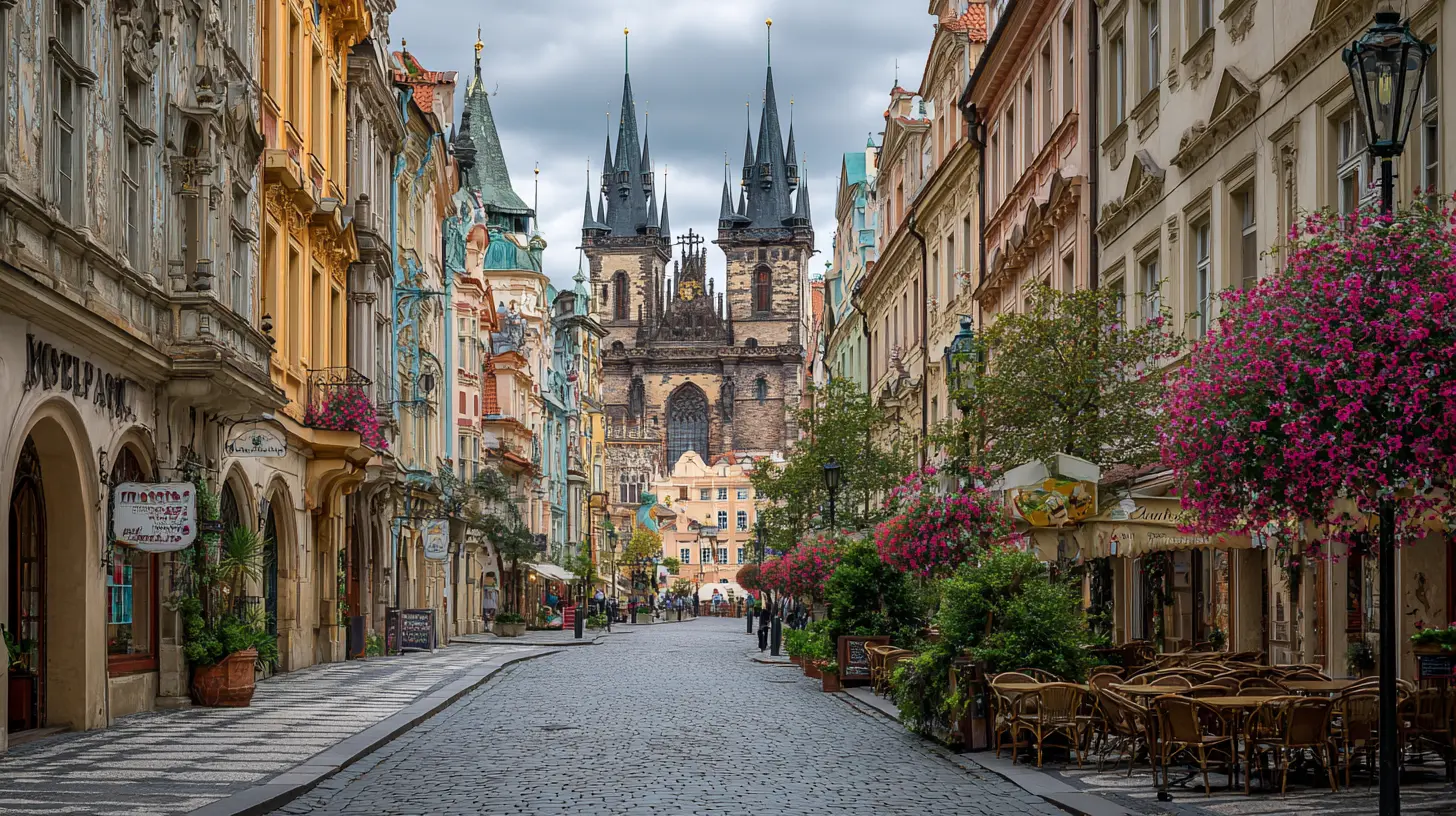
Let's be real for a second. Prague has always been beautiful, but it used to feel like a museum you couldn't touch. The crowds were thick, the prices were touristy, and the good cafés were hidden behind velvet curtains. Not anymore. 2027 is the sweet spot. The city has embraced a "slow tourism" movement without losing its edge. Think of it like a vintage car that's been given a fully electric engine. The body is still that gorgeous old thing, but the ride is smooth, quiet, and sustainable.The locals have reclaimed their city. You'll hear more Czech in the streets than English or German. That's a good sign. It means you're not just a tourist; you're a temporary neighbor. And the best way to feel like a neighbor? Walk their streets and drink their coffee.
Starting the Day: The Old Town Square Before the Crowds
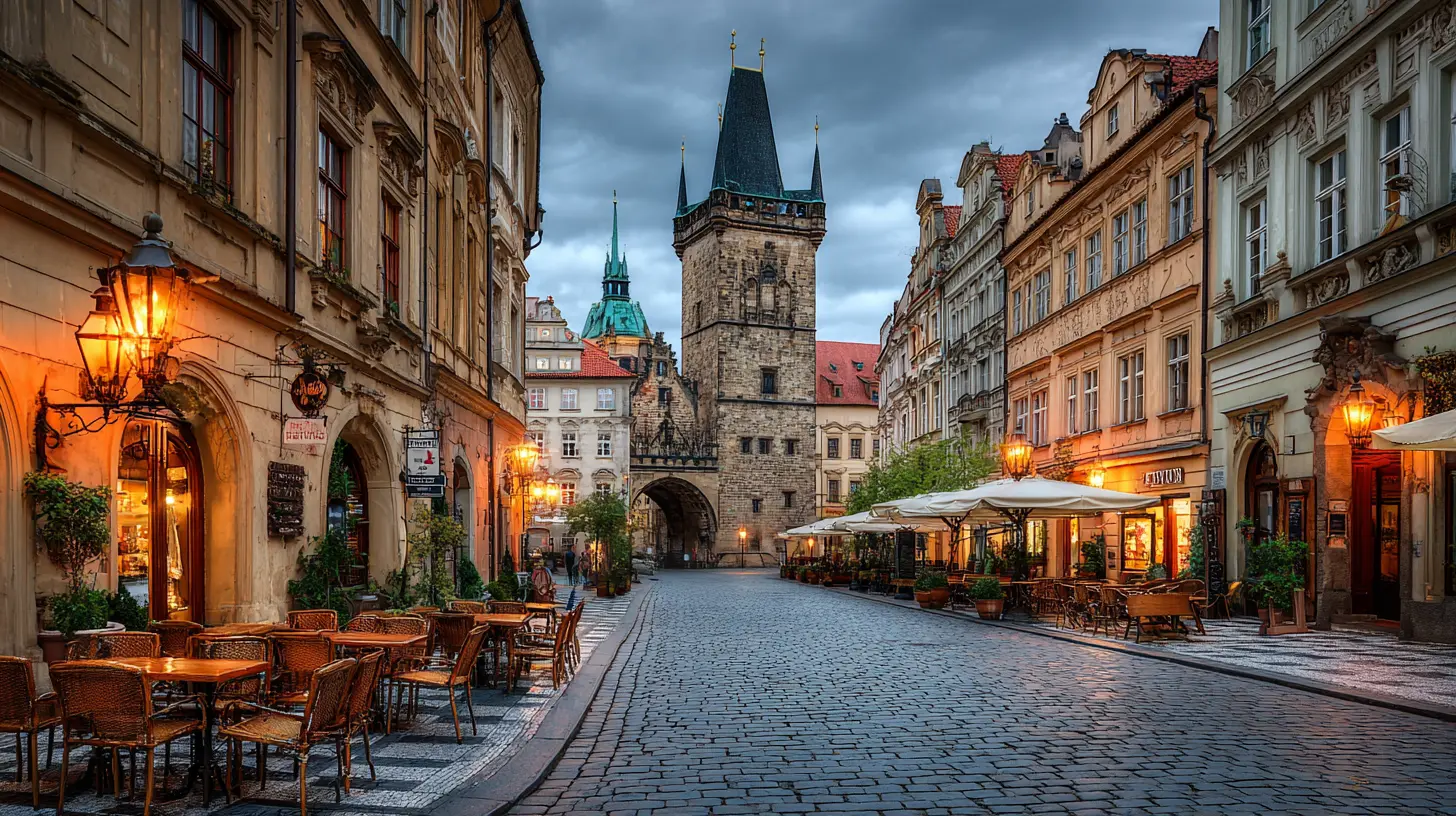
Set your alarm for 7 AM. I know, I know. You're on vacation. But trust me. The Old Town Square in the early morning is a completely different world. The Astronomical Clock hasn't started its hourly show yet, so there's no mob of people with their phones up. Instead, you get the sound of cobblestones under your feet and the distant clatter of a tram.This is where your historical walkthrough begins. Don't just look at the Týn Church. Walk around it. Notice the narrow alleyway on the side. That's where the real old town breathes. In 2027, the square has a few permanent installations that tell the story of the Hussite wars and the 1968 Soviet invasion through interactive holograms. It sounds gimmicky, but it's subtle. You can tap your phone to a small plaque, and a 3D ghost of a medieval merchant will tell you about his day. It's like a really good audio tour, but without the headphones.
After you've soaked in the quiet history, walk two streets over to Kavárna Mánes. This isn't your average tourist café. It's a 2027 renovation of an old artist hangout. The barista there, a guy named Petr, roasts his own beans in the back. He'll hand you a cortado in a ceramic cup that feels heavy and handmade. The place smells like fresh bread and roasted coffee, not burnt espresso. Sit by the window. Watch the square slowly fill up. You own this moment.
The Charles Bridge: A Walk Through Time (and Through People)
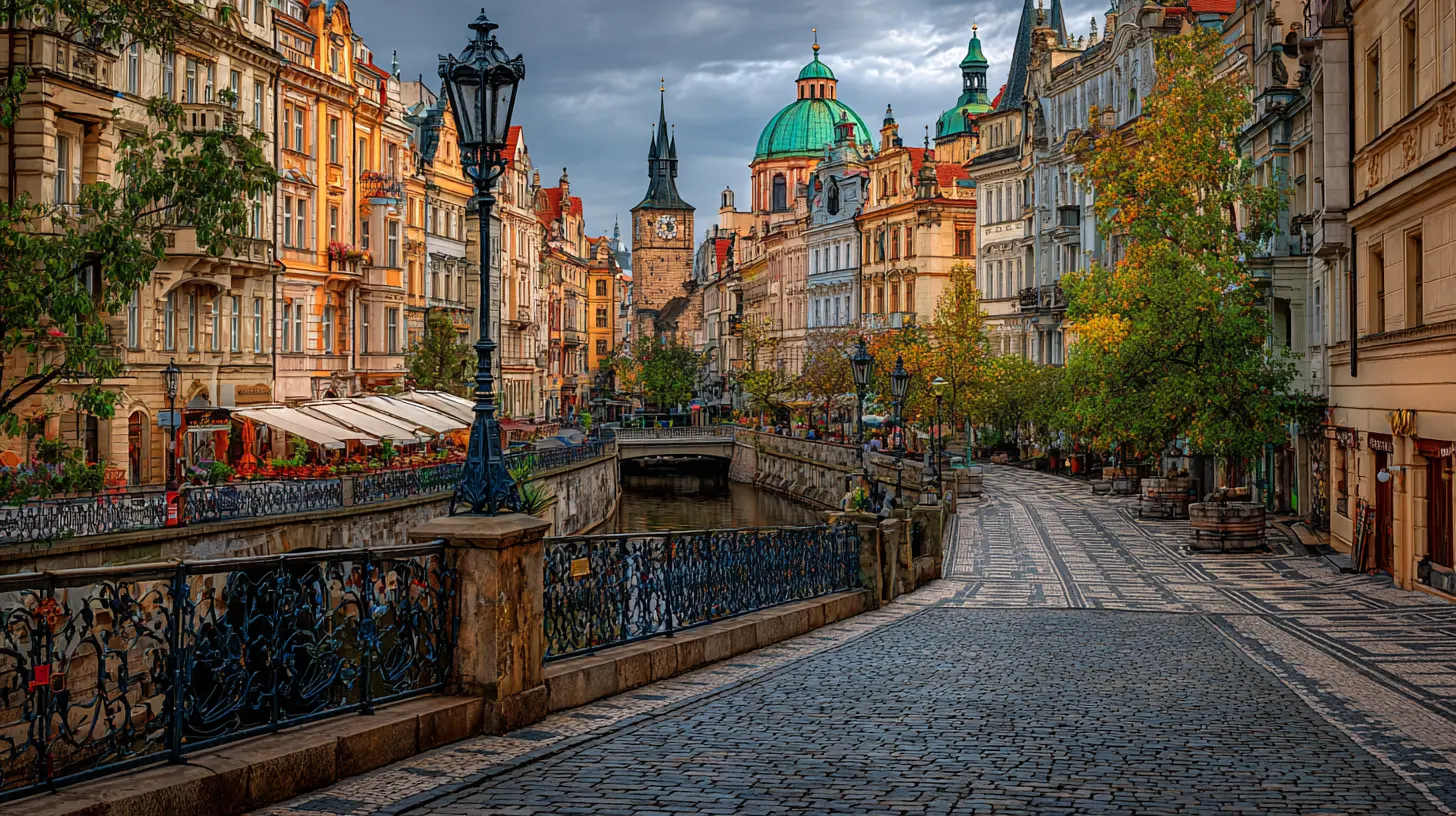
Let's talk about the Charles Bridge. In 2027, the bridge has a new trick. They've installed a smart walking system. No, it's not a moving sidewalk. It's a lane system for pedestrians. The left side is for "slow strollers" (that's you), and the right is for commuters. It sounds strict, but it works. You can actually stop and look at the statues without getting bumped.As you walk, look at the water. The Vltava River is cleaner than it's been in a century. You might see a swan or two. The bridge has also added a few "story benches" - benches shaped like old books. You sit down, and a gentle recording plays a short story about the bridge's history. One bench tells you about the old tower that used to be a prison. Another talks about the time the bridge was the only connection between the two sides of the city.
Halfway across, you'll see a small cart that sells trdelník - but not the sugary, mass-produced kind. This one is made by a family from a small village. The dough is grilled over charcoal, and they fill it with fresh cream and strawberries. It's the real deal. Grab one, lean on the railing, and watch the castle on the hill. That view never gets old.
Malá Strana: Where History Hides in Plain Sight
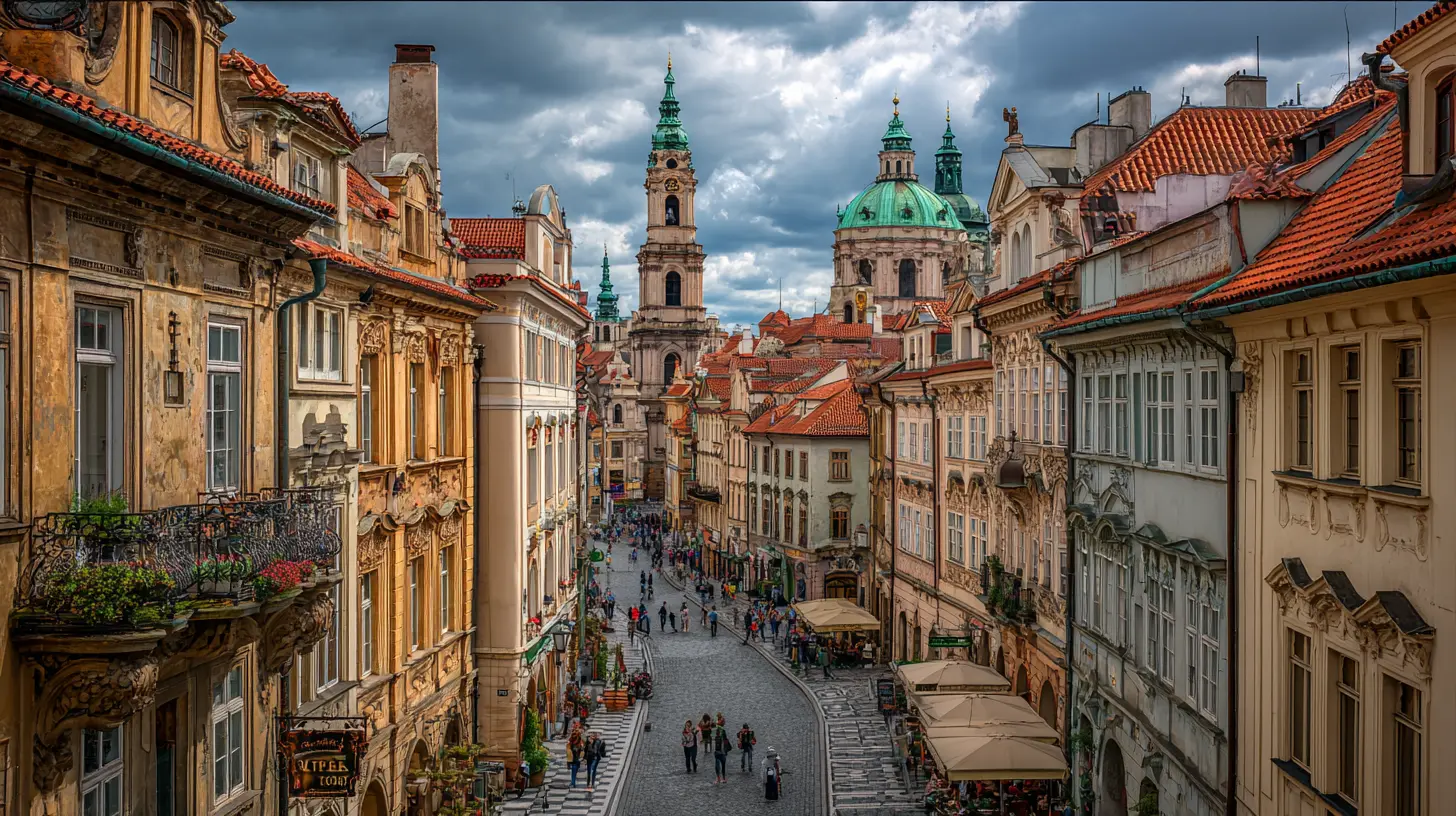
Once you cross the bridge, you're in Malá Strana, the Lesser Town. This is where Prague's secret gardens live. Most tourists rush up to the castle. Don't. Instead, take a left into a tiny street called Nerudova. It's a steep climb, but every door is a work of art. Look at the house signs. They're not numbers; they're symbols. A golden key. A red lion. A white swan. These were the original addresses before street numbers existed.In 2027, many of these old houses have been turned into mini-museums. One house, the "House of the Three Violins," has a small room where you can play a digital violin and hear how a 17th-century composer might have sounded. It's tactile history. You're not just looking; you're touching.
By now, you'll be thirsty. Don't go to a pub. Go to Café Louvre. Wait, isn't that a tourist trap? Not in 2027. They've revamped it. The art deco interior is still there, but they've added a "writer's corner" where you can borrow a book and read. Get a slice of their větrník - a choux pastry filled with vanilla cream and topped with caramel. It's light as air. Pair it with a Vienna coffee, which is basically espresso with whipped cream. You'll feel like a 1920s intellectual.
The Castle Complex: More Than Just a View
Okay, now we go up. The Prague Castle is huge. I mean, it's the largest ancient castle in the world. In 2027, they've made it less overwhelming. They've introduced a "choose your own adventure" ticket. You buy a basic pass, but you can add a "secret tour" chip. The chip unlocks doors that are normally closed to the public.I took the "Alchemist's Walk" tour. It led me down a spiral staircase into a basement where Rudolf II's alchemists tried to turn lead into gold. The room is cold and damp, and there's a faint smell of sulfur. The guide, a guy in a modern suit, told me that the alchemists were actually just con artists. But the room felt real. You could see scratch marks on the walls where they tried to carve formulas.
After the castle, walk through the Golden Lane. It's a tiny street of colorful houses that used to be home to castle guards and goldsmiths. In 2027, each house has a different theme. One is a tiny blacksmith shop where you can forge your own nail. Another is a miniature cinema showing silent films. It's kitschy, but in a charming way.
For lunch, skip the overpriced castle restaurant. Walk down the hill to Lokal. It's a chain, but a good one. They serve classic Czech food: svíčková (beef in cream sauce) with bread dumplings. The beer is fresh, and the bread is free. The waiters are fast and a little sarcastic. That's the Czech way. It's honest food.
Afternoon in Vinohrady: The Modern Café Crawl
You've done the history. Now it's time for the modern part. Take tram 11 to the Vinohrady district. This is where the locals live. It's leafy, quiet, and full of beautiful 19th-century apartment buildings. In 2027, Vinohrady is the epicenter of Prague's café culture.Start at Kavárna Sladkovský. It's a corner café that looks like someone's living room. The sofas are mismatched, the walls are covered in local art, and the playlist is all vinyl. They serve a drink called "Czech Fog" - a latte with honey and a pinch of cinnamon. It's not on the menu. You have to ask for it.
Walk down Korunní street. You'll pass a dozen cafés, each with its own personality. One has a bookshelf door that leads to a secret garden. Another has a rooftop terrace with a view of the TV tower. The tower itself is a sight. It's a 1980s communist-era tower with giant crawling babies on the sides. Yes, giant babies. They're creepy and hilarious.
Stop at Můj šálek kávy (My Cup of Coffee). This is a serious coffee spot. The barista will ask you what flavor notes you like. Fruity? Nutty? Chocolatey? He'll brew you a single-origin Ethiopian pour-over that tastes like blueberries. It's a ritual. You sit at the bar, watch him work, and sip slowly. This is the modern Prague. It's thoughtful.
Evening by the River: A Final Walk
As the sun starts to set, head to Náplavka, the riverbank. In 2027, this area is a long stretch of floating gardens, pop-up bars, and food trucks. You can rent a pedal boat shaped like a giant swan. Or you can just sit on a bench and watch the barges go by.The historical walkthroughs of the day are done. Now it's about the feeling. The Charles Bridge is lit up gold. The castle is a silhouette against a pink sky. You're holding a cup of mulled wine from a boat bar. It's sweet and spicy. The air is cool.
You might wonder: did I really need to walk 15 miles today? Yes. Because that's how you see Prague. Not through a bus window. Not through a phone screen. Through your feet, your taste buds, and your curiosity.
Prague in 2027 is a city that respects its past but doesn't live in it. It serves you a perfect espresso in a room where Mozart once played. It lets you touch a wall that's 800 years old, then walk five minutes to a café that roasts beans from Colombia. It's a contradiction, and it works.
So pack light. Bring good shoes. Leave your schedule at home. Just walk. And when you get tired, there's always a café waiting for you.
all images in this post were generated using AI tools
Category:
World CapitalsAuthor:

Tracie McAdams
Discussion
rate this article
1 comments
Zina Thomas
Prague is a city where every corner tells a story. Exploring its rich history while sipping coffee in a cozy café sounds like the perfect day. Can't wait to experience this blend of past and present!
June 12, 2026 at 3:25 PM
Tracie McAdams
You're absolutely right! Prague's charm lies in its history and vibrant cafes. It's the perfect setting for a day of exploration and relaxation. Enjoy every moment!