Hidden Culinary Gems Around the World to Discover in 2027
1 May 2026
Let me ask you something. Have you ever stood in a foreign city, stomach growling, and felt completely lost? You walk past the same tourist-trap restaurants with plastic menus in five languages. You smell fried food and hear the clatter of dishes, but nothing feels real. That is the opposite of what travel should taste like.
I believe the best meals on earth don't come from Michelin-starred dining rooms or Instagram-famous food halls. They come from a tiny kitchen in an alley, a family-run stall at a dusty market, or a village where the recipe has been passed down for six generations. In 2027, the world will be more connected than ever, but the truly special flavors are still hiding in plain sight. Let me take you on a journey to find them. No passports required, just an open mind and an empty stomach.
Why the Hidden Gems Matter More Than Ever
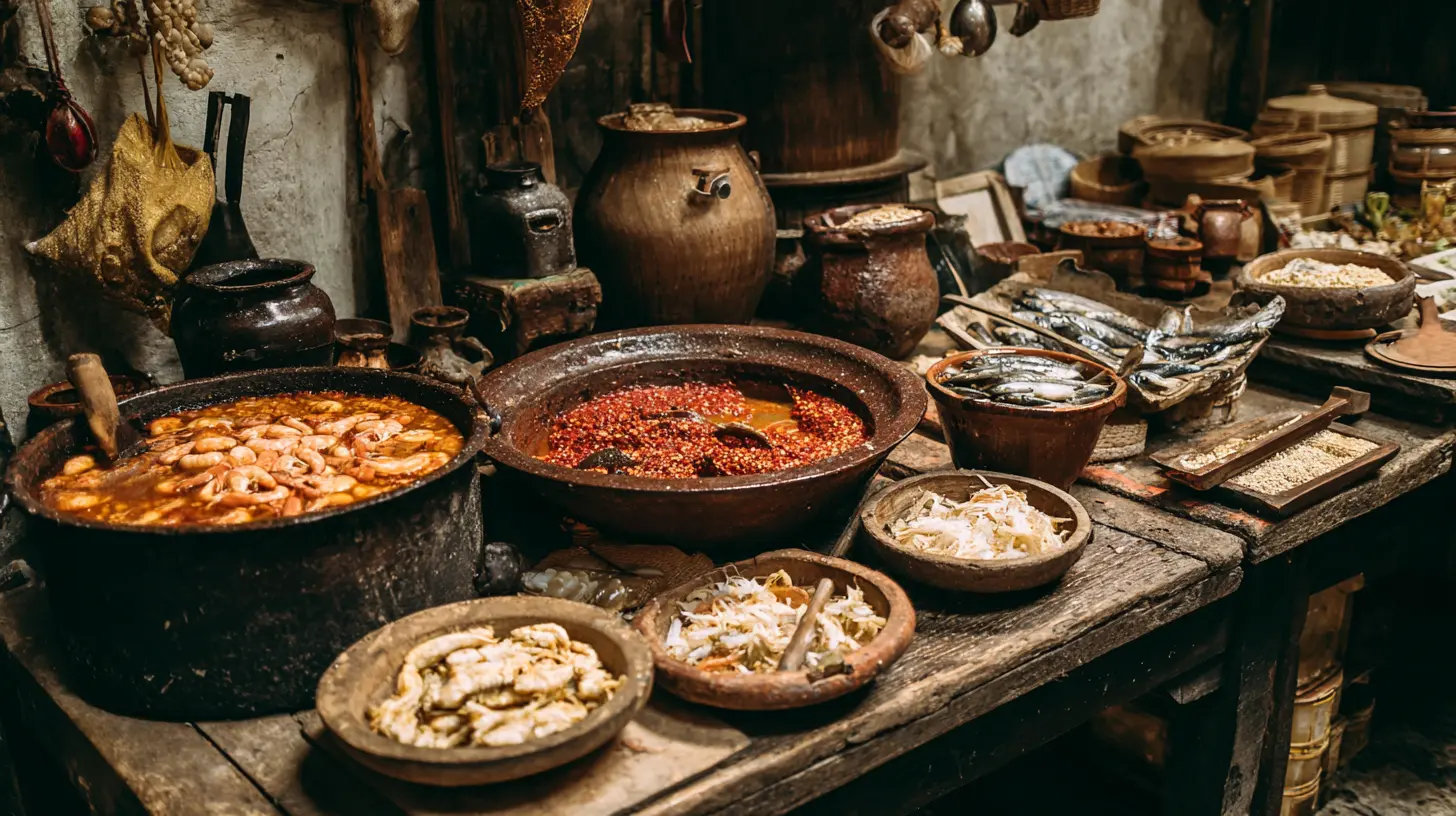
We live in an age where everyone is a food critic. Social media has flattened the world into a list of "must-try" dishes. You can find a burger that looks exactly the same in Tokyo, London, and Buenos Aires. But here is the truth: the real magic happens off the beaten path. The best culinary experiences are not about the food alone. They are about the story behind the spoon.When you eat at a place that has no website, no sign in English, and no line of tourists, you are stepping into someone's living room. You are tasting a tradition that survived war, migration, and change. In 2027, as travel becomes more mindful and slow, these hidden gems will be the memories that stick with you long after the plane lands back home.
Think of it like this. A famous restaurant is like a blockbuster movie. It is polished, predictable, and safe. A hidden gem is like a indie film you stumble upon at a midnight screening. It might be messy. It might be strange. But it will change the way you see the world.
The Underground Food Scene in Oaxaca, Mexico
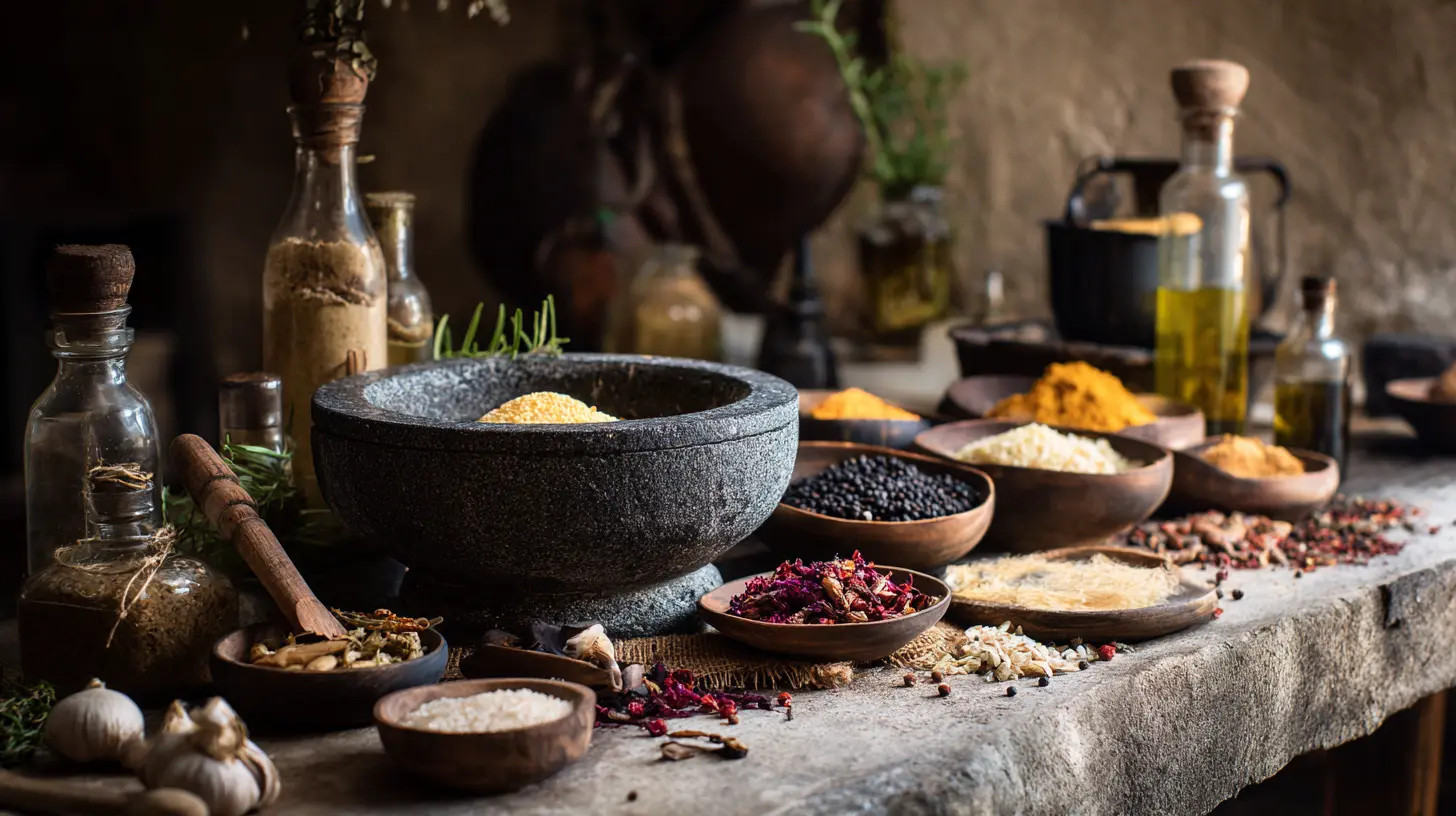
Most people know Oaxaca for mole and mezcal. And sure, those are great. But the real treasure lies in the markets that wake up before the sun. In 2027, head to the Mercado de la Merced, but skip the stalls with the big signs. Look for the woman selling tetelas from a basket balanced on her head. She is probably in her seventies. She has been making these hand-pressed corn pockets filled with refried beans and cheese since she was a child.Why is this a hidden gem? Because no guidebook tells you to find her. The tetelas are cooked on a comal that has been seasoned for decades. The masa is ground by hand using heirloom corn that is almost extinct. You will taste the difference. The texture is not uniform. It is a little rough, a little charred, and absolutely perfect.
And do not skip the chapulines. Yes, grasshoppers. I know it sounds weird. But trust me, when they are toasted with garlic, lime, and salt, they become a crunchy, tangy snack that pairs perfectly with a cold beer. The locals have been eating them for centuries. In 2027, this is not just food. It is a connection to the land.
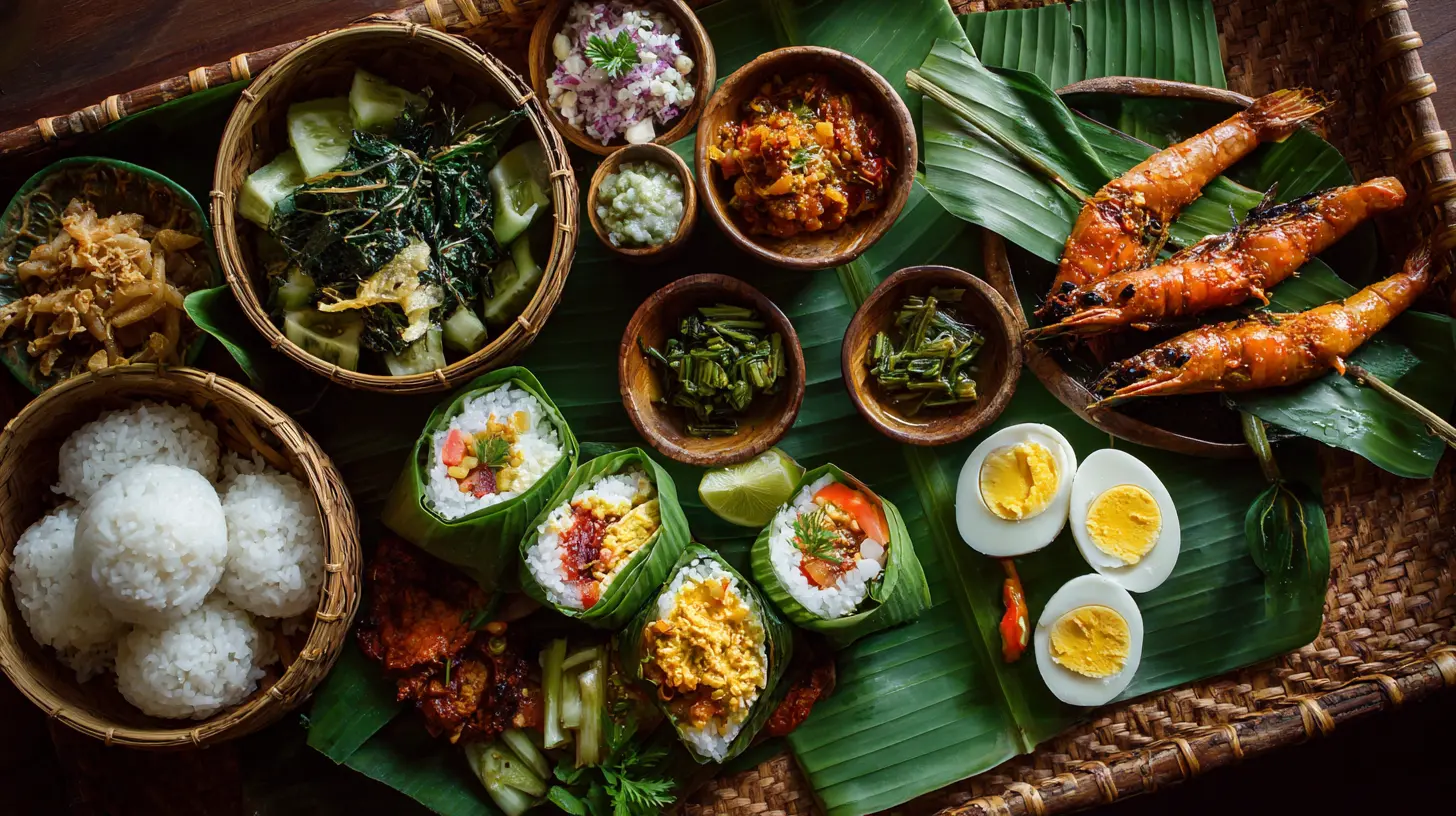
The Silent Kitchen of Chef Moto in Rural Japan
Japan has some of the most famous food in the world. Sushi in Tokyo. Ramen in Osaka. But if you want something truly hidden, you need to go deeper. In a small village in the mountains of Nagano prefecture, there is a tiny restaurant with no name. It is run by a man called Chef Moto. He is in his sixties. He opens his doors only three days a week. And he serves whatever he found at the market that morning.Here is the thing. Chef Moto does not speak English. He does not even have a menu. You sit down, and he places a series of small plates in front of you. One might be a piece of grilled river fish with a sprinkle of salt. Another could be a bowl of miso soup made with fermented soybeans that he buried in the ground for a year. The flavors are so clean and pure that they feel like a meditation.
In 2027, this kind of dining is becoming rare. The world wants fast and flashy. But Chef Moto reminds us that food does not need to be complicated to be unforgettable. It just needs to be honest. If you want to find him, ask a local in the village. They will point you to the house with the sliding wooden door and the smell of smoke.
The Street Food Revolution in Dakar, Senegal
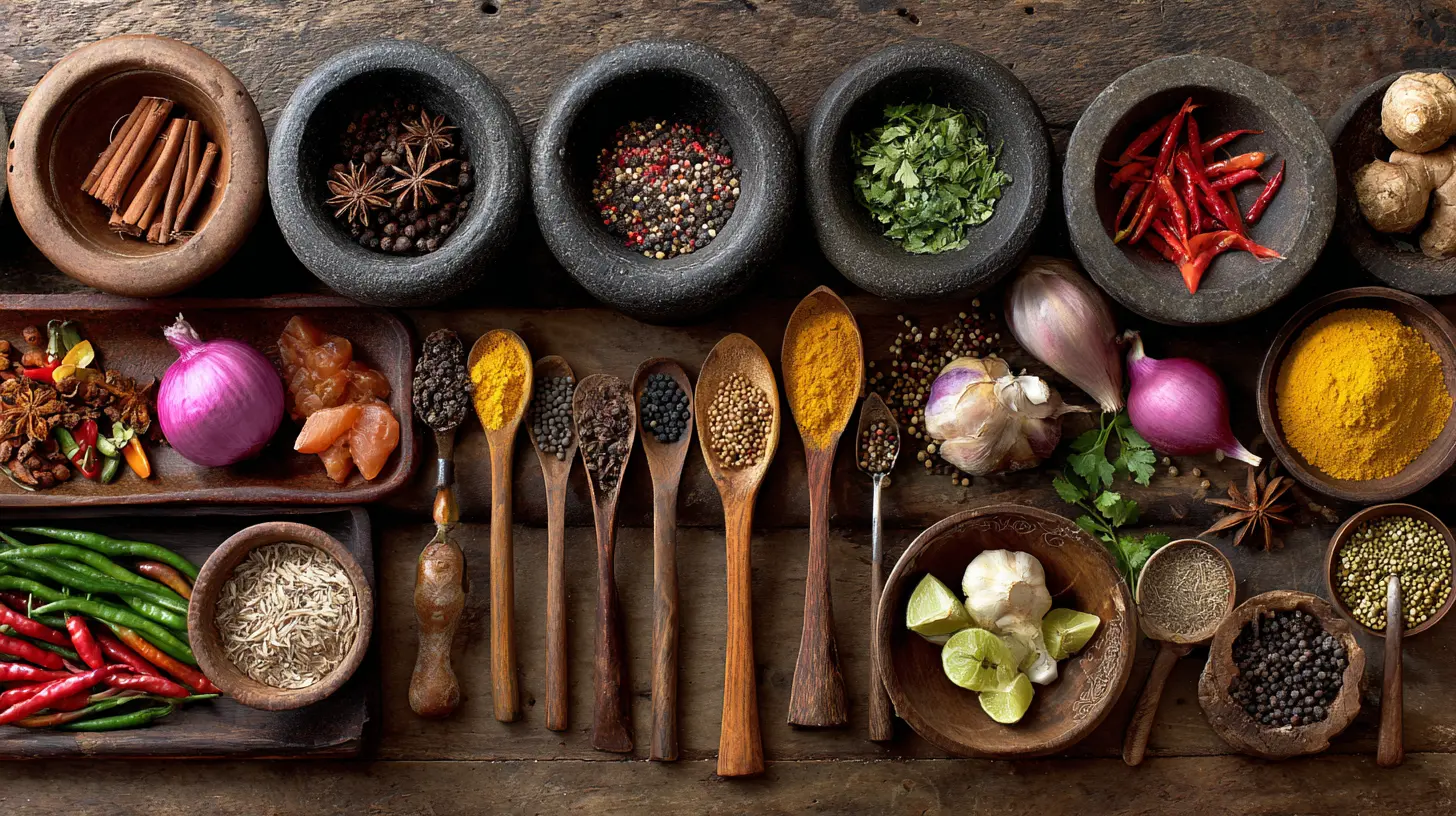
West Africa is having a moment. And Dakar is leading the charge. But I am not talking about the fancy restaurants in the Plateau district. I am talking about the street corners in the Medina neighborhood, where the air is thick with the aroma of grilled fish and peanut sauce.Look for the women selling thieboudienne. This is the national dish of Senegal, but the street version is completely different from what you get in a restaurant. It is a massive plate of broken rice, tomato sauce, and fish that has been stuffed with parsley and garlic. The rice is slightly burnt at the bottom, creating a crust called xoon. That crust is the prize. It is chewy, smoky, and full of flavor.
Why is this a hidden gem? Because tourists rarely venture into the Medina. They stay in the hotels by the coast. But the real heartbeat of Dakar is in these narrow streets, where families gather around communal bowls and eat with their hands. In 2027, this is where you will find the soul of Senegalese cuisine. It is messy. It is loud. It is alive.
The Forgotten Bakeries of Buenos Aires, Argentina
Argentina is famous for steak and Malbec. But let me tell you about something else. In the working-class neighborhoods of Buenos Aires, like Almagro and Boedo, there are bakeries that have not changed since the 1940s. They are called "panaderias de barrio." They open at 4 AM. They close when the bread runs out, usually by noon.Inside, you will find medias lunas. These are not croissants. They are smaller, denser, and sweeter. They are glazed with a sugar syrup that is almost caramelized. The baker, usually an old man in a flour-dusted apron, will hand you one still warm from the oven. It costs about the same as a bus ticket.
The secret is lard. Yes, lard. Most modern bakeries use butter or margarine. But these old-school places use pork fat, which gives the pastry a flakiness that you cannot replicate. In 2027, as the world moves toward plant-based everything, these bakeries are a reminder that tradition sometimes tastes better. Do not ask for a menu. Just point and smile. The baker will know what you need.
The Spice Route of Zanzibar, Tanzania
Zanzibar is an island of contrasts. White sand beaches on one side. Ancient stone alleys on the other. But the food tells a story of trade winds and colonialism. In 2027, skip the resort buffets and head to the Forodhani Night Market in Stone Town. But do not go for the grilled lobster. Go for the urojo.Urojo is a soup. But it is not like any soup you have had. It is a bright yellow broth made from turmeric, chili, and tamarind. It is served with chunks of fried potato, boiled eggs, and crispy bits of fried dough. The vendor will ask if you want it "hot" or "very hot." Choose very hot. The burn will wake up every cell in your body.
What makes this a hidden gem is the history. Zanzibar was the center of the spice trade for centuries. The flavors in that bowl tell the story of traders from India, Persia, and Portugal. Every spoonful is a lesson in geography. In 2027, as the world becomes more homogenized, places like Forodhani are a living archive of taste.
The Wood-Fired Ovens of Matera, Italy
Italy is full of hidden gems. But Matera is special. This ancient city in the south of Basilicata is carved into a canyon. The houses are caves. The streets are stairs. And the food is rooted in poverty and ingenuity.In 2027, find a bakery in the Sassi district that still uses a wood-fired oven built into the rock. The baker will be making pane di Matera, a bread made from durum wheat that has a thick, dark crust and a chewy, yellow interior. It is not pretty. It is lumpy and uneven. But it is the best bread you will ever eat.
Why? Because the oven is heated with olive wood. The bread absorbs the smoke. And the baker uses a sourdough starter that is over a hundred years old. You can buy a loaf for a few euros. Eat it with a piece of local cheese and a glass of Aglianico wine. No butter. No jam. Just bread and history.
The Coffee Ritual in Harar, Ethiopia
Ethiopia is the birthplace of coffee. But the coffee you drink at a chain cafe is a distant cousin of the real thing. In Harar, a walled city in the east, coffee is not a drink. It is a ceremony.A woman will roast green beans over a charcoal fire in a pan. She will shake the pan with a rhythm that sounds like music. The smoke fills the room. She grinds the beans with a mortar and pestle. She brews the coffee in a clay pot called a jebena. She pours it into tiny cups from a height, creating a frothy layer on top.
The coffee is thick. It is dark. It is slightly bitter with a hint of cardamom. You drink it with popcorn or a handful of roasted barley. In 2027, this ritual is endangered. Young people in Harar are moving to the cities. The older generation is fading. If you want to taste this, you need to go now. You will not find it on a menu. You need to be invited into a home.
The Fermented Flavors of the Faroe Islands
The Faroe Islands are not on most food maps. They are a cluster of rocky islands between Iceland and Norway. The weather is harsh. The soil is thin. For centuries, the people survived on fermented food.In 2027, try skerpikjot. This is fermented mutton that has been hung in a drying shed for over a year. It is eaten raw. The texture is like jerky, but the flavor is intense. It is funky, salty, and earthy. It tastes like the wind and the sea.
Do not be scared. The locals will tell you that this food kept their ancestors alive through long winters. It is a taste of resilience. Pair it with a glass of aquavit, a Scandinavian spirit flavored with caraway. The combination is strange and wonderful. This is not a meal for the faint of heart. But if you want to understand the Faroe Islands, you need to taste their history.
The Sweet Secrets of Georgia (The Country, Not the State)
Georgia is a country that loves food. The supra, or feast, is a sacred tradition. But in 2027, skip the famous khachapuri and khinkali for a moment. Look for churchkhela.Churchkhela is a candy. But it is not like any candy you know. It is made by stringing walnuts on a thread, then dipping them in a mixture of grape juice and flour. The result is a sausage-shaped treat that is chewy, sweet, and slightly tart. It is hung to dry in long rows that look like chandeliers.
Why is this a hidden gem? Because tourists overlook it. They go for the cheese bread and the dumplings. But churchkhela is the snack that Georgians eat on long drives and during hikes. It is portable energy. It is ancient. In 2027, as the world craves natural and simple foods, this is a candy that fits the moment.
Final Thoughts: The World Is Waiting for Your Fork
Look, I get it. Travel is expensive. Time is short. It is easy to stick with what you know. But the hidden culinary gems of 2027 are not just about food. They are about connection. When you eat a tetela in Oaxaca, you are supporting a woman who has been feeding her community for decades. When you sip coffee in Harar, you are honoring a tradition that predates your own country.So here is my challenge to you. Next time you travel, put away the phone. Walk down a street that has no tourists. Smell the air. Follow your nose. And when you find that tiny kitchen or that dusty market, sit down. Eat with your hands. Ask questions. Laugh when you make a mess. The world is full of flavors that are waiting to be discovered. All you have to do is show up hungry.
all images in this post were generated using AI tools
Category:
Culinary TravelAuthor:

Tracie McAdams
Discussion
rate this article
1 comments
Avianna Murphy
This article beautifully highlights lesser-known culinary treasures waiting to be explored. It reminds us that the heart of travel often lies in discovering local flavors and traditions. I can't wait to experience these hidden gems and share the stories behind them.
June 6, 2026 at 3:31 PM
Tracie McAdams
I'm glad you enjoyed the article! Exploring local flavors is truly a rewarding adventure. Can't wait to hear about your experiences with these hidden gems!