Scaling New Heights: A Beginner’s Guide to Rock Climbing
28 March 2026
Are you ready to break free from the ordinary and push your limits to new heights? Then it's time to grab your gear, tighten your harness, and scale new heights—literally! Rock climbing is more than just a physical challenge; it's a mental game, a dance of strategy, strength, and trust. Whether you're slipping on climbing shoes for the first time or just curious about the sport, this beginner's guide to rock climbing will help you get started on your ascent.
We’ll cover all the basics, from the equipment you need, to grip techniques, to crucial safety tips. So buckle up, because this journey is going to be an adventure!
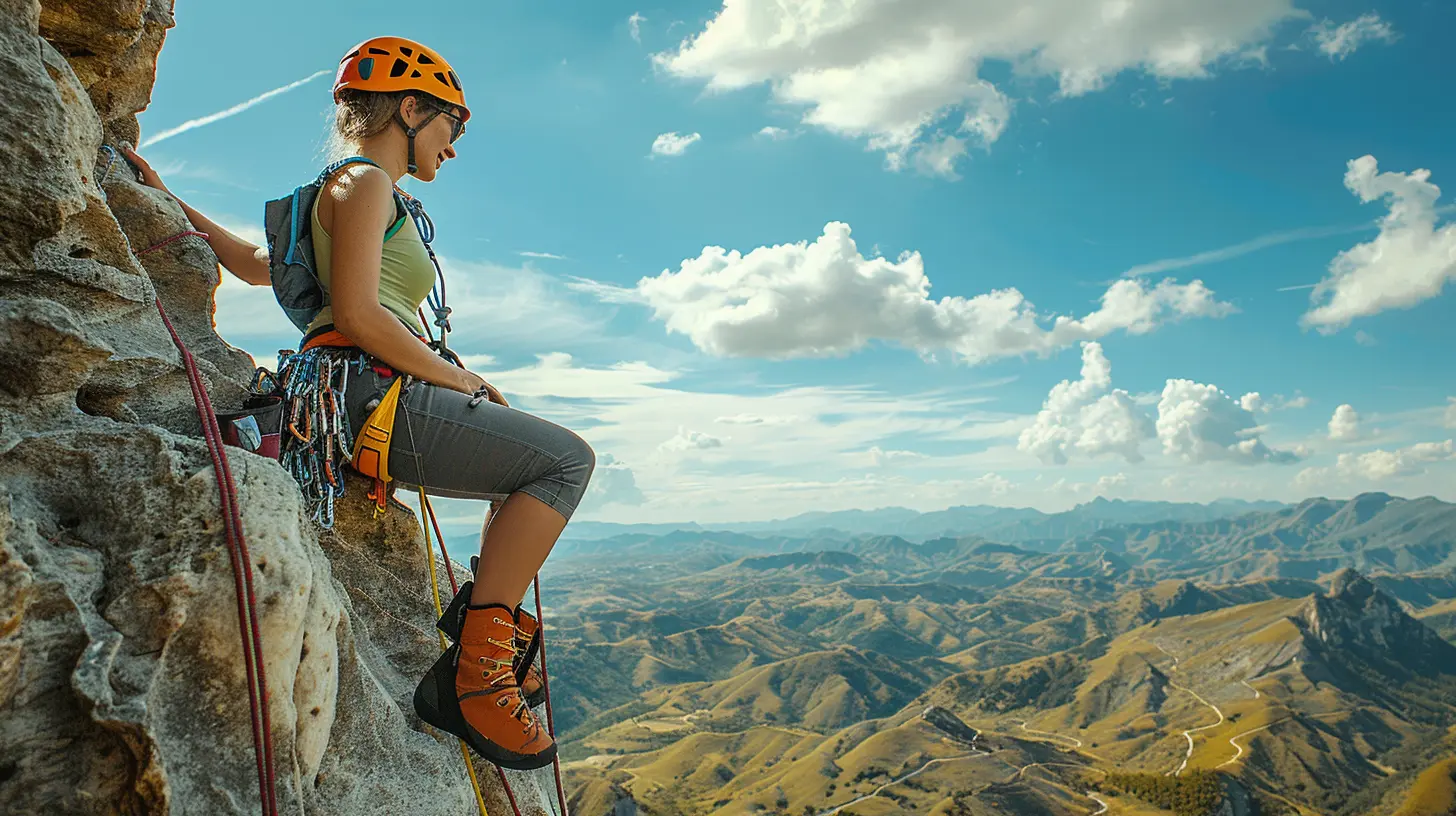
What is Rock Climbing?
Rock climbing is like navigating a vertical puzzle where you use your body (and mind) to ascend natural rock formations or artificial rock walls. It's an exhilarating mix of athleticism, problem-solving, and a bit of courage. There are different styles of rock climbing—some involve ropes, others are all about balance—but they all have one thing in common: you’re defying gravity!Types of Rock Climbing
Before you strap on your harness and chalk your hands, it’s important to know that there are various types of rock climbing. Each has its own set of rules, gear, and strategies. Let’s break down the main ones for you!1. Top-Rope Climbing
If you're a newbie, this is where you'll likely start. Top-rope climbing involves a rope that runs from your harness up to an anchor at the top of the climbing route, and then back down to your belayer (the person responsible for managing the rope). This method offers a good level of safety, as the belayer can quickly catch you if you slip.2. Bouldering
Think of bouldering as rock climbing’s scrappy little sibling. No ropes, no harnesses, just you, your climbing shoes, and a crash pad for protection. Bouldering is usually done on shorter walls, and the moves tend to be explosive and technical. It’s perfect for climbers who want to focus on strength and problem-solving.3. Lead Climbing
Ready to take it up a notch? Lead climbing requires you to clip your rope to quickdraws as you ascend. There’s more risk here since there are moments when you might be climbing above your gear, which could result in longer falls. Still, it adds an exciting element of trust and calculated strategy.4. Sport Climbing
A variant of lead climbing, sport climbing is done on routes where permanent anchors (bolts) have been placed into the rock. This allows climbers to focus more on the moves and less on finding or placing protection.5. Trad Climbing
Traditional (or "trad") climbing is for adventurers who want the full experience. Here, climbers place removable "protection" (like cams and nuts) into cracks in the rock as they ascend. It’s less predictable and requires a sound understanding of gear and rock formations.Why Should You Try Rock Climbing?
Okay, so maybe you’re not aiming to be the next Alex Honnold and free solo El Capitan (and that’s okay!). But rock climbing offers more than just an adrenaline rush. Here’s why you should give it a try:- It’s a Full-Body Workout: Forget your typical gym routine—rock climbing works muscles you didn’t even know you had! Your legs, arms, fingers, and core all get a serious workout.
- Mental Sharpness: You’ll develop problem-solving skills as you work out the best way to tackle a route. It’s a mental game just as much as it is a physical one.
- Community: The climbing community is full of supportive and like-minded individuals. Whether you’re climbing indoors at a gym or outdoors on a real rock face, you’ll find camaraderie and a sense of belonging.
- Stress Relief: Climbing requires your full attention, which means it's a great way to unplug and forget about life’s worries for a while.
Essential Gear You Need to Get Started
You don’t need an armored suit to start climbing, but you do need some specialized gear to ensure safety and performance. Let’s break down the essentials:1. Climbing Shoes
These snug-fitting shoes have sticky rubber soles that help you stick to tiny foot holds. They should feel tight but not painful. Different types of shoes are suited for different types of climbing, but as a beginner, you can focus on all-around shoes that strike a balance between comfort and performance.2. Climbing Harness
A harness is your connection to safety when you're roped up. It sits snugly around your waist and thighs, providing comfort and support while you climb. Look for a harness that’s easy to adjust and comfortable for longer periods.3. Chalk and Chalk Bag
Chalk helps absorb the sweat on your hands, giving you a better grip on holds. Trust me, there’s nothing worse than slipping off the rock because of a sweaty palm!4. Belay Device
Used for controlling the rope in top-rope or lead climbing, a belay device helps the belayer manage the rope and catch the climber in case of a fall.5. Helmet
For outdoor climbing, a helmet is a must. It protects your noggin from rockfall and accidental knocks.6. Rope
While climbing gyms provide ropes, if you're climbing outdoors, you'll need your own. The two main types are static ropes (less stretch, used for rappelling) and dynamic ropes (more stretch, used for climbing). Most beginner climbers will use dynamic ropes.7. Crash Pad
Mainly used in bouldering, crash pads are your safety net when climbing without a rope. They’re thick, cushioned mats that help soften your landings when (not if!) you fall.
Key Techniques for Beginners
Okay, got your gear? Awesome! Now, let’s talk about technique. Rock climbing isn't just about pure strength; it’s as much about finesse and body control. Here are a few techniques to get you started:1. Footwork Is Everything
If you think rock climbing is all about upper-body strength, think again! Sure, strong arms help, but your legs are your powerhouses. Focus on placing your feet carefully and using your legs to push yourself upward instead of relying on pulling with your arms.2. Keep Your Hips Close to the Wall
Here’s a pro tip: the closer your hips are to the wall, the more efficient you'll be. This helps shift most of your weight onto your feet (where it belongs) and keeps you in control.3. Use Open Hand Grips
You’ll often encounter two types of grips—open hand and crimp. Try to use an open hand grip wherever possible to distribute the workload over a larger part of your fingers. A crimp grip should be used sparingly to avoid injury.4. Plan Your Route
Before you start climbing, take a moment to "read" the wall or rock. Visualize your moves and plan where you're going to place your hands and feet. This will help you avoid getting stuck in awkward positions mid-climb.5. Stay Loose
Tension is your enemy when climbing. Keep your movements fluid and relaxed. Think of it as dancing on the wall—each move should flow naturally into the next.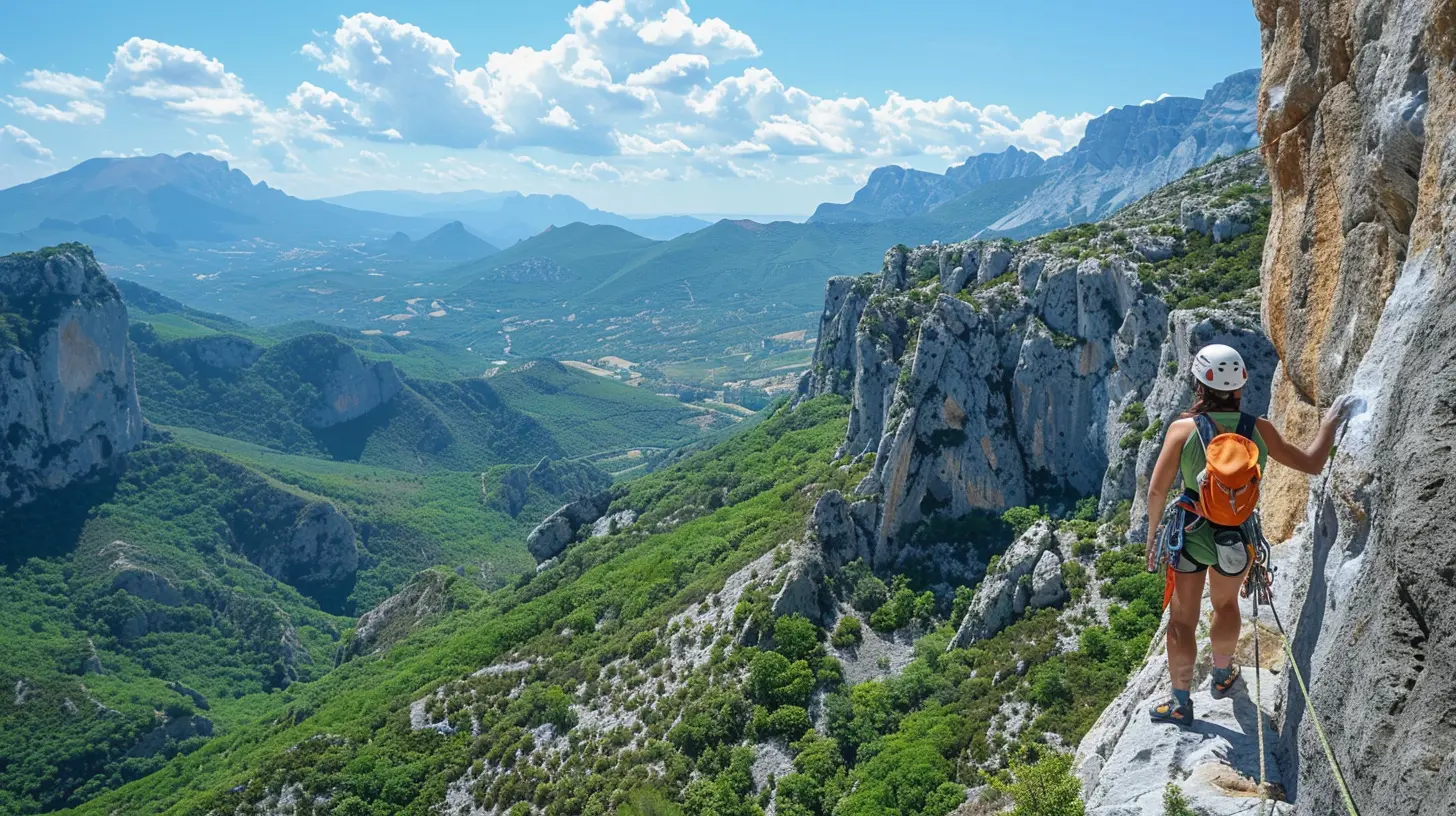
Safety First: Don't Skip This Part!
Rock climbing is an incredible sport, but it comes with risks. Safety should always be your top priority, whether you’re bouldering at your local gym or scaling a granite cliff outdoors. Here are essential safety tips to ensure you’re climbing smart:1. Always Double Check Your Gear
Before every climb, double (even triple!) check your harness, knots, and belay device. It’s better to be safe than sorry.2. Communicate With Your Belayer
Whether you’re climbing with a buddy or at a gym, always communicate clearly with your belayer. Use standard commands like “On belay?” and “Climbing!” to make sure both of you are on the same page.3. Warm Up and Stretch
Don’t skip your warm-up! Climbing can put strain on your tendons and muscles, especially in your fingers and forearms. Stretching beforehand will help prevent injury.4. Know Your Limits
It’s important to push yourself, but it’s just as important to recognize when you’re physically or mentally exhausted. Don’t be afraid to take a break or call it a day.5. Learn How to Fall Properly
Especially when bouldering, learning how to fall is a crucial skill. Try to land on your feet and roll onto your back to disperse the impact, absorbing the fall through your legs.
Final Thoughts
Rock climbing is an exhilarating, full-body challenge that offers a unique blend of athleticism, focus, and strategy. Whether you’re venturing into a climbing gym or heading outdoors, the sport has something to offer for everyone—from weekend adventurers to adrenaline junkies. And the best part? Climbing isn’t just about reaching the top; it’s about the journey, the lessons, and the community you build along the way.So, are you ready to scale new heights?
all images in this post were generated using AI tools
Category:
Adventure SportsAuthor:

Tracie McAdams
Discussion
rate this article
2 comments
Rachael Hernandez
Great insights! Can't wait to start climbing!
April 14, 2026 at 5:02 PM
Tracie McAdams
Thank you! I'm excited for you to start your climbing journey! Happy climbing! 🧗♂️
Paxton Whitley
Ah, nothing like dangling from a cliff, trusting your life to a few chalky holds and a harness that probably hasn't seen a wash since the last ice age. Who needs a cozy couch when you can embrace the thrill of potential plummeting?
March 30, 2026 at 5:01 PM
Tracie McAdams
Absolutely! The thrill is unmatched. Just remember, safety first makes the adventure even better. Enjoy the climb!