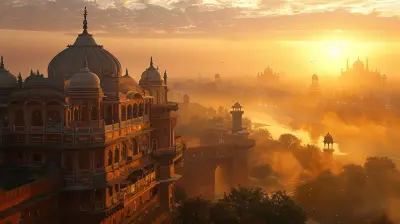
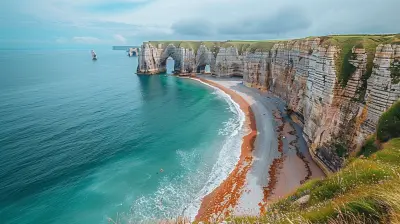
Embracing Global Customs: Festivals That Redefine Tradition
20 December 2025
Let’s get one thing straight—festivals are so much more than confetti, parades, or people dancing in fancy clothes. They’re stories. Living, breathing stories passed down through generations, often with a twist or two. And what’s fascinating is how these traditions sometimes take on new meanings over time, becoming something altogether more vibrant, inclusive, or even unexpected.
So, if you're wondering what it's like to watch color paint the air in India, dance in the icy streets of Scandinavia, or eat fire in the Philippines (figuratively… mostly), buckle up. You’re in for a wild ride around the world through festivals that shake up culture, challenge the norm, and redefine what tradition really means.
Why Festivals Matter More Than We Think
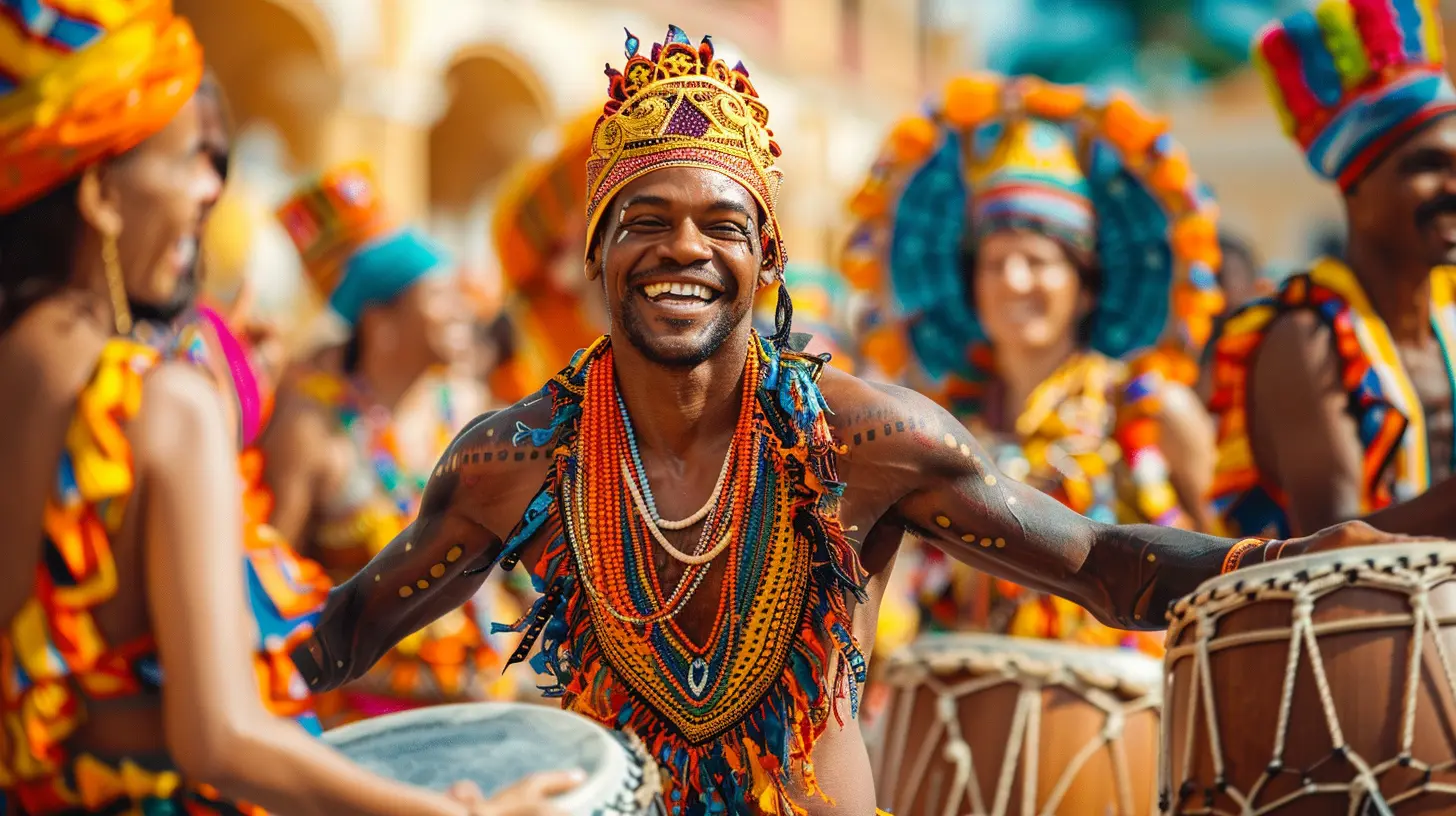
Let’s be honest: tradition can feel a bit dusty sometimes. But festivals breathe life into those traditions, offering a chance to revisit, reimagine, and re-celebrate culture in ways that are actually exciting. They bridge gaps between generations and create a shared experience that’s totally unique to each country—or even each small town.And in a world where we're often glued to screens and caught up in 9-to-5 routines, isn't it refreshing to see people come together, face to face, to just… celebrate? Festivals are not only snapshots of cultural identity—they’re full-blown, immersive adventures for anyone willing to jump in.
Alright, enough of the small talk. Let’s dive in.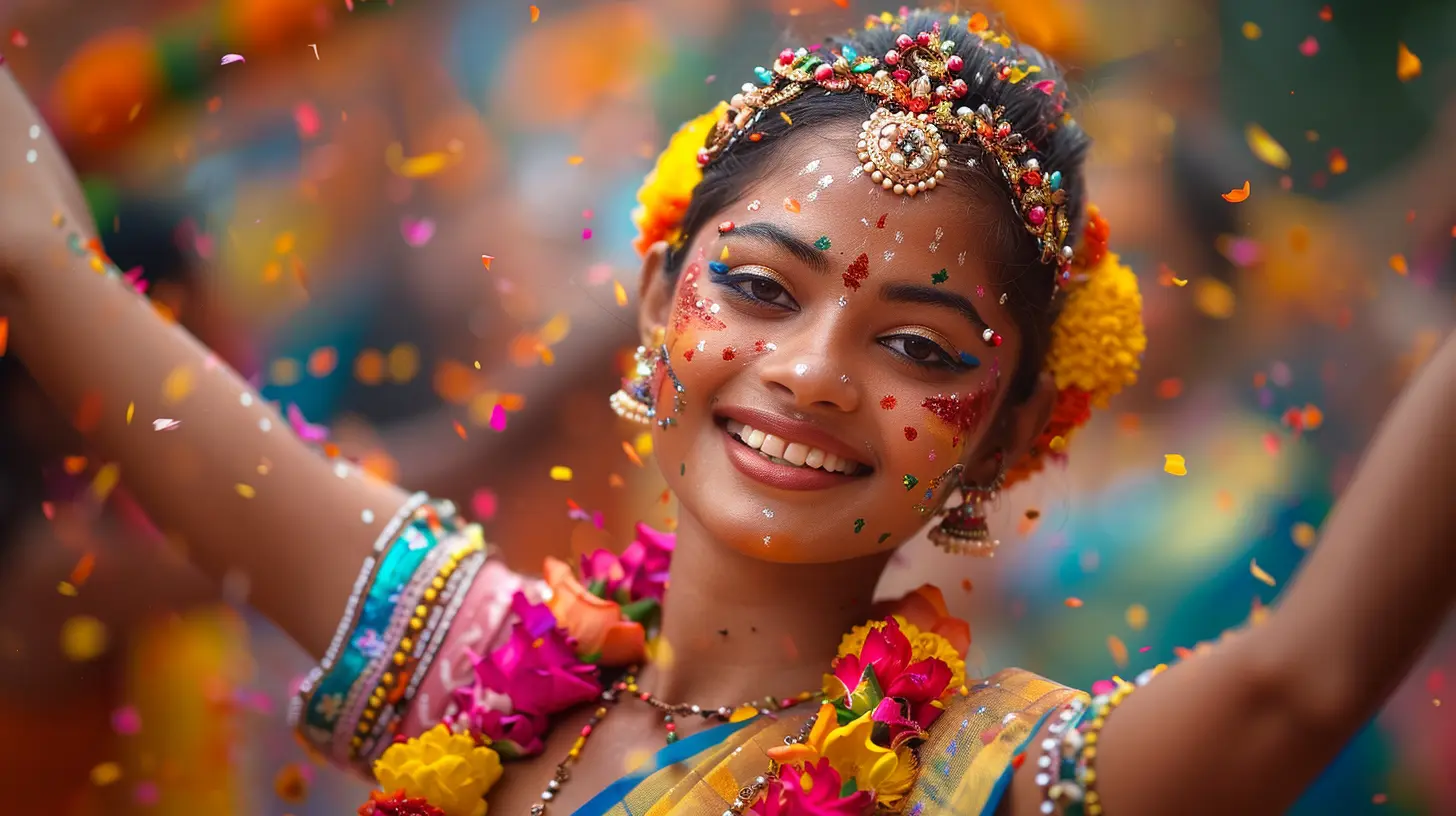
1. Holi (India): Throw Color, Not Shade
Ever wanted to throw powdered paint at your friends without getting into trouble? Holi is for you.This Hindu festival signals the arrival of spring and celebrates the triumph of good over evil. But what makes it unforgettable is the color. Literally. People cover each other in bright, powdered pigments—think neon pinks, greens, yellows flying through the air like a rainbow exploded.
What Makes It Different?
What started as a religious celebration has become a global symbol of unity. Regardless of your background, skin tone, or social status—when you’re drenched in color, everyone’s equal.Pro Tip:
Wear white. By the end of the day, it’ll be a masterpiece you didn’t intend to create.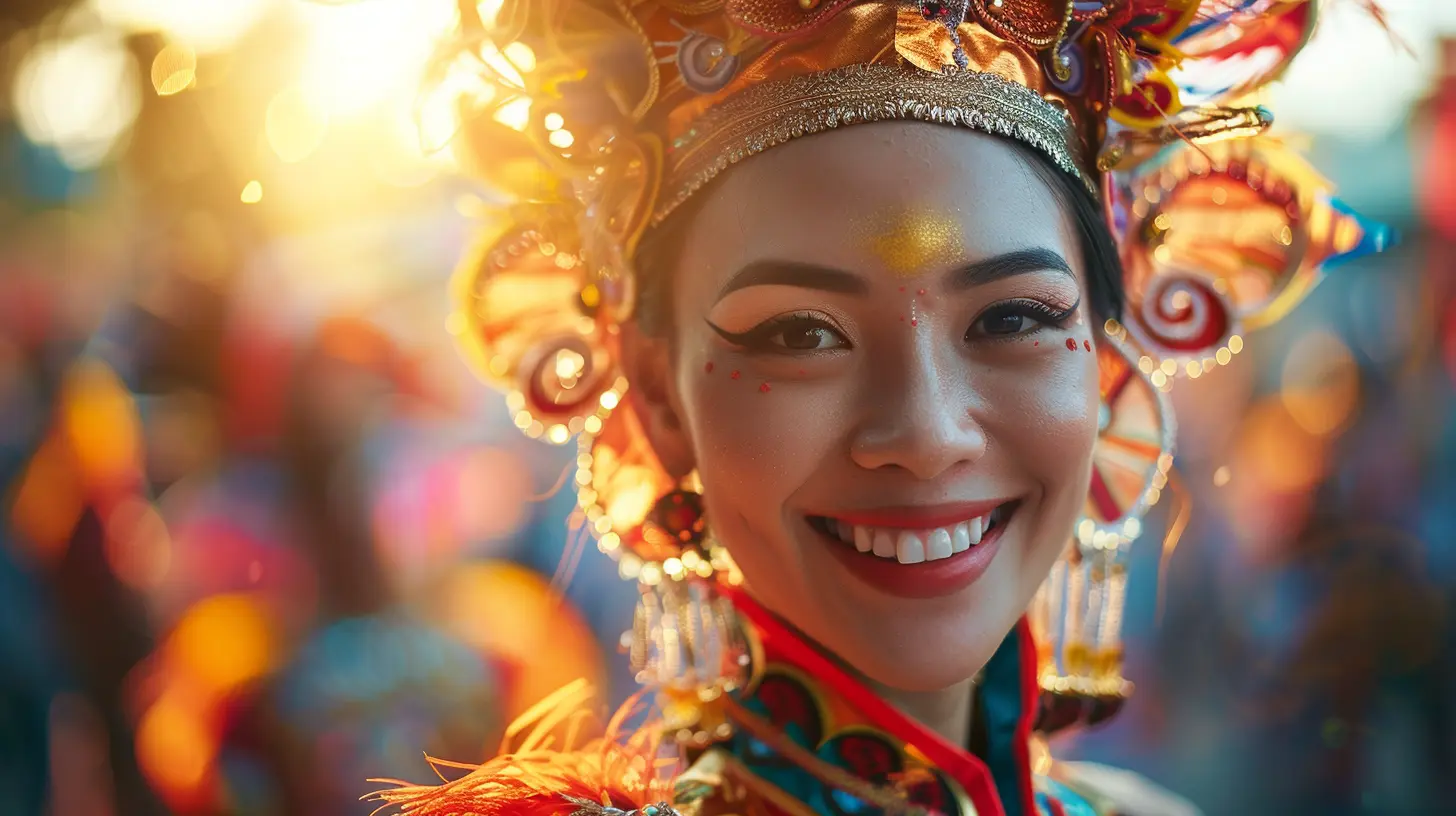
2. La Tomatina (Spain): A Food Fight Gone Wild
Think back to the last time you were told not to play with your food. Now forget all that.La Tomatina is an annual event held in Buñol, Spain, where tens of thousands gather to throw tomatoes at each other. That’s it. No deeper symbolism. Just people hurling squishy red fruit in a massive, joyful brawl.
Why It Redefines Tradition
It’s modern, it’s messy, and it started from a spontaneous street fight in the 1940s. What’s beautiful here is the evolution—it became a festival purely for the sake of fun. Sometimes culture doesn’t need a backstory; it just needs energy.Word of Warning:
You will smell like pasta sauce. Just embrace it.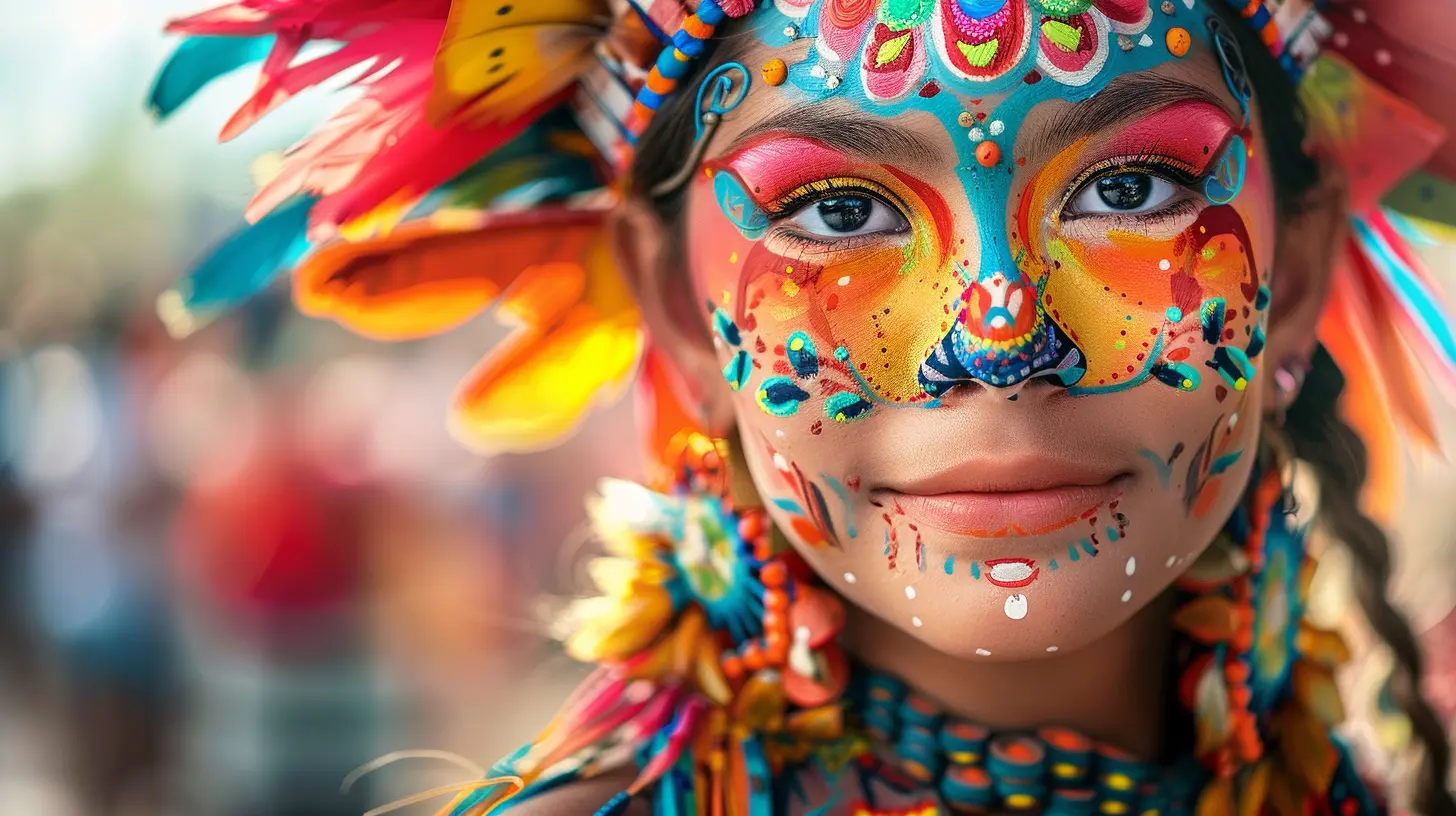
3. Dia de los Muertos (Mexico): Dancing With the Dead
Don’t let the skulls fool you—this isn’t Halloween. Día de los Muertos, or Day of the Dead, is a vibrant Mexican tradition that honors passed loved ones by celebrating their lives.Families build altars, decorate graves, and cook favorite meals of the deceased. Marigolds line the streets, and people paint their faces with intricate skull designs.
Why It Matters
This festival transforms grief into joy. It teaches us that memory shouldn't be a quiet, sorrowful thing—it can be loud, beautiful, and full of music. That’s a perspective shift we could all use.4. Up Helly Aa (Scotland): Viking Vibes in the 21st Century
Imagine this: torch-lit parades in the freezing dark, fierce bearded men in fur and armor, and a giant wooden Viking ship set dramatically on fire. Welcome to Up Helly Aa, Shetland’s wild winter fire festival.Keeping the Flame Alive
It’s not about pillaging or raiding anymore (thankfully). These days, it’s about honoring Norse roots, storytelling, and community leadership. The main character? The Jarl—a local dressed as a Viking chief who leads the parade.It’s Not Just for Show
This isn’t your average historical reenactment. It’s an evolving tradition that empowers locals and keeps ancient lore alive in the most epic, cinematic fashion.5. Carnival (Brazil): Rhythm, Glitter, and Soul
If Mardi Gras had a louder cousin, it would be Brazil’s Carnival. Think samba dancers, massive floats, costumes that defy gravity, and streets that don’t sleep for days.Beyond the Party
Carnival has roots in Portuguese Catholicism, tied to the Lenten season. But in Brazil, it’s also a stage for social commentary, artistic expression, and celebrating Afro-Brazilian culture.What’s Revolutionary?
It lets people tell stories through music and dance—sometimes joyful, sometimes political. It’s a glittering freedom festival that shines a light on both beauty and injustice.6. Songkran (Thailand): A Water Fight With Purpose
Let me paint the picture: sweltering heat, buckets of water, strangers with squirt guns... Songkran, Thailand’s New Year celebration, is basically the most epic water fight on earth.But there’s tradition under all that chaos. Sprinkling water on Buddha statues and elders is meant to purify and bless. It’s symbolic cleansing taken to the next level.
Reinventing a Ritual
Over time, what was once a delicate ceremony evolved into a nation-wide splash-fest. But here’s the kicker—it still holds meaning. Whether you're blessing elders or soaking tourists, it's all about new beginnings.7. Inti Raymi (Peru): Sun Worship Reimagined
Held in Cusco every June, Inti Raymi (Festival of the Sun) is a modern revival of an ancient Incan ceremony. Locals dress in traditional Inca attire, and a reenactment of the emperor’s procession unfolds in full grandeur.Tradition Meets Tourism
While the original ceremonies involved actual sacrifices (yikes), today’s version is purely symbolic. It offers a way for Peruvians to reconnect with pre-colonial heritage while welcoming curious travelers.Why It’s Important
It's a reminder that cultural pride doesn’t have to live in textbooks—it can live in dance, fabric, and fierce golden masks.8. Ati-Atihan (Philippines): When Indigenous and Catholic Collide
Ati-Atihan is often considered the “Mother of All Festivals” in the Philippines. It honors the Santo Niño (Infant Jesus) with parades, tribal wear, and nonstop drumming. But it also pays homage to the Ati people, the island’s original inhabitants.A Cultural Mash-Up
It’s that rare moment where two very different traditions—indigenous and colonial—don’t clash. They co-exist. And the result? A powerful parade of painted faces, feathered costumes, and spiritual chants that shake your soul.9. Nowruz (Iran and Beyond): A New Year That Smells Like Spring
Nowruz is the Persian New Year, and it’s celebrated not just in Iran but across parts of Central Asia, the Middle East, and even the Balkans. It falls on the spring equinox and is deeply symbolic of rebirth and renewal.Fire Jumps and Sweet Rice
From jumping over bonfires to laying out a Haft-Seen table full of symbolic items (like garlic, coins, and apples), Nowruz is dripping with meaning. It’s ancient, it’s poetic, and it’s oddly refreshing in a hyper-digital world.10. Burning Man (USA): Rewriting the Rulebook of Festival Culture
Okay, you might argue that Burning Man isn’t a "traditional" festival. But that’s what makes it so fascinating—it’s a tradition of breaking tradition.Held in the sweltering Nevada desert, it’s an artistic, experimental gathering where money means nothing, creativity is currency, and a giant wooden man is burned to the ground at the end.
Tradition In Progress
This event reinvents what community and culture can look like. It’s not tied to a nation or religion—it’s tied to human expression. And in a world of boundaries, that’s revolutionary.What These Festivals Teach Us About Culture
Here’s the deal: tradition isn’t set in stone. It’s more like clay—shaped and reshaped by the hands of each generation.These festivals take old customs and give them new life. Sometimes that means adding color bombs or tomato fights; other times it’s about honoring ancient rituals with modern flair. But in every case, they connect people—across borders, beliefs, and backgrounds.
So next time you think of tradition as something rigid or boring, remember: it can be loud, messy, colorful, and even a little rebellious. Just like us.
Ready to Pack Your Bags (and Maybe a Costume)?
If you’re craving a cultural experience that’s more than just sightseeing, festivals are where it’s at. They’re immersive, unforgettable, and often transformational. And who knows? You might return not just with souvenirs, but with a fresh take on what it means to truly connect with people and stories around the world.So—where will you celebrate next?
all images in this post were generated using AI tools
Category:
Cultural FestivalsAuthor:

Tracie McAdams
Discussion
rate this article
2 comments
Samira Young
What a wonderful exploration of diverse festivals! Embracing these global customs not only enriches our experiences but also fosters unity and understanding. Let’s celebrate and learn from each other!
January 22, 2026 at 5:04 PM
Tracie McAdams
Thank you! I’m glad you enjoyed the exploration of these diverse festivals. Celebrating our differences truly brings us together!
Gisela McClure
This article wonderfully captures the essence of global festivals, showcasing how they celebrate cultural diversity and foster community spirit. A beautiful reminder of tradition's evolution and the joy of connection!
January 14, 2026 at 5:00 PM
Tracie McAdams
Thank you! I'm glad you enjoyed the article and appreciate the celebration of cultural diversity and community spirit in global festivals.