Camping in National Parks: Expanding Your Adventure Horizons
7 July 2026
There’s something magical about pitching a tent under a canopy of stars, roasting marshmallows by the fire, and waking up to the sound of birds instead of your alarm clock. If you’ve ever craved this kind of escape, camping in national parks might just be your next favorite thing. These natural playgrounds are scattered across stunning landscapes, offering endless adventures for anyone ready to break free from the concrete jungle.
So, grab your gear, pack your cooler, and let’s hit the trail. You’re about to find out how national parks can turn your simple camping trip into an unforgettable journey.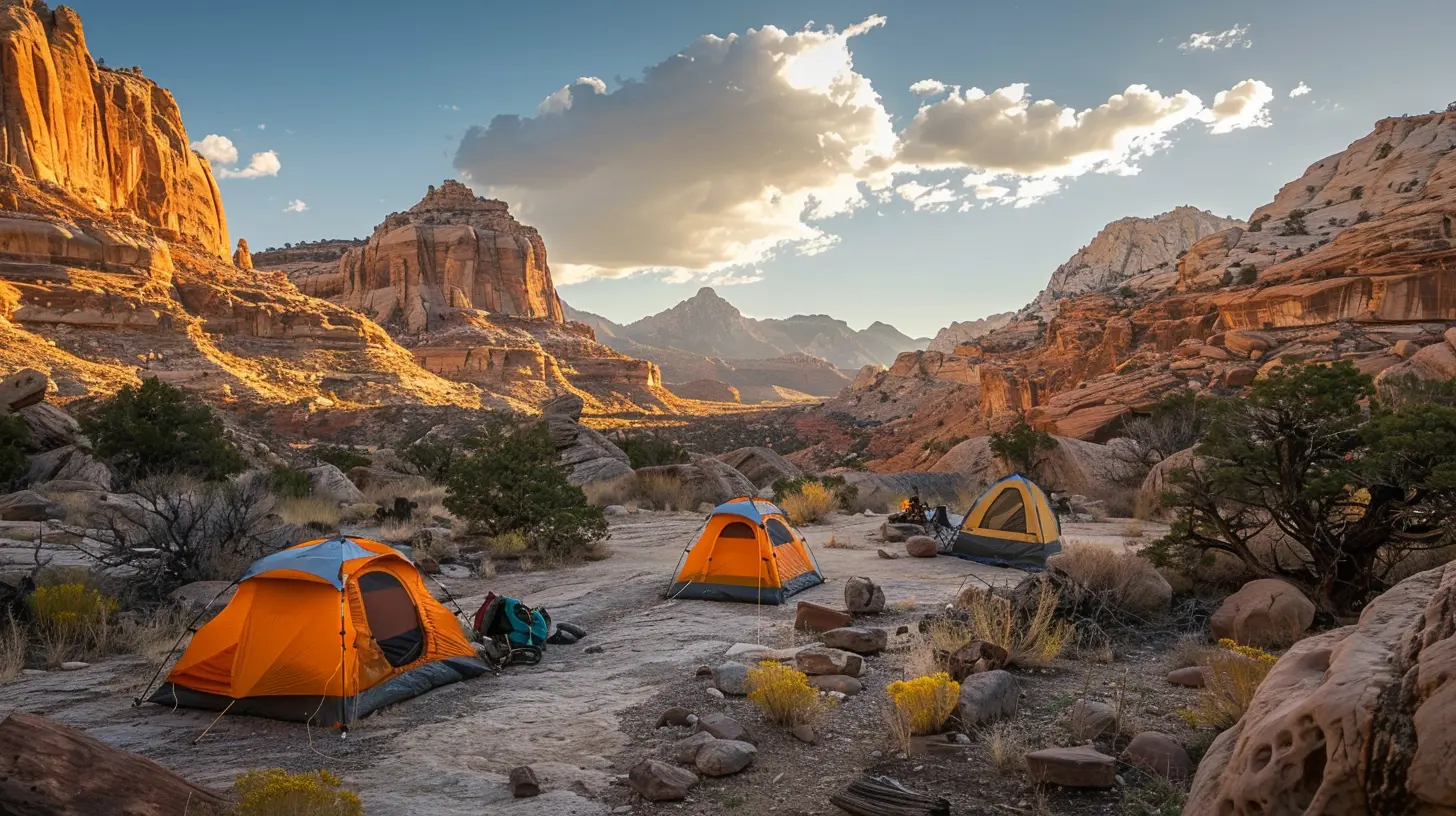
Why National Parks Are a Camper’s Paradise
Let’s face it—camping in a random forest or by a roadside just doesn’t hit the same as waking up in a place like Yosemite or Zion. National parks were designed to protect the best slices of nature, which makes them top-tier spots for adventure seekers.Think about it: these parks come with jaw-dropping views, miles of well-kept trails, and often a front-row seat to wildlife just doing their thing. Whether you're into stargazing in the desert, hiking alpine trails, or simply chilling by a serene lake, national parks deliver the goods.
Plus, with designated campgrounds, you're not just plopping a tent anywhere. You get safe, clean spaces often equipped with basic amenities—and the best part is, you’re always just a few steps from nature at its wildest and finest.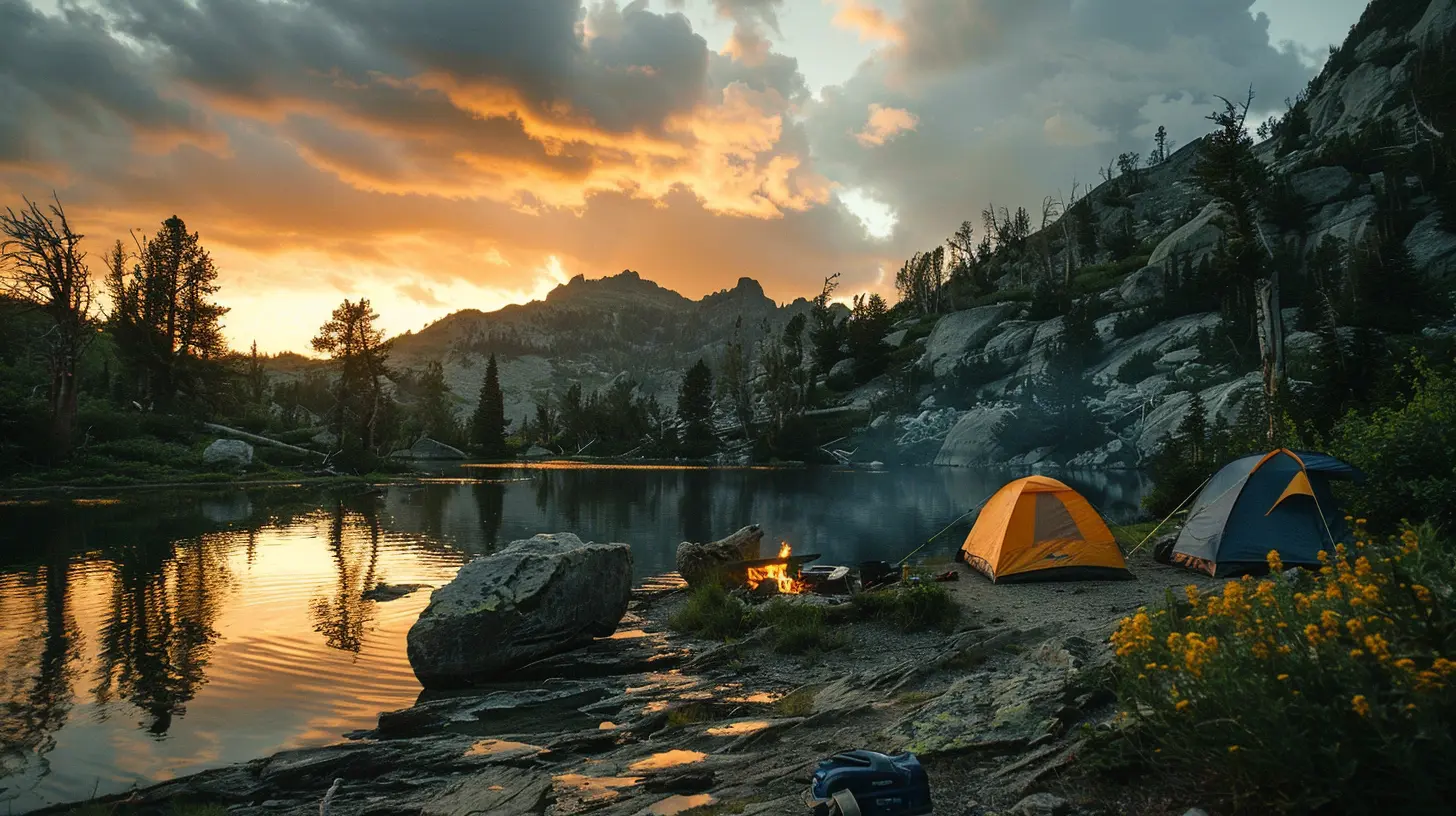
Types of Camping in National Parks
Not all camping is created equal. Depending on your style (and your gear), you’ve got options. Let’s break it down.1. Tent Camping
This is the classic, rough-it-a-bit kind of camping. You set up your tent, sleep under the stars, and wake up to the feel of fresh dew on your face. Most national parks offer tent sites with fire rings and picnic tables. Some even have flush toilets and drinking water nearby. It’s like rustic comfort.2. RV Camping
If you’ve got a camper van or a full-on RV, you’re golden. Many parks have spaces designed specifically for RVs with hookups for water and electricity. It’s the sweet spot between outdoor fun and creature comforts.3. Backcountry Camping
Feeling adventurous? Backcountry camping means hiking into remote areas and setting up camp far from the crowds. You’ll likely need a permit—and solid wilderness skills—but the pay-off is pure solitude and stunning, untouched views.4. Glamping (Yes, It’s a Thing!)
If you like the idea of nature but not the dirt-under-your-nails part, glamping might be in your wheelhouse. Some parks or nearby private sites offer luxury tents or cabins with real beds, electricity, and even gourmet meals. Not too shabby, right?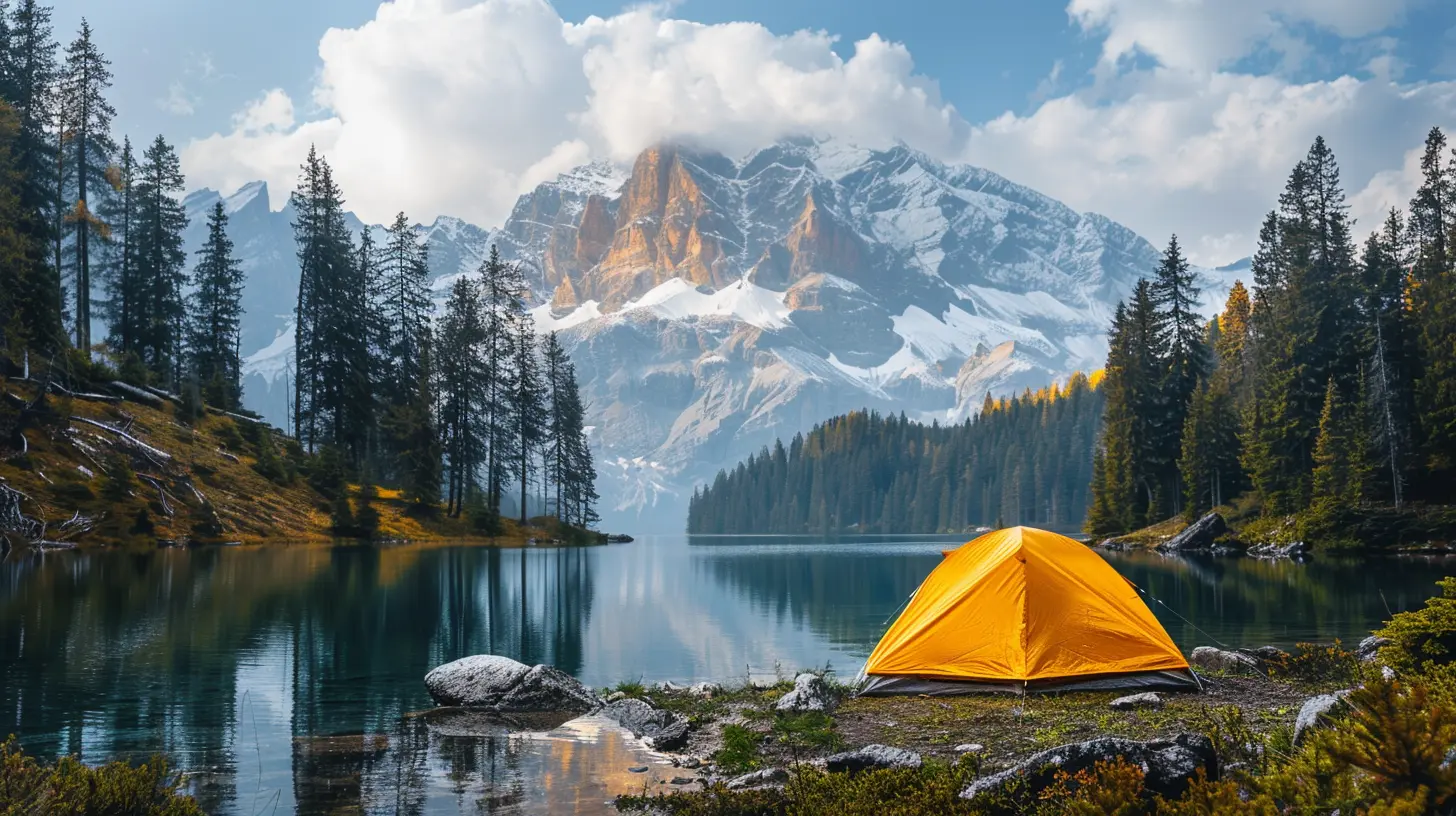
Top U.S. National Parks for Camping
With over 400 national parks across the U.S., choosing where to go can feel like picking your favorite ice cream flavor. Here are a few that truly stand out:Yosemite National Park (California)
Granite cliffs, ancient sequoias, and waterfalls that’ll leave you speechless—Yosemite is the GOAT of national park camping. Popular campgrounds like North Pines or Tuolumne Meadows are often booked months in advance, so plan early!Grand Teton National Park (Wyoming)
Imagine waking up with the towering Tetons reflecting in a still alpine lake. Yeah, it’s that good. The park offers several campgrounds with views that look straight out of a travel magazine.Great Smoky Mountains National Park (Tennessee/North Carolina)
This one’s for those who love the misty mountains and lush forests. With abundant wildlife and over 10 campgrounds, the Smokies offer something for every camper—whether you're a weekend warrior or a seasoned explorer.Arches National Park (Utah)
Ever seen a sunset through a natural sandstone arch? It’s surreal. Arches has just one main campground (Devils Garden), but what it lacks in quantity, it more than makes up in cinematic beauty.Glacier National Park (Montana)
Nicknamed the "Crown of the Continent," Glacier is pure wilderness. Remote campsites, glacier-fed lakes, and seriously epic trails—it’s the ultimate escape from civilization.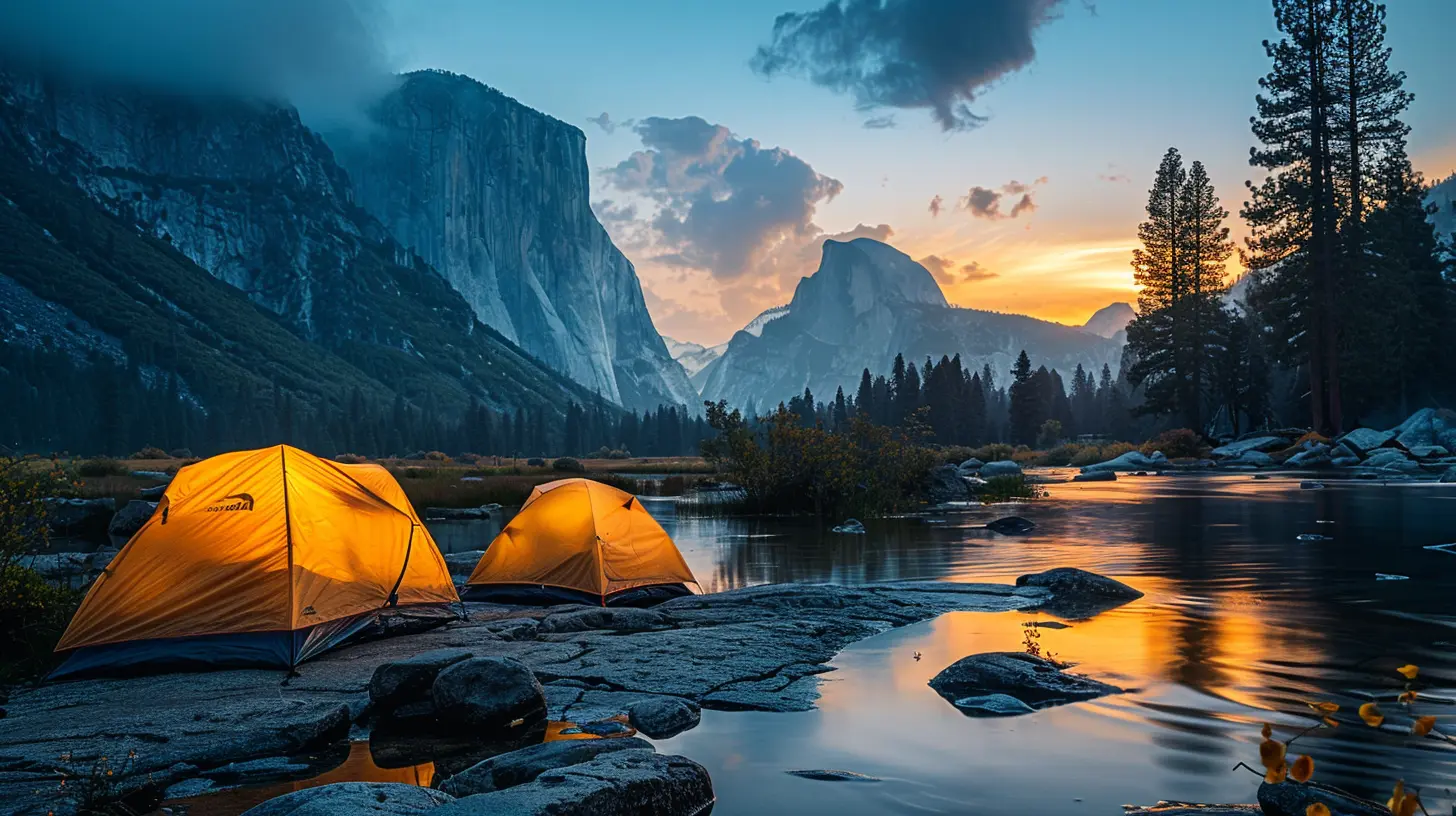
What to Pack for a National Park Camping Trip
Let’s be real—you don’t want to be “that person” who forgets the flashlight or has to fashion a pillow out of a rolled-up hoodie. Here’s a quick checklist to keep you prepped and stress-free:- Tent (with stakes and rain fly)
- Sleeping bag & sleeping pad (comfort is key)
- Headlamp/flashlight (bring extra batteries)
- Camp stove or grill (plus fuel)
- Cookware & utensils
- Cooler and food storage (animal-proof if required)
- First aid kit
- Map & compass or GPS
- Water bottles or hydration system
- Toiletries & biodegradable soap
- Layered clothing (weather changes fast!)
- National Park Pass or permits
Bonus tip: Always check the park’s site beforehand. Some require specific gear, and others might have fire bans or water limits.
Tips for Making the Most of Your Camping Experience
Camping is half preparation, half improvisation. Here’s some advice to help you soak in every second.1. Book Early (Like, Way Early)
Popular parks can be booked up months in advance. Set a reminder or sign up for booking alerts—especially if you're aiming for peak season.2. Respect Wildlife (They're Not Disney Characters)
Bears, elk, raccoons—they're cute, but they’re wild. Keep your food locked up, stay a safe distance, and never, ever feed the animals. It’s better for you and better for them.3. Leave No Trace
This is huge. Always clean up after yourself, stay on trails, and follow the Leave No Trace principles. If everyone does their part, these parks will stay pristine for generations.4. Go Off the Beaten Path
Sure, the main attractions are famous for a reason. But take time to wander a little further. Some of the best moments come from discovering a hidden viewpoint or a quiet stream away from the crowds.5. Embrace Digital Detox
National parks aren’t exactly known for their Wi-Fi. Take it as a sign to unplug. Listen to the wind in the trees, stare at the stars, and actually talk to the people you’re camping with. Mind-blowing, right?Camping Safety: Better Safe Than Sorry
Adventure is awesome—but getting into trouble out there? Not so much. Here’s how to keep things safe and smooth.- Weather Check: Always check the forecast. Sudden rain or snow can change everything.
- Tell Someone Your Itinerary: If you’re heading off-grid, let someone know your plans.
- Pack a First Aid Kit: From blisters to sprains, be ready.
- Stick to Trails: It’s easy to get lost, even if you think you know the way.
- Fire Safety: Obey fire rules and fully extinguish your fire before hitting the sack.
Making Memories That Truly Last
Camping gives you the chance to slow down and reconnect—with nature, with others, and even with yourself. Whether you’re hiking to a stunning overlook, laughing around the campfire, or just sipping coffee with a view, these are the moments that stick.National parks aren't just places you visit. They're places that stay with you. The colors of the sunset, the sound of the river, the feeling of accomplishment after a tough hike—it all becomes part of your story.
So, what are you waiting for? Maybe it’s time to lace up those boots, dust off the tent, and start writing your next chapter—out under the stars.
Final Thoughts
Camping in national parks isn’t just a weekend getaway—it’s an experience that feeds the soul. You unplug from the daily grind and plug into something much bigger: wild spaces, timeless beauty, and memories that’ll warm your heart long after the last embers fade.Whether you're a first-timer or a veteran camper, there’s always a new trail to hike, a new night sky to marvel at, and a new adventure waiting just around the bend.
So go ahead—expand your adventure horizons. National parks are calling.
all images in this post were generated using AI tools
Category:
Camping TravelAuthor:

Tracie McAdams
Discussion
rate this article
1 comments
Shelby Hamilton
What secrets lie beneath the stars? Explore the whispers of nature, where each campfire tells a tale waiting to be discovered...
August 17, 2026 at 2:28 AM