Historic Havens: World Heritage Sites That Shaped History
12 December 2025
History isn't just about dusty books and ancient scrolls—it's alive, breathing, and etched into the very stones of the world's most iconic landmarks. From awe-inspiring ruins to cities frozen in time, UNESCO World Heritage Sites stand as guardians of history, whispering stories of empires, revolutions, and civilizations long gone.
In this cheerful journey through time, let’s step into some of the most remarkable historic havens that have shaped our world. Pack your virtual bags, because we’re about to traverse continents and centuries! 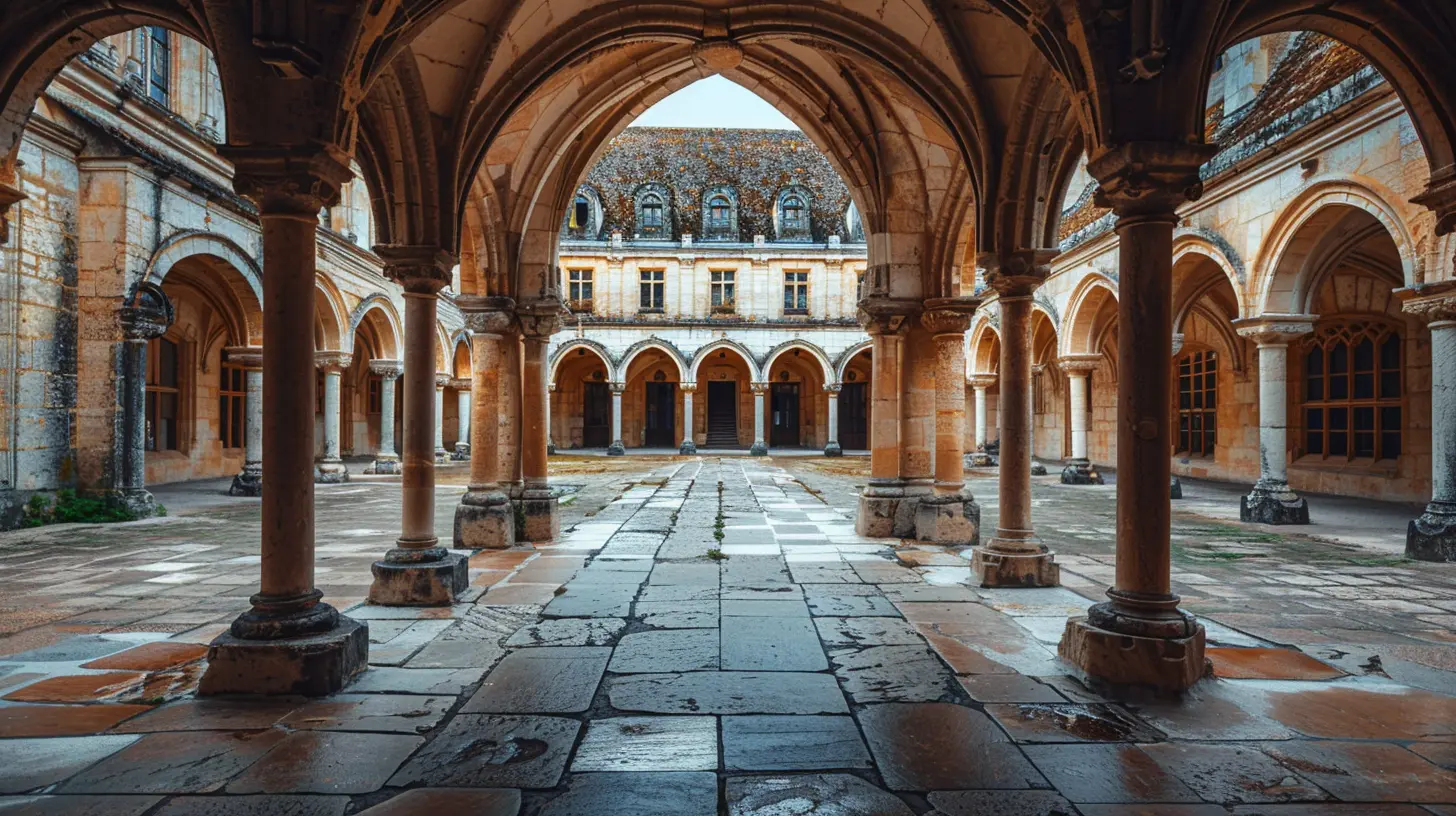
1. Machu Picchu – Peru’s Crown Jewel
Perched high in the Andean mountains, Machu Picchu is a mesmerizing Incan citadel that defies both gravity and time. Built in the 15th century and mysteriously abandoned, this breathtaking wonder was hidden from the world until its rediscovery in 1911.Walking through the terraces and temples, you can't help but marvel at the advanced engineering of the Incas. No mortar? No problem! These ancient architects fitted stones so precisely that not even a blade of grass could slip through. It’s like the world’s most intricate jigsaw puzzle, except on a mountain ridge 7,970 feet above sea level.
What makes Machu Picchu extra special? The energy. Whether it's the panoramic views or the mystical aura, visitors often describe an overwhelming sense of peace and wonder. Maybe the Incas knew a thing or two about good vibes! 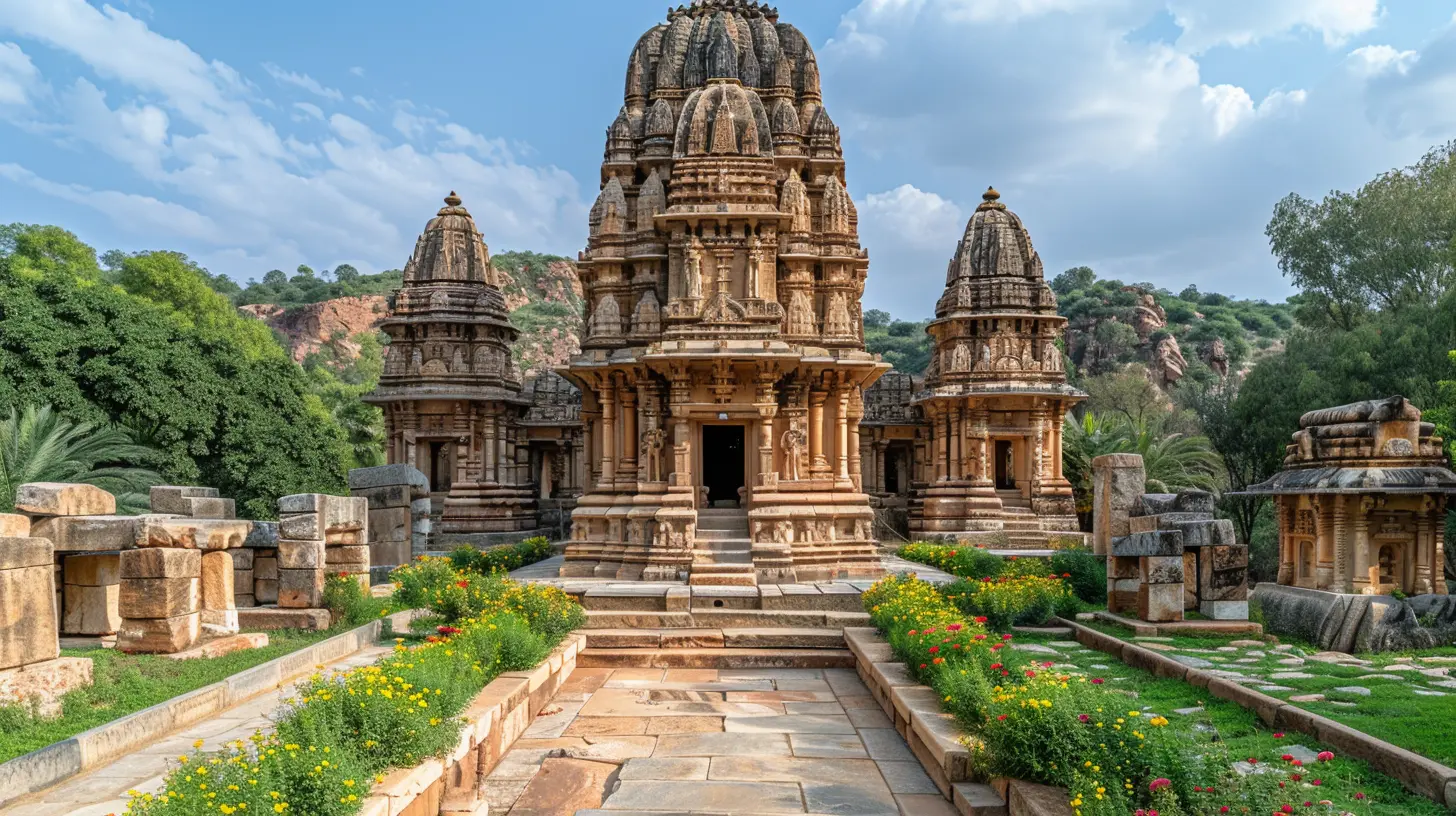
2. The Colosseum – Rome’s Gladiatorial Arena
If walls could talk, the Colosseum would have some jaw-dropping tales to tell. This grand amphitheater, completed in 80 AD, was the heart of Roman entertainment. Picture this: 50,000 roaring spectators, ferocious animals, and epic gladiator battles. Basically, ancient Rome’s version of the ultimate action movie—live and in high definition.Built to showcase Rome’s might, the Colosseum is a marvel of engineering. Despite earthquakes and looters stripping away parts of its beauty, it still stands as a symbol of Rome’s eternal legacy. Want to feel the chills? Stand in the underground chambers where gladiators waited for their moment in the sun—or their fate. 
3. The Great Wall of China – A Marvel of Determination
Stretching over 13,000 miles, the Great Wall of China isn't just a wall—it’s a testament to ambition, perseverance, and human ingenuity. Originally built to protect China from invasions, this colossal structure winds through mountains and deserts like a mythical dragon guarding its kingdom.Imagine the effort! Workers hauled stones and bricks across treacherous landscapes, often working in extreme conditions. But here’s a fun fact: despite popular myths, you can’t actually see the Great Wall from space with the naked eye. Even astronauts agree!
For travelers, walking along its mighty path offers a surreal experience. Some sections are rugged and steep, while others are beautifully restored. Either way, it’s a walk through history—quite literally. 
4. Petra – Jordan’s Rose-Red City
Tucked away in the Jordanian desert, Petra is a city straight out of an Indiana Jones movie. No, seriously—Indiana Jones and the Last Crusade was filmed here!This ancient Nabatean city, believed to have been established in the 4th century BC, is famous for its rock-cut architecture and water channels. The highlight? The Treasury (Al-Khazneh), a mind-blowing temple carved directly into the rose-red cliffs. Imagine sculpting an entire building out of rock with nothing but chisels and pure determination!
Petra wasn't just a pretty face—it was a bustling trade hub linking the East and West. Today, walking through the Siq (a narrow canyon leading to the Treasury) feels like time-traveling to a lost world. The way the morning sun kisses the sandstone walls? Pure magic.
5. The Pyramids of Giza – Egypt’s Timeless Guardians
Speaking of magic, let’s talk about the mind-boggling precision of Egypt’s pyramids. Built over 4,500 years ago, the Pyramids of Giza continue to mystify historians and engineers alike.How did the ancient Egyptians move those massive limestone blocks? Theories range from ramps to alien intervention (okay, that last one is a stretch, but still!). The Great Pyramid of Khufu was the tallest man-made structure for nearly 3,800 years—until the Eiffel Tower came along.
And let's not forget the Sphinx, the enigmatic guardian of the pyramids. What happened to its nose? That remains one of history’s quirkiest mysteries.
Today, standing before these colossal structures under the scorching Egyptian sun is nothing short of humbling. They remind us of humanity’s incredible ability to dream big and build even bigger.
6. Angkor Wat – Cambodia’s Sacred Masterpiece
Ever seen a temple so grand that it could rival heaven itself? That’s Angkor Wat, the world’s largest religious monument, originally built as a Hindu temple before shifting to Buddhism.This 12th-century wonder is Cambodia’s pride and joy, appearing on its national flag (talk about an iconic status!). Its intricate carvings depict epic battles, celestial dancers, and divine beings—a visual history book in stone.
But the best part? Sunrise at Angkor Wat. As the first light of day kisses the temple’s reflection in the moat, you’ll understand why this place is considered one of the most stunning sights on Earth.
7. Stonehenge – England’s Mysterious Monument
Ah, Stonehenge—the world’s most famous circle of rocks. But before you roll your eyes, remember: these stones are over 4,500 years old and weigh up to 25 tons each!How did Neolithic people transport them from miles away? Why was it built? A celestial calendar? A sacred burial ground? A prehistoric alien landing site? We still don’t have all the answers, which only adds to the intrigue.
Seeing Stonehenge in person is an experience like no other. As the wind whispers through the ancient stones, you can’t help but feel connected to a past that remains shrouded in mystery.
8. Chichen Itza – Mexico’s Mayan Marvel
Mexico’s Yucatán Peninsula is home to Chichen Itza, one of the most significant Mayan cities ever built. Its star attraction? The Temple of Kukulcán, also known as El Castillo.This pyramid isn't just for show—it’s a giant calendar! During the spring and autumn equinoxes, a shadow resembling a serpent slithers down the stairs. Talk about ancient special effects!
Beyond the pyramid, Chichen Itza boasts a massive ball court where Mayans played a sacred (and probably brutal) game, as well as an eerie ‘sacred cenote’ where sacrifices took place. Today, it stands as a testament to the Mayans’ astronomical brilliance and deep spiritual beliefs.
Final Thoughts: Why World Heritage Sites Matter
These incredible landmarks aren’t just tourist attractions—they are time capsules preserving human triumphs, struggles, and innovations. They remind us where we came from and inspire us to protect our cultural treasures for future generations.So, which of these historic havens is calling your name? Whether you dream of ascending the steps of Machu Picchu, wandering through Petra’s canyons, or standing in the shadow of the Great Wall, one thing is certain—history is meant to be experienced, not just read about.
And hey, if you can’t visit them all in person, at least you’ve taken this whirlwind tour through time with me!
all images in this post were generated using AI tools
Category:
World Heritage SitesAuthor:

Tracie McAdams
Discussion
rate this article
2 comments
Zethryn Phillips
While "Historic Havens: World Heritage Sites That Shaped History" highlights remarkable sites, it could delve deeper into the cultural narratives intertwined with these locations. Exploring the socio-political contexts and the voices often overlooked would enhance our understanding of their significance in shaping global heritage.
January 17, 2026 at 5:57 AM
Tracie McAdams
Thank you for your insightful comment! I appreciate your suggestion to explore the cultural narratives and socio-political contexts further, as they are indeed vital to understanding the full significance of these heritage sites.
Arianth McAdoo
This article beautifully highlights the profound impact of World Heritage Sites on our collective history. Exploring these treasures offers a unique glimpse into our shared cultural heritage.
December 12, 2025 at 5:37 AM
Tracie McAdams
Thank you for your insightful comment! I’m glad you appreciate the significance of World Heritage Sites in connecting us to our shared history.