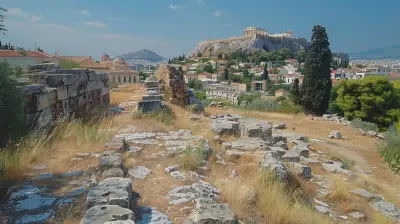
Wonders of the Ancient World: Exploring World Heritage Treasures
29 March 2026
Throughout history, civilizations have built breathtaking structures that continue to inspire awe and wonder. These monuments stand as testaments to human ingenuity, culture, and ambition. Some of these marvels have stood the test of time, while others remain only in legends. Today, we embark on a journey to explore the Wonders of the Ancient World, uncovering their mysteries and significance in shaping our world.
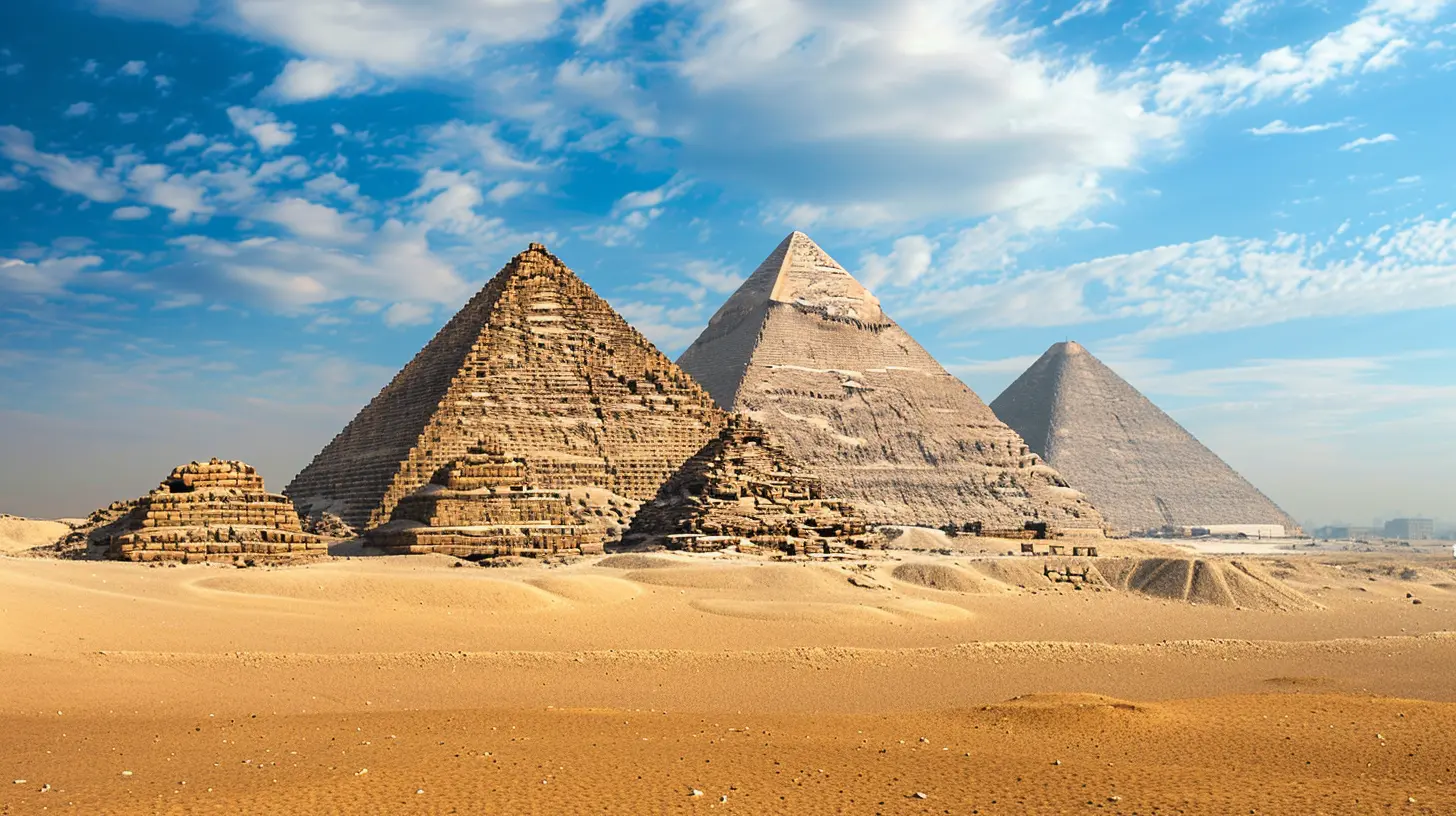
The Seven Wonders of the Ancient World
When we hear "Wonders of the Ancient World," the seven legendary monuments immediately come to mind. These structures were considered the greatest achievements of ancient civilizations. Although many of them no longer exist, their stories have been passed down through generations.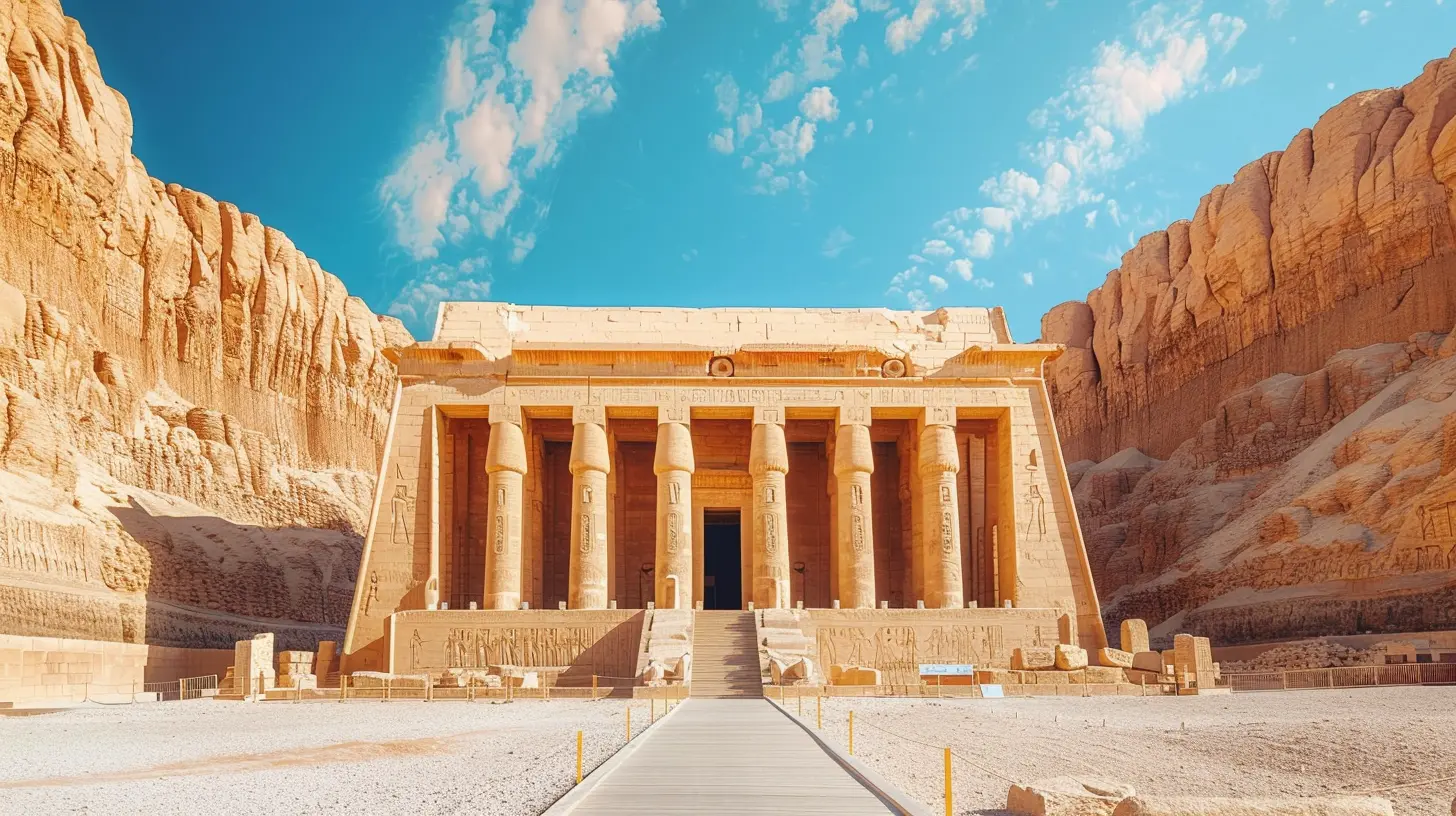
1. The Great Pyramid of Giza (Egypt)
Let’s start with the only remaining wonder—the Great Pyramid of Giza. Built around 2580–2560 BCE for Pharaoh Khufu, this colossal structure continues to leave experts scratching their heads. How did the ancient Egyptians manage such a feat without modern tools?Standing at 146.6 meters (originally), this pyramid held the title of the world's tallest man-made structure for over 3,800 years! The precision of its construction, aligned almost perfectly with the cardinal points, is an engineering mystery. Some theories even suggest lost ancient technologies were involved. Regardless of how it was built, one thing is certain—it remains a symbol of Egypt’s power and ingenuity.
2. The Hanging Gardens of Babylon (Iraq)
One of the greatest mysteries of the ancient world, the Hanging Gardens of Babylon, is often described as a lush paradise built by King Nebuchadnezzar II around 600 BCE. If they truly existed, these gardens would have been an incredible engineering achievement, featuring exotic plants, tiered terraces, and an elaborate irrigation system.The fascinating part? Unlike the Great Pyramid, no physical evidence of the gardens has ever been found. Some believe they may have been a poetic exaggeration, while others speculate they existed but were destroyed over time. Whether real or mythical, the idea of a towering green oasis in the desert still captures our imaginations.
3. The Statue of Zeus at Olympia (Greece)
Imagine walking into a temple and seeing a 12-meter-tall statue of Zeus, the king of the Greek gods, staring down at you. That was the experience awaiting visitors to Olympia, Greece, in the 5th century BCE.Designed by the famous sculptor Phidias, this masterpiece was made of ivory and gold, seated on a grand throne decorated with mythological scenes. Some accounts say mere mortals wept upon seeing it, overwhelmed by its sheer majesty. Sadly, this wonder was lost to time—destroyed in a fire or an earthquake—but ancient texts keep its legend alive.
4. The Temple of Artemis at Ephesus (Turkey)
Standing twice the size of the Parthenon, the Temple of Artemis was a spectacle of grandeur dedicated to the Greek goddess of the hunt. Built around 550 BCE, it was considered one of the most beautiful structures ever created.Lush columns, intricate carvings, and a massive statue of Artemis made it a center of worship and admiration. But fate was unkind to this wonder—it was destroyed and rebuilt multiple times before finally being reduced to ruins. Today, only a single column remains, offering a glimpse of its former glory.
5. The Mausoleum at Halicarnassus (Turkey)
When Mausolus, a ruler of Caria (modern-day Turkey), died in 353 BCE, his wife Artemisia wanted to honor him with a burial unlike any other. What followed was the creation of the Mausoleum at Halicarnassus, a towering tomb adorned with sculptures and reliefs depicting battles and mythological creatures.This mausoleum (the very word originates from Mausolus' tomb) stood for centuries before earthquakes reduced it to rubble. Despite its destruction, its influence on monumental tomb designs can still be seen in structures like the Taj Mahal and Lenin’s Mausoleum.
6. The Colossus of Rhodes (Greece)
Picture a giant bronze statue, as tall as the Statue of Liberty, welcoming sailors into the harbor of Rhodes. The Colossus of Rhodes, built around 280 BCE, was a tribute to Helios, the sun god.This 33-meter monument stood for only 54 years before an earthquake sent it crashing down. Even in ruins, it remained one of the most visited sights of the ancient world. Some say its fallen form inspired medieval depictions of the "Colossus straddling the harbor," though historians argue this was never the case. If it were standing today, it would undoubtedly be a must-visit landmark!
7. The Lighthouse of Alexandria (Egypt)
Ancient travelers navigating the dangerous waters of Alexandria, Egypt, found safety in one of the tallest structures of its time—the Lighthouse of Alexandria. Built in the 3rd century BCE, it stood approximately 100 meters tall, guiding ships with its massive fire and reflective bronze mirrors.For centuries, it remained one of the tallest man-made structures until earthquakes in the medieval period led to its collapse. Today, remnants of the lighthouse lie beneath the harbor, but its legacy as the beacon of the ancient world endures.
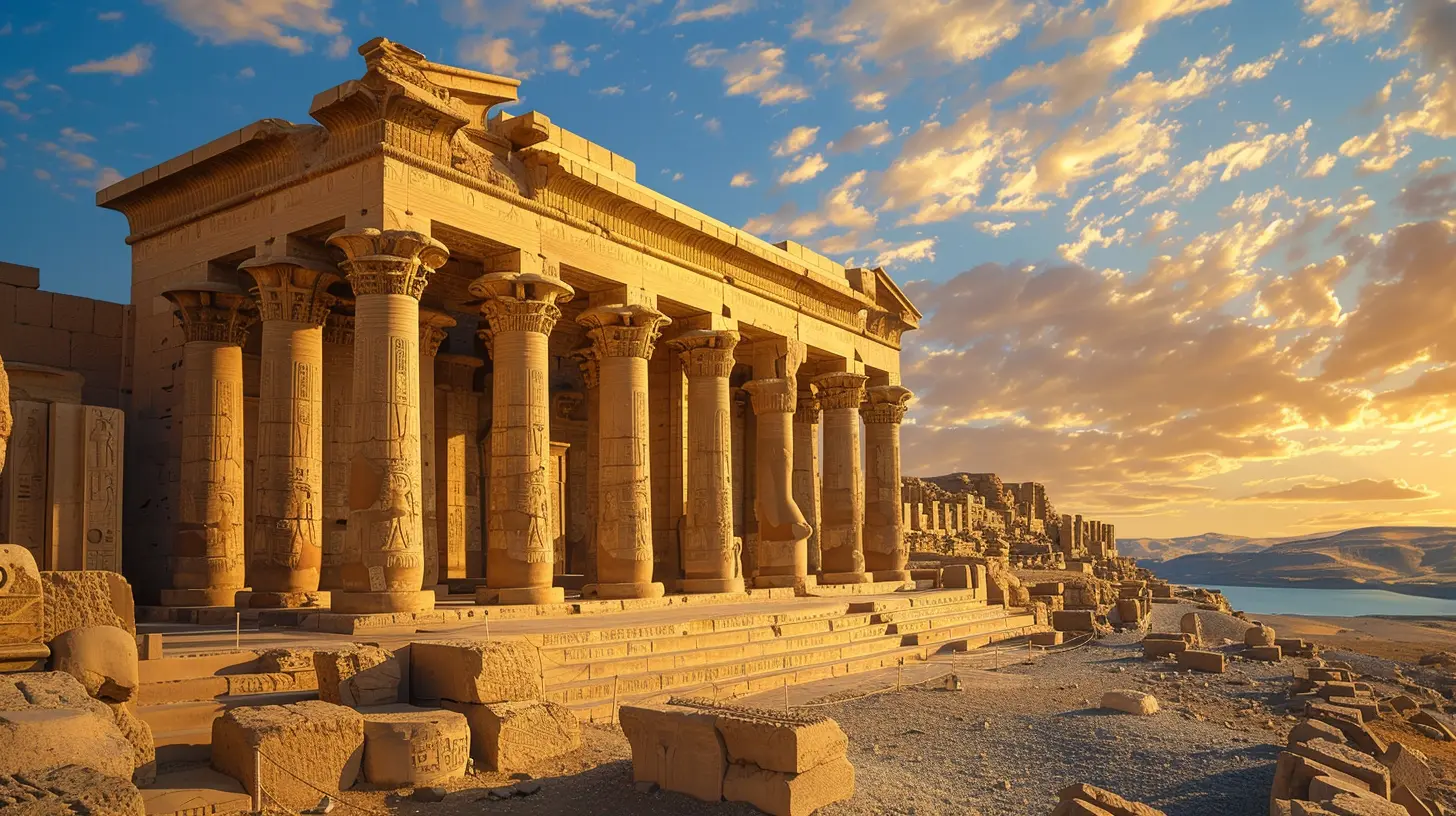
Other Timeless Wonders of the Ancient World
While the Seven Wonders hold a special place in history, many other ancient treasures deserve recognition. Over centuries, civilizations have left behind breathtaking monuments that continue to captivate visitors.1. Machu Picchu (Peru)
Nestled high in the Andes, Machu Picchu is often called the "Lost City of the Incas." Built in the 15th century, this fortress-like city remains mysterious—why was it abandoned? Was it a royal estate or a religious center?No matter the theories, one thing is undeniable—Machu Picchu’s breathtaking beauty and ingenious engineering make it one of the greatest heritage sites in the world. Its precise stonework, agricultural terraces, and panoramic views create an unforgettable experience for those who visit.
2. The Great Wall of China
Stretching over 13,000 miles, the Great Wall of China is a masterpiece of defense architecture. Built to protect China from invasions, its construction spanned several dynasties, with the first walls dating back to the 7th century BCE.Standing atop this colossal structure, one can't help but marvel at the effort it took to build and maintain it. It’s no wonder this wonder remains a bucket-list destination for travelers worldwide.
3. Petra (Jordan)
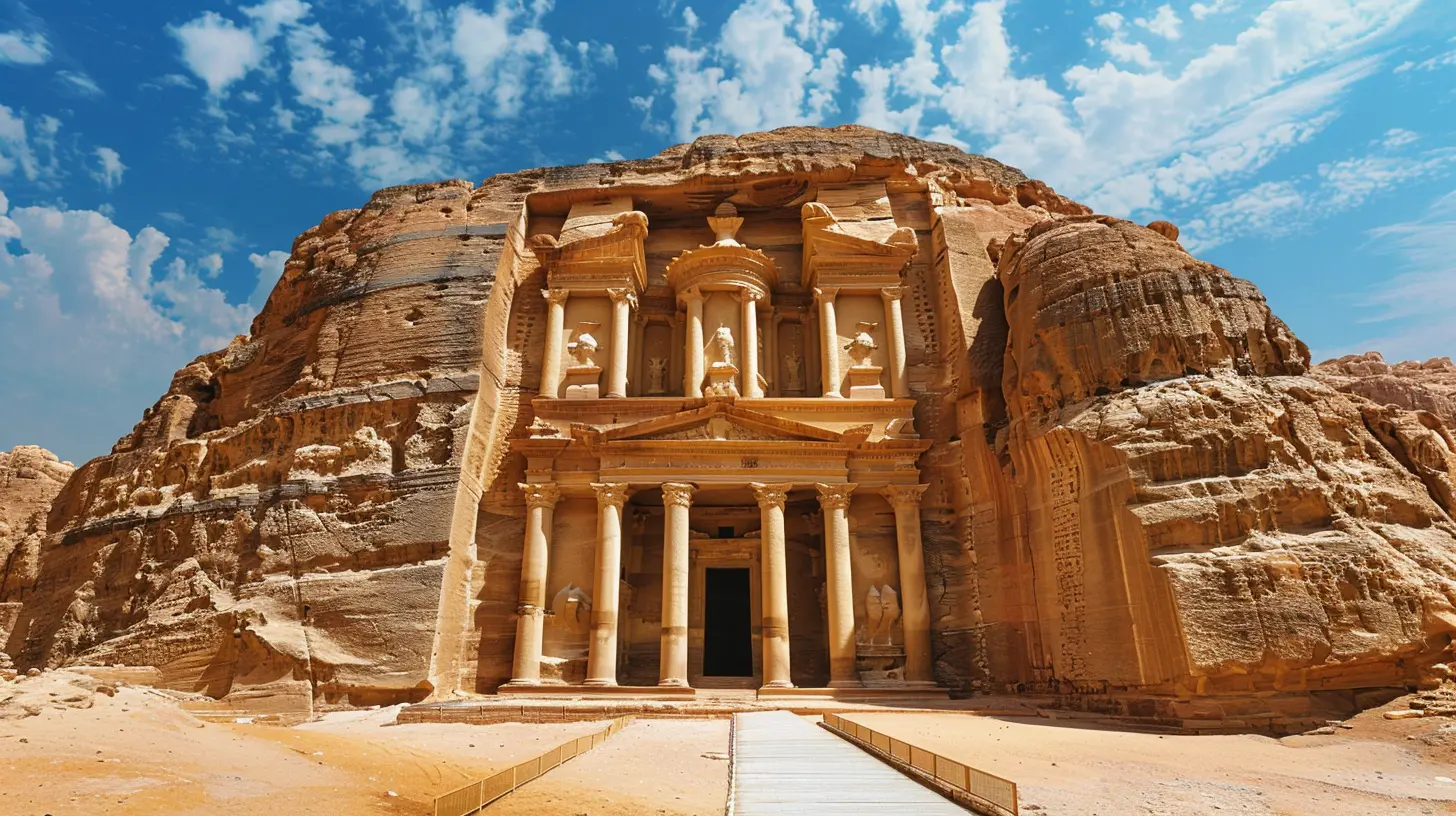
Hidden among rugged cliffs, the ancient city of Petra is an archaeological gem. Famous for its rock-cut architecture, including the stunning Al-Khazneh ("The Treasury"), Petra was a thriving trade hub for the Nabataeans.Its rose-red sandstone cliffs bathed in golden light create an almost otherworldly experience. No trip to Jordan is complete without wandering through its winding passageways, feeling the echoes of a civilization long gone.
4. The Colosseum (Italy)
Rome’s Colosseum is the epitome of ancient entertainment. Built in 70–80 AD, this colossal amphitheater once hosted gladiator battles, wild animal hunts, and grand spectacles for over 50,000 spectators.Even after devastating earthquakes and centuries of wear, the Colosseum remains one of the most visited landmarks globally, a true testament to Rome’s architectural brilliance.
Final Thoughts
The Wonders of the Ancient World are more than just historical sites—they're stories of ambition, innovation, and cultural identity. Whether standing proudly today or existing only in memory, their legacies continue to shape our understanding of the past.Every stone, carving, and ruin carries whispers of a time when civilization pushed the boundaries of what was possible. So, whether you're planning an adventure to see the pyramids or dreaming of lost wonders, these heritage treasures remind us that history is alive in the world around us.
all images in this post were generated using AI tools
Category:
World Heritage SitesAuthor:

Tracie McAdams
Discussion
rate this article
2 comments
Imani McDonough
Step beyond your comfort zone and immerse yourself in the raw beauty of these ancient wonders. They don't just tell history—they ignite your soul and redefine adventure. Embrace it!
April 8, 2026 at 4:21 AM
Tracie McAdams
Thank you! Embracing the wonders of our past truly enriches our journey and fuels our spirit of adventure.
Velvet McDonough
An inspiring journey through history—these wonders truly showcase humanity's remarkable achievements!
March 30, 2026 at 4:52 AM
Tracie McAdams
Thank you! I'm glad you found the journey inspiring—history's wonders are indeed a testament to human creativity and resilience.