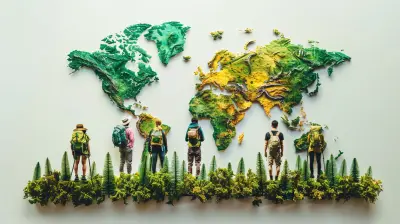
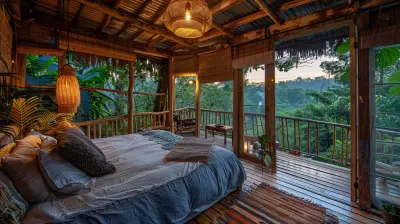
Why Immersive Homestays Will Redefine Travel Experiences by 2026
20 May 2026
You know that feeling when you check into a generic hotel room? The same beige walls, the same plastic-wrapped glass, the same smell of industrial cleaner. It is safe. It is predictable. And honestly? It is a little boring. We have been there, done that, and bought the overpriced souvenir t-shirt.
But here is the thing: travel is changing. Not just the way we book flights or pack our bags, but the very reason we leave home. By 2026, the era of passive tourism is going to fade into the rearview mirror. What is taking its place? Something raw, real, and deeply personal. I am talking about immersive homestays.
Think of it like this. A hotel is a perfectly framed Instagram photo. An immersive homestay is the full, unfiltered video. It is messy, it is loud, and it smells like your host's grandma's kitchen. And that is exactly why it will redefine how we see the world.
The End of the "Tourist Bubble"
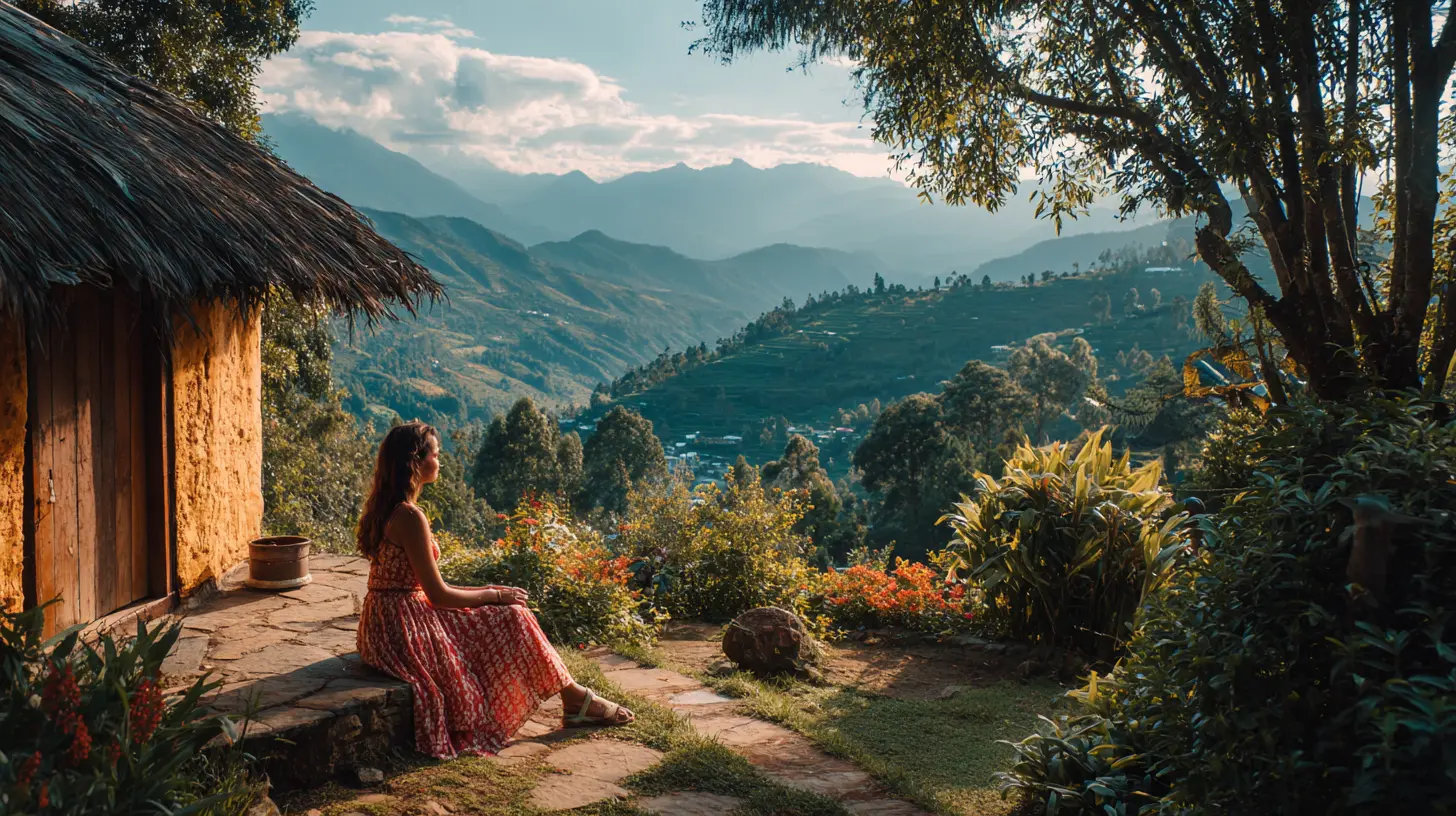
Let us be honest for a second. How many times have you traveled to a new city, only to spend most of your time in a "tourist bubble"? You eat at restaurants that have translated menus. You take a bus with other people holding the same map. You see the sights, but you never really touch the place.This is where the homestay revolution comes in. By 2026, travelers are going to reject the bubble. They want the noise. They want the chaos. They want to know why the old man at the corner shop always hangs his laundry a certain way.
An immersive homestay pulls you out of the spectator seat and throws you onto the field. You are not just visiting a country. You are living inside it, even if only for a few days. Your host is not a concierge. They are a guide to a life you would never find on TripAdvisor.
Why 2026 Is the Perfect Storm
Why 2026? What is so special about that year? It is not a random date. It is the convergence of three big trends.First, we are all tired of digital noise. After years of screens, zoom calls, and virtual everything, our brains are craving something analog. We want to touch wood, smell rain on dry earth, and hear the crackle of a real fire. Homestays offer that tactile escape.
Second, the solo travel boom is not slowing down. More people are traveling alone than ever before. And let me tell you, eating dinner alone in a hotel restaurant is sad. But sharing a meal with a family in their home? That is medicine for the soul. Homestays solve the loneliness problem without forcing you into a group tour.
Third, the rise of slow travel. The days of "7 countries in 10 days" are dying. People want depth, not breadth. An immersive homestay forces you to slow down. You cannot rush a home-cooked meal. You cannot speed through a conversation with a host who does not speak your language. You have to be present.
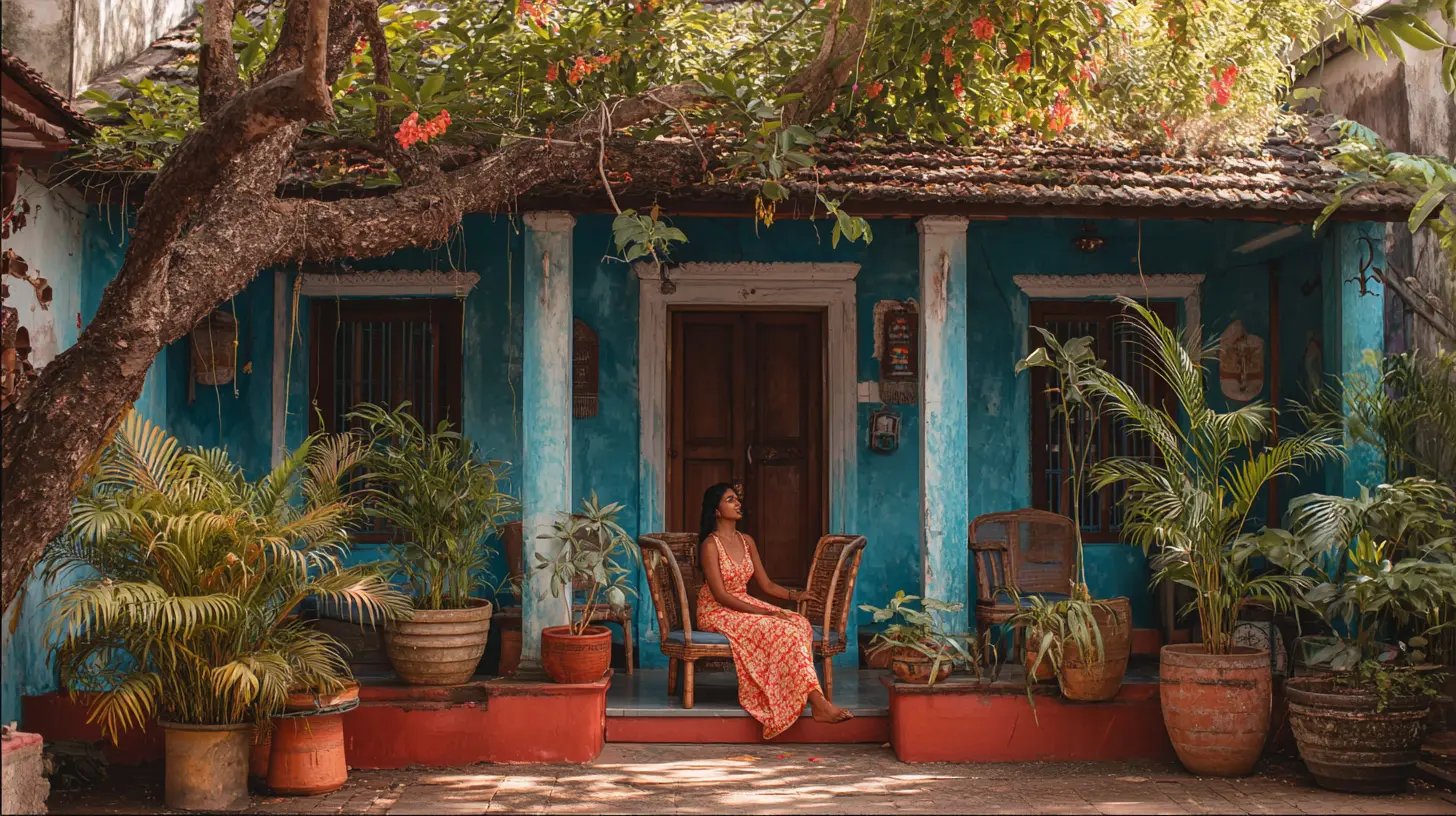
The Secret Sauce: Living Like a Local, Not a Guest
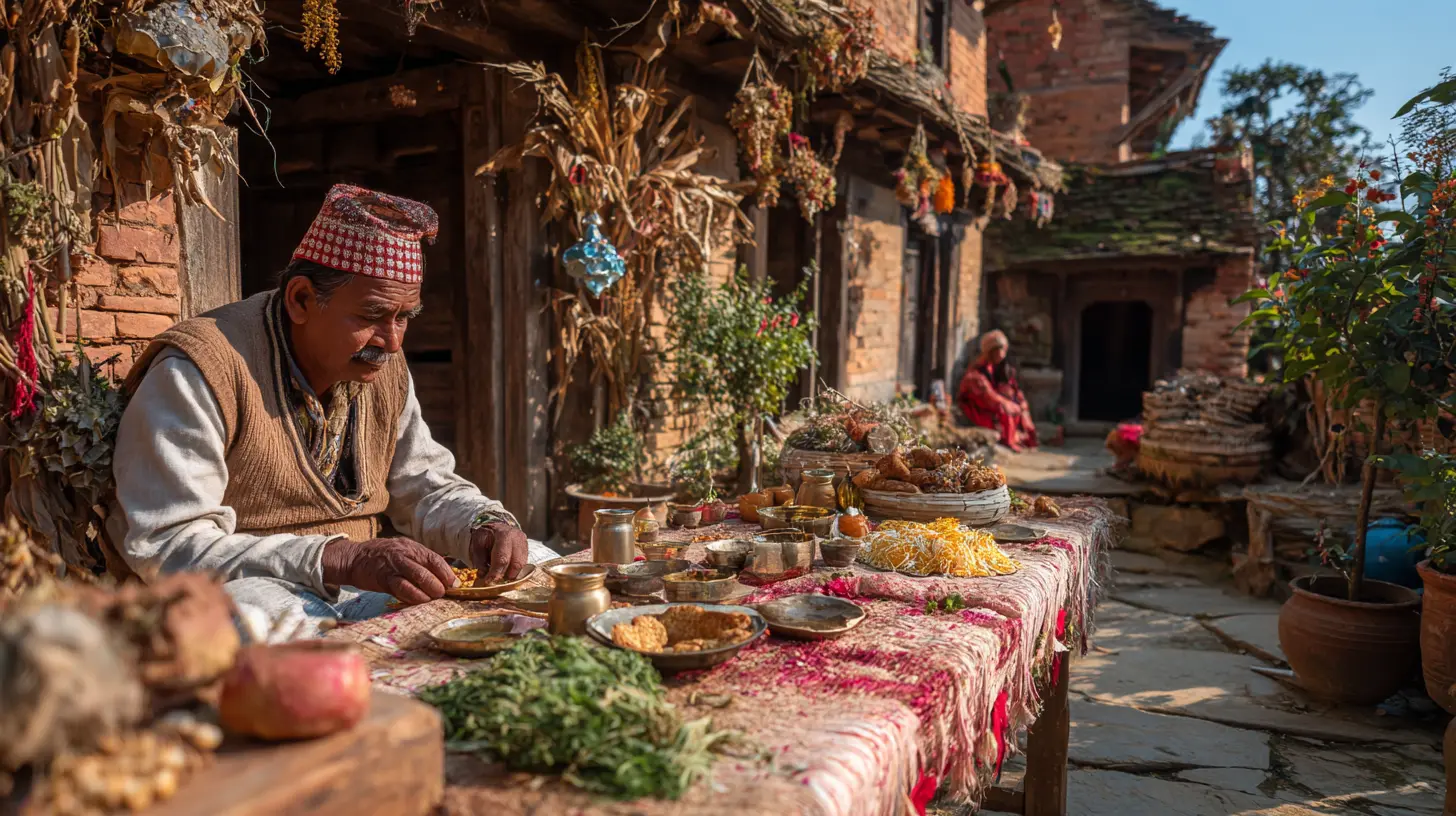
Here is the core of it. An immersive homestay is not just a place to sleep. It is a role reversal. You become a temporary member of the household.Imagine waking up not to a hotel alarm clock, but to the sound of your host grinding spices for breakfast. You do not just eat the food. You learn why they use that specific chili. You help pick the vegetables from the backyard. You learn that the grandmother does not use a recipe. She uses her hands.
This is the part that hotels cannot touch. A hotel can give you a cooking class. A homestay gives you a grandmother who teaches you because she wants you to know her culture. There is a difference, and it is huge.
By 2026, travelers will demand this level of connection. We are moving past the idea of "luxury" as marble floors and a minibar. True luxury will be access. Access to a family story. Access to a skill that has been passed down for generations. Access to a seat at a real table, not a restaurant booth.
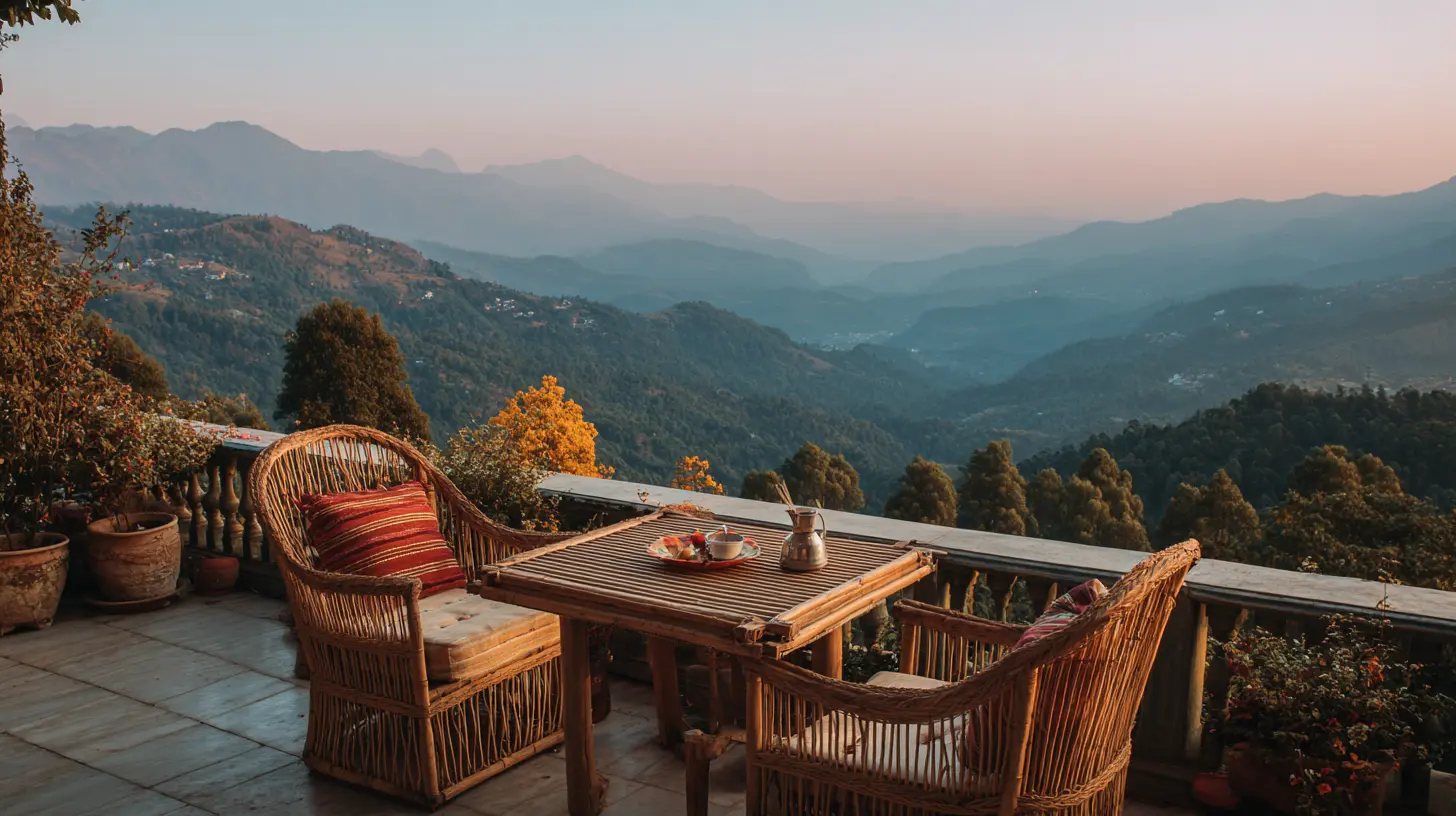
How Technology (Yes, Technology) Will Help
Now, do not roll your eyes. I know I just talked about escaping digital noise. But technology is going to be the bridge, not the barrier.By 2026, platforms that connect guests with hosts will be smarter. They will not just show you a room with good wifi. They will match you based on interests. Are you a baker? You will get matched with a host who makes bread. Are you a fisherman? Your host will have a boat.
Think of it like a dating app, but for cultural exchange. The algorithm will do the heavy lifting, but the real magic happens offline. A quick chat before you book will ensure you are not just a customer. You are a friend they have not met yet.
And let us talk about safety. Many people worry about staying in a stranger's home. That is fair. But by 2026, verification systems will be tighter. Reviews will be more detailed. Video calls will be standard before booking. The fear will fade because the rewards will be too big to ignore.
The Economic Shift: Putting Money Where It Matters
Here is a hard truth. When you stay in a big hotel chain, most of your money leaves the local economy. It goes to a corporate headquarters in another country. It pays for international marketing. It buys fancy soap from a factory far away.An immersive homestay does the opposite. Your money goes directly into the hands of a family. It pays for a child's school supplies. It fixes the roof. It buys ingredients from the local market.
By 2026, conscious travelers will care deeply about this. We are already seeing it with the rise of sustainable tourism. But homestays take it further. They are not just sustainable. They are regenerative. Your visit makes the community stronger, not just less damaged.
Think of it as planting a seed every time you travel. You are not just taking a photo. You are contributing to a story that continues long after you leave.
The Emotional Payoff: Why You Will Remember the Little Things
I want you to think back to your best travel memory. Was it a famous landmark? Or was it a moment? A laugh shared with a stranger. A meal that made you close your eyes. A view that felt like it was just for you.Immersive homestays are factories for those moments. They are not designed for efficiency. They are designed for connection.
Let me give you an example. I once stayed with a family in a small village. The grandmother did not speak a word of my language. But she taught me how to roll dough for a flatbread. She laughed at my clumsy hands. She patted my arm. We communicated through smiles and gestures. I still remember the warmth of that kitchen.
A hotel cannot give you that. A tour guide cannot manufacture that. It only happens when you are a guest in someone's home, not just a customer in a building.
What to Look for in an Immersive Homestay (Your 2026 Checklist)
So, how do you find the real deal? Not every "homestay" is immersive. Some are just cheap rooms with a lockbox. Here is what to look for by 2026.First, look for hosts who offer an experience, not just a bed. A good listing will mention shared meals, local activities, or even a chance to join the family's daily routine.
Second, read reviews for stories, not just ratings. Look for phrases like "we cooked together" or "they showed us the hidden trail." Those are the gold nuggets.
Third, ask questions before you book. Ask your host what a typical day looks like. If they just say "you can explore the city," that is a red flag. A great host will say "on Tuesday, we go to the market early, and my wife makes her famous soup."
Fourth, embrace the discomfort. Yes, the bathroom might be down the hall. Yes, the wifi might be spotty. That is the point. The slight awkwardness is where the growth happens.
The Future Is Human
Look, I am not saying hotels are going to disappear. They have their place. Business trips. Quick layovers. Times when you just need a clean room and a lock on the door.But for the trips that matter? The ones you will tell your grandkids about? Those will be homestays.
By 2026, the line between traveler and local will blur. You will not just visit a place. You will live it, even for a short while. You will come home with more than souvenirs. You will come home with a new perspective, a new recipe, and maybe even a new family.
So, the next time you plan a trip, ask yourself this: Do I want to see a place? Or do I want to feel it?
The answer will point you toward the door of a stranger who is about to become a friend. And that, my friend, is the future of travel.
all images in this post were generated using AI tools
Category:
Cultural ImmersionAuthor:

Tracie McAdams
Discussion
rate this article
1 comments
Amy Murphy
This is an intriguing perspective on future travel. Immersive homestays sound like a game changer.
June 17, 2026 at 3:15 AM
Tracie McAdams
I'm glad you found it intriguing! Immersive homestays really have the potential to transform how we connect with new places and cultures.