Why Culinary Travel Will Be the Next Big Trend by 2026
29 April 2026
Let me ask you something: When was the last time you booked a trip just because of a single meal? Not a fancy restaurant, not a bucket-list dish, but a whole destination chosen for its street food, its spice markets, or the way a local grandma makes tamales on a foggy morning? If you haven’t yet, you will by 2026. I’m not just guessing—I’m watching the signs. Culinary travel isn’t some niche hobby anymore; it’s becoming the heartbeat of modern tourism. By 2026, I predict it won’t just be a trend—it’ll be the default way we explore the world.
Think about it: We’ve all been burned by the “Instagrammable” vacation—the one where you spend more time posing with a piña colada than actually tasting it. People are tired of that. They want connection, not just photos. And what connects us faster than sharing a bowl of pho in Hanoi or a slice of pizza in Naples? Food has this weird superpower: it bypasses language, politics, and awkward silences. By 2026, travelers will realize that the best souvenir isn’t a fridge magnet—it’s the recipe you learned from a stranger’s grandmother.
But why 2026 specifically? Because the world is finally healing from the pandemic hangover, and we’ve all had time to rethink what “travel” even means. We don’t want to just see places; we want to taste them, smell them, and feel them in our gut—literally. So, let’s dive into why culinary travel will explode in the next few years, and why you should start planning your food-centric adventure now.
The Rise of the “Flavor-First” Traveler
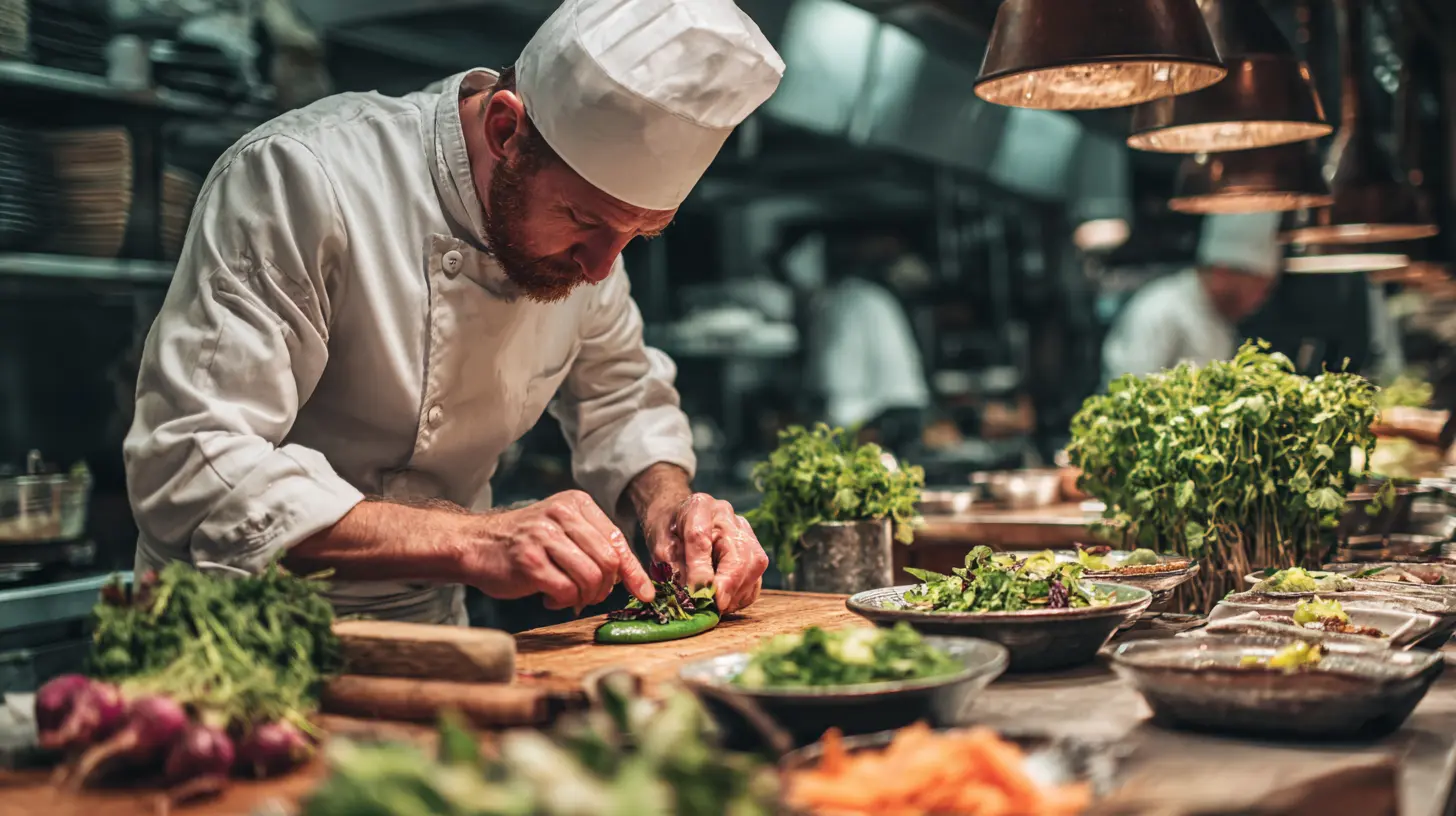
Remember when we used to plan trips around landmarks? “We’ll see the Eiffel Tower, then the Louvre, then…” Yeah, that’s so 2019. The new wave of travelers—let’s call them “flavor-first” explorers—build itineraries around dinner reservations. I’ve seen it happen with my own friends. They’ll fly to Mexico City not for the pyramids, but for a taco crawl in Condesa. They’ll book a flight to Tokyo specifically for a 48-hour ramen marathon. It’s not just about eating; it’s about eating with purpose.By 2026, this mindset will be mainstream. Why? Because social media has already primed us. Platforms like TikTok and Instagram Reels have turned food into a visual currency. You’ve probably watched a 30-second clip of a chef slicing tuna in a tiny Osaka bar and thought, “I need to go there.” That’s the hook. But the real shift is deeper: we’re craving authenticity. The pandemic taught us that life is short, and bland food is a crime. So, we’re chasing flavors that tell stories—the smoky char of a Peruvian anticucho, the tangy funk of Korean kimchi made in a family’s basement.
And here’s the kicker: This isn’t just for foodies. Even casual travelers are getting sucked in. You might not care about Michelin stars, but you’ll remember the time you ate grilled corn with chili powder from a street vendor in Oaxaca. That memory sticks. That’s why culinary travel isn’t a fad—it’s a fundamental shift in how we value experiences over things.
Why 2026 Is the Perfect Storm for Food Tourism
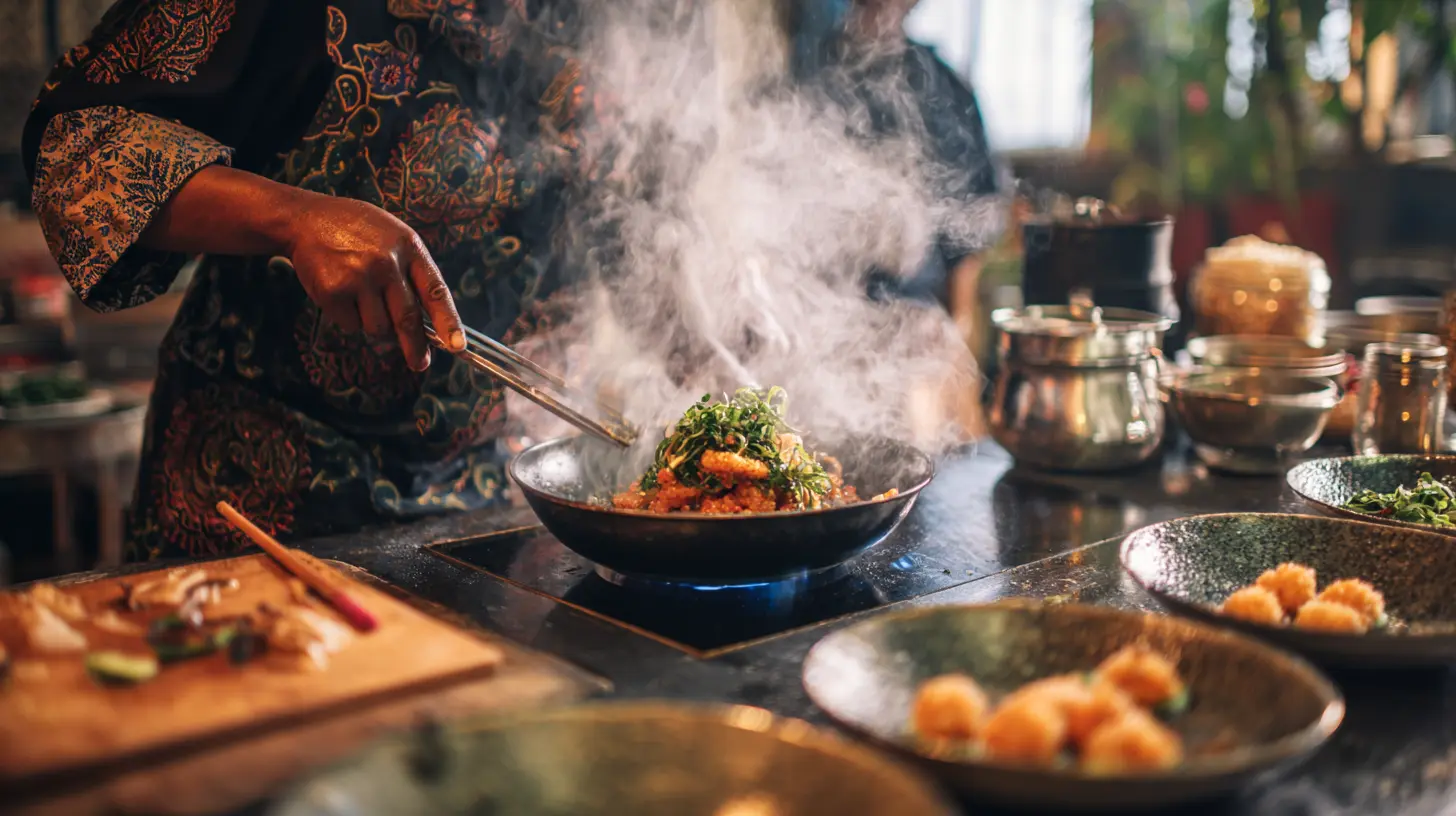
Timing is everything, and 2026 is shaping up to be a culinary travel gold rush. Let me break down the perfect storm brewing right now.First, post-pandemic wanderlust is evolving. We’ve all taken the “revenge travel” trips—the crowded beaches, the overpriced resorts. But by 2026, that energy will mature. Travelers will be more intentional. They’ll ask, “What’s the point of this trip?” Food offers an immediate answer. It’s tangible. You can’t fake the taste of a fresh mango lassi in India. It’s real.
Second, remote work isn’t going away. Digital nomads are already using food as their compass. Why work from a generic coffee shop in Bali when you can work from a cooking class in Chiang Mai? By 2026, more people will have flexible schedules, and they’ll use them to chase seasonal ingredients—like truffle hunting in Italy or cherry blossom-themed sweets in Japan. Your office becomes a kitchen, and your coworker is a local chef.
Third, sustainability is finally cool. Travelers are ditching mass tourism for slow, meaningful experiences. Culinary travel fits this perfectly. You’re not just eating; you’re supporting local farmers, learning about heirloom ingredients, and reducing your carbon footprint by eating what’s in season. By 2026, I bet we’ll see “farm-to-table” trips become as common as beach vacations. Imagine spending a week on a Sicilian farm, pressing olives and making pasta. That’s not a vacation—it’s a life upgrade.
How Culinary Travel Changes the Way We See a Place
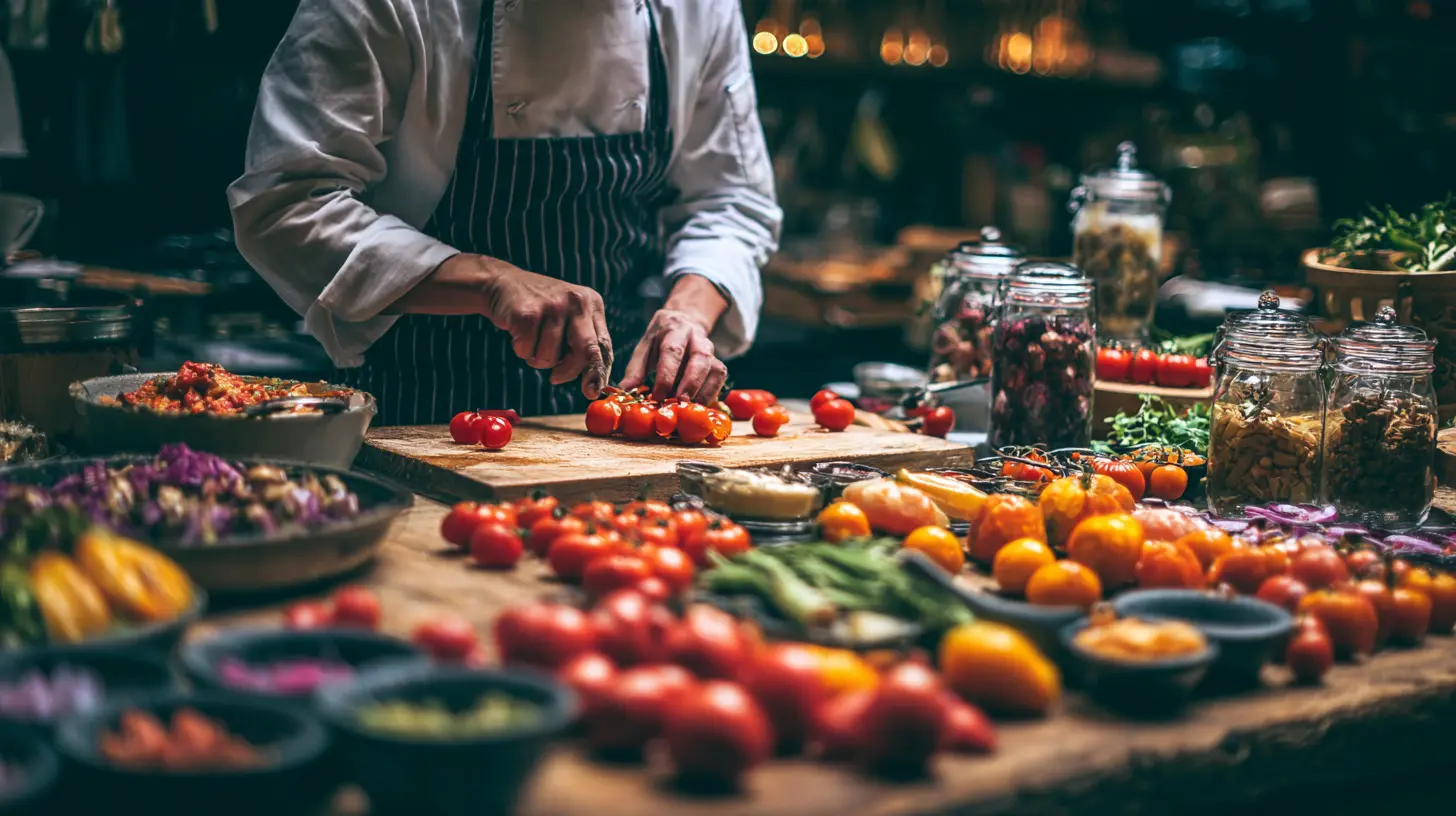
Let me paint you a picture. You’re in Marrakech. If you just visit the souks and the mosques, you’ll have a nice time. But if you take a food tour, you’ll understand the city’s soul. You’ll learn that the tagine isn’t just a dish—it’s a symbol of Berber hospitality. You’ll taste the saffron that was traded along ancient caravan routes. You’ll realize that the mint tea is a ritual, not a beverage.That’s the magic of culinary travel: it turns a destination into a narrative. Every bite tells a story about geography, history, and culture. By 2026, travelers will demand this depth. We’re tired of surface-level tourism. We want to know why the Portuguese love salted cod, why the Japanese obsess over rice, why the Mexicans worship corn. Food is the cheat code to understanding a place without reading a textbook.
And it’s not just about the big cities. The next big trend will be hyper-local culinary tourism. Think small towns, hidden valleys, and forgotten islands. By 2026, you’ll see tours focused on a single ingredient—like the vanilla beans of Madagascar or the olive oil of Crete. These trips will be intimate, often led by locals who’ve been cooking the same way for generations. It’s the opposite of a buffet; it’s a masterclass in place.
The Technology That’s Fueling the Food Travel Boom
You can’t talk about trends without talking about tech. By 2026, technology will make culinary travel smoother than a perfectly emulsified vinaigrette. Apps like Google Maps already let you find the best dumplings in Shanghai, but the next wave will be smarter. Imagine AI that suggests a street food route based on your past cravings, or VR previews of a cooking class before you book. It’s coming.But here’s the human side: Social media algorithms are already feeding us food content like a never-ending buffet. By 2026, platforms like TikTok will have dedicated “culinary travel” categories. You’ll scroll through videos of a woman making injera in Addis Ababa, and within seconds, you’ll have a booking link. The line between inspiration and action will blur. I’ve seen it with my own feed—I’ve booked trips to Lisbon just because of a single video of a pastel de nata being baked.
Also, payment and booking systems will get better. No more fumbling with cash at a market stall. By 2026, local food experiences will be bookable in seconds, with reviews that actually matter. Imagine a platform where you can book a home-cooked meal with a family in Bangkok, complete with a video of their kitchen. That’s not a fantasy; it’s already happening. It’ll just be the norm in two years.
The Emotional Pull: Why Food Travel Feels Like Coming Home
Here’s the part that gets me every time. Culinary travel isn’t just about eating—it’s about feeling. When you share a meal with a stranger in a foreign land, something shifts. You realize that despite all our differences, we all break bread (or rice, or tortillas) the same way. Food is the ultimate icebreaker. I’ve had conversations with a fisherman in Sri Lanka over a curry that I’ll remember longer than any museum exhibit.By 2026, this emotional pull will be a major driver. People are starving—not for calories, but for connection. We live in a world of screens and algorithms, and food travel offers a tactile, human antidote. When you learn to make pasta from a nonna in Bologna, you’re not just getting a recipe; you’re getting a hug. When you taste a street-side biryani in Hyderabad, you’re tasting centuries of tradition. It’s heavy, in the best way.
And let’s be honest: Travel can be lonely. But food is a communal activity. You can’t eat a huge paella alone (well, you can, but it’s sad). By 2026, solo travelers will flock to culinary experiences because they guarantee human interaction. Cooking classes, market tours, and food walks are naturally social. You’ll leave with friends, not just photos.
How Businesses Are Already Adapting (And Will Explode by 2026)
The tourism industry isn’t stupid—they see the writing on the wall. Hotels are already adding “culinary concierges” who book local food experiences. Airlines are partnering with chefs for in-flight meals that preview the destination. By 2026, I predict that entire resorts will be built around food. Imagine a hotel in Vietnam where every activity—from yoga to spa treatments—is paired with a specific dish. That’s not far-fetched; it’s already happening in places like Thailand and Mexico.Even tour operators are pivoting. The old “bus tour” is dying. By 2026, you’ll see more micro-tours focused on a single dish. “The Ultimate Pho Tour of Hanoi.” “The Sushi Apprenticeship in Tokyo.” These aren’t just tours; they’re pilgrimages. And they’ll be led by locals who are passionate, not just guides reading a script. The key is authenticity. Travelers can smell a fake experience from a mile away—just like a bad fish.
The Challenges Ahead (But They’re Solvable)
Okay, let’s be real for a second. Culinary travel isn’t all sunshine and saffron. There are challenges. Over-tourism is already a problem in food hotspots like Barcelona and Bangkok. By 2026, we’ll need to manage the crowds better. The solution? Regenerative culinary tourism. Instead of just consuming, travelers will give back—by supporting local farmers, avoiding overfished species, and tipping generously. It’s not about being perfect; it’s about being mindful.Another challenge is cultural appropriation. We’ve all seen the “authentic” taco stands that are actually run by corporations. By 2026, travelers will demand transparency. They’ll want to know who made their meal and where the ingredients came from. This will push businesses to be more ethical. If a tour promises “local food,” but the chef is from a chain, travelers will call it out. And that’s a good thing.
Finally, dietary restrictions. Gluten-free, vegan, keto—the list goes on. By 2026, culinary travel will adapt. I’ve already seen cooking classes that cater to allergies without sacrificing flavor. The best food tours will offer options, not excuses. Because everyone deserves to taste the world, even if they can’t eat gluten.
How to Start Your Culinary Travel Journey Today (Before 2026 Hits)
You don’t have to wait for 2026 to jump on this trend. Start small. Pick a destination known for its food—say, Mexico City, Istanbul, or Hoi An. Then, instead of booking a standard tour, look for a food-specific experience. Use platforms like Eatwith or Traveling Spoon to find home cooks. Trust me, eating in a stranger’s kitchen is way more memorable than a restaurant.Another tip: Follow local food bloggers. They’ll tell you where the real action is, not just the tourist traps. I’ve found my best meals by scrolling through Instagram accounts of people who live in the city. They know the spots that don’t have English menus. And that’s exactly where you want to be.
Also, invest in a good food journal. I know, it sounds dorky, but by 2026, you’ll thank yourself. Write down the flavors, the smells, the names of the people you met. Food memories fade faster than you think. A journal turns your trip into a permanent recipe for nostalgia.
The Bottom Line: Your Next Vacation Should Taste Good
Let’s wrap this up with a simple truth: By 2026, the question won’t be “Where are you going?” but “What are you eating?” Culinary travel isn’t just a trend—it’s a revolution in how we experience the world. It’s for the curious, the hungry, and the brave. It’s for anyone who believes that a meal can be a memory, a story, or a love letter.So, here’s my challenge to you: The next time you plan a trip, build it around a dish. Go to Italy for the carbonara. Go to Thailand for the green curry. Go to Peru for the ceviche. Trust me, your taste buds will thank you. And by 2026, you’ll look back and realize you were ahead of the curve—because you already knew that the best way to see the world is one bite at a time.
Now, go book that cooking class. Your future self is hungry.
all images in this post were generated using AI tools
Category:
Culinary TravelAuthor:

Tracie McAdams
Discussion
rate this article
2 comments
Quincy Kirk
Culinary travel sounds deliciously exciting! Exploring new flavors and dishes is a fantastic way to experience different cultures. Can't wait to see how this trend unfolds by 2026. Bon appétit and happy travels to all food lovers!
May 3, 2026 at 4:25 AM
Orionyx Gonzalez
This sounds delicious! Culinary travel is such a fantastic way to explore cultures. Can't wait to see this trend grow!
May 1, 2026 at 3:42 AM