Understanding Concepts of Time and Space in Cultural Festivities
20 February 2026
Cultural festivities are much more than just grand celebrations filled with color, music, and dance. They carry deep-rooted meanings that transcend generations, preserving traditions and values. But have you ever stopped to think about how time and space shape these festivities? The way people perceive and experience festivals depends heavily on these two crucial elements.
In this article, we’ll dive into the fascinating relationship between time, space, and cultural festivities worldwide. Buckle up—this is going to be a thought-provoking journey! 
Time and Cultural Festivities: A Cyclical Experience
Time in traditional festivals often doesn’t follow the rigid structure of our modern-day calendars. Instead, many cultures perceive time cyclically, linking it with nature, celestial events, or religious beliefs.Seasonal Cycles and Festivals
Many festivals align with seasonal changes, marking essential transitions in agriculture and daily life. Think about it—before modern technology, people relied on natural indicators to plan their activities.- Spring Festivals: Symbolizing rebirth and new beginnings, spring festivals like Holi in India or Nowruz in Iran celebrate renewal and fertility.
- Harvest Festivals: Events like Thanksgiving in North America and Pongal in South India honor the bounty of the earth and express gratitude for a successful harvest.
- Winter Solstice Celebrations: The colder months bring introspection and festivities like Yule and Christmas, reminding us of the endurance of light and warmth even in darkness.
These celebrations reflect our deep connection with time, showing that festivals are not arbitrary but deeply tied to nature's rhythm.
Religious and Cultural Calendars
Ever noticed how some festivals don’t have a fixed date every year? Festivals like Easter, Ramadan, and Diwali follow religious lunar or solar calendars instead of the Gregorian one.- Lunar Calendar Festivities: The Islamic calendar is based on moon cycles, which is why Ramadan shifts by roughly ten days each year.
- Solar Calendar Events: Festivals such as Makar Sankranti in India are dictated by the sun’s position, occurring on fixed dates.
This variation in timing highlights how different cultures interpret time—sometimes fluid and ever-changing, sometimes structured and fixed. 
The Role of Space in Festive Celebrations
While time dictates when a festival happens, space determines where and how it is celebrated. Festivals are deeply connected to specific locations, creating a powerful bond between people and places.Sacred Spaces and Pilgrimages
Certain festivals are tied to sacred locations, making the physical space as significant as the event itself. Some celebrations demand a journey—a pilgrimage—to a particular place to experience their full essence.- Kumbh Mela (India): Millions gather along the Ganges River for spiritual cleansing, reinforcing the sacred geography’s importance.
- Hajj (Saudi Arabia): This pilgrimage to Mecca is a fundamental part of Islam, emphasizing the power of location in religious observances.
- Day of the Dead (Mexico): While celebrated nationwide, cemeteries (a sacred space) become central to honoring ancestors.
These festivals showcase how culture transforms spaces into something beyond their physical boundaries—turning them into symbols of identity and spirituality.
Urban vs. Rural Festivities
Festivals adapt themselves to the geography in which they unfold. A rural harvest festival might be deeply immersed in nature, while an urban festival could focus on grand parades and public performances.- Rural Celebrations: More intimate and community-focused, like the Obon Festival in Japan, where families return to their ancestral homes.
- Urban Festivals: Large-scale events like Rio Carnival thrive in cities, using streets and open spaces to bring people together.
The contrast between these two settings shows how space shapes the scale, form, and experience of cultural celebrations. 
Time, Space, and Cultural Identity
Festivals aren’t just about fun—they also play a crucial role in preserving identity and history. Through storytelling, rituals, and collective memory, festivals become a way for communities to keep their traditions alive.Bridging Generations
Ever noticed how older generations passionately pass down festive traditions to younger ones? Festivals serve as time capsules, holding cultural knowledge that continues to influence future generations.- Chinese New Year: Families honor ancestors while making new memories with younger generations, reinforcing continuity.
- Indigenous Pow Wows: These gatherings celebrate native heritage, keeping cultural expressions alive despite historical challenges.
Through such traditions, festivals ensure that the wisdom of the past remains relevant in the present and future.
Festivals as Markers of Historical Events
Many festivals commemorate significant historical or mythological events, embedding them into cultural consciousness.- Fourth of July (USA): A celebration of independence and national identity.
- Holi (India): Recalling the legend of good triumphing over evil.
- Carnival (Brazil & Europe): Rooted in ancient pre-Lenten celebrations with historical and religious significance.
These events remind us that time isn’t just about the present—it’s about connecting past, present, and future through shared experiences. 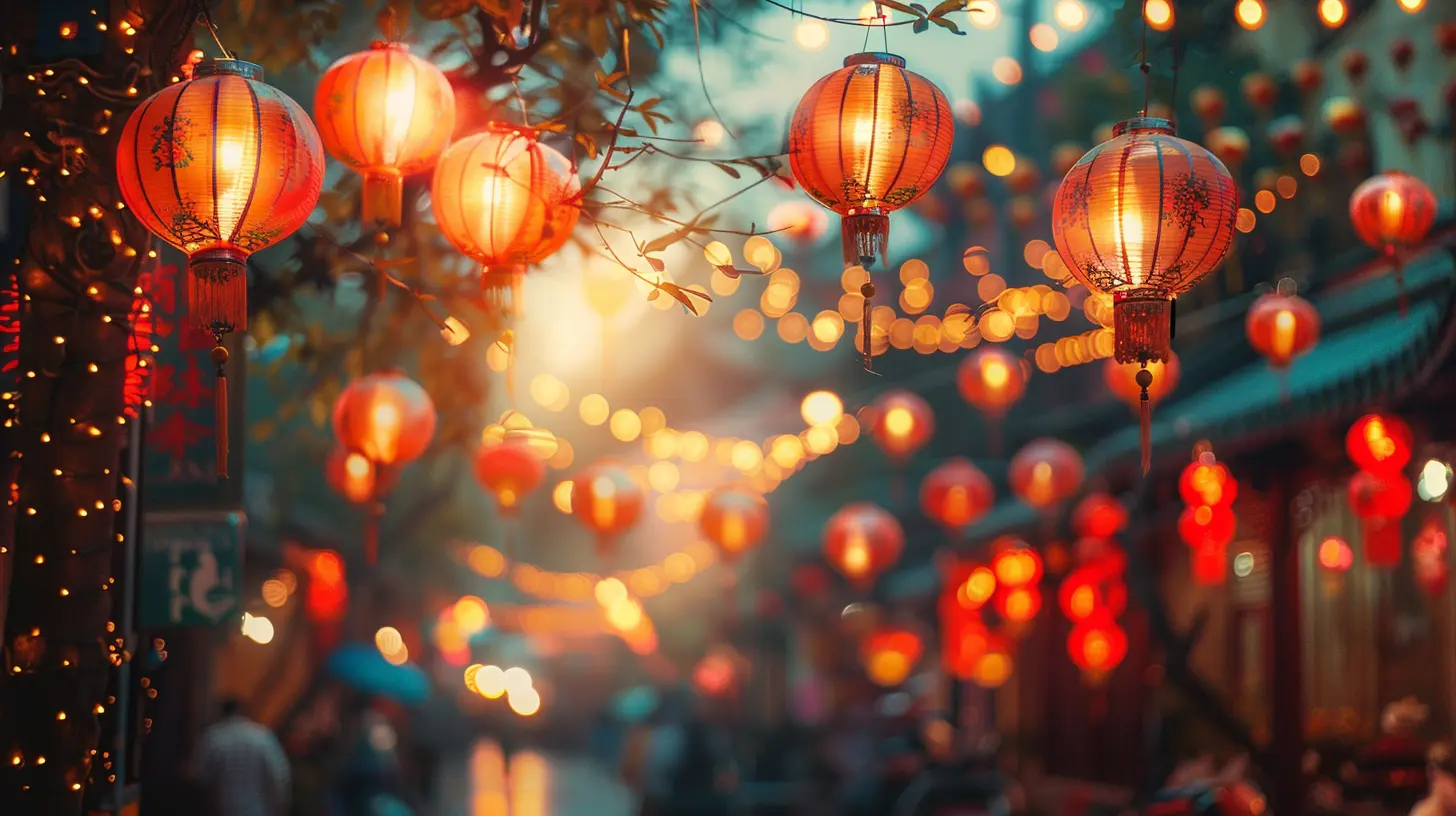
How Globalization is Transforming Time and Space in Festivities
With the world becoming more interconnected, traditional perceptions of time and space in festivals are evolving. While cultural events once remained confined to specific regions, today they transcend borders.Digital Celebrations and Virtual Spaces
The rise of technology has redefined how festivals are experienced. Live-streamed events allow people worldwide to participate in cultural celebrations they might never have attended otherwise.- Virtual Diwali Pujas: Families now connect online to celebrate together, even if they live in different countries.
- Oktoberfest Outside Germany: This Bavarian festival now has adaptations across the globe, bringing a piece of German culture to distant lands.
- Chinese Lunar New Year Parades in Every Major City: The celebration is no longer limited to China but has become a worldwide event.
This shift demonstrates how space is no longer a limitation, making traditions accessible beyond physical boundaries.
The Blending of Cultural Traditions
Festivals that once belonged to a single culture are now celebrated globally, often blending influences from other traditions.- Halloween’s Popularity Worldwide: Originally a Celtic festival, it has now merged with local customs wherever it is celebrated.
- Christmas Variations: Japan has given Christmas a unique twist by associating it with KFC dinners!
- Music Festivals Mixing Cultures: Events like Coachella or Tomorrowland bring together different cultural expressions in a single space.
This blending raises an interesting question—does globalization strengthen cultural traditions, or does it dilute them? The answer likely depends on perspective, but one thing is certain: time and space keep shaping how we celebrate.
Final Thoughts: Why Time and Space Matter in Festivals
At their core, cultural festivities are not just about joyous moments; they are a reflection of how societies understand time and space. These celebrations help people stay connected to nature, their ancestors, and each other, reinforcing a shared identity.As globalization continues to evolve, festivals will too. But no matter how much they change, their essence—rooted in time and space—will always remain.
So, next time you participate in a festival, take a moment to appreciate its depth. Whether it's the time-honored rituals or the significance of the place where it unfolds, there's always a story waiting to be discovered.
Happy celebrating!
all images in this post were generated using AI tools
Category:
Cultural FestivalsAuthor:

Tracie McAdams
Discussion
rate this article
2 comments
Zinna McKeehan
What a fascinating exploration of how cultural festivities shape our perception of time and space! Your insights beautifully highlight the connections between tradition and community. It's inspiring to see how these celebrations can bridge generations and create lasting memories. Thank you for shedding light on this enriching aspect of cultural heritage!
February 22, 2026 at 3:47 PM
Tracie McAdams
Thank you for your thoughtful comment! I'm glad you found the exploration of cultural festivities and their impact on our perception of time and space inspiring.
Thaddeus Kirk
This article brilliantly highlights how different cultures perceive time and space during festivities. It’s a fascinating exploration that deepens our appreciation for diverse traditions and the unique rhythms of celebration worldwide.
February 21, 2026 at 4:15 AM
Tracie McAdams
Thank you! I'm glad you found the article insightful. Understanding these cultural nuances truly enriches our appreciation for global traditions.