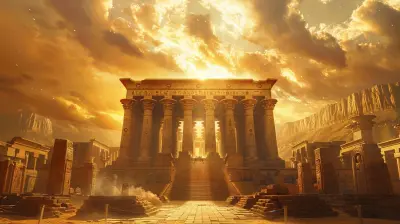
Traditional Games That Reflect Local Cultures and Histories
2 June 2026
Every culture has its own way of having fun, and one of the best ways to see a community’s history and values is through its traditional games. These games aren't just about entertainment; they often tell stories of survival, teamwork, and even ancient rituals. Some of them have been passed down for centuries, played by ancestors long before the modern world took over.
Let’s take a trip around the world and look at some of these fascinating games that aren’t just about winning or losing—they’re living pieces of history. 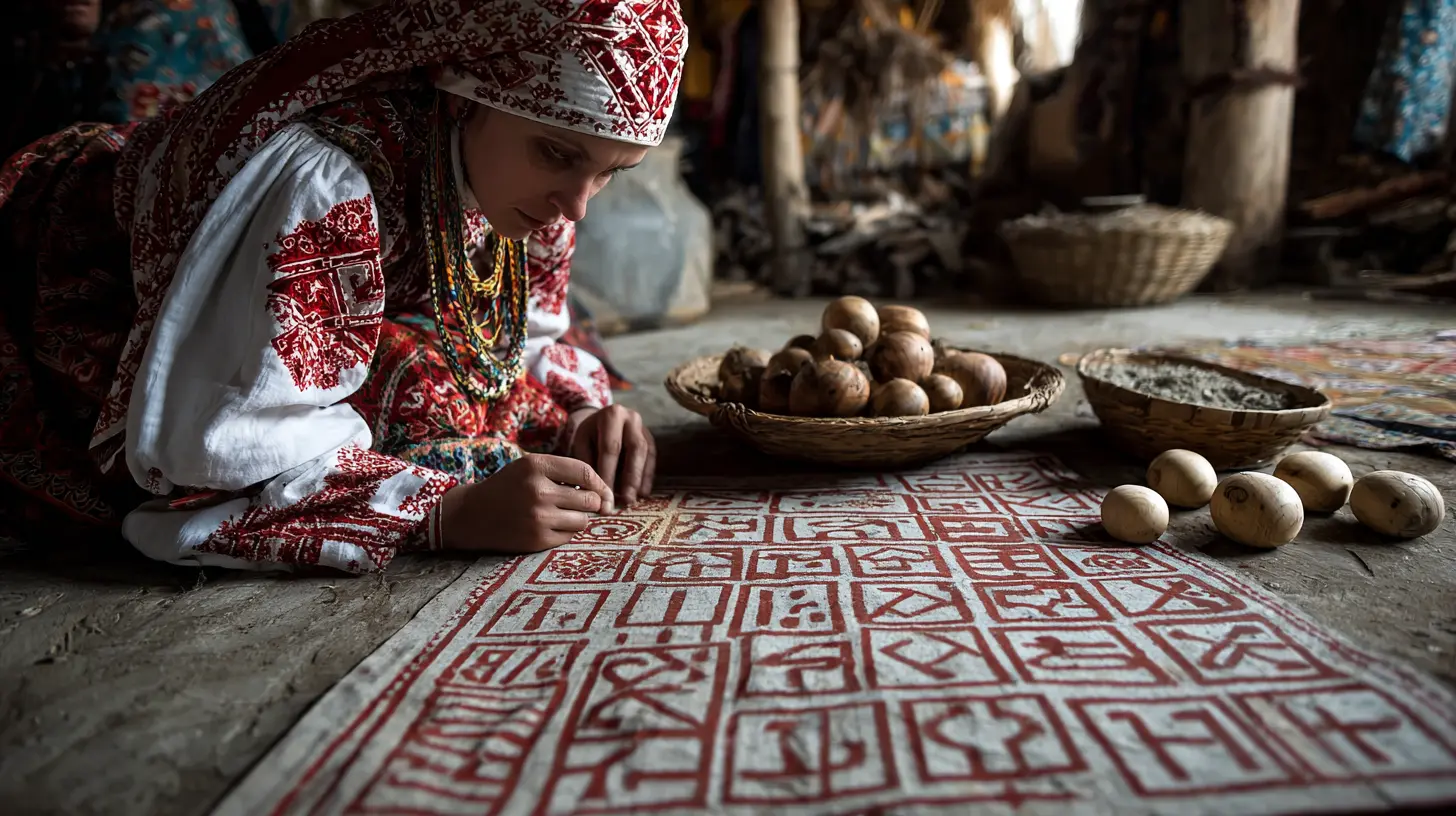
1. Sepak Takraw (Southeast Asia)
Ever seen volleyball played with a rattan ball using only the head, chest, knees, and feet? That’s Sepak Takraw, a game native to Southeast Asia, especially Malaysia, Thailand, and Indonesia.It’s believed that Sepak Takraw dates back to the 15th century and was originally played in royal courts. The game emphasizes agility, coordination, and incredible acrobatic skill. The best players flip and twist mid-air to kick the ball over the net, making it a breathtaking spectacle.
Sepak Takraw showcases the region’s love for martial arts, flexibility, and teamwork. It’s more than just a sport—it’s a cultural phenomenon that represents discipline and physical prowess. 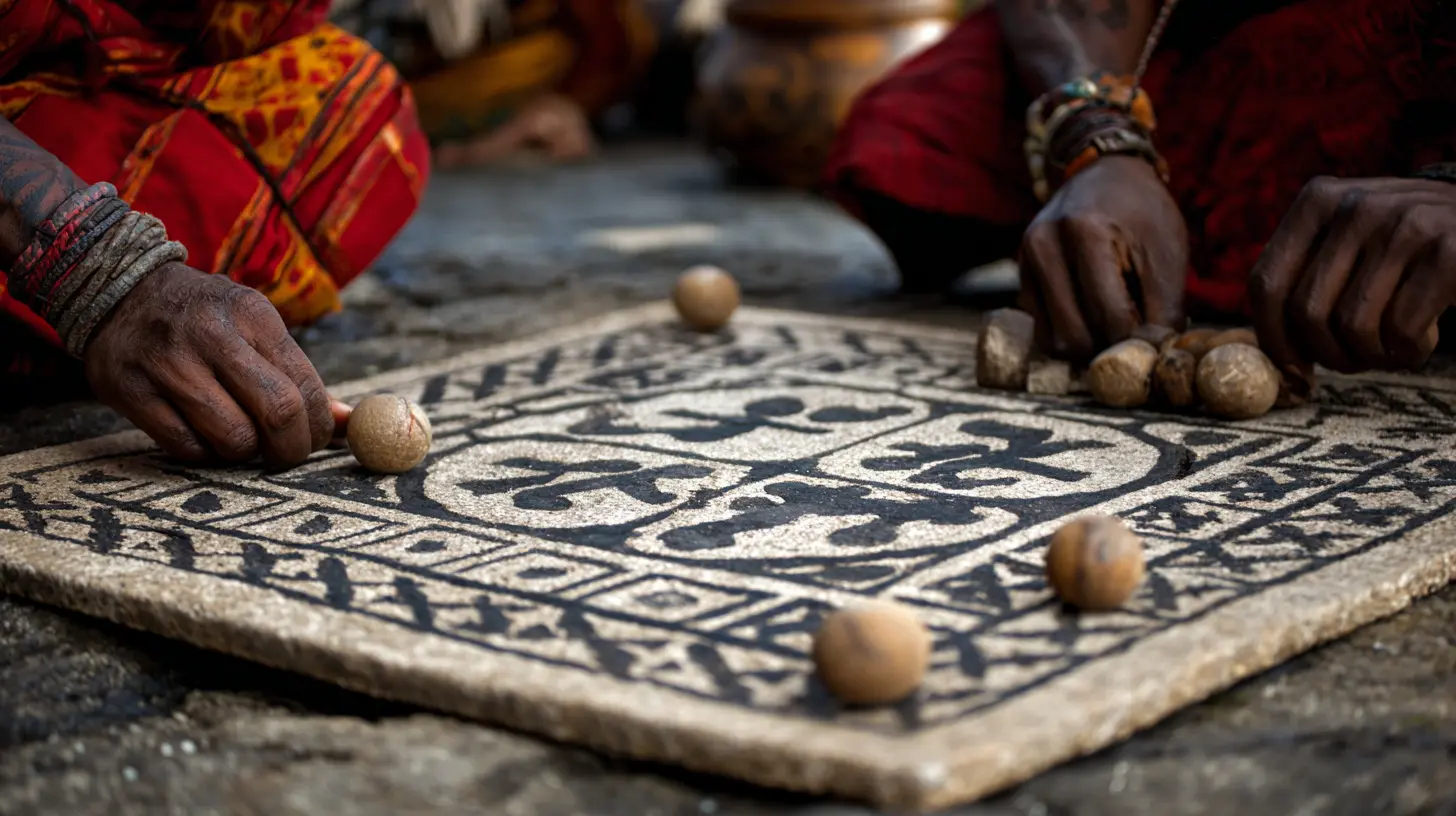
2. Kabaddi (India & South Asia)
If rugby and tag had a baby, it would be Kabaddi. This ancient Indian game is a mix of strength, strategy, and breath control. Players take turns running into the opponent’s side, tagging as many people as possible before rushing back—without taking a breath!Originating over 4,000 years ago, Kabaddi was once used by warriors to build stamina and strategy. The name itself is believed to come from a chant players repeat to prove they aren’t inhaling.
In modern times, Kabaddi has evolved into an international sport but still holds its traditional roots in Indian villages, where kids and adults play it as a test of endurance and clever tactics. 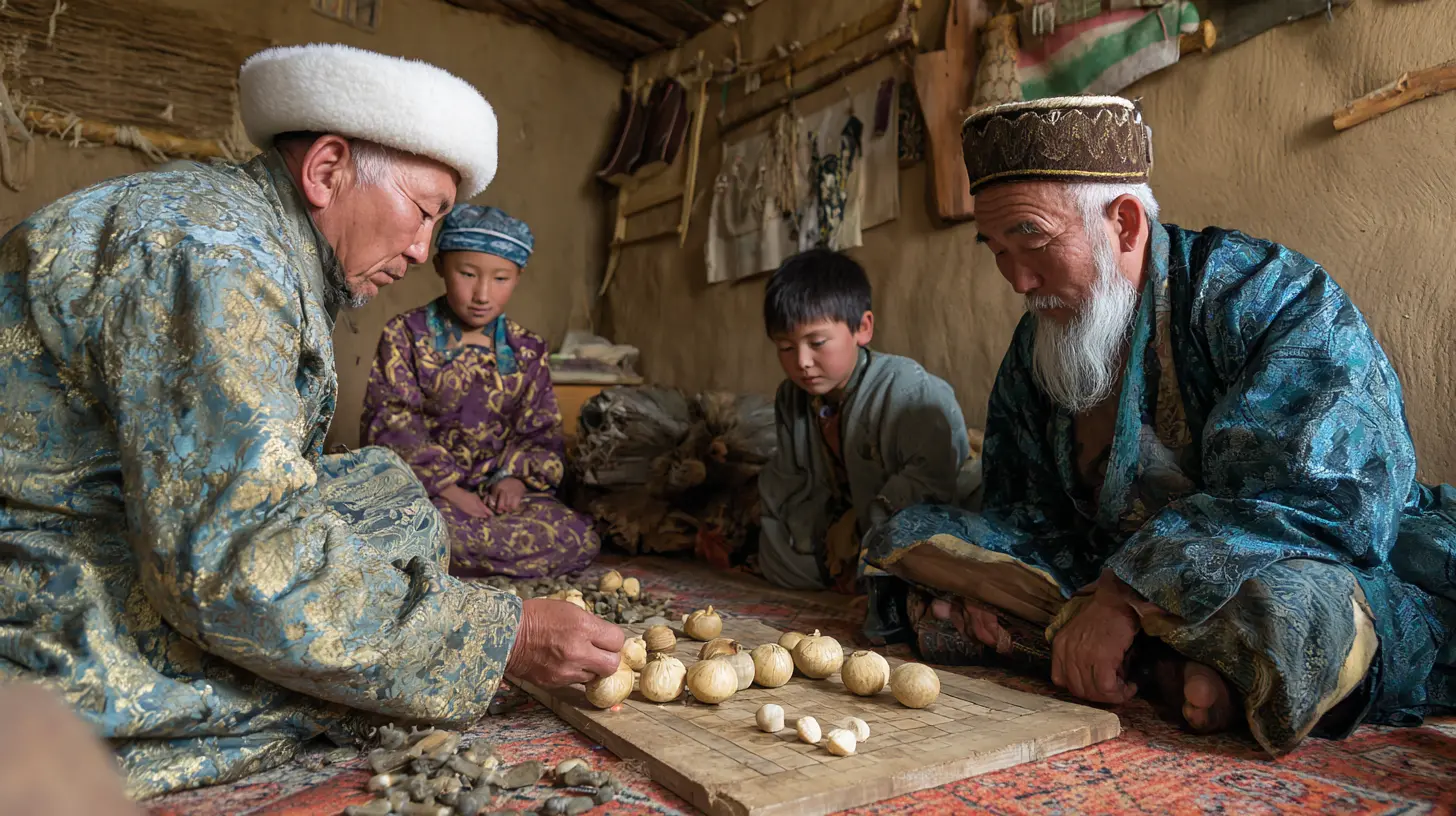
3. Gilli Danda (India, Pakistan, Bangladesh, & Nepal)
Gilli Danda is like cricket’s ancient grandfather. It uses two sticks—a smaller one (gilli) and a larger one (danda). Players use the danda to hit the gilli into the air and then strike it again to send it flying.This game dates back over 2,500 years and is often linked to the same origins as modern baseball. The rules vary by region, emphasizing improvisation and adaptability—two qualities essential in rural life.
Unlike formal sports, Gilli Danda requires no expensive equipment or specialized fields. Just a couple of sticks and some open space. It’s a reminder of a simpler time when joy wasn’t tied to technology or gadgets. 
4. Kokpar (Kazakhstan & Central Asia)
Kokpar (also called Buzkashi in Afghanistan) is one of the most intense traditional games in the world. Imagine polo, but instead of a ball, players fight over a goat carcass. Sounds wild? Well, it is!This game dates back centuries when nomadic horsemen needed to display their strength, riding skills, and teamwork. Historically, the game was also a way to train warriors for battle, helping them develop endurance and strategy.
Today, Kokpar is still played in Central Asia, especially in Kazakhstan, Kyrgyzstan, and Uzbekistan. The game has historical roots that symbolize the nomadic way of life, where survival depended on strength and coordination.
5. The Royal Game of Ur (Ancient Mesopotamia, Iraq)
Ever wondered what people played for fun nearly 5,000 years ago? The Royal Game of Ur is one of the oldest known board games, dating back to Mesopotamia around 2600 BC.This game, found in ancient Sumerian tombs, was played on a wooden board with 20 squares and involved strategy, luck, and some level of gambling. Archeologists believe it was commonly enjoyed by nobles and may have had religious connotations.
It’s incredible to think that board games, something we see as modern leisure, existed thousands of years ago, connecting us to our ancestors in unexpected ways.
6. Mancala (Africa & The Middle East)
Mancala is more than just a game—it’s a way of thinking. Played for over a thousand years across Africa and the Middle East, this board game involves counting and strategy.Players move small stones or seeds across carved-out holes in the board, aiming to capture more than their opponent. The game helps develop planning skills and mathematical thinking, making it both fun and mentally stimulating.
Mancala reflects the cultural importance of agriculture, harvesting, and resource management. It’s not just a pastime; it’s a game that teaches patience, foresight, and strategy.
7. Pétanque (France)
France’s beloved game of Pétanque is a social and strategic game played with metal balls (boules). Players take turns throwing their boules as close as possible to a smaller ball called the cochonet (jack).The game traces its roots back to the early 1900s in Provence, inspired by an older version called Jeu Provençal. It became widely popular as a community pastime, played in parks, streets, and backyards.
The relaxed yet competitive nature of Pétanque mirrors French culture—a blend of precision, patience, and a strong sense of community.
8. Ullamaliztli (Ancient Mesoamerica – Mexico & Central America)
Ullamaliztli was the ball game of the Aztecs and Mayans, and let’s just say, it wasn’t just for fun. This game was deeply tied to mythology, religion, and even human sacrifice.With a heavy rubber ball, players had to hit the ball through stone rings using only their hips, knees, and elbows—no hands or feet allowed! The game symbolized the cosmic battle between life and death, and in some cases, losing meant the ultimate price.
Modern versions of this game still exist in parts of Mexico, preserving a small piece of this ancient and sacred tradition.
9. Ti Rakau (New Zealand – Māori Stick Game)
Ti Rakau is an old Māori game that uses short wooden sticks to train coordination and rhythm. Traditionally, it had a deeper purpose—it helped warriors develop their reflexes and agility for battle.The game is played in pairs or groups, with players throwing and catching sticks in complex patterns, often accompanied by song or chant. It fosters teamwork, timing, and cultural connection within Māori communities.
Today, Ti Rakau is still played in schools and cultural events, keeping the traditions and warrior training spirit alive.
10. Paletó (Brazil – Indigenous Tribes)
Paletó is a game played by Brazil’s indigenous tribes. It’s a mix of archery and precision throwing, where players aim at a target using handcrafted spears or arrows.The game reflects the hunting and survival skills needed in the Amazon rainforest, blending competition with traditional ways of life.
Paletó is a reminder of how indigenous people have preserved their history through physical skill and games that carry cultural meaning.
Why Traditional Games Matter Today
In a world dominated by smartphones and video games, traditional games remind us of who we are. They hold stories, lessons, and values passed down for generations. These games help us connect with our roots, our ancestors, and our cultural identities.So next time you’re looking for something fun to do, why not try a traditional game? Whether it’s a strategy-based board game, a physical sport, or a simple stick-throwing challenge, you’ll be partaking in something much bigger than just play—you’ll be keeping history alive.
all images in this post were generated using AI tools
Category:
Cultural ExperiencesAuthor:

Tracie McAdams