The Role of Sustainable Tourism in Preserving Marine Ecosystems
23 January 2026
When was the last time you stood at the edge of the ocean, toes buried in warm sand, and thought, “Wow, this is paradise”? Chances are, if you're drawn to the sea like many of us are, that moment filled you with peace—and maybe even a sense of awe. But here’s the thing: our beloved beaches and underwater worlds are under pressure. Big time. The ocean is hurting, coral reefs are bleaching, marine life is dwindling—and tourism, although fun and exciting, plays a role in that.
But here's the good news. Tourism doesn't have to be the villain. In fact, it can play a leading role in protecting these magical underwater ecosystems. That’s where sustainable tourism splashes into the spotlight.
So buckle up (or should I say, grab your snorkel), because we're going deep into the role of sustainable tourism in preserving marine ecosystems—and why it matters to you, to me, and to the planet.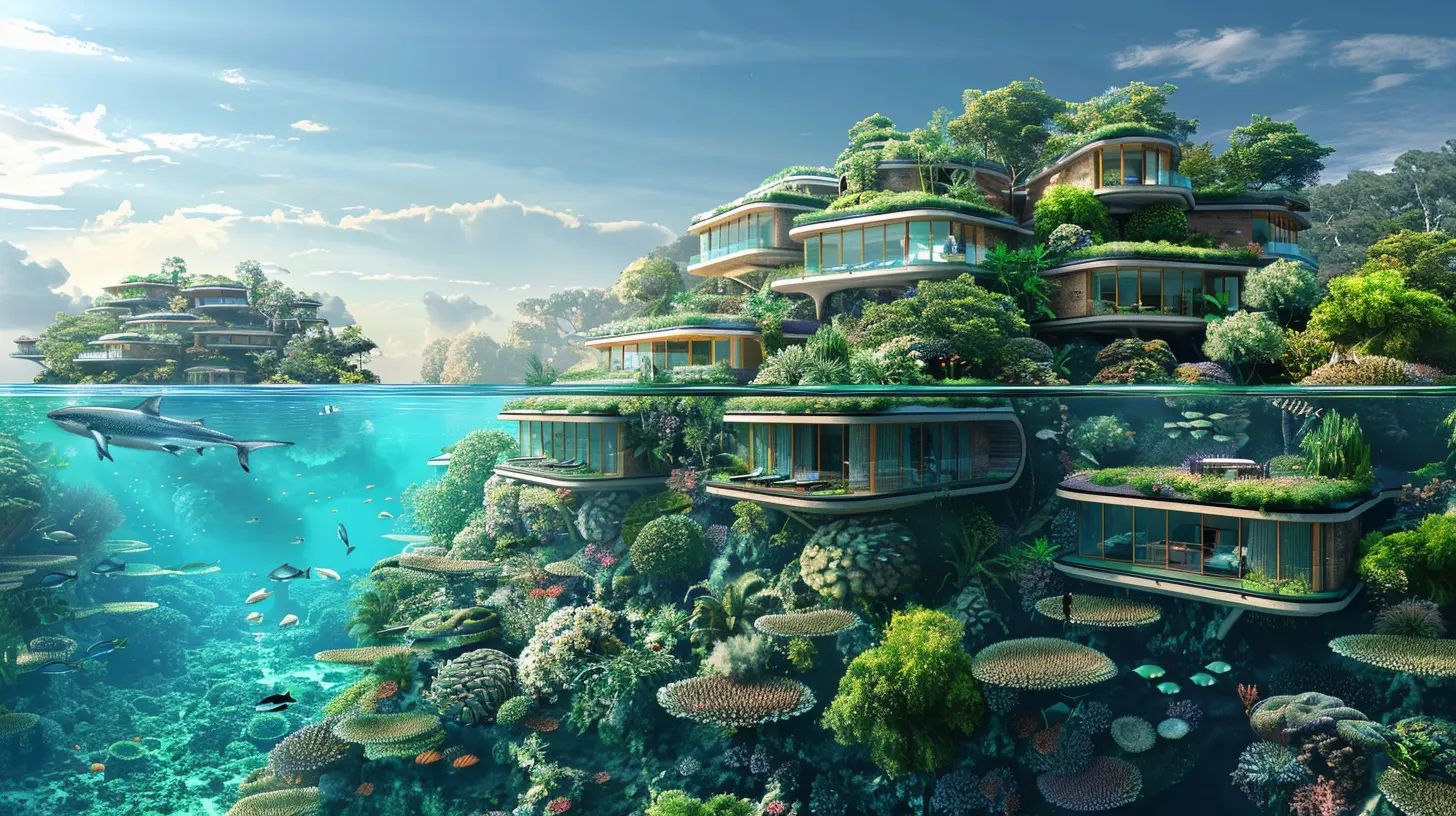
What Exactly Is Sustainable Tourism?
First off, let’s clear the air—or, well, the water.Sustainable tourism isn’t just a trendy travel term used to make us feel better about jet-setting across the globe. It's a conscious way of traveling that minimizes the negative impact on the environment, culture, and economy, while maximizing positive contributions.
When it comes to marine ecosystems, sustainable tourism means keeping our oceans clean, minimizing wildlife disturbance, and helping coastal communities thrive without tearing up their natural surroundings.
Imagine snorkeling over a vibrant coral reef that’s alive and thriving because local tour operators decided to ditch harmful sunscreen products and teach eco-friendly diving practices. Now that’s sustainable tourism in action.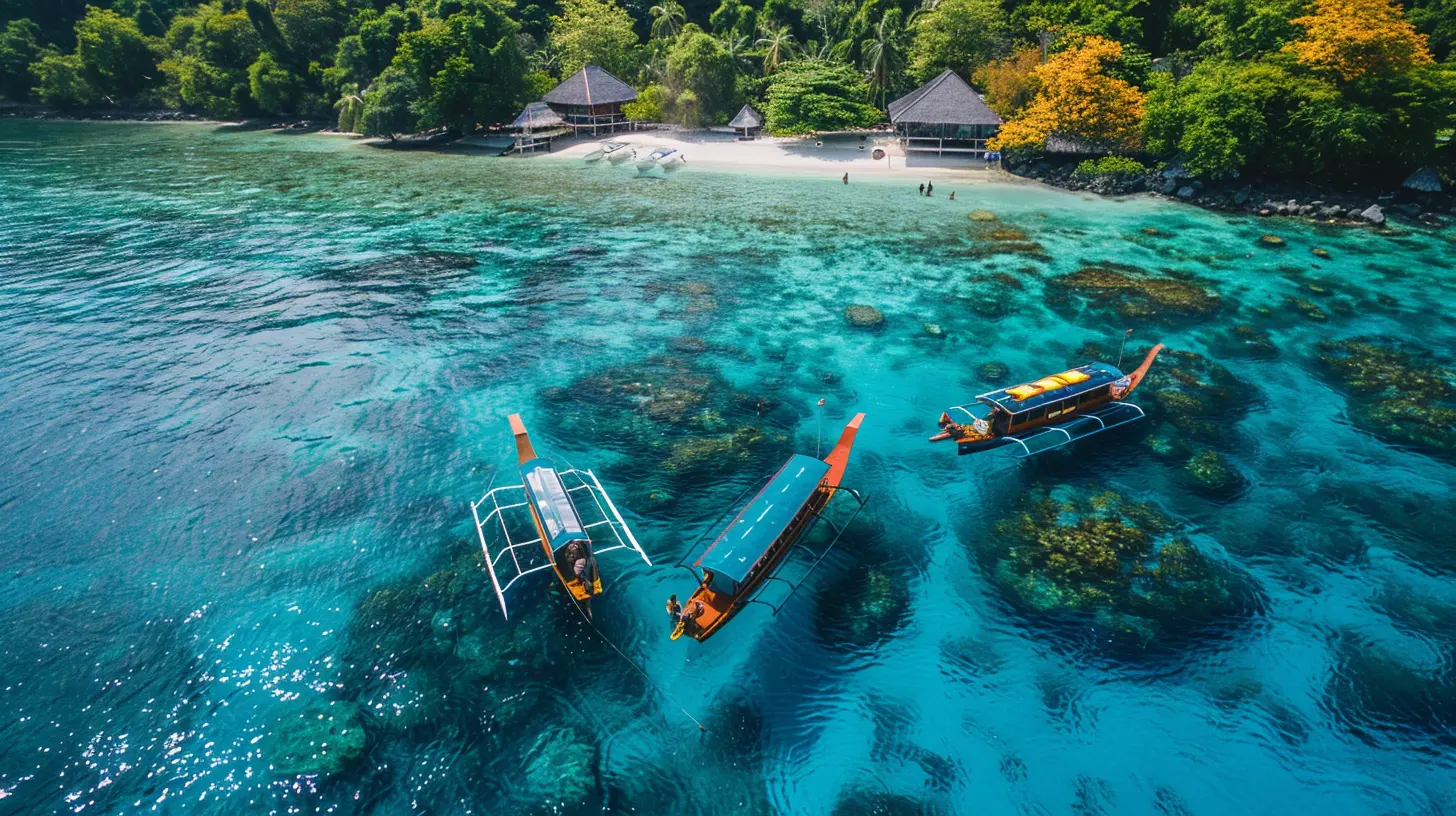
The Underwater Crisis: What’s Happening to Marine Ecosystems?
Before we dive into solutions, let’s get some perspective on the problem.Marine ecosystems—from coral reefs and seagrass meadows to mangrove forests—are among the most biodiverse habitats on Earth. They're home to an insane array of creatures, from speedy dolphins to camouflaging octopuses. But the increase in tourism can put immense pressure on these fragile environments.
Here’s how:
- Overcrowding at popular marine sites leads to physical damage (like people stepping on coral or anchors crushing underwater habitats).
- Pollution from boats and sunscreen contaminates the water and harms marine life.
- Irresponsible wildlife tourism stresses animals—think people chasing dolphins or flash photography in turtle nesting zones.
- Overfishing and seafood consumption driven by tourists depletes local fish populations.
It sounds grim, right? But don’t lose hope. This is where sustainable tourism shines like a lighthouse in a storm.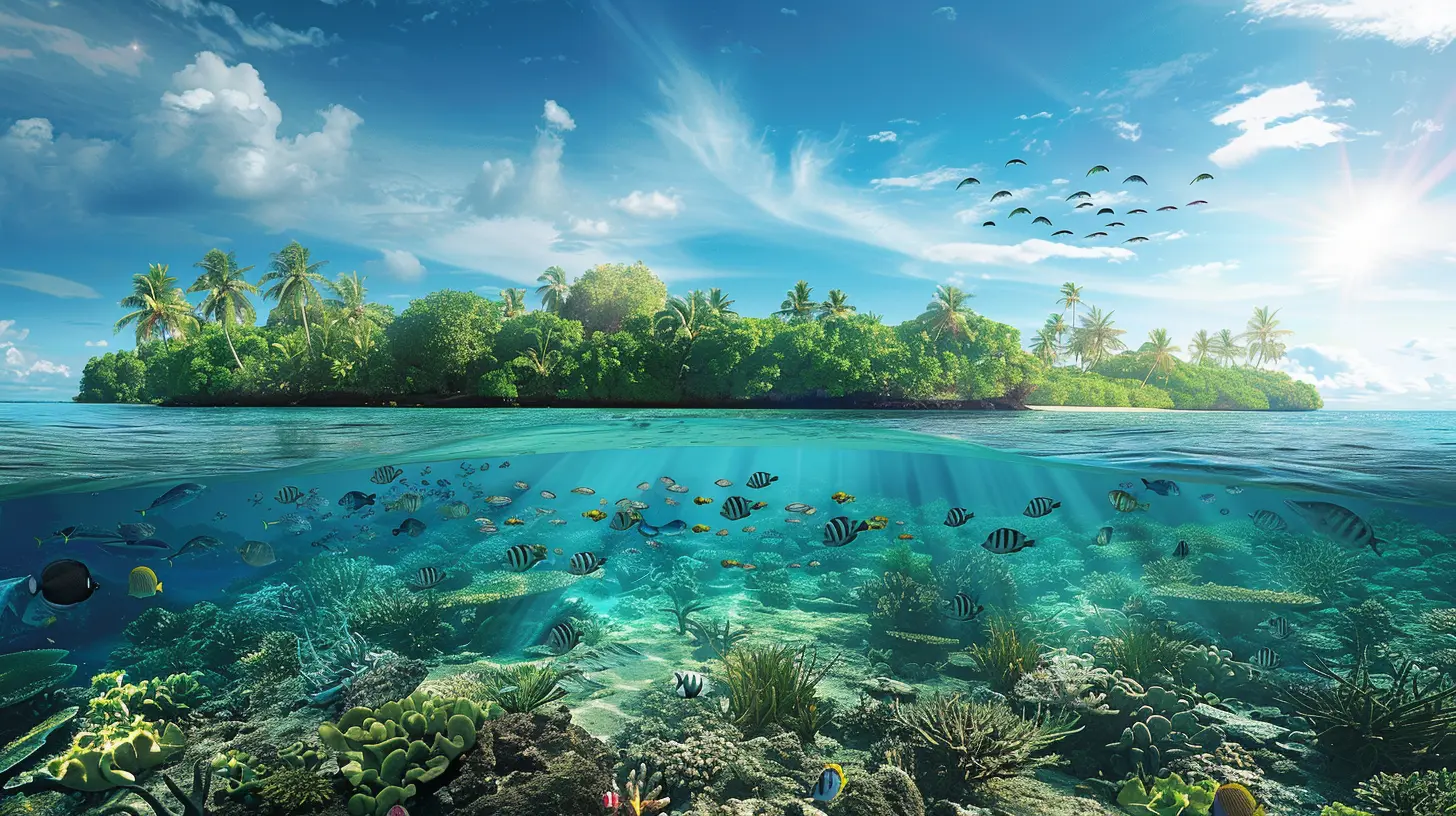
Sustainable Tourism = Ocean’s Best Friend
Let’s break down how sustainable tourism can flip the script and go from being part of the problem to part of the solution.1. Eco-Friendly Attractions & Activities
Eco-conscious tour operators are rewriting how marine tourism works. Instead of pushing for mass numbers, they focus on quality experiences that prioritize conservation.You’ll find:
- Small group snorkeling tours that strictly follow no-touch policies.
- Glass-bottom kayaks and boats that let you peek into marine life without disturbing the ecosystem.
- Scuba diving programs that emphasize buoyancy control and reef-safe behavior.
Some organizations even offer “voluntourism” options where travelers help restore coral farms or collect ocean trash. It's tourism with a purpose—and it sticks with you longer than any souvenir.
2. Reef-Safe Sunscreens and Products
Yep, even your sunscreen choices matter. Many common sunscreens contain oxybenzone and octinoxate—chemicals proven to cause coral bleaching. Sustainable tourism initiatives often encourage or sell reef-safe alternatives.By switching to a mineral-based sunscreen, you’re literally protecting the miracle of coral life every time you dive in.
3. Community Empowerment and Education
Sustainable tourism thrives on local collaboration. Rather than international companies swooping in, eco-tourism often relies on local guides, hotels, and restaurants. This doesn’t just boost the economy—it creates stewards of the sea.Furthermore, when tourists are educated about the importance of marine protection (say, in a pre-dive briefing or a beach clean-up event), they leave with a deeper respect for the sea—and are more likely to spread the word.
4. Waste Reduction and Clean-Up Culture
Let’s face it—tourism can be trashy (literally). Think plastic bottles, food wrappers, and abandoned flip-flops.But sustainable travel flips the script by encouraging:
- Reusable water bottles and food containers
- Plastic-free hotels and tours
- Participatory clean-up days
Some destinations even implement visitor caps or require a "reef fee" which goes into local conservation projects. It's like crowdfunding nature-saving, and who wouldn’t want to be part of that?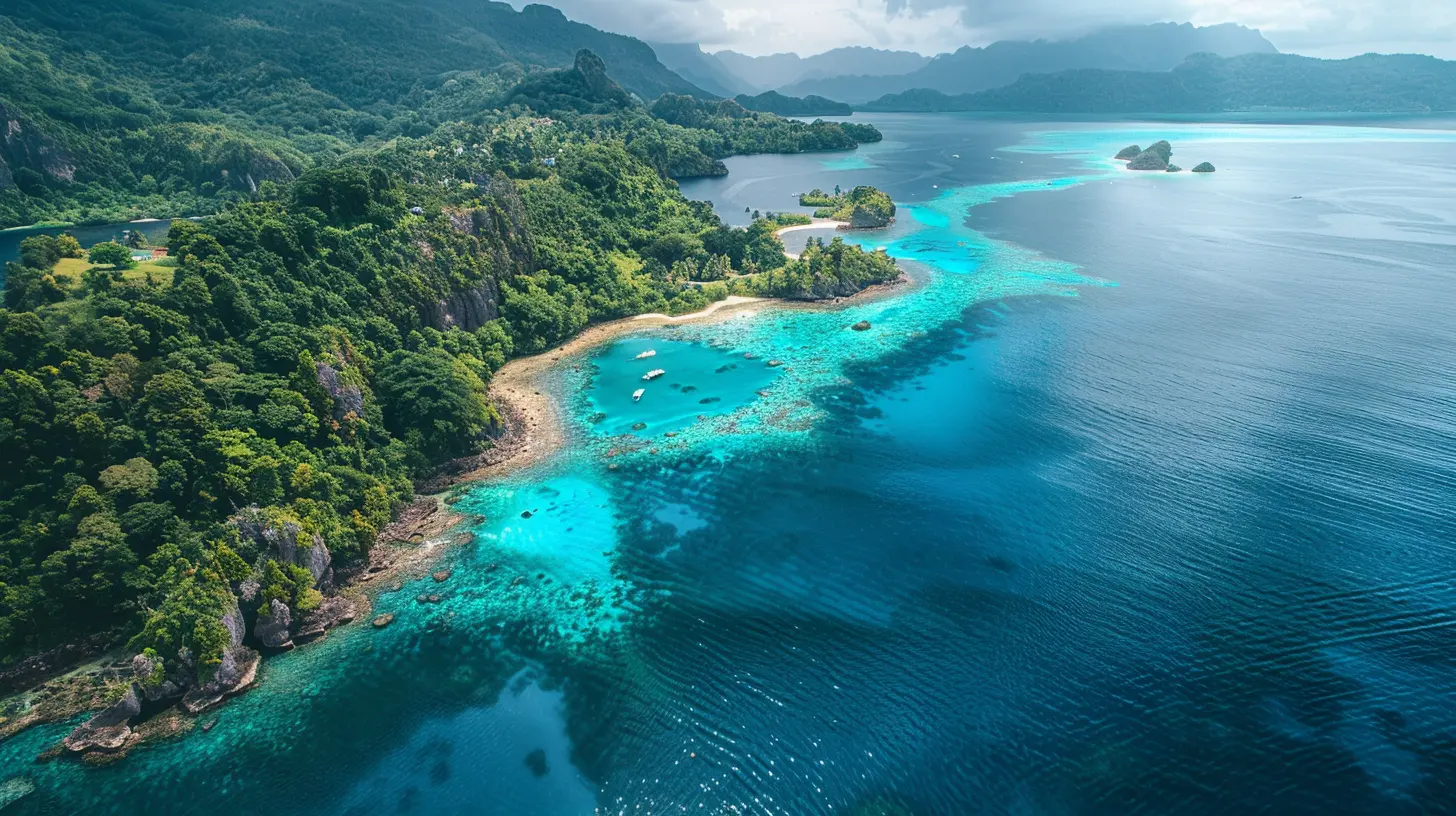
Success Stories That’ll Blow Your Fins Off
Let’s look at a few places that embraced sustainable tourism and watched their marine ecosystems flourish.Palau – Leading the Way
This tiny island nation in the Pacific made headlines with the Palau Pledge, a mandatory eco-commitment stamped into every visitor’s passport. Tourists must agree to respect the reefs and wildlife. And guess what? It’s working. Fewer reef-damaging behaviors, more coral growth, and happier marine animals.Bonaire – Diving with Purpose
The Dutch Caribbean island of Bonaire has long been a pioneer in marine preservation. Divers are required to pay a Marine Park fee, which directly funds conservation. They also offer diving courses focused on coral restoration, turning tourists into undersea heroes.Raja Ampat, Indonesia – Coral Capital of the World
Raja Ampat scaled back on large-scale tourism and focused on small, eco-friendly resorts and community-run tours. The result? It remains one of the most biodiverse marine areas in the world—and visitors leave understanding just how precious it is.How Can You Be a Sustainable Traveler?
So, what can you do to make your next beach vacay a win for the ocean?Here’s a cheat sheet:
- ✅ Choose eco-certified tour operators and accommodations
- ✅ Use reef-safe sunscreen
- ✅ Respect wildlife from a distance—no touching or feeding
- ✅ Avoid seafood that’s overfished or unethically caught
- ✅ Pick up trash—even if it’s not yours
- ✅ Get involved with marine conservation efforts or donate to local NGOs
- ✅ Support local businesses instead of big-name chains
Think of yourself as a guest in the ocean’s home. Would you throw trash on your host’s carpet or start ripping up their decor? Hopefully not. The same goes for reefs and marine life. A little respect goes a long way.
The Ripple Effect: Why It All Matters
Here’s the kicker: protecting marine ecosystems isn’t just about saving sea turtles or keeping Instagram-worthy beaches pristine.Oceans produce over 50% of the world’s oxygen. They regulate the climate. They feed billions. They're not a luxury—they're a necessity.
When you practice sustainable tourism, you’re not just booking a vacation—you’re casting a ripple that can affect global change. You’re telling industries, “Hey, we care about the planet. Meet us there.”
And if enough of us do that? Well, the tide just might turn.
Final Thoughts
Sustainable tourism holds immense power—like Poseidon with a heart. It can either harm or heal, depending on how we wield it. The role of sustainable tourism in preserving marine ecosystems is no longer something we should care about—it’s something we must care about.And here’s the beautiful part: this isn’t about giving up the things we love. It’s about loving them better. It’s about traveling not just to see the world—but to save it.
So, next time you’re planning a seaside escape? Go sustainable. For the fish, for the reefs, and for future generations who deserve to see a thriving underwater world.
Let’s keep the ocean wild, wonderful, and waving.
all images in this post were generated using AI tools
Category:
Sustainable TourismAuthor:

Tracie McAdams
Discussion
rate this article
2 comments
Marissa Martinez
Protect oceans while exploring their beauty!
February 8, 2026 at 3:34 AM
Tracie McAdams
Absolutely! Sustainable tourism allows us to appreciate ocean beauty while ensuring their protection and health for future generations.
Cassidy Sanders
Thank you for highlighting sustainable tourism's crucial impact on marine ecosystems; it's vital for preserving our planet's biodiversity.
January 23, 2026 at 4:19 PM
Tracie McAdams
You're welcome! I'm glad the article resonated with you. Sustainable tourism really does play a key role in protecting our oceans.