The Rise of Farm-to-Table Travel Experiences by 2027
21 May 2026
You know that feeling when you bite into a tomato that tastes like a tomato? Not that watery, plastic-wrapped thing from the grocery store, but a real one, still warm from the sun, with dirt under its skin. That little jolt of flavor is a tiny revolution. And by 2027, that revolution is going to reshape how we travel.
We are moving past the era of the all-inclusive buffet where the eggs are powdered and the fruit is carved into swans. People are sick of the distance between their fork and the farm. They want to see the pig that became the bacon. They want to pick the basil for their pasta. This isn't just a food trend. It's a full-blown travel movement. Let's talk about why farm-to-table travel is about to explode, and what it looks like on the ground.
Why We Are All Hungry for Something Real
Let's be honest. The last few years have been a weird ride. We spent a lot of time inside, staring at screens, eating food that arrived in cardboard boxes. We became disconnected from the source. Now, there is a raw, almost primal hunger for authenticity. We don't just want a vacation. We want a story. We want to touch the soil.Think about it. When you go to a restaurant and the menu tells you the name of the farmer who grew your carrots, you feel something. You feel connected. You feel like you are part of a small, good thing. Farm-to-table travel is that feeling, but stretched over a whole trip. It turns the traveler from a passive consumer into an active participant.
By 2027, this won't be a niche for hippies and foodies. It will be the standard for anyone who wants to feel like their travel money is doing some good. It's a rebellion against the sterile, the fast, and the fake. It's about slowing down and tasting the place you're in.
What Does Farm-to-Table Travel Actually Look Like?
You might be picturing a rustic barn with hay bales and a guy in overalls. Sure, that exists. But the 2027 version is way more sophisticated and diverse. It's not just about picking apples. It's about immersion.The Working Farm Stay
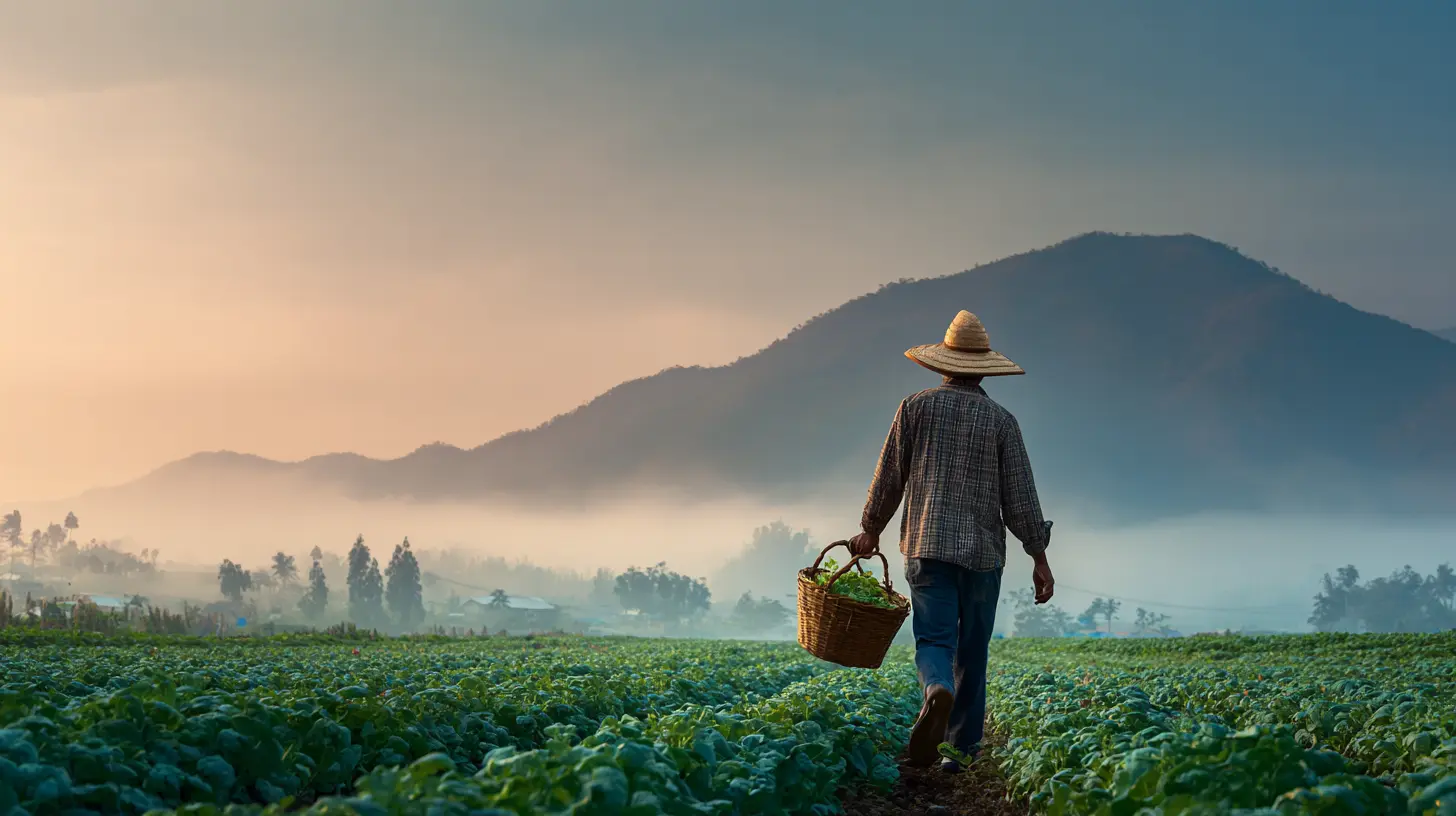
This is the heavyweight champion of farm-to-table travel. You are not just visiting. You are living it. You wake up with the roosters. You milk a goat. You collect eggs. You spend the morning in the garden with the farmer, learning why certain herbs grow better in sandy soil. You eat lunch from the things you just pulled out of the ground.
It sounds like work, right? It is. But it's the good kind of work. The kind that leaves you tired in your muscles but clear in your head. By 2027, more farms in Tuscany, the Loire Valley, and even the Hudson Valley will offer these stays. They won't just be for hardcore homesteaders. They will be for anyone who wants to trade a hotel gym for a morning of weeding.
The Hyper-Local Restaurant Tour
Gone are the days of the generic food tour that hits five tourist-trap restaurants. The new wave is a guided walk that ends at a farm. You start with the chef at dawn. You go to the farmer's market together. He or she picks the ingredients for that night's dinner based on what is perfect that day. You then follow the chef back to the kitchen, watch the prep, and eat a meal that was designed about four hours ago.
This is the ultimate flex for a traveler. You are not just eating. You are learning the rhythm of the land. You are seeing the supply chain shrink to zero. By 2027, this will be a standard offering in places like Copenhagen, San Francisco, and Tokyo. It's the difference between eating a menu and eating a moment.
The Foraging and Fermentation Workshop
This is where it gets geeky, and I love it. Farm-to-table travel isn't just about the farm. It's about what you do with the bounty. Foraging for wild mushrooms, ramps, or sea beans is an adventure in itself. But the real magic happens when you learn to preserve that flavor.
Imagine spending an afternoon on a hillside in Slovenia picking wild elderflowers. Then, you head back to a stone cottage and learn how to make a simple cordial or a wild yeast sourdough starter. Fermentation is the ultimate slow food. It's alchemy. By 2027, workshops on kimchi, kombucha, and sourdough will be as common on travel itineraries as a wine tasting. It gives you a souvenir you can actually eat at home.
The Technology Behind the Harvest
Don't think this is a Luddite movement. Technology is the secret ingredient that will make farm-to-table travel mainstream by 2027.Blockchain on the Plate
You know how you can track a package from Amazon? Soon, you will be able to track your steak from the pasture to your plate. Blockchain technology is being used to create transparent supply chains. A QR code on a menu will show you the exact farm, the date the animal was butchered, and even the name of the farmer. This kills the "greenwashing" that some hotels do. You will know for sure if your "farm-to-table" meal is the real deal or just marketing fluff.
AI for the Perfect Season
Farmers are using AI to predict harvest times with insane accuracy. This means that a tour operator in Napa Valley can book you a "harvest dinner" weeks in advance and guarantee the grapes or the tomatoes will be at their absolute peak. No more guessing. No more "bumper crop" surprises. The technology makes the farm experience predictable and scalable, which is exactly what the travel industry needs.
The Booking Platform Revolution
Right now, finding a genuine farm stay is a pain. You dig through old websites. By 2027, there will be dedicated booking platforms for farm-to-table experiences. Think Airbnb, but just for farms, vineyards, and orchards. You will be able to filter by "hands-on work," "chef-led dinners," or "kids welcome." It will be as easy as booking a hotel room. This lowers the barrier to entry for the average traveler.
Why 2027 Is the Tipping Point
Why not 2024? Why not 2030? Because the stars are aligning.First, the climate crisis is forcing change. People are more aware of food miles and the carbon footprint of their avocado toast. Traveling to a farm and eating what is grown there is the lowest-impact vacation you can take. It feels good in a way that a flight to a distant resort does not.
Second, the burnout is real. We are exhausted by "experiences" that are just photo ops. The "Instagram vs. Reality" gap is too wide. Farm-to-table travel offers a different kind of currency. It's not about the likes. It's about the feeling. It's about the memory of the taste of a strawberry that was picked ten minutes ago. That memory is worth more than a thousand photos.
Third, the demographic shift. Gen Z and Millennials are driving this. They spend their money on memories, not things. They want to learn a skill, not just relax. A weekend learning to make cheese from a real cheesemaker in Vermont is a better story than a weekend lying on a beach in Cancun. And by 2027, the spending power of these generations will be at its peak.
The Real Challenges (Let's Be Honest)
It's not all sun-drenched fields and perfect charcuterie boards. Farm-to-table travel has some serious hurdles to clear by 2027.The Price of Real Food
This type of travel isn't cheap. A farm stay costs more than a hotel because you are paying for the farmer's time and expertise. A hyper-local meal costs more because the ingredients are rare and the labor is intense. The challenge is making this accessible to people who aren't wealthy. We will likely see a rise in "work-trade" programs where you can volunteer for a few hours a day in exchange for a bed and a meal. That is the sweet spot for budget travelers.
The Weather Factor
Farming is a gamble. You book a "harvest dinner" in a vineyard, and a hailstorm wipes out the crop the day before. What happens? The travel industry hates uncertainty. By 2027, operators will need to have bulletproof backup plans. Maybe a root cellar dinner. Maybe a fermentation workshop. The best farm-to-table experiences will be flexible, not rigid.
The Authenticity Trap
Everyone will try to jump on this bandwagon. The big hotel chains will slap a "farm-to-table" label on a frozen salmon fillet and call it a day. You will see fake barns and plastic hay bales. The savvy traveler will need to look for the telltale signs of real authenticity. Is the farmer present? Is the menu changing daily? Can you walk to the garden? If the answer is no, you are being sold a dream, not a meal.
How to Plan Your Farm-to-Table Trip for 2027
So you are sold. You want to taste the dirt. How do you start?Start Small, Not Epic
Don't book a month-long farming stint in New Zealand. Try a weekend first. Find a local farm within a two-hour drive of your home. Many farms already offer "farm dinners" or "u-pick" days. This is your training wheels. It lets you see if you actually enjoy the work or just the idea of it.
Ask the Hard Questions
When you book a farm stay, email the owner. Ask them: "What is your soil like?" "What is your philosophy on pesticides?" "Can I work alongside you?" If they give you a brochure answer, move on. If they get excited and start talking about their compost pile, you have found the right place.
Pack for the Dirt
Leave the white sneakers at home. Bring boots, long pants, a hat, and a sense of humor. You will get dirty. You will get tired. You might get a splinter. That is the whole point. The best farm-to-table travel is not comfortable. It is satisfying.
The Future Is a Garden
By 2027, the line between the kitchen and the field will be gone. The best travel experiences will be the ones that feed you, both literally and figuratively. It's a return to something very old, but with a modern twist.We are tired of being tourists. We want to be guests. We want to be invited to the table, not just handed a menu. Farm-to-table travel is that invitation. It's an invitation to slow down, to get your hands dirty, and to remember where your food comes from.
So, are you ready to eat the trip? Because by 2027, that is exactly what you will be doing. Not just eating on the trip, but eating the trip itself. The land, the labor, the season, the flavor. All of it, on a single plate.
all images in this post were generated using AI tools
Category:
Culinary TravelAuthor:

Tracie McAdams
Discussion
rate this article
1 comments
Thistle Harper
Inspiring trend for travelers!
June 7, 2026 at 3:37 AM
Tracie McAdams
Thank you! I'm glad you found it inspiring. Farm to table travel is definitely shaping the future of how we explore and enjoy local cuisine.