The Rise of Cultural Retreats in the Andes by 2027
12 May 2026
You know that feeling when you scroll through your phone and see yet another beach resort with infinity pools and coconut drinks? Yeah, me too. It's nice, but after a while, it all starts to blur together. We're craving something deeper now. Something that doesn't just relax our muscles but actually wakes up our soul. That's exactly why cultural retreats in the Andes are about to blow up by 2027. And trust me, this isn't just another travel trend that'll fizzle out. This is a full-on shift in how we think about vacation.
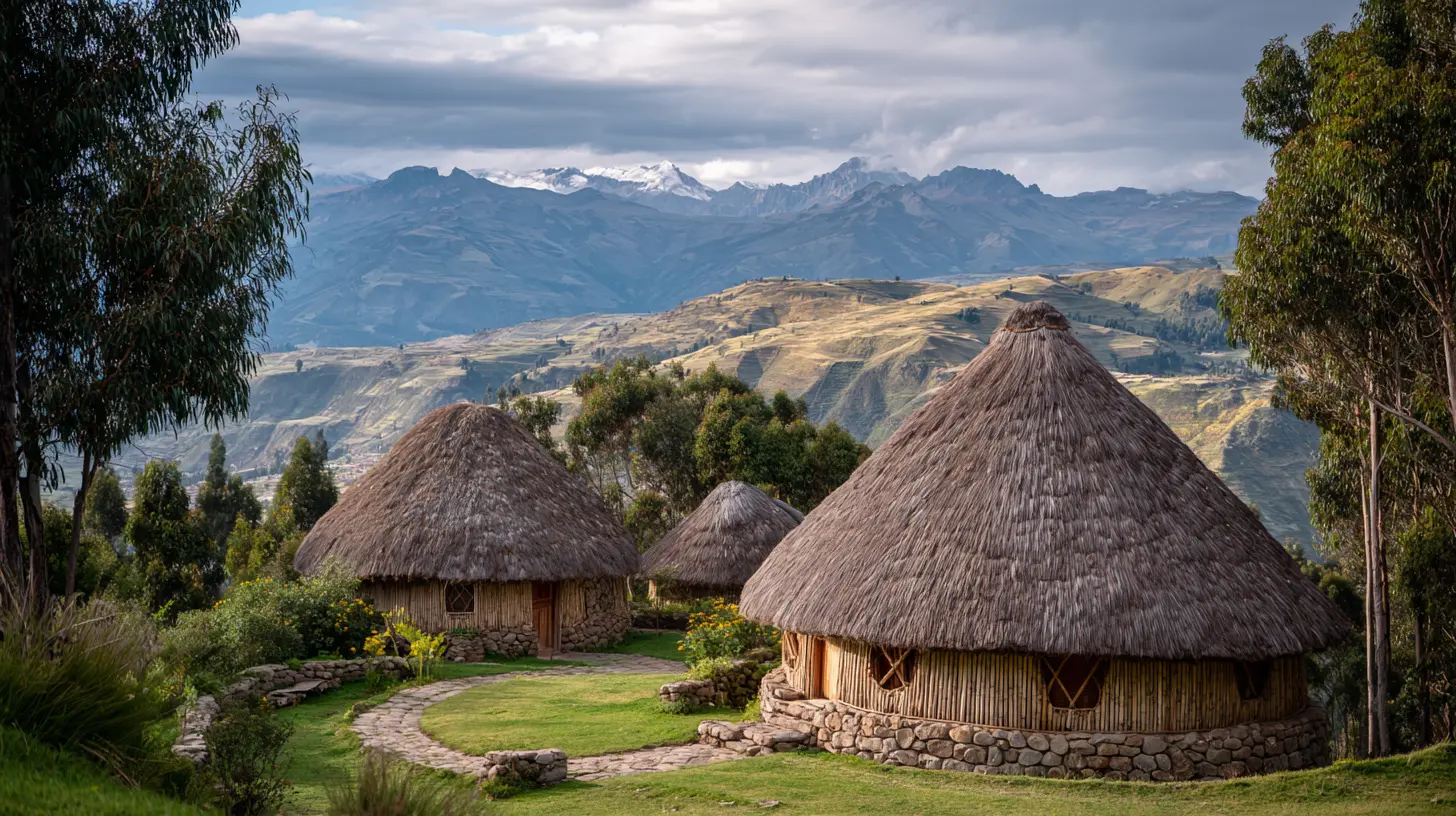
Forget the cookie-cutter yoga retreats in Bali for a second. The Andes are calling, and they're bringing something completely different to the table. We're talking about immersive experiences where you don't just look at ancient ruins from a bus window. You live alongside them. You cook with Quechua grandmothers who have been grinding corn the same way for five hundred years. You wake up to the sound of llamas shuffling outside your adobe hut, not a noisy air conditioner. By 2027, these retreats won't be a niche thing for hardcore backpackers. They'll be the go-to escape for anyone who wants to trade Wi-Fi for wisdom.
Why Now? The Perfect Storm for Andean Immersion
Let's be real. The pandemic changed us. We spent two years staring at our own walls, and suddenly, the idea of a standard hotel room felt suffocating. We started asking bigger questions. What's the point of traveling if you're just going to replicate your living room in a different country? That's where the Andes step in. This mountain range is like a giant, ancient library that's been waiting for us to actually read the books.By 2027, the timing will be perfect. Travelers are tired of performative tourism. You know the type: posing for a photo at Machu Picchu, then rushing back to a luxury lodge to eat sushi. That's a hollow experience. The new wave wants to participate. They want to learn how to weave a textile from alpaca wool, not just buy one at a market. They want to understand why the Incas built terraces on impossible slopes, not just snap a picture of them.
The Andes have always been a spiritual heavyweight. The energy there is thick, like a good soup. But now, local communities are getting savvy. They're not just hosting tourists anymore. They're curating experiences. They're saying, "Hey, you want to see our world? Then put on these boots and help us plant potatoes." That's the raw, unfiltered connection that people are starving for.
What Does a Cultural Retreat Actually Look Like?
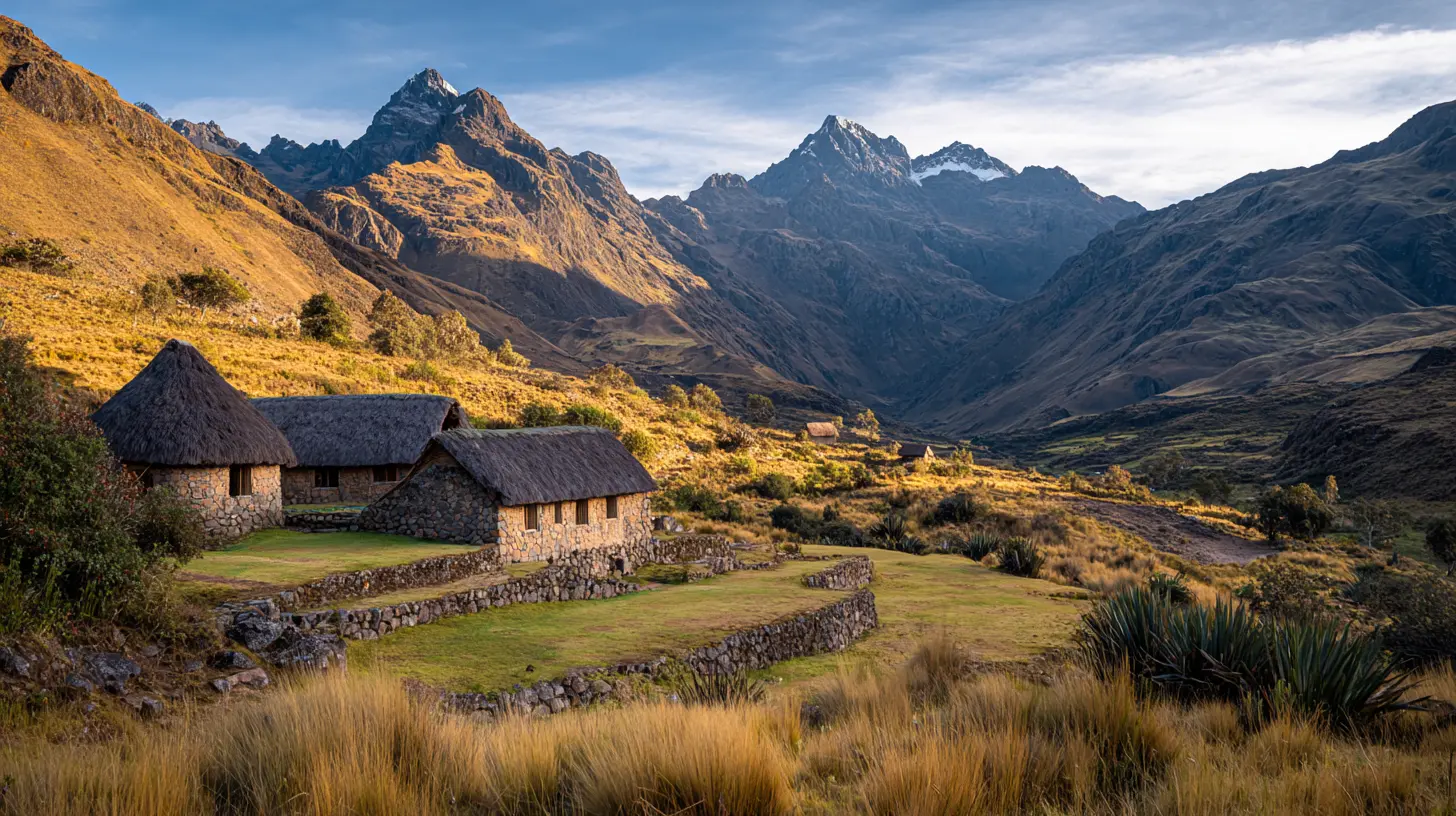
Okay, let's paint a picture. It's 2027, and you've just landed in Cusco. Instead of hopping on a bus to a five-star hotel, you take a winding dirt road to a small village called Patacancha. This isn't a resort. It's a community-run retreat center built from local stone and mud. Your room has no TV. The Wi-Fi is spotty on purpose. But the view? The view is a valley that looks like it was painted by a god with a vendetta against flat surfaces.Your first morning, you don't do downward dog. You do something better. You join a local family to make "chicha," a fermented corn drink that's been around since before the Spanish showed up. You're laughing at how bad you are at grinding the corn. The grandmother, who's maybe eighty years old and has braids down to her waist, corrects your technique with a gentle smile. You don't speak the same language, but you understand each other perfectly.
That's the magic. These retreats are built around daily life, not a schedule. You might spend the afternoon learning about Andean astronomy from a shaman who can read the stars like a map. Or you might hike to a remote lake where the water is so clear it looks like liquid glass, and you just sit there. No agenda. No rush. By 2027, the best retreats will have no fixed itinerary. You wake up, and the community decides what you need that day.
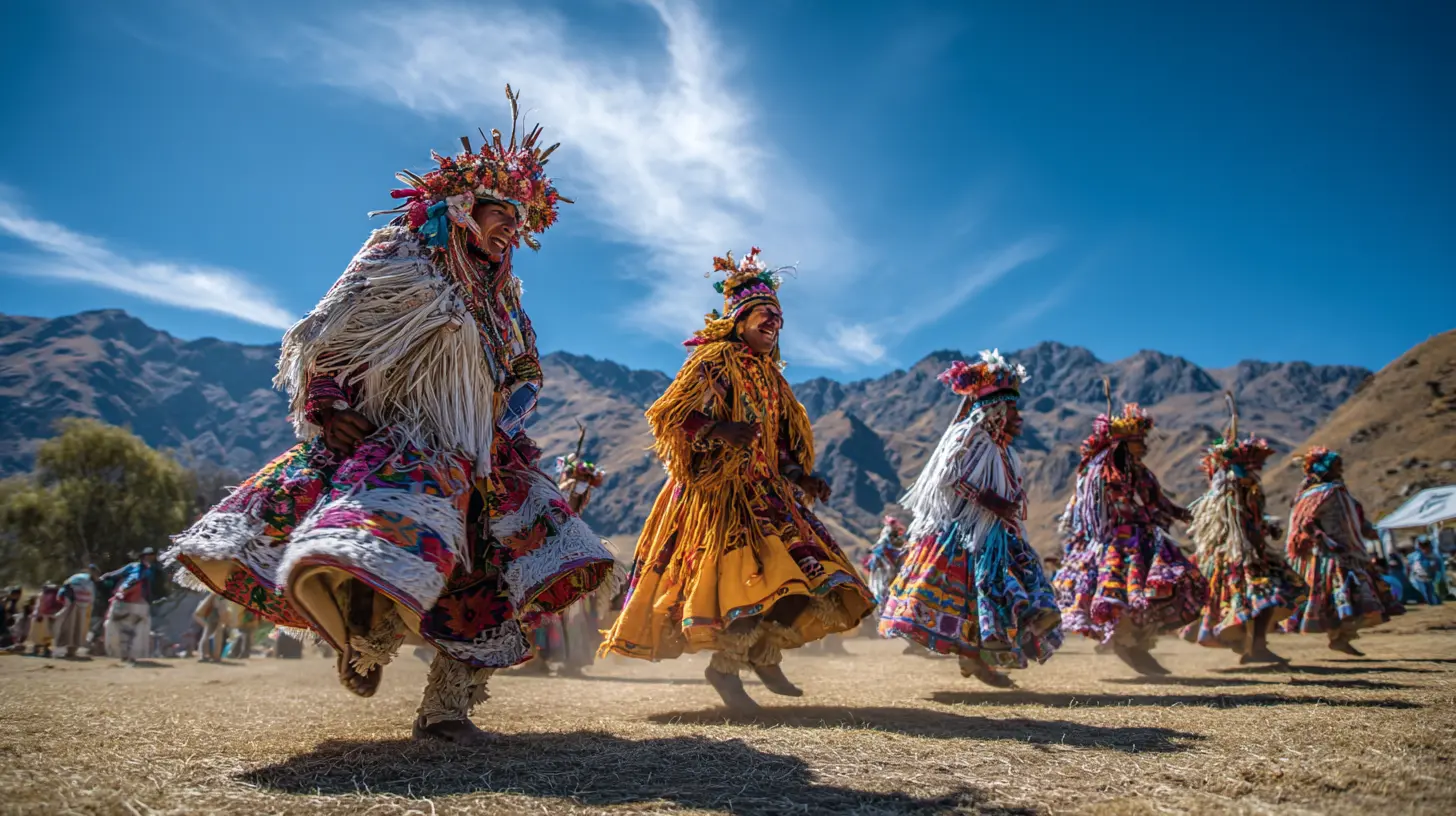
The Food Revolution: Eating Like an Inca
Listen, I love a good avocado toast as much as the next person. But Andean food is about to have a massive moment. By 2027, quinoa won't be a hipster joke anymore. It'll be the star of the show, but not the way you think. We're talking about purple potatoes you've never seen, giant corn kernels the size of your thumb, and a grain called "kiwicha" that packs more protein than chicken.Cultural retreats in the Andes will make food the centerpiece of the experience. You won't just eat. You'll harvest. You'll walk through terraced fields and pick your own ingredients. Then, you'll cook them over an open fire in a clay oven. There's something primal about eating food you helped grow, surrounded by mountains that have watched over the same valley for millennia. It makes a restaurant meal feel like fast food.
And the flavors? They're not subtle. Andean cuisine is bold, earthy, and smoky. They use herbs like "huacatay" (black mint) and "muña" (a type of Andean mint) that you can't find anywhere else. By 2027, chefs from Lima will be collaborating with village cooks to create fusion dishes that respect tradition but surprise your palate. Think quinoa risotto with aji amarillo, or trucha (trout) caught from a glacier-fed river, smoked over eucalyptus wood. Your taste buds will file a formal complaint when you go back home.
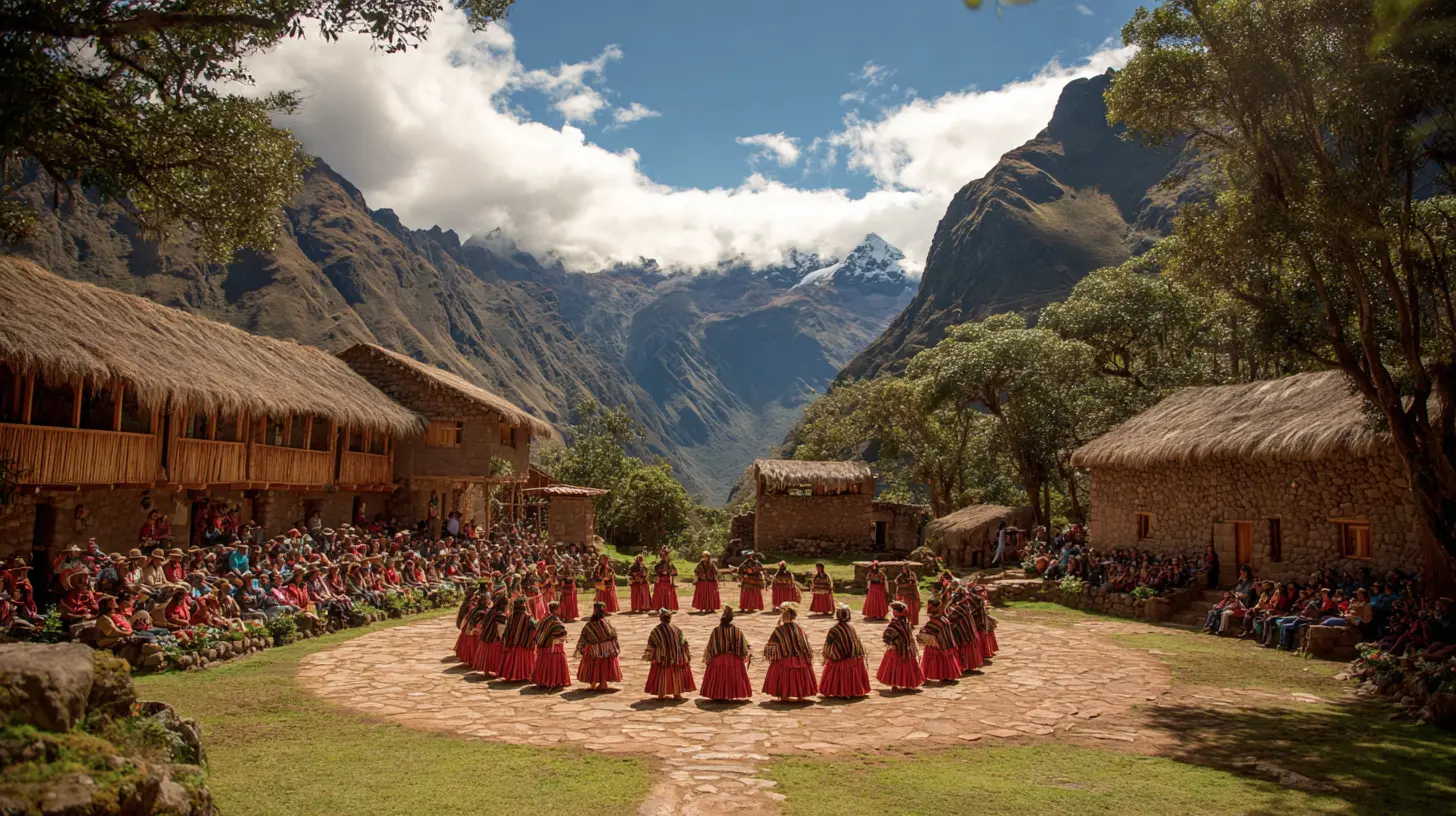
The Digital Detox You Actually Want
We all know we spend too much time on our phones. But telling someone to "unplug" is like telling a fish to stop swimming. It's easier said than done. That's why Andean retreats will be the perfect solution by 2027. They don't force you to disconnect. They make disconnecting feel natural.Imagine this: you're sitting on a hillside at 13,000 feet. The air is thin and cold. The only sound is the wind and a distant dog barking. You look at your phone, and there's no signal. At first, it's panic. But then, you notice the way the light hits the glacier. You notice the texture of the moss under your fingers. You start to breathe slower. By day three, you forget your phone even exists.
These retreats are designed to pull you into the present moment through action, not meditation apps. You'll build a wall with a local mason. You'll learn to shear a sheep. You'll walk for hours without saying a word because the landscape is so vast it makes conversation feel unnecessary. That's a detox you can't get from a silent yoga class. It's a detox that comes from doing something real.
Who Is This For? Not Just Hippies and Hikers
Here's the thing. When I say "cultural retreat," you might picture a barefoot person in linen pants chanting "om." And sure, there's room for that. But by 2027, the audience will be much broader. We're talking about corporate lawyers who want to remember why they work so hard. We're talking about families who want their kids to see that life exists beyond screens and suburbs. We're talking about couples who want a honeymoon that's more meaningful than a beach lounge.The Andes don't care about your job title. The mountains treat everyone the same. You could be a CEO or a broke artist, and the altitude will humble you equally. That's the beauty. These retreats are for anyone who feels like they've lost touch with something essential. The ritual of daily life in the Andes is simple: wake up, work with your hands, share meals, tell stories, go to sleep. It's a rhythm that humans followed for thousands of years before we invented email. By 2027, we'll be paying good money to get back to that rhythm.
The Economic Shift: Communities Take the Lead
This is the part that gets me excited. The rise of cultural retreats isn't just good for travelers. It's a lifeline for Andean communities. For decades, young people left their villages to work in cities or tourist hubs. They left behind their language, their traditions, and their elders. But now, the tables are turning.By 2027, many villages will run their own retreats. They'll keep the profits. They'll train their own guides, cooks, and artisans. Instead of a foreign company building a luxury lodge and hiring locals as maids, the community will own the whole operation. You'll stay in a home that's been in the same family for generations. Your money goes directly to the school, the health clinic, or the alpaca cooperative.
This isn't charity. It's a business model that respects culture. And it's working. I've seen it happen in small pockets already. A village near the Lares Valley started a weaving retreat where tourists stay for a week to learn backstrap loom techniques. The women who run it now earn more than their husbands who work in construction. They're proud. They're independent. And they're teaching their daughters the same skills. That's the future.
The Challenges: Altitude, Bugs, and No Showers
Let's not sugarcoat it. The Andes are not for everyone. The altitude is a beast. You'll get headaches. You'll get winded walking up a gentle slope. The nights are cold, even in summer. Showers might be a bucket of water heated over a fire. There are flies. There are dogs that bark all night. There is no room service.But here's the secret: that's exactly why it works. The discomfort strips away your pretensions. When you're shivering under three alpaca blankets, you don't care about your Instagram feed. You care about being warm. You care about the soup that's coming for dinner. You become more human, more vulnerable, more open.
By 2027, the best retreats will lean into this. They won't try to be luxury resorts in disguise. They'll say, "Yes, it's rustic. Yes, it's hard. But that's the point." The travelers who come will be the ones who get it. They'll trade comfort for authenticity. And they'll leave changed.
How to Choose Your Andean Retreat in 2027
So you're sold. You want to go. But how do you pick? By 2027, there will be dozens of options, from the Sacred Valley to the highlands of Bolivia. Here's my advice: look for retreats that are run by locals, not by foreign corporations. Check if they work with indigenous guides. See if the itinerary includes hands-on activities, not just lectures.Avoid anything that promises "luxury" in the same sentence as "cultural immersion." Those two things rarely mix well in the Andes. Instead, look for words like "community-based," "homestay," or "traditional." Ask questions. How much of the money stays in the village? Do they use local materials? Are the meals cooked by families?
Also, don't overbook yourself. The biggest mistake people make is trying to see everything. The Andes are vast. Pick one valley, one village, and stay there for at least a week. Let the place seep into your bones. Rushing is the enemy of transformation.
The Bigger Picture: Why This Matters
We are living in a time where everything feels fake. Social media is curated. News is filtered. Even our food is processed. The Andes offer the opposite. They offer raw, unfiltered reality. A cultural retreat there isn't a vacation. It's a reminder that the world is still wild, that people still live by ancient rhythms, and that you can still find peace without a subscription.By 2027, these retreats will be more than a trend. They'll be a movement. People will come back from the Andes with dirt under their nails and a new perspective in their hearts. They'll stop bragging about how many countries they've visited and start talking about the grandmother who taught them to weave. They'll realize that the best souvenirs aren't things you buy. They're the stories you carry.
So, are you ready to trade the beach for a mountain? The Wi-Fi for a weaver's loom? The crowd for a quiet valley? The Andes are waiting. And by 2027, they'll be ready for you.
all images in this post were generated using AI tools
Category:
Cultural ImmersionAuthor:

Tracie McAdams
Discussion
rate this article
1 comments
Kate Horne
Cultural retreats in the Andes are a refreshing way to experience local heritage and nature.
June 15, 2026 at 5:04 AM