The Future of Sustainable Cruises: Reducing Your Impact on the Open Seas
15 December 2025
Picture this: you’re standing on the deck of a luxurious cruise ship, gazing out at the endless ocean, feeling the salty breeze against your skin. It’s paradise—until you realize that traditional cruise ships have a dirty little secret. Beneath the glamour, these floating giants contribute to pollution, marine degradation, and excessive fuel consumption.
But there’s hope. The cruise industry is on the brink of a revolution. Sustainable cruising is no longer a far-fetched dream—it’s happening now. The future of cruises is greener, smarter, and more responsible. So, how can we enjoy the open seas without destroying them? Let’s set sail on this journey toward a new era of eco-friendly travel.
The Dark Side of Cruise Ships: Why Change Is Urgent
Cruises have a reputation for being lavish, all-inclusive floating resorts. But behind the scenes, these ships take a heavy toll on the planet. Here’s the ugly truth:- Massive Carbon Footprint – A single cruise ship emits as much CO2 as thousands of cars. Traditional ships run on heavy fuel oil, one of the most polluting fuels out there.
- Ocean Pollution – Waste water, sewage, and garbage often end up in the ocean, harming marine life.
- Overtourism – Cruises dump thousands of tourists into delicate coastal ecosystems, overwhelming local communities and wildlife.
It’s clear that business as usual is no longer an option. The industry must adapt—or risk sinking under the weight of its environmental impact.
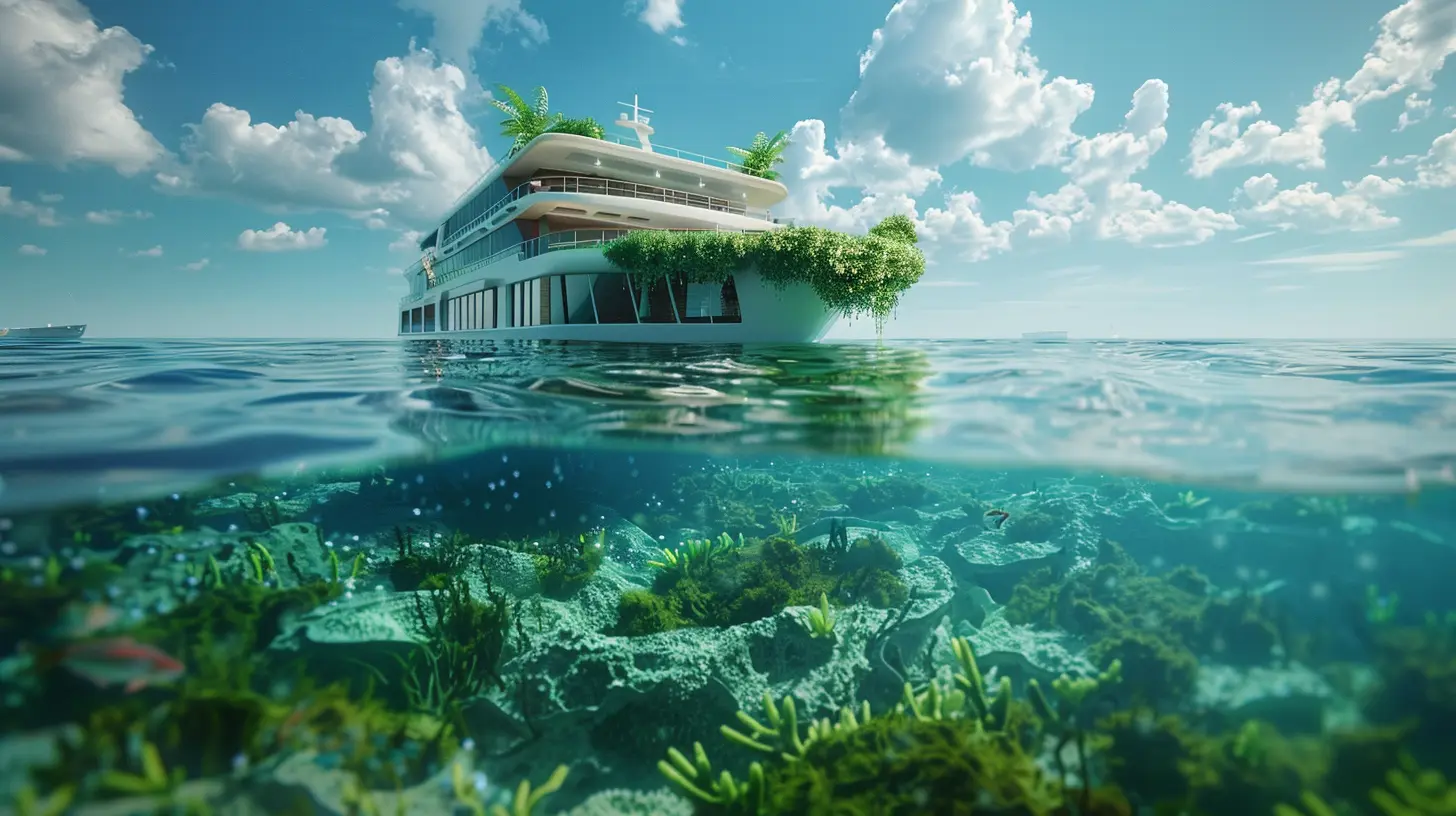
Green Technology: The Future of Eco-Friendly Cruising
So, what does the future of sustainable cruising look like? Innovation is steering the industry toward a greener horizon. Here are some of the game-changing technologies making waves:1. LNG-Powered Ships: A Cleaner Alternative
One of the biggest advancements in sustainable cruising is the shift toward Liquefied Natural Gas (LNG). Unlike traditional fuels, LNG burns cleaner and produces fewer emissions. Major cruise lines have already started rolling out LNG-powered ships, cutting sulfur and nitrogen oxide emissions drastically.2. Electric and Hybrid Ships: The Tesla of the Seas
Imagine a ship that runs on electricity, just like an electric car. Hybrid and fully electric cruise ships are becoming a reality. These vessels use battery storage to reduce reliance on fuel, making short journeys emission-free. Norway, a leader in sustainable cruising, has already launched electric ferries and smaller hybrid-powered cruise ships.3. Wind and Solar Power: Harnessing Nature’s Energy
Some futuristic cruise ships are experimenting with solar panels and even wind propulsion. With massive sails or solar energy assisting power generation, ships can reduce their dependence on fossil fuels. The result? A quieter, cleaner cruise experience.4. Advanced Waste Management Systems
One of the worst offenders in cruise ship pollution is waste disposal. But new systems are tackling this head-on. Modern ships are equipped with cutting-edge waste management technology, turning sewage into clean water and reducing single-use plastics on board. Some even have incinerators that convert waste into energy.5. Smart Water Usage: Every Drop Counts
Water consumption on cruise ships is astronomical. But new desalination plants and water purification systems onboard ensure that fresh water is produced sustainably. Some cruise lines have even banned single-use plastic bottles, providing passengers with refill stations instead.
Sustainable Destinations: Traveling Without Harming Paradise
Sustainability doesn’t stop at the ship itself. Where and how cruises travel matters just as much. The future of responsible cruising includes:1. Eco-Conscious Ports and Destinations
Some locations are cracking down on over-tourism by limiting the number of cruise ships allowed to dock. Destinations like Venice and Dubrovnik have already put restrictions in place to protect their fragile environments. More cities are following suit, encouraging ships that meet green standards.2. Supporting Local Communities
Sustainable cruising means giving back to the places we visit. Cruise lines are working with local businesses, investing in eco-friendly shore excursions, and ensuring that tourism benefits the local economy rather than overwhelming it.3. Conservation-Focused Excursions
Traditional shore excursions can damage marine ecosystems, but the future is changing that. More cruise lines are partnering with conservation organizations to offer snorkeling, hiking, and wildlife tours that focus on preservation rather than exploitation. Expect more eco-friendly adventures that let travelers experience nature without harming it.
What Can You Do? How Passengers Can Cruise Responsibly
Sustainable cruising isn’t just about what the industry does—it’s also about the choices we make as passengers. Here are a few ways you can reduce your impact:- Choose eco-friendly cruise lines – Look for companies committed to sustainability, such as those investing in LNG ships, banning single-use plastics, or offsetting carbon emissions.
- Be mindful of waste – Avoid overconsumption, use reusable water bottles, and recycle whenever possible.
- Respect the destinations – Stick to responsible excursions, support local businesses, and follow environmental guidelines.
- Offset your carbon footprint – Some cruise lines offer carbon offset programs, allowing you to balance out your travel impact by funding renewable energy projects.
The Future Is Bright: A New Era of Responsible Cruising
The cruise industry is at a turning point. With growing awareness and pressure from travelers, companies are being forced to clean up their act. And the best part? Sustainability doesn’t mean sacrificing luxury. Instead, it enhances the experience, offering cleaner waters, fresher air, and destinations that thrive rather than suffer from tourism.Will the cruise industry ever be 100% sustainable? Maybe not. But with new technologies, responsible tourism practices, and eco-conscious travelers pushing for change, the future of cruises is looking greener than ever.
So next time you book a cruise, ask yourself: Will my journey help protect the ocean—or contribute to its destruction? The choice is in our hands.
all images in this post were generated using AI tools
Category:
Sustainable TourismAuthor:

Tracie McAdams
Discussion
rate this article
2 comments
Angela Duke
Set sail for a greener tomorrow! Who knew cruising could be eco-friendly and fun? Bon voyage!
January 20, 2026 at 5:22 PM
Tracie McAdams
Thank you! Excited to see how sustainable cruising can make a positive impact on our oceans while providing unforgettable experiences. Bon voyage indeed!
Candace O'Neal
Thank you for shedding light on such an important topic! It's encouraging to see the cruise industry embracing sustainability. Every small step toward reducing our impact on the oceans makes a significant difference for future generations. Keep up the great work!
December 29, 2025 at 4:34 PM
Tracie McAdams
Thank you for your kind words! I'm glad you found the article insightful and share the same enthusiasm for a sustainable future in the cruise industry. Every step counts!