The Future of Food Tourism: What to Expect by 2026
25 April 2026
You know that feeling when you bite into a steaming bowl of ramen in a tiny Tokyo alley, or when you’re handed a fresh-off-the-grill taco from a street vendor in Mexico City? That’s not just a meal—that’s a memory. Food tourism has exploded over the last decade, and it’s not slowing down. By 2026, the way we travel for food will look radically different. We’re talking about a shift so seismic that it’ll change how you plan your next vacation. So, grab a seat at the metaphorical table—I’m about to serve you a full-course preview of what’s coming. Ready to dig in?
The Rise of Hyper-Local, Micro-Regional Cuisines
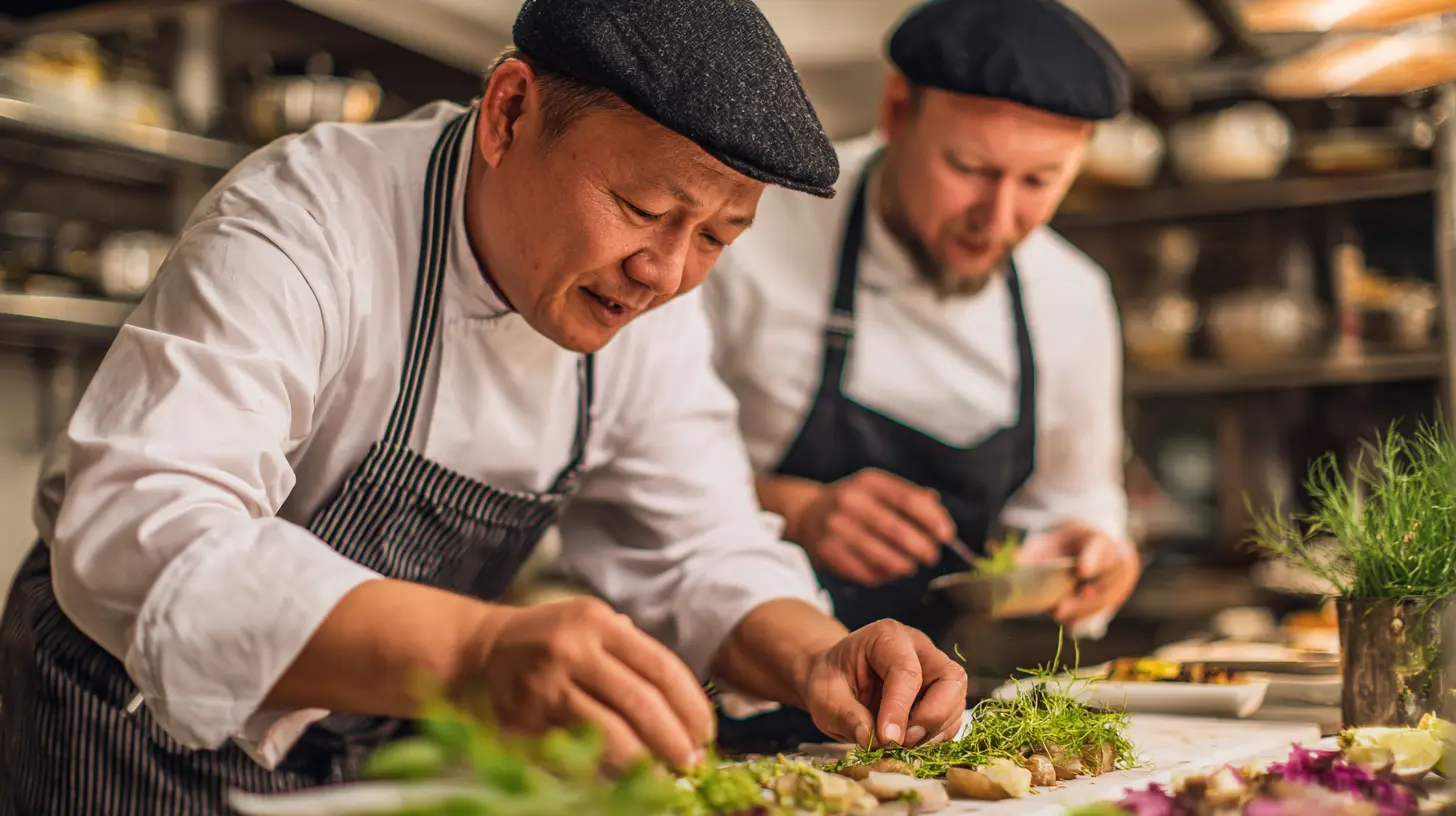
Let’s be real: the days of “Italian food” or “Chinese food” as a single category are numbered. By 2026, food tourists won’t just want to eat in a country—they’ll want to eat from a specific valley, a particular mountain range, or even a single village. Think of it like music: you wouldn’t say you love “American music” and stop there, right? You’d dive into Delta blues, Appalachian folk, or Detroit techno. Food is getting the same treatment.I’m talking about micro-regional cuisines becoming the main attraction. Imagine booking a trip specifically to try the burrata from a single dairy farm in Puglia, or the mole from a specific market in Oaxaca. Travelers will chase ingredients like truffle hunters chase pigs. Why? Because authenticity is the new luxury. By 2026, food tourism will be less about checking off “must-eat” dishes from a list, and more about understanding the soil, the climate, and the hands that grew your lunch.
For example, places like the “Slow Food” movement in Italy or the “Farm-to-Table” ethos in California are just the appetizer. The main course will be hyper-specific culinary trails—think “The Saffron Route of Iran” or “The Seaweed Coast of Portugal.” If you’re a food traveler, start sharpening your geography skills. You’ll need to know the difference between comté from Jura and beaufort from Savoie. It’s nerdy, it’s delicious, and it’s coming fast.
Technology as the New Sous-Chef
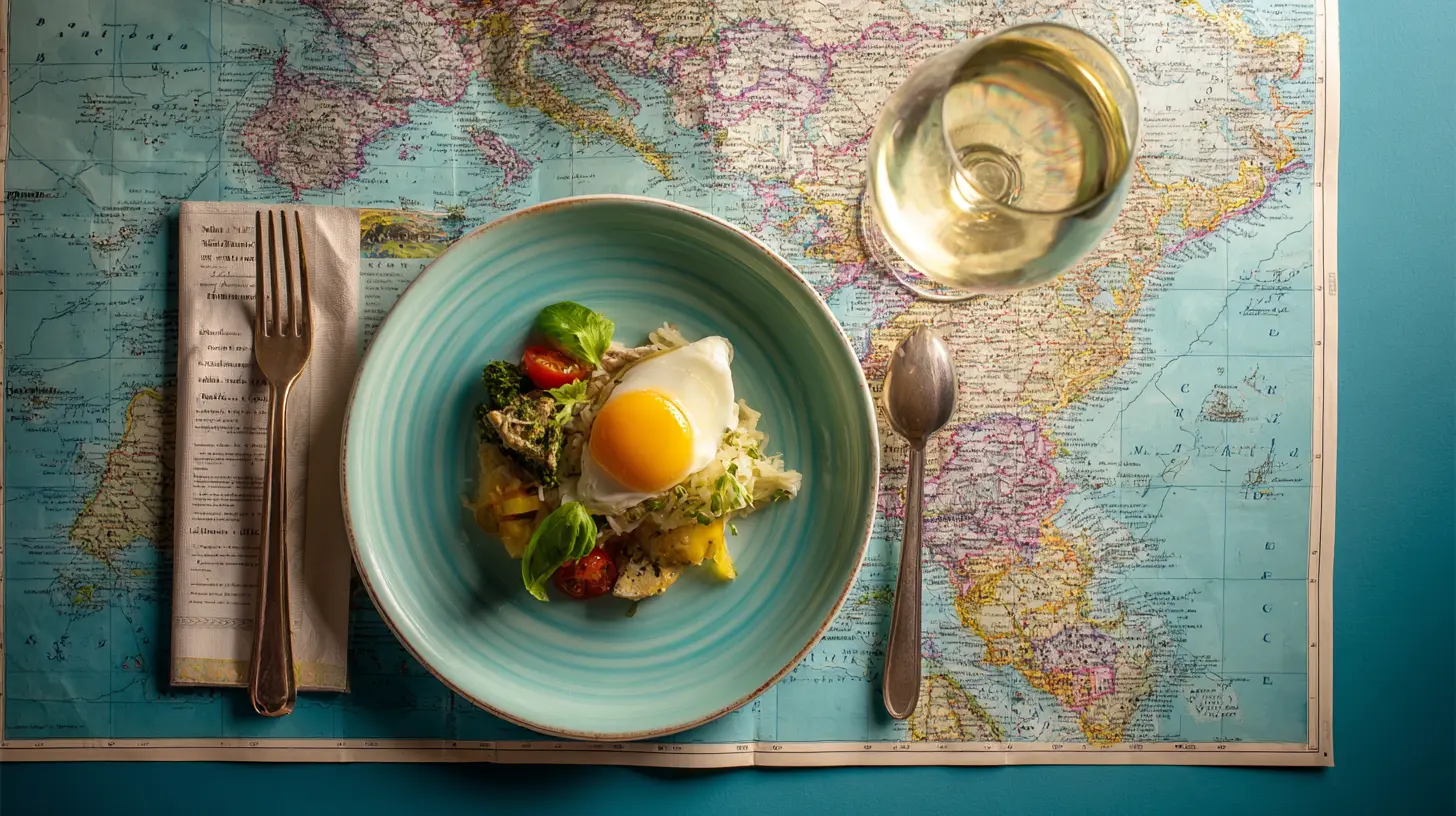
I know what you’re thinking: “Tech in food tourism? Isn’t that an oxymoron?” But hear me out. By 2026, technology won’t replace the human touch—it’ll enhance it. Imagine augmented reality (AR) glasses that let you see the origin story of your steak as you chew it. Or AI-powered apps that translate not just the menu, but the emotion behind a dish. “This stew was cooked by Maria, whose grandmother learned the recipe during the war.” That’s not sci-fi; it’s the next five years.We’ll also see blockchain playing a huge role in trust. Ever been burned by a “local” restaurant that actually served frozen food from a warehouse? Yeah, me too. By 2026, you’ll be able to scan a QR code on your plate and see the entire supply chain—from the farmer who harvested the tomato to the truck that brought it to your table. It’s like a biography for your burger.
And let’s not forget the rise of “digital taste” experiences. Virtual reality cooking classes will let you learn to make pho from a Hanoi grandmother without leaving your living room. But here’s the twist: these virtual sessions will be so immersive that you’ll actually book a flight to do it in person. Tech isn’t replacing travel; it’s whetting your appetite for it.
Sustainability Isn’t a Trend—It’s the Table Stakes
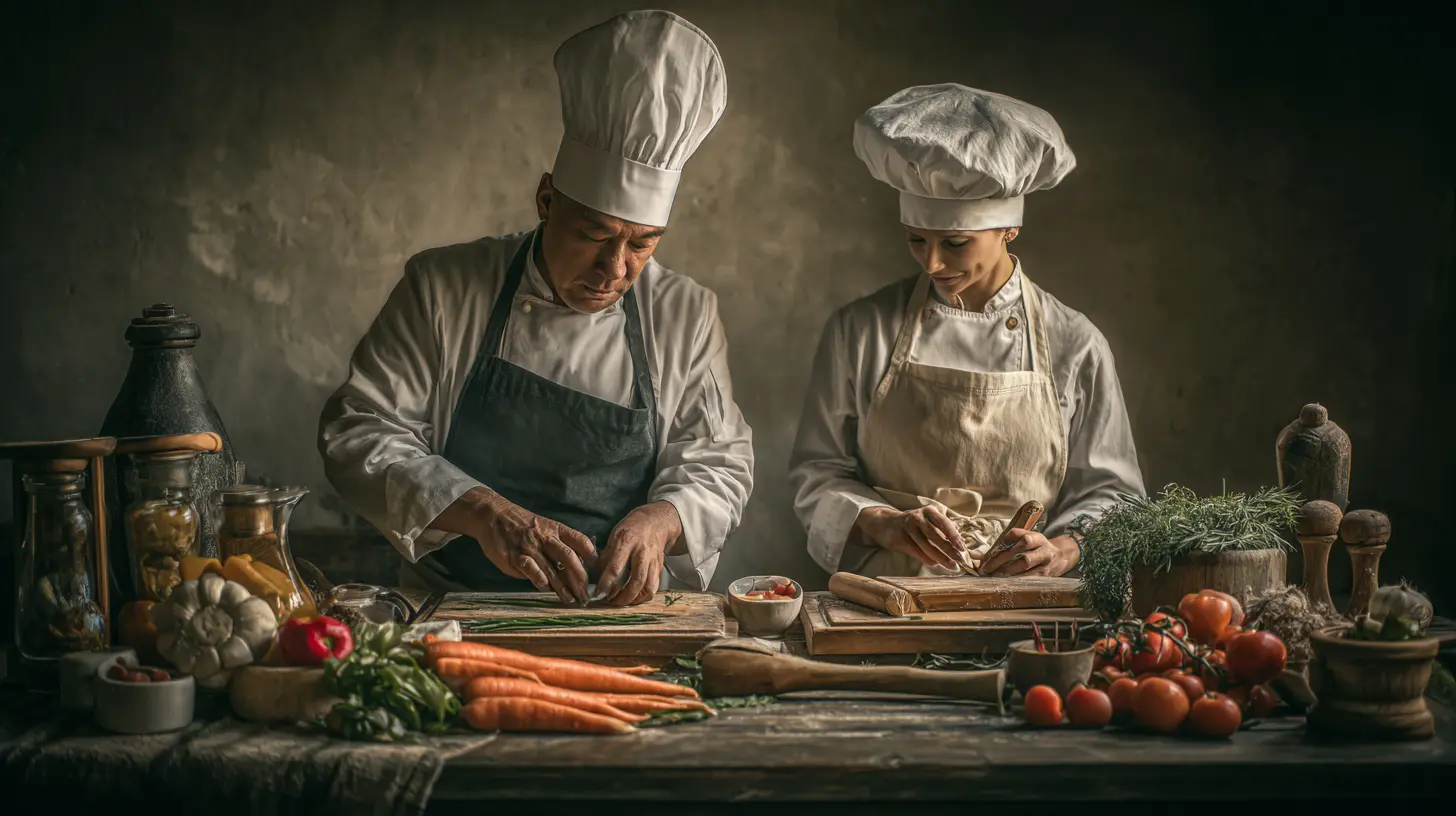
If you think sustainability in food tourism is just about using paper straws, you’re about to get a rude awakening. By 2026, “sustainable” won’t be a marketing buzzword—it’ll be a requirement. Travelers will refuse to eat at restaurants that can’t prove their carbon footprint. And I’m not just talking about vegan options. I’m talking about regenerative agriculture, zero-waste kitchens, and hyper-local sourcing that makes “local” look like a global term.Here’s a metaphor: think of food tourism like a garden. Right now, we’re still pulling weeds. By 2026, we’ll be designing the whole ecosystem. Expect to see more “food forests” where tourists can pick their own ingredients, then cook them in on-site kitchens. Expect restaurants that grow their own mushrooms in basements and raise fish in rooftop aquaponics systems. Travelers will pay a premium for meals that leave the planet better than they found it.
But here’s the kicker: sustainability will also mean cultural sustainability. By 2026, food tourism will actively fight against the homogenization of global cuisine. You’ll see more initiatives where indigenous communities control the narrative of their food. No more “exotic” labels for dishes that have been around for centuries. Instead, you’ll hear the actual stories—and you’ll be expected to treat them with respect. If you’re a food tourist, come hungry, but also come humble.
The “Foodie-Nomad” Lifestyle Takes Over
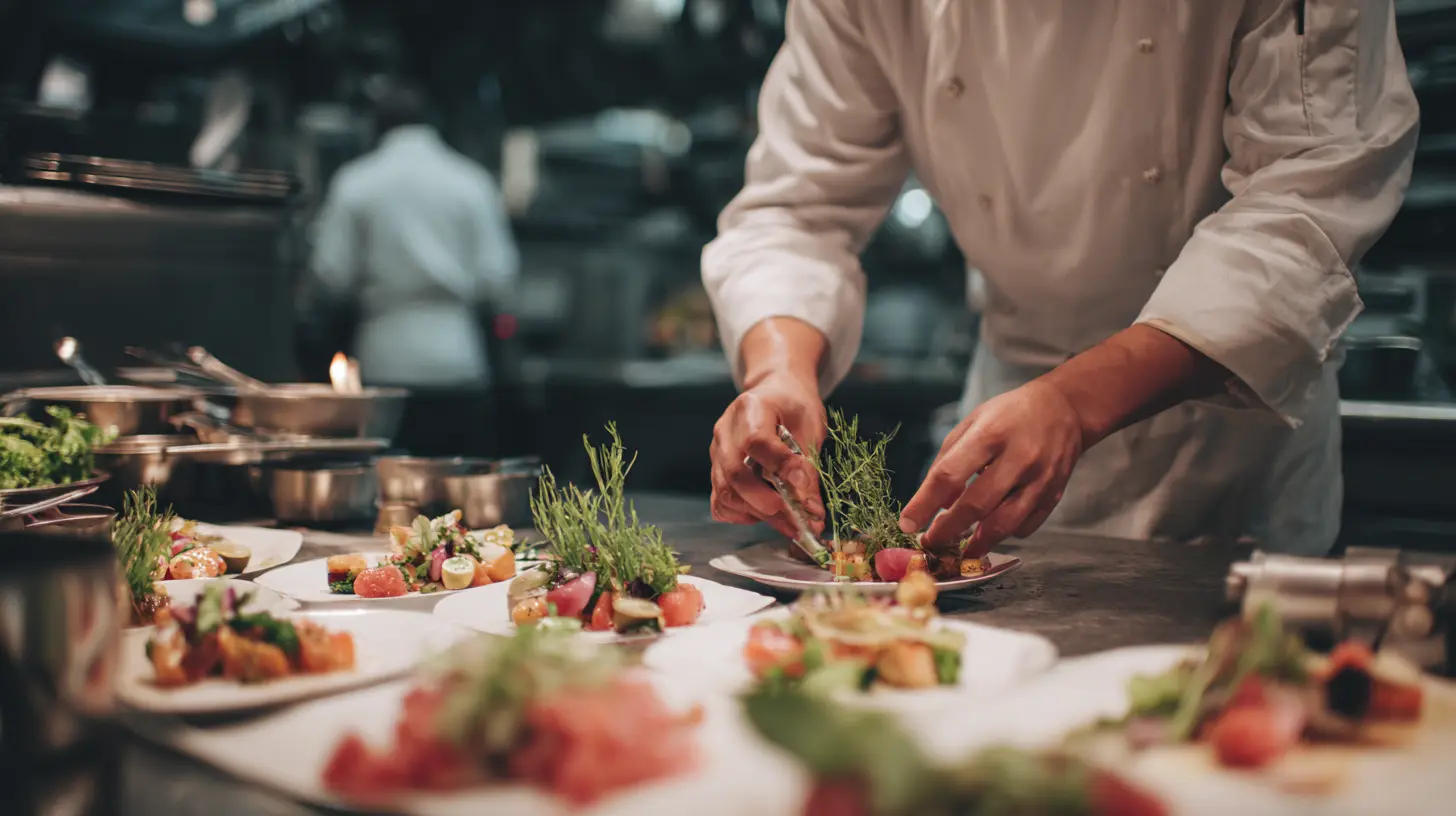
Remember when “digital nomads” were just people with laptops in coffee shops? By 2026, they’ll be “foodie-nomads”—people who base their entire travel itinerary around culinary calendars. Think about it: why stay in one place for a month when you can chase the cherry blossom season in Japan, then the truffle season in Croatia, then the chili harvest in New Mexico?This shift will create a new kind of travel infrastructure. Expect “gastro-hostels” with professional kitchens, “culinary co-working spaces” where you can taste-test your lunch between Zoom calls, and “food fairs” that are actually month-long residencies. The line between vacation and lifestyle will blur. You won’t just “go on a food tour”; you’ll live in a food region for a season.
And here’s the beautiful part: foodie-nomads will build communities around shared tables. Imagine a group of strangers from five different countries, all cooking a communal meal from ingredients foraged that morning. That’s not a fantasy—it’s the future of travel. By 2026, the most sought-after travel experience won’t be a five-star hotel. It’ll be a farm stay where you learn to make cheese from a third-generation artisan. The currency? Time, taste, and trust.
The Death of the “Tourist Menu” (Finally)
We’ve all been there. You walk into a restaurant, and the menu features “Pizza,” “Pasta,” and “Caesar Salad” in a country where none of those are traditional. It’s the culinary equivalent of a souvenir shop. By 2026, these tourist menus will be as extinct as the dodo. Here’s why: travelers are getting smarter, and they’re willing to walk an extra mile (literally) for the real deal.The rise of “food neighborhoods” will replace the generic restaurant row. Cities will designate specific areas for authentic street food, home-based eateries, and pop-up kitchens. Think of it like a music festival: you don’t go to the main stage for the opening act; you go to the side tents for the underground bands. By 2026, food tourism will be all about the side tents.
This also means the end of “fusion” for fusion’s sake. Instead, you’ll see “cross-cultural dialogue” on a plate—where a chef from Senegal and a chef from Korea collaborate on a dish that honors both traditions without diluting them. It’s not about mashing things together; it’s about creating a conversation. And as a traveler, you get to be part of that conversation. Isn’t that more exciting than a generic “Asian-inspired” bowl?
Health-Conscious Travel Gets a Flavor Upgrade
Let’s be honest: health food has a reputation for being boring. Kale chips and quinoa bowls are the polyester suits of the culinary world—functional but not exactly sexy. But by 2026, health-conscious food tourism will be anything but bland. We’re talking about “functional cuisine” that tastes incredible while also boosting your immune system, reducing inflammation, or improving your gut health.Imagine a “longevity tour” in Okinawa, Japan, where every meal is designed to extend your lifespan. Or a “mental clarity retreat” in the Mediterranean, where the menu includes brain-boosting herbs and omega-3-rich seafood. This isn’t about deprivation; it’s about indulgence with intention. The future of food tourism will treat your body like a temple, but it’ll also throw a party in that temple.
And here’s a twist: “guilty pleasures” will be rebranded as “soul foods.” A deep-fried beignet from New Orleans? That’s not junk—that’s cultural heritage. By 2026, nutritionists and chefs will work together to balance pleasure and health. You’ll eat the beignet, but you’ll also walk a food trail that burns off the calories. It’s the ultimate win-win.
The Social Media Effect: From #FoodPorn to #FoodStory
I love a good food photo as much as the next person, but by 2026, the era of the shallow #foodporn shot will be over. Travelers will crave depth, not just aesthetics. Instead of a quick snap of a colorful plate, you’ll see video essays that capture the sound of sizzling oil, the chatter of a market, and the hands that shaped the dough. Social media will shift from “look at this” to “feel this.”This means food tourism marketers will need to be storytellers, not just photographers. Expect more “audio food tours” where you listen to a chef’s voice while you taste their dish. Expect “smell-o-vision” pop-ups where you can experience the aroma of a spice market before you book the flight. By 2026, if your food content doesn’t tell a story, it’ll be ignored.
And here’s a rhetorical question for you: wouldn’t you rather watch a 3-minute video about the history of a single olive tree than scroll past a hundred identical avocado toasts? I thought so. The future of food tourism on social media is about connection, not consumption. It’s about turning viewers into visitors.
Planning Your 2026 Food Trip: A Practical Guide
Alright, enough theory. Let’s get practical. How do you prepare for this food tourism revolution? Here’s my advice, straight from the kitchen of my brain.First, start learning about “food seasons” the way you learn about weather seasons. Maps that show when specific ingredients are at their peak will become your best friend. Second, get comfortable with spontaneity. By 2026, the best meals won’t be in guidebooks—they’ll be in WhatsApp groups, local forums, and whispers from farmers. Third, invest in a good pair of walking shoes. The most authentic food experiences will be off the beaten path, often accessible only by foot.
Fourth, learn to ask better questions. Instead of “What’s the best restaurant here?” ask “Where do you eat on your day off?” or “What dish reminds you of your grandmother?” These questions open doors. Finally, be ready to pay more for less. A single, perfect, story-rich meal will cost more than a buffet of mediocrity. But trust me, your taste buds—and your memories—will thank you.
The Bottom Line: Food Tourism as a Force for Good
By 2026, food tourism won’t just be about filling your stomach. It’ll be about filling your soul. It’ll be a tool for cultural preservation, environmental stewardship, and human connection. It’ll be a way to vote with your fork for the kind of world you want to live in.So, what’s the takeaway? Start paying attention to where your food comes from—not just the country, but the community. Start valuing the hands that cook, the soil that grows, and the stories that season every bite. The future of food tourism is bright, delicious, and deeply human. And it’s waiting for you at the table.
all images in this post were generated using AI tools
Category:
Culinary TravelAuthor:

Tracie McAdams
Discussion
rate this article
2 comments
Luella Kline
Food tourism is evolving fast. By 2026, expect immersive experiences that not only tantalize taste buds but also connect travelers with local cultures. Get ready to dig in and explore!
May 3, 2026 at 4:25 AM
Danica Jordan
Exciting times ahead for food tourism! By 2026, expect immersive culinary experiences that blend local culture, sustainability, and innovation. Travelers will seek authentic tastes, making food a pivotal part of their journeys.
April 25, 2026 at 2:49 AM
Tracie McAdams
Absolutely! The future of food tourism indeed promises to be thrilling, with a strong focus on authentic experiences and sustainable practices. Exciting changes are on the horizon!