The Art of Celebration: Festivals That Define a Nation
26 May 2026
Festivals are more than just colorful parades and extravagant feasts. They are the heartbeat of a culture, the thread that weaves communities together, and a glimpse into a nation’s soul. Every country has its own way of celebrating, each festival telling a story of history, faith, and tradition.
But have you ever wondered why some festivals stand out, shaping the identity of entire nations? Let’s take a journey across the globe and uncover the magic behind some of the most iconic celebrations that define a country’s spirit. 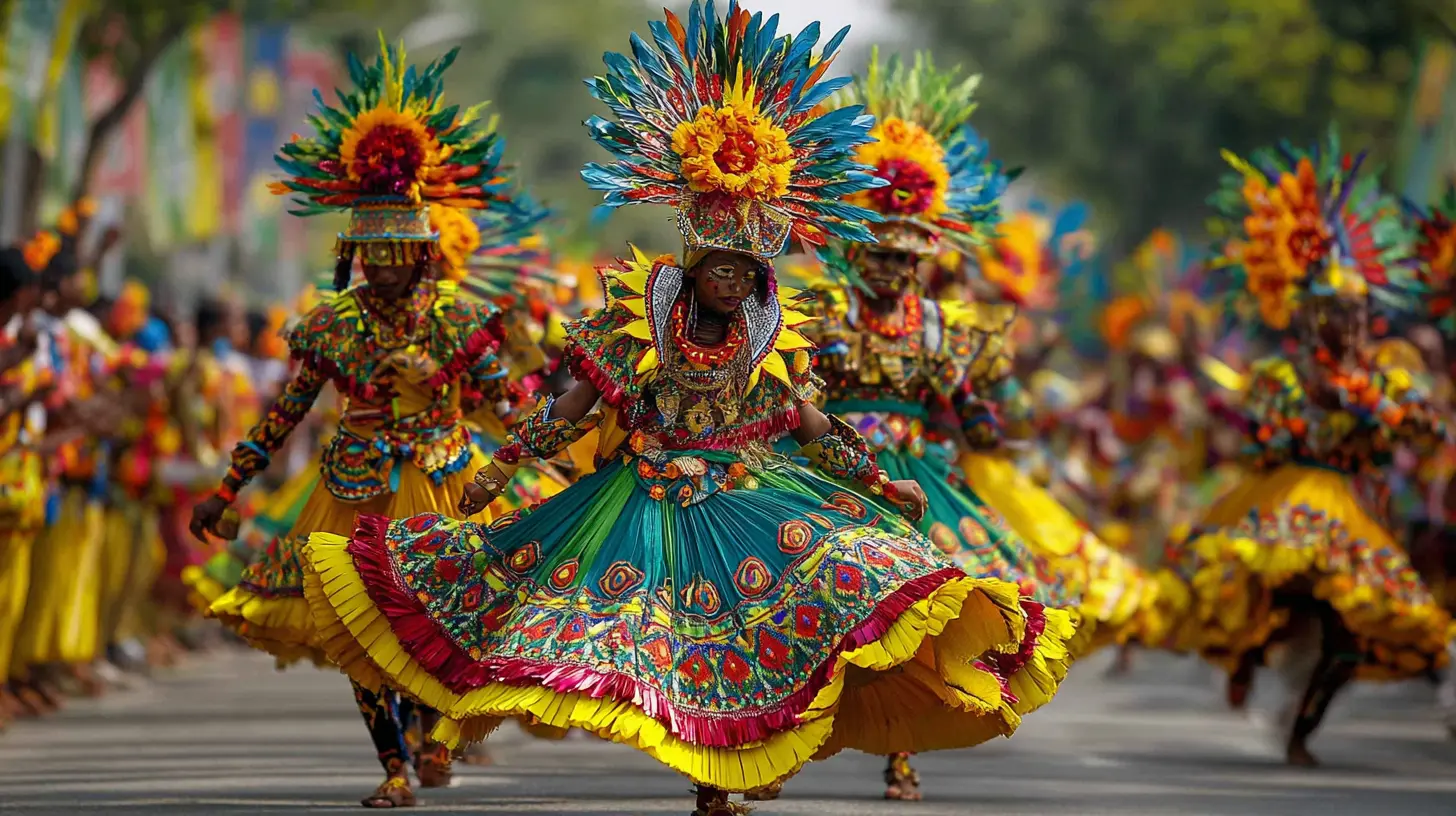
Why Do Festivals Matter?
Festivals aren’t just excuses to take a break from work or school. They’re moments when people reconnect with their heritage, pass down traditions, and strengthen bonds with loved ones. Whether it’s a religious celebration, a historical commemoration, or a cultural extravaganza, festivals hold the power to bring people together, creating memories that last a lifetime.For many nations, these events serve as a representation of their identity—what they believe in, what they cherish, and what makes them unique. And in a world where cultures often blend, festivals remain a pure and authentic reflection of a country’s roots.
Now, let’s look at some of the festivals that have become legendary symbols of their nations. 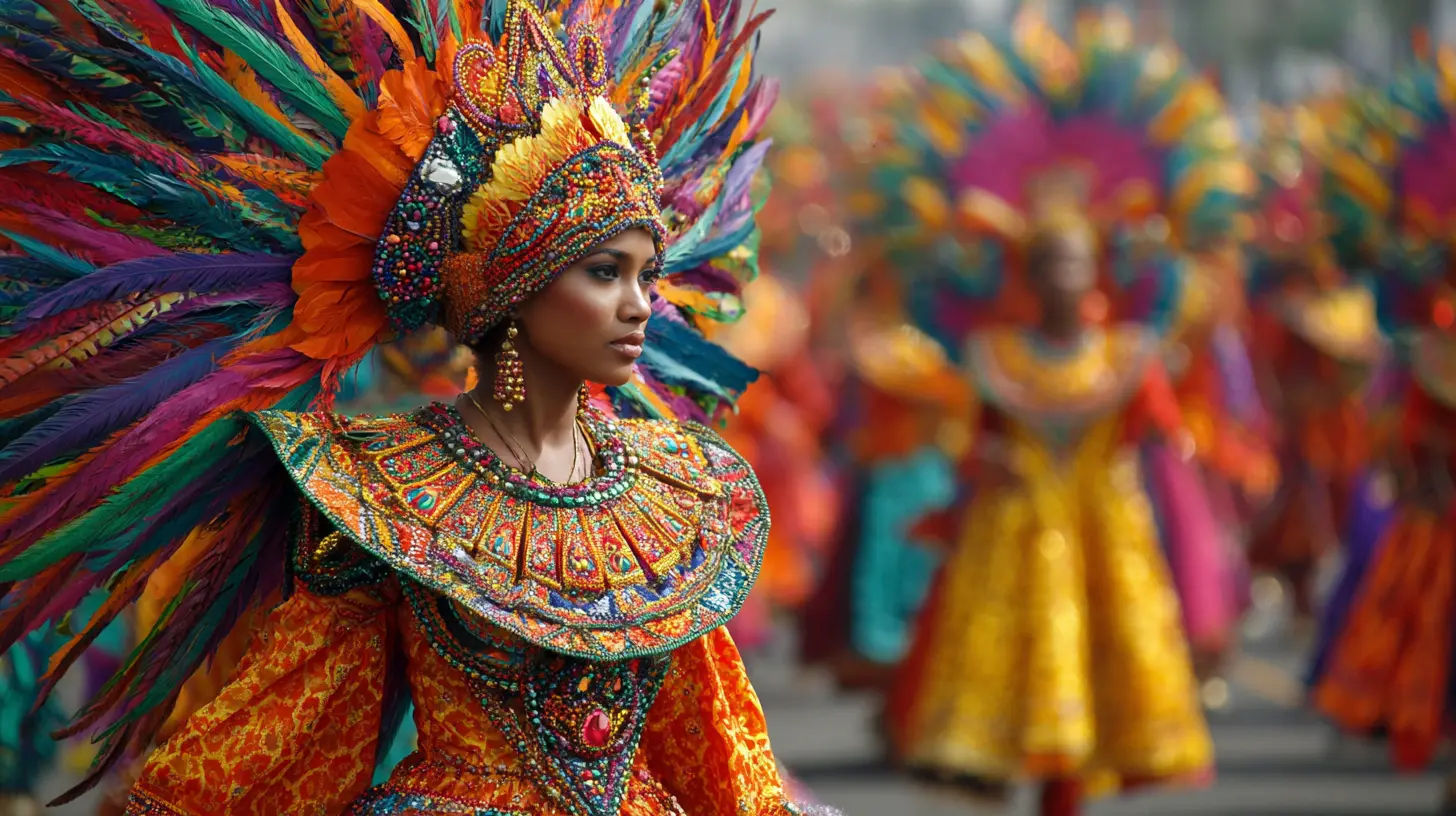
1. Diwali – The Festival of Lights (India)
If there’s one festival that defines India, it’s Diwali. This Hindu festival, also celebrated by Sikhs and Jains, marks the victory of light over darkness and good over evil. The celebration lasts five days, with families cleaning their homes, lighting oil lamps (diyas), and bursting fireworks.But it’s more than just lights and firecrackers. Diwali is about togetherness, love, and hope. Homes glow with warmth, sweets are exchanged, and people dress in their finest traditional attire. It’s a festival that reminds everyone that no matter how dark life gets, light will always return. 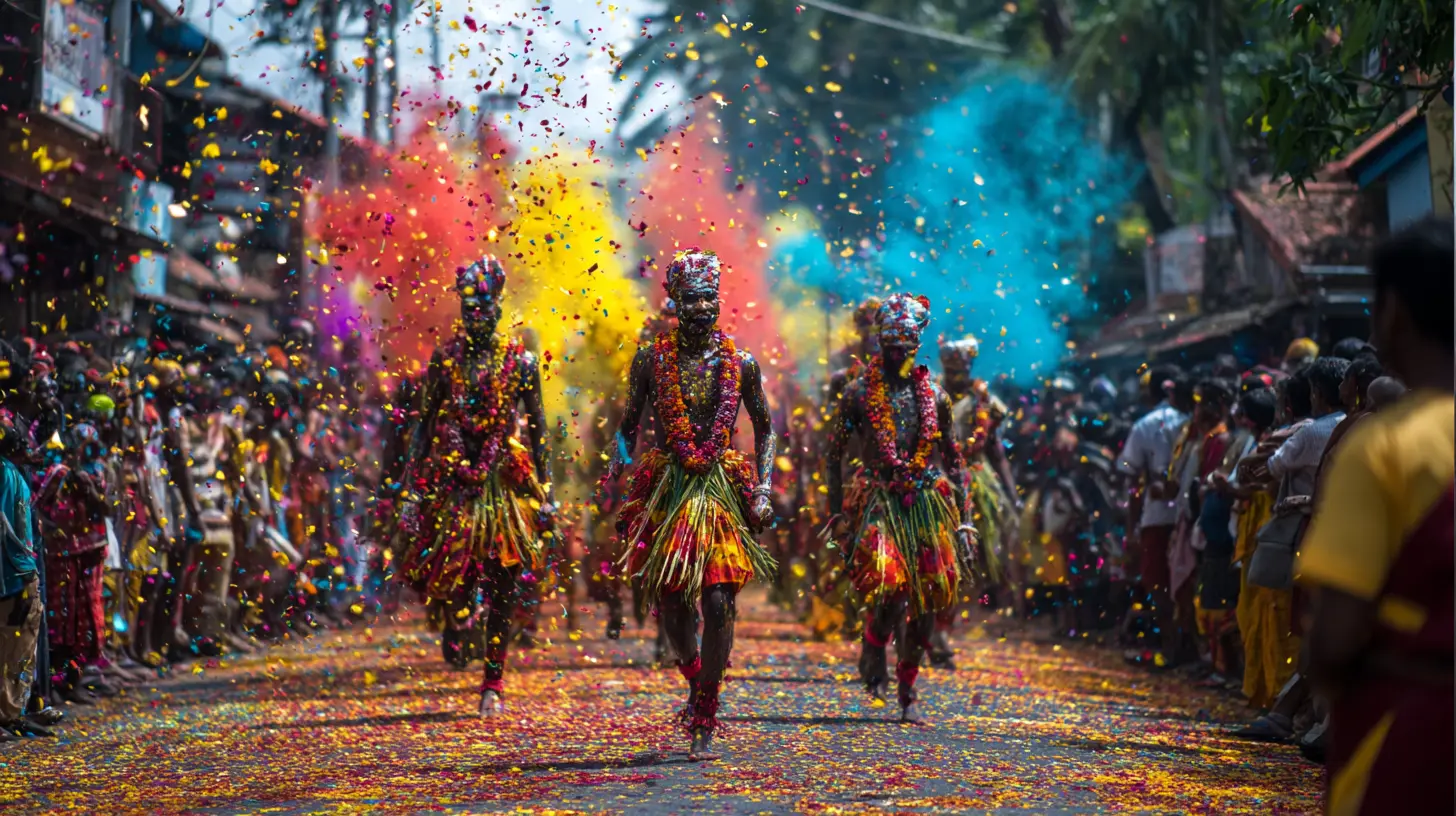
2. Chinese New Year – A New Beginning (China)
When you think of China, Chinese New Year is one of the first things that comes to mind. This grand celebration, also known as the Spring Festival, lasts for 15 days and is filled with dragon dances, red lanterns, and an explosion of fireworks.Families gather for reunion dinners, children receive lucky red envelopes (hongbao), and the streets come alive with vibrant parades. Every color, every dish, and every tradition during this festival carries a deep meaning, symbolizing prosperity, happiness, and longevity.
And let’s not forget the zodiac! Each year is represented by an animal sign, shaping the horoscopes and beliefs of millions. It’s more than just a celebration—it’s a nationwide reset for good fortune. 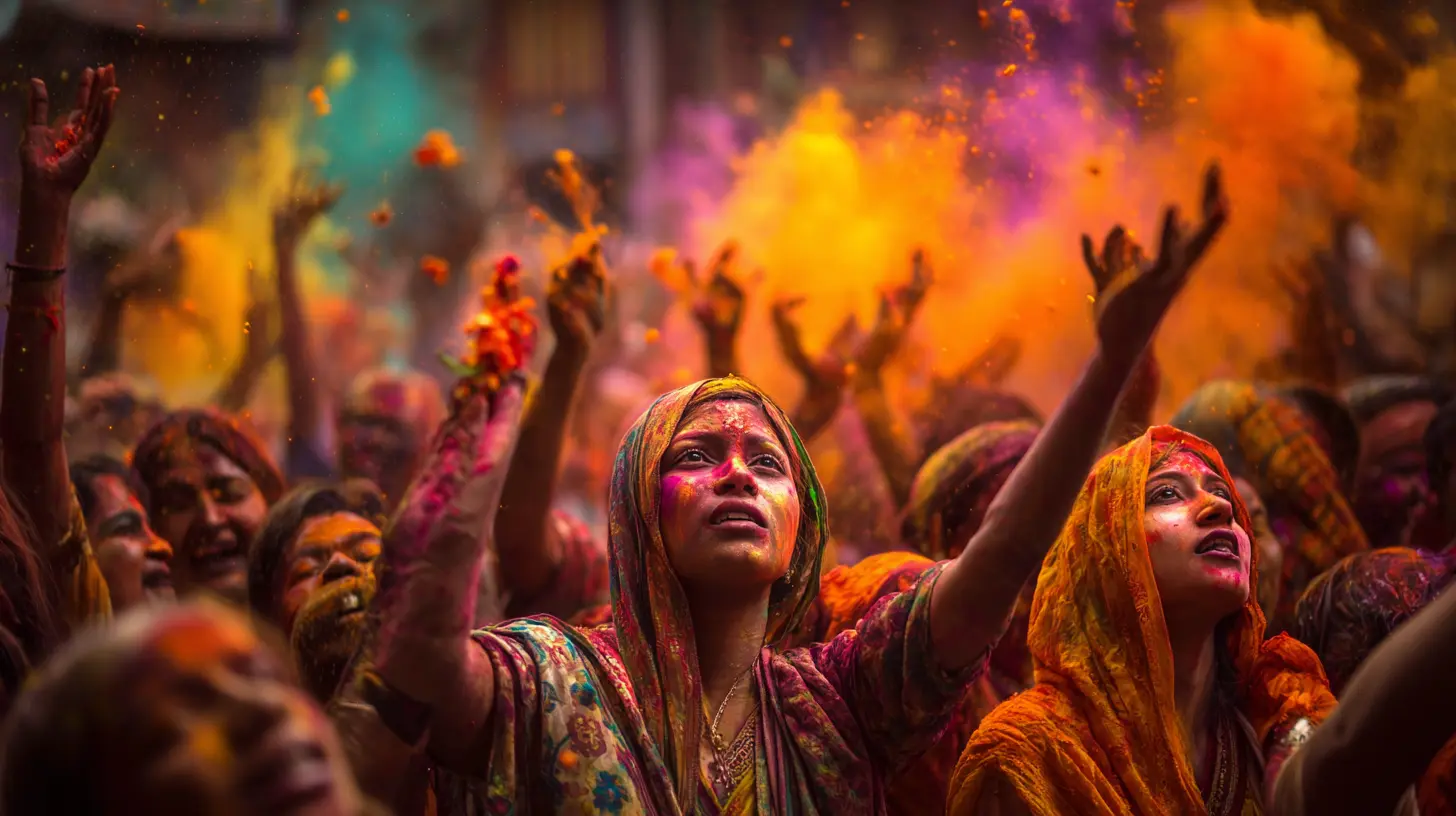
3. Carnival – The Ultimate Party (Brazil)
If there’s one festival that screams passion, rhythm, and spectacle, it’s Carnival in Brazil. This pre-Lenten celebration takes over the streets with samba dancers, dazzling costumes, and electrifying energy.For many Brazilians, Carnival isn’t just a festival—it’s a way of life. Samba schools spend months preparing intricate routines, float designs, and costumes, all leading up to a week of pure excitement.
It’s a time when the whole country unites in joy, letting loose before the solemnity of Lent. Tourists flock from all over the world to witness the magic of Rio de Janeiro’s street parties and the Samba Parade at the Sambadrome. It’s bold, it’s loud, and it’s unapologetically Brazilian.
4. Oktoberfest – Raise a Toast (Germany)
Germany’s Oktoberfest is more than just a beer festival—it’s a cultural phenomenon. Originating in Munich in 1810, this iconic event celebrates Bavarian tradition with massive beer tents, traditional music, and lederhosen-clad revelers.While beer is undoubtedly the star of the show, Oktoberfest is about community. Families, friends, and even strangers come together to share laughter, stories, and steins of the finest brews.
And let’s not forget the food! Sausages, pretzels, schnitzels—every bite is a taste of German heritage. It’s a festival that turns Munich into the world's biggest party, bringing millions together for cheers and camaraderie.
5. Hanami – The Beauty of Blossoms (Japan)
Japan’s Hanami Festival is proof that celebrations don’t always have to be loud to be meaningful. Every spring, the country pauses to admire the fleeting beauty of sakura (cherry blossoms).Families and friends gather in parks for picnics under the blooming trees, sipping sake and enjoying nature’s breathtaking display. The delicate pink flowers symbolize the transient nature of life—a reminder to cherish the moment before it fades.
It’s a quiet yet powerful tradition that perfectly encapsulates the Japanese philosophy of appreciating beauty in impermanence.
6. Thanksgiving – A Feast of Gratitude (United States)
In the U.S., Thanksgiving is more than just turkey and pumpkin pie. It’s a holiday rooted in gratitude, family, and history. Every fourth Thursday in November, families across the country gather around the dinner table to share a meal and reflect on the things they’re thankful for.Though originally a harvest festival, Thanksgiving has evolved into a celebration of togetherness. The Macy’s Thanksgiving Day Parade, football games, and post-dinner naps have all become part of the tradition.
And let’s be honest—who can resist a perfectly roasted turkey, creamy mashed potatoes, and a sweet slice of pecan pie?
7. Bastille Day – A Nation’s Pride (France)
France’s Bastille Day (July 14) is not just a national holiday—it’s a symbol of liberty and revolution. Honoring the storming of the Bastille in 1789, this day commemorates the French Revolution and the fight for freedom.It’s celebrated with military parades, fireworks over the Eiffel Tower, and an overwhelming sense of national pride. The streets of Paris come alive with music, dance, and an unshakable spirit of unity.
For the French, Bastille Day isn’t just about history—it’s about what it means to be truly free.
8. Hogmanay – A New Year’s Party Like No Other (Scotland)
New Year’s Eve is a big deal worldwide, but Scotland takes it to another level with Hogmanay. This epic celebration includes torchlight processions, street parties, and the famous tradition of “first-footing” (being the first guest to enter a home after midnight, bringing gifts for good fortune).The highlight? The city of Edinburgh lights up with fireworks, and people all across Scotland join hands to sing “Auld Lang Syne.” It’s a night of joy, tradition, and unforgettable memories.
Festivals: The Heartbeat of a Nation
Festivals aren’t just about celebrations—they’re about identity, tradition, and the stories that define a country’s soul. Whether through lights, music, food, or dance, these special moments bring people together and create lasting memories.Every nation has its own way of celebrating, but the emotions behind these festivals are universal—joy, gratitude, love, and belonging. And that’s the beauty of it all. No matter where you are in the world, festivals remind us that life is meant to be celebrated.
So, next time you’re planning a trip, why not time it around a major festival? You won’t just visit a country—you’ll experience its heart.
all images in this post were generated using AI tools
Category:
Cultural ExperiencesAuthor:

Tracie McAdams
Discussion
rate this article
1 comments
Lily Cole
Festivals are the heartbeat of a nation, each one a vivid brushstroke on the canvas of culture. Dive into these vibrant celebrations and discover the unique stories that unite people and ignite passions across the globe.
June 14, 2026 at 4:28 AM