Tea Traditions Around the World: More than Just a Drink
4 June 2026
Ah, tea! That magical elixir that has comforted cold hands, soothed tired souls, and facilitated serious gossip sessions for centuries. But did you know that tea is more than just a drink? It’s a cultural experience, a social glue, and, in some cases, a full-blown ritual.
From the high mountains of China to the cozy tearooms of England, every country has its own unique spin on tea. So, grab a cup, get cozy, and let's embark on a tea-sipping journey around the world! 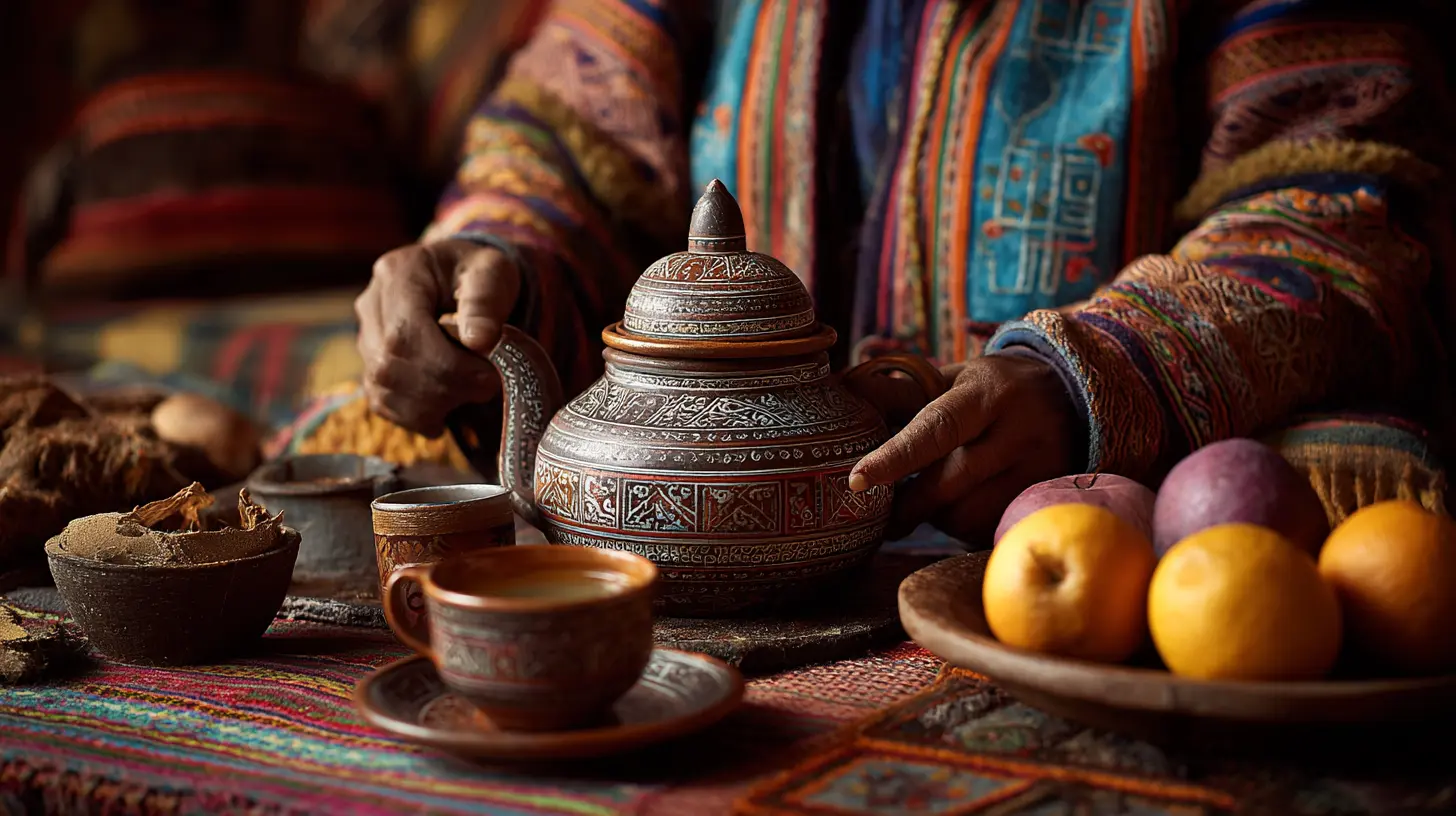
China: The Birthplace of Tea
You can’t talk about tea without bowing (figuratively) to China. Tea was discovered here over 4,000 years ago, and the Chinese take their tea culture very seriously.Tea drinking in China is more than just a casual sip—it’s an art form. The Chinese tea ceremony, known as Gongfu Cha, is basically the tea world’s version of fine dining. Precise movements, carefully selected teapots, and multiple steepings make this a mesmerizing experience.
But tea isn’t just for special occasions in China; it’s a daily ritual. Whether it’s green tea with breakfast, oolong tea for an afternoon pick-me-up, or pu-erh tea after a heavy meal, the Chinese have a tea for every situation.
And let’s not forget tea’s role in marriage! In traditional Chinese weddings, the bride and groom serve tea to their elders as a sign of respect. If they’re lucky, they might even get a red envelope filled with money in return. Talk about a win-win situation! 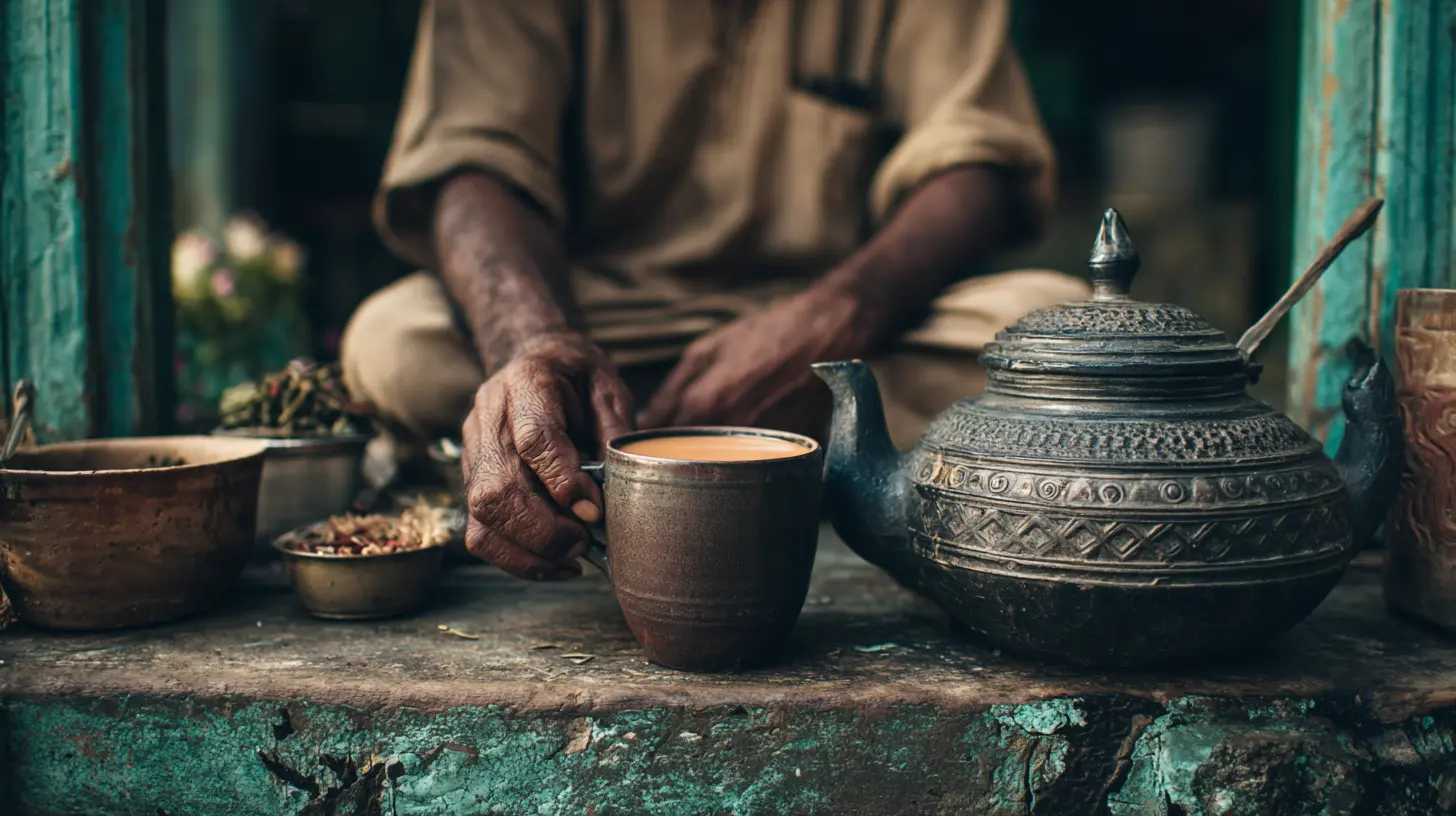
Japan: The Zen of Tea
If China is the birthplace of tea, Japan is its spiritual retreat. The Japanese tea tradition is all about mindfulness, simplicity, and appreciating the moment—kind of like yoga, but for your taste buds.The famous Japanese tea ceremony, also known as Chanoyu, is as much about the process as it is about the tea. This meticulous ritual involves matcha (powdered green tea), bamboo whisks, and a sense of tranquility so deep you can almost hear it. It’s a practice rooted in Zen Buddhism, and let me tell you, sitting in silence while sipping tea has never felt more profound.
And if you're in Japan, trying matcha is non-negotiable. This vibrant green tea isn’t just a drink—it’s a way of life. From matcha lattes to matcha-flavored everything (yes, even Kit-Kats), Japan has taken green tea to a whole new level. 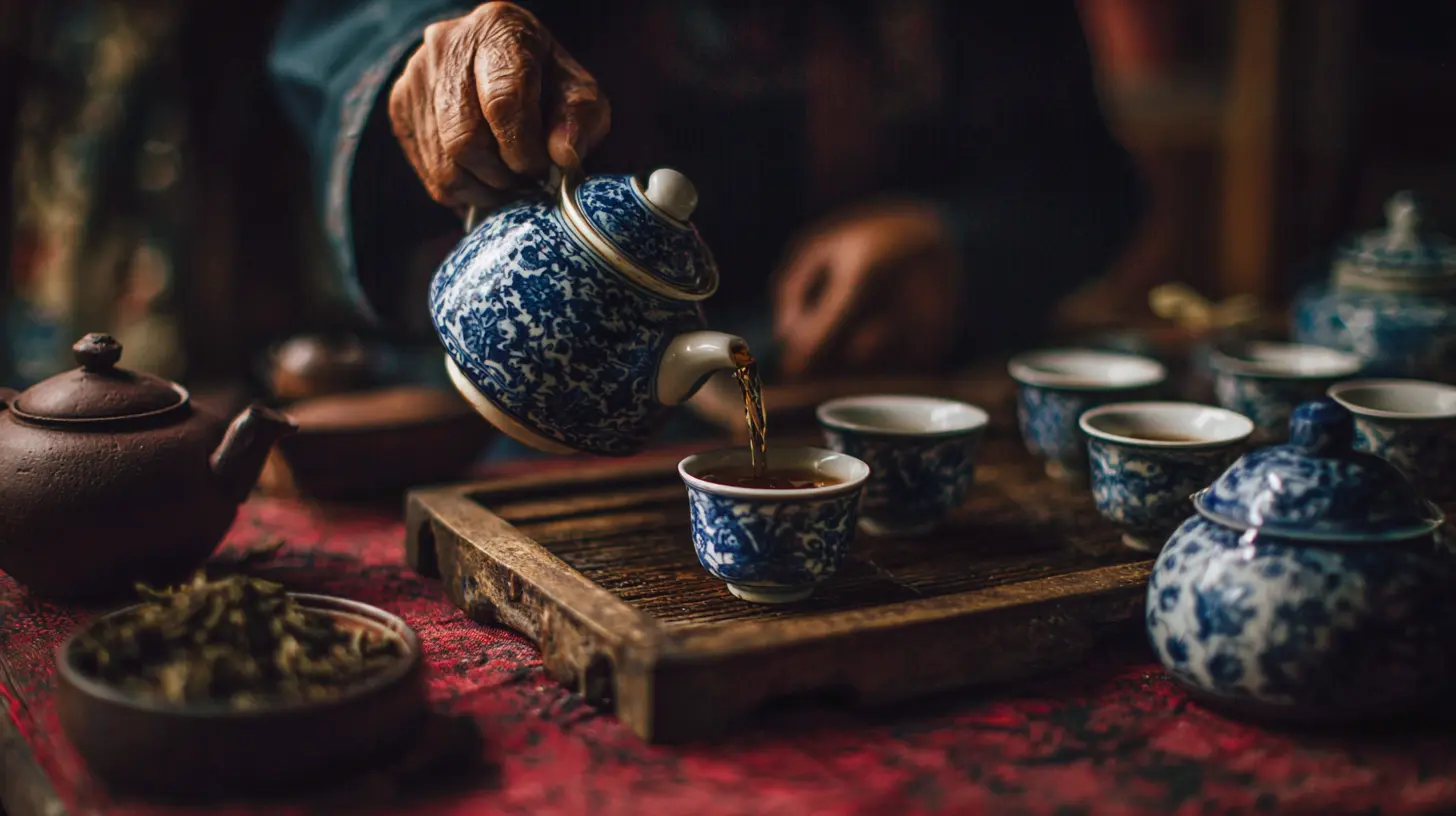
India: The Land of Chai
Ah, India—where tea is more than just a beverage; it’s a national obsession. If you’ve never had a steaming cup of masala chai, are you even living?Unlike the delicate rituals of China and Japan, Indian tea culture is loud, flavorful, and filled with spices. Masala chai is brewed with black tea, milk, sugar, and a symphony of spices—think cardamom, cinnamon, ginger, cloves, and black pepper. It’s served hot, often in small clay cups, and best enjoyed on a bustling street corner while exchanging life philosophies with a chai vendor.
Tea is the lifeblood of India, found in every home, train station, and roadside stall. And if you thought your grandma made the best tea, wait until you try cutting chai in Mumbai—it’s strong, sweet, and served in tiny glasses because one cup is never enough. 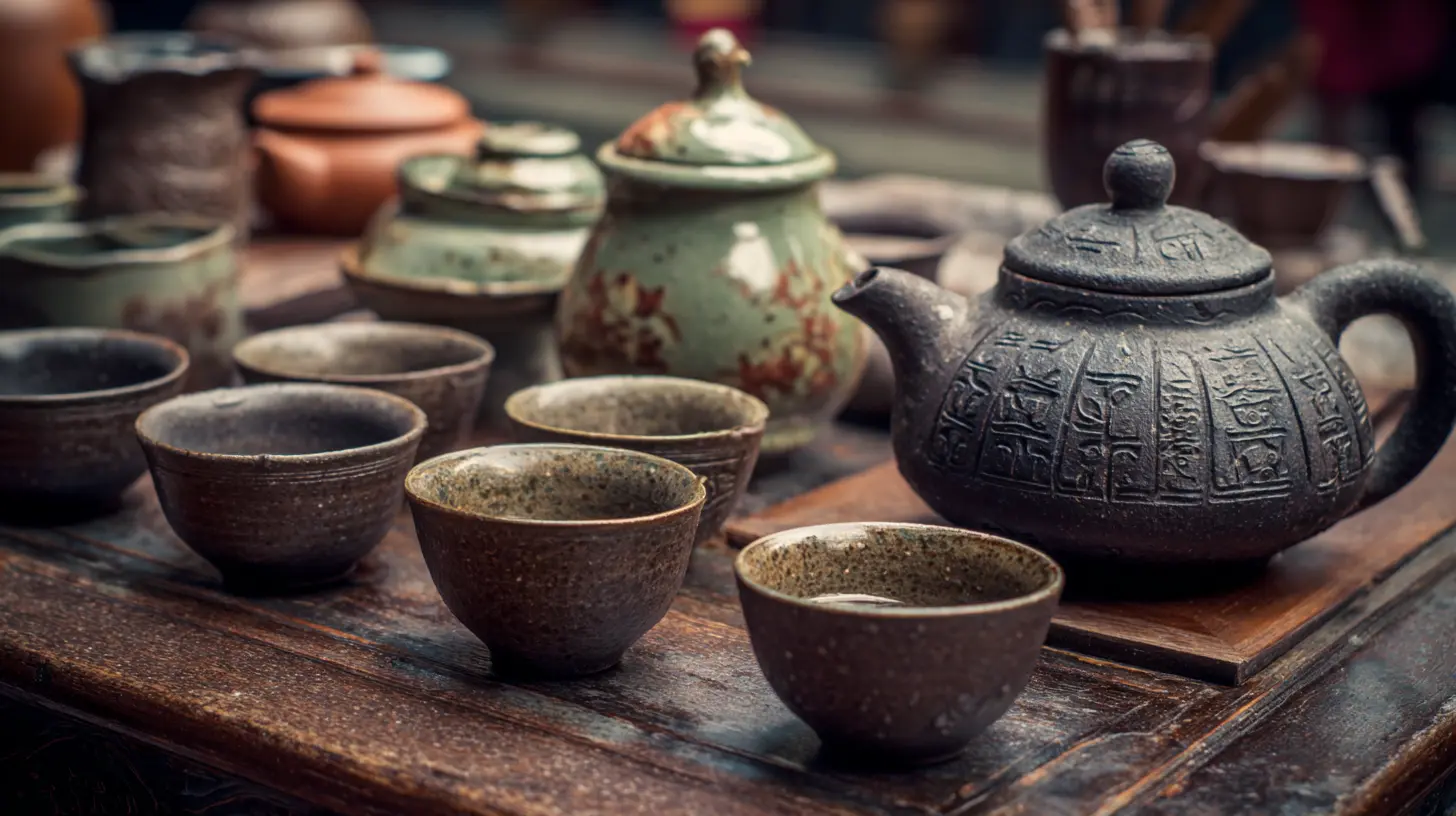
England: Pinkies Up!
Ah, the British and their tea. Few things are as quintessentially British as a proper cup of tea. It’s the answer to all of life’s problems—bad day? Tea. Good day? Tea. Alien invasion? Put the kettle on!The British transformed tea drinking into high society with afternoon tea, a tradition started by the Duchess of Bedford in the 1800s (because lunch to dinner was just too long to wait). This lavish ritual typically involves delicate porcelain cups, finger sandwiches, scones with clotted cream, and enough gossip to fuel a soap opera.
But let’s not ignore the real hero of British tea culture—the classic builder’s tea. Strong black tea, lots of milk, and a generous helping of sugar, typically guzzled by hardworking folks in need of a caffeine (and morale) boost.
Fun fact: If you want to start a passionate debate in the UK, simply ask, "Milk first or tea first?" You’ve been warned.
Morocco: The Art of Pouring
If you ever visit Morocco, prepare to drink tea like royalty. Moroccan tea, or Maghrebi mint tea, is an experience in itself. This tea is a heavenly blend of green tea, fresh mint leaves, and a shocking amount of sugar—because why not make tea taste like dessert?But the real spectacle is in the pouring. Moroccan tea isn’t just poured; it’s dramatically elevated and gracefully cascaded from a height to create a foamy top. It’s part performance, part aeration technique, and a whole lot of fun to watch.
Tea in Morocco is more than just a drink—it’s a symbol of hospitality. Refusing a cup is basically social treason, so take that glass and sip happily.
Russia: Tea, But Make It Strong
Russians love their tea nearly as much as they love intense weather and deep philosophical conversations. And when they drink tea, they do it with flair.Enter the samovar, a giant, ornate, metal tea urn that looks like it belongs in a museum but is actually the heart of Russian tea culture. This device keeps tea hot for hours, because in Russia, you never know when someone’s going to drop by for a long, soul-searching chat.
Russian tea is strong, served in small glass cups with metal holders, and often accompanied by sugar cubes, jam, or lemon. Sometimes, it’s even spiked with vodka—because Russia.
Turkey: Tea, Not Coffee?
Think Turkey and you might picture coffee, but guess what? Tea reigns supreme here. Turkish tea, or çay, is served in those iconic tulip-shaped glasses, always piping hot and ridiculously strong.Tea isn’t just a drink in Turkey—it’s a social contract. Whether you're at a market, a friend’s house, or getting your carpets aggressively upsold, tea will be offered. Refusing it is like refusing kindness itself.
And the best part? It’s brewed in a double teapot system, where the top pot holds concentrated tea, and the bottom pot contains hot water. This means you control how strong your tea is—a power not to be taken lightly.
Final Sip: Cheers to Tea!
So there you have it—tea traditions from around the world, proving that tea is so much more than just a drink. It’s a cultural bridge, a social lubricant, and, in some cases, a mini workout (looking at you, Moroccan tea pourers).Whether you prefer the serenity of Japanese matcha, the fiery zest of Indian chai, or the dramatic flair of Turkish çay, one thing's for sure—tea unites us all. So go ahead, brew yourself a cup, and raise it to the beautiful, bustling world of tea.
Because at the end of the day, life’s just better with a little tea in hand.
all images in this post were generated using AI tools
Category:
Cultural ExperiencesAuthor:

Tracie McAdams
Discussion
rate this article
1 comments
Thane Warren
What a delightful journey through the world of tea! Each tradition is a beautiful reflection of culture and friendship. It's amazing how something as simple as a cup of tea can bring people together and celebrate life's little moments... Cheers to that!
June 18, 2026 at 3:18 PM