Tasting the World: Culinary Adventures Awaiting You in 2026
25 May 2026
Let me ask you something straight: when was the last time a meal actually changed how you saw the world? Not just filled your belly, but rewired something in your brain? I'm not talking about a fancy dinner with gold leaf on your pasta. I mean the kind of food that punches you in the taste buds, then hugs you with a story.
I've been thinking a lot about 2026. Not because it sounds futuristic, but because travel is finally shaking off the dust of the last few years. People are hungry for real connections, and nothing connects faster than sharing a plate. So, let's talk about where you should be pointing your fork next year.
Why 2026 Is the Year of the Food Pilgrim
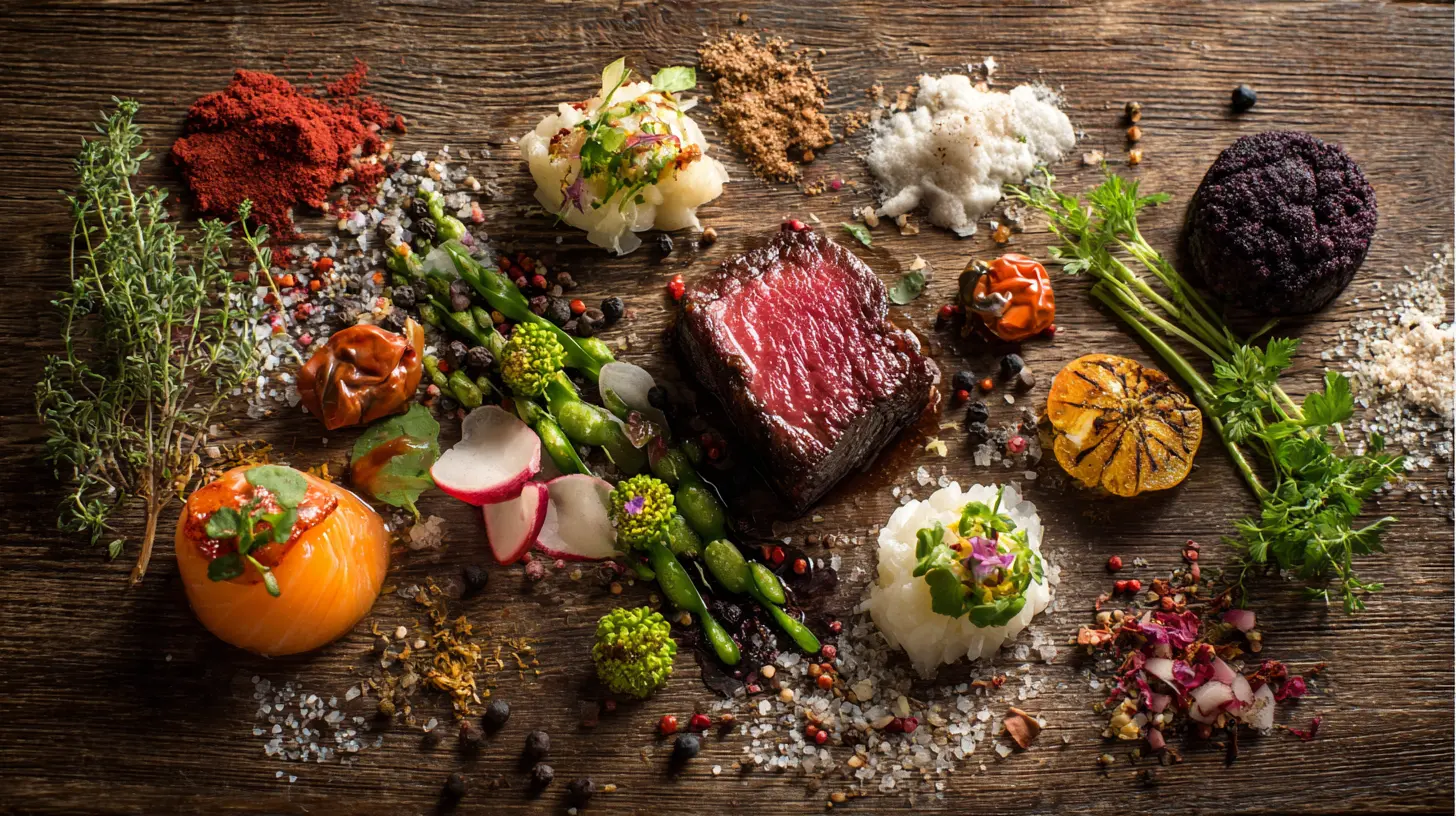
We've all done the tourist thing. You know the drill: standing in line for a photo of a landmark, then grabbing a sad sandwich from a chain cafe. It's fine, but it's not memorable. What I'm seeing for 2026 is a shift. Travelers aren't just ticking boxes anymore. They want to knead dough with a grandmother in a tiny Italian village. They want to learn why a specific chili pepper only grows on one volcanic slope in Mexico.This is the year of intentional eating. Think of it as a pilgrimage, but instead of a temple, your destination is a market stall, a family kitchen, or a street cart that's been smoking meat for three generations. The food is the map, and your mouth is the compass.
The Rise of "Deep Dining" Experiences
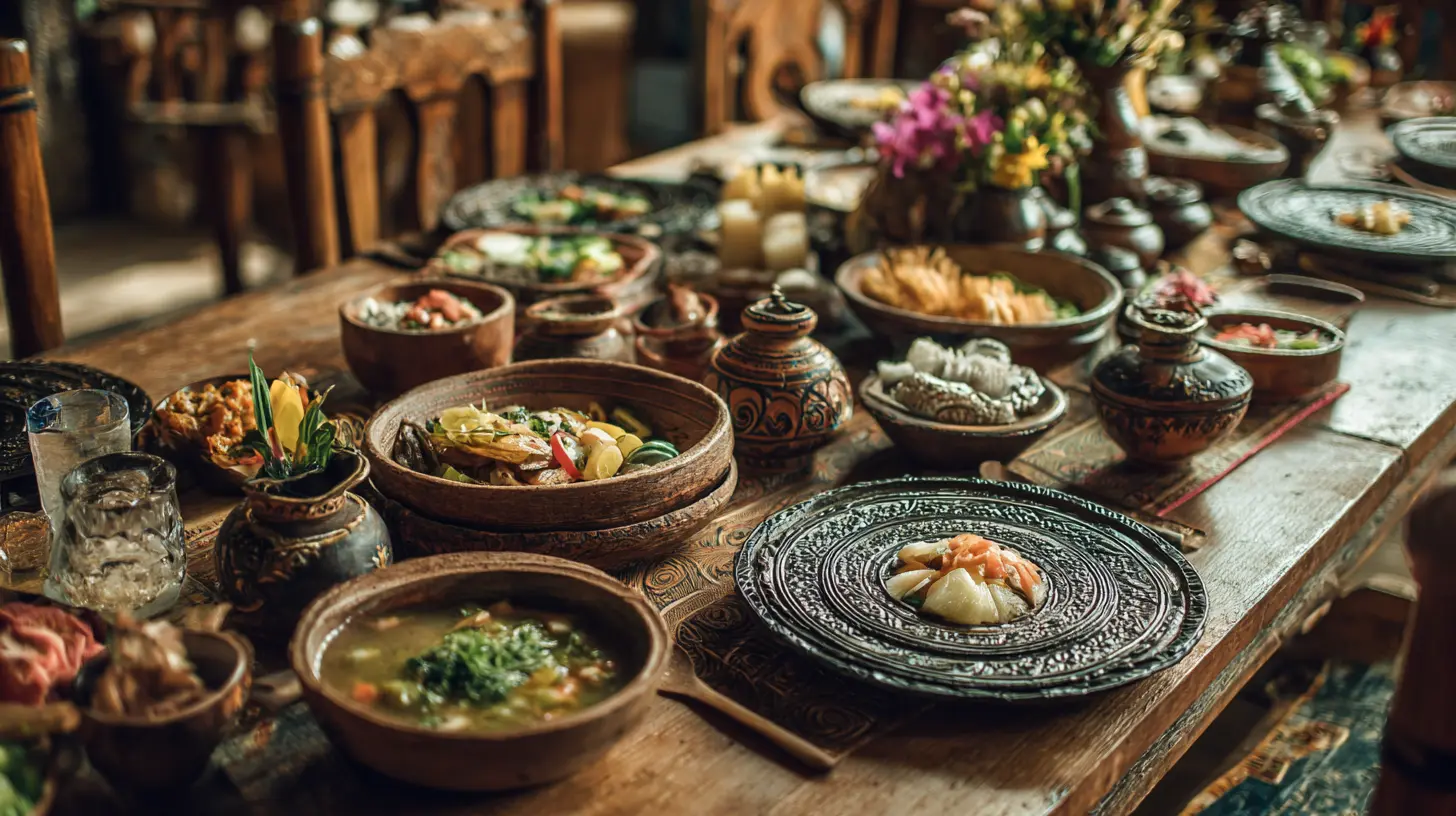
You've heard of slow travel. Now get ready for deep dining. This isn't about Michelin stars or white tablecloths. It's about context. Imagine eating a bowl of pho in Hanoi, but before you take a single sip, you spend the morning with the vendor at the local market, picking out herbs. You learn that the broth has been simmering since 4 AM, and the secret isn't the beef, it's the charred onion.Deep dining is messy. It's loud. It might involve eating with your hands, getting sauce on your shirt, and laughing at a language barrier. But that's the point. In 2026, the best restaurants won't have walls. They'll be someone's backyard, a boat dock, or a rooftop where the wind carries the smell of the sea.
Top Culinary Destinations for 2026
Let's get specific. I've narrowed down five places that are screaming for your attention next year. Not the usual suspects like Paris or Tokyo (though they're always great). I'm talking about regions that are having a moment.1. Oaxaca, Mexico: Beyond the Mole
Everyone talks about mole, and sure, it's incredible. But Oaxaca in 2026 is about the whole ecosystem of flavor. I'm talking about tlayudas (think of them as giant, crispy tortillas topped with beans, cheese, and meat), chapulines (crunchy grasshoppers with a citrus kick), and mezcal that tastes like smoke and agave dreams.What makes Oaxaca special right now is the resurgence of indigenous cooking techniques. You can take a class where you grind corn on a volcanic stone metate, the same way people did a thousand years ago. It's hard work. Your arms will ache. But when you taste the tortilla you made with your own hands, you'll understand why that history matters. It's not just food. It's resistance. It's identity.
2. Sardinia, Italy: The Blue Zone on a Plate
Italy is always a safe bet, but Sardinia is different. This island is one of the world's Blue Zones, meaning people live absurdly long, healthy lives. The secret? It's not a single ingredient. It's the whole approach to eating.In 2026, skip the crowded Amalfi Coast. Go to Sardinia. Eat pane carasau (a paper-thin, crispy bread that sounds boring but is addictive). Try pecorino cheese from sheep that graze on wild herbs. Drink cannonau wine, which has more antioxidants than almost any other red. But the real magic is the pace. Meals here last three hours. No rush. No phones. Just conversation and food that tastes like the sun and the sea. You'll leave feeling like you've been reset.
3. Busan, South Korea: Street Food 2.0
Seoul gets all the hype, but Busan is where the real eating happens. This port city has a gritty, honest energy. The fish market, Jagalchi, is a sensory overload. Women in rubber boots gut fish with surgical precision, and you can sit at a tiny stall and eat raw sea squirt or grilled eel while waves crash nearby.What's new for 2026 is the street food evolution. Think less about fried things on a stick (though those are great) and more about reimagined classics. ssiat hotteok, a sweet pancake stuffed with seeds and cinnamon, is having a moment. So is milmyeon, a cold noodle soup perfect for humid summer nights. The key is to eat like a local: follow the crowds, sit on a plastic stool, and don't be afraid to point at something you can't name.
4. Georgia (The Country): The Land of Feasts
I'm not talking about the state. The country of Georgia is a hidden gem that's about to blow up. Their food culture is built around the supra, a traditional feast that's equal parts party and ritual. The star is khachapuri, a boat-shaped bread filled with cheese, butter, and an egg. You tear off pieces of the crust and dip it into the molten center. It's a heart attack on a plate, but a beautiful one.In 2026, winemaking here is also getting attention. Georgia invented wine 8,000 years ago, using clay qvevri pots buried underground. The wines are funky, tannic, and nothing like what you buy in a supermarket. You can visit family-run vineyards where the winemaker is also the cook, and you'll leave stuffed and slightly drunk, wondering why you ever settled for boring wine.
5. Lima, Peru: The Fusion That Keeps Evolving
Peruvian food has been on the radar for a while, but Lima in 2026 is pushing boundaries. The fusion of indigenous ingredients (quinoa, potatoes, aji peppers) with Japanese, Chinese, and African influences creates flavors you can't find anywhere else. Ceviche is obvious, but try causas (layered potato cakes) or lomo saltado (stir-fried beef with fries, which sounds wrong but tastes perfect).What's new is the rise of "chifa" restaurants, blending Chinese and Peruvian techniques. And the dessert scene is wild: lucuma fruit ice cream, purple corn pudding, and something called suspiro a la limeña, which is basically sweetened condensed milk turned into a cloud. You'll need a nap after every meal, but it's worth it.
How to Plan Your Culinary Adventure
Planning a food trip is different from a regular vacation. You can't just book a hotel and hope for the best. Here's my advice, based on years of eating my way through strange cities.First, do your research on local food blogs, not just big travel sites. Look for terms like "neighborhood market" or "family-run." Avoid places with laminated menus and photos of the food. Those are traps.
Second, learn a few key phrases. "What do you recommend?" in the local language goes a long way. So does "I'm not allergic to anything, bring me your favorite." Chefs love that.
Third, be flexible. The best meal of your life might happen because you got lost, smelled something amazing, and followed your nose. Leave room in your itinerary for spontaneous eating.
Fourth, ditch the diet. I know, I know. But culinary travel is not the time for keto or gluten-free obsessions. You'll miss out on fresh bread, handmade pasta, and street food that's been perfected over decades. Eat the thing. Your body will forgive you. Your memory won't.
The Gear You Actually Need
Don't overpack. For a food trip, you need three things: comfortable shoes (you'll walk a lot), stretchy pants (no jeans that dig into your belly after a big meal), and a small notebook. Write down what you ate, where, and who was with you. Trust me, six months later, you'll forget the name of that amazing sauce.Also, bring a reusable container. Leftovers from a market stall can be your breakfast the next morning. And always have a backup snack. Nothing kills a food adventure like being hangry in a foreign city where everything is closed.
The Emotional Side of Eating
Here's the part nobody talks about. Food travel can be emotional. You might cry over a bowl of soup because it tastes like something your grandmother made. You might feel lonely eating alone in a crowded market. You might feel guilty for spending money on a meal when people in that country struggle for basics.That's okay. Feel it. Food is never just fuel. It's memory, culture, and economics all mixed together. When you eat someone's cooking, you're tasting their history. Respect that. Tip generously. Compliment the cook. Ask questions. Don't just take a photo and walk away.
Why You Should Go in 2026
Look, I know travel is expensive. I know the world feels chaotic. But food is the universal language. In 2026, you can sit at a table with a stranger who doesn't speak your language, share a plate of something spicy, and suddenly you're friends. That's magic.The world is getting smaller, but our palates are getting bigger. We're tired of bland, processed, predictable food. We want smoke, fire, salt, acid, and stories. We want to taste the dirt where the vegetables grew and the salt spray from the ocean where the fish swam.
So book that ticket. Save the money. Cancel that subscription service you don't use. Go taste the world. Your taste buds will thank you, but more importantly, your soul will.
all images in this post were generated using AI tools
Category:
Culinary TravelAuthor:

Tracie McAdams
Discussion
rate this article
1 comments
Sandra McMeekin
Get ready to savor global flavors in 2026!
June 10, 2026 at 3:31 PM
Tracie McAdams
Exciting times ahead! Can't wait to explore those flavors.