Stories Etched in Stone: Unveiling the World’s Heritage Sites
10 June 2026
Let’s face it—human history is messy, magical, mysterious, and downright fascinating. But while the sands of time have erased many chapters, there are places on this planet where the past refuses to fade. These are not just crumbling ruins or dusty relics. No, these are whispers from centuries ago, etched into mountains, temples, fortresses, and cities still standing proud today.
Welcome to the spellbinding world of heritage sites—timeless storytellers carved in stone.
The Silent Sentinels of Human Legacy
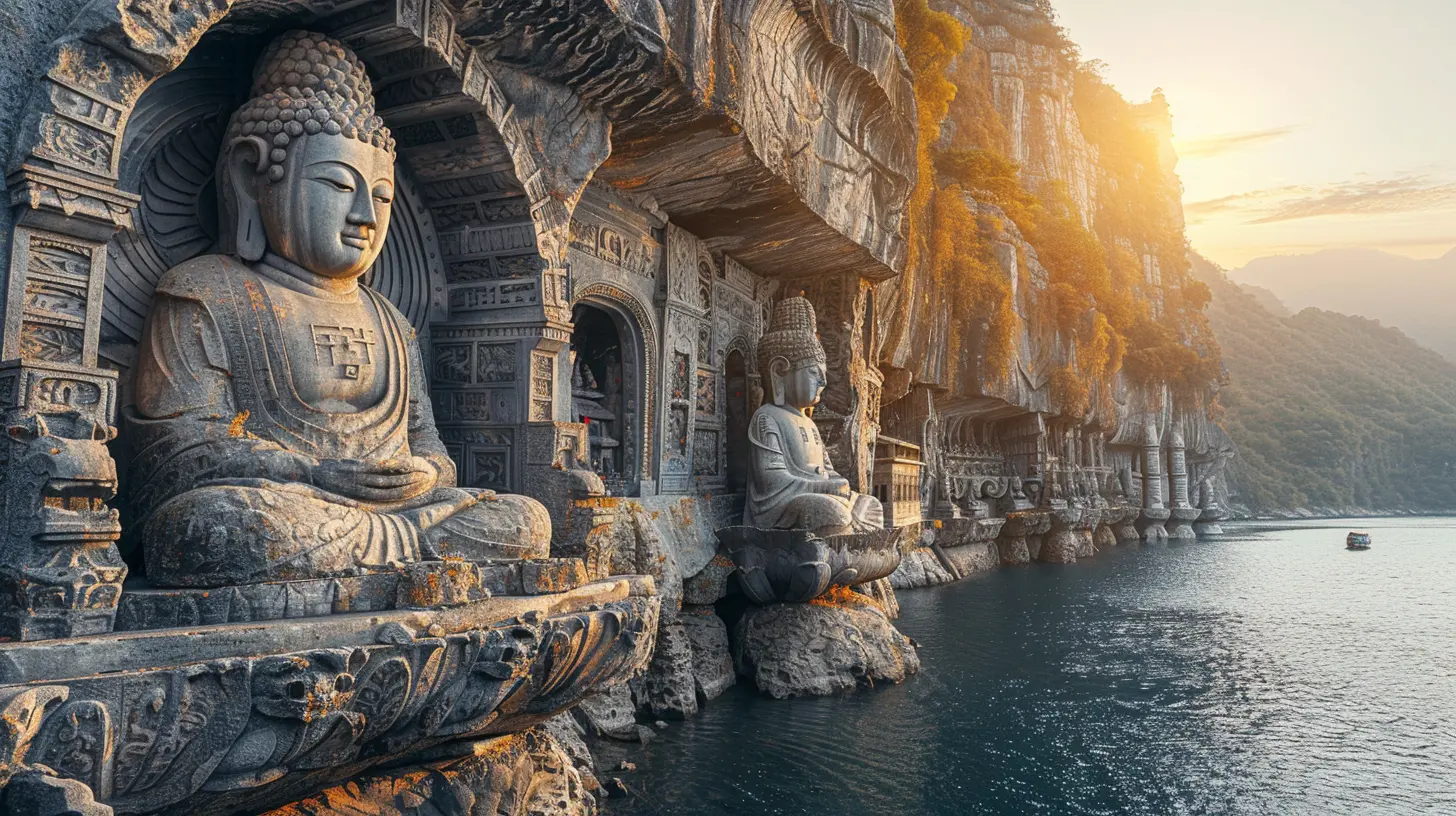
Have you ever stood in front of an ancient ruin and felt like time paused for a second? Like the stones themselves were watching you, silently sharing secrets of empires long gone?World Heritage Sites are more than tourist attractions. They’re living, breathing chronicles of who we were, what we built, how we worshiped, fought, loved, and lived. These places are preserved not just for their beauty, but because they hold universal value—pieces of our collective soul.
Why These Stones Speak Louder Than Words
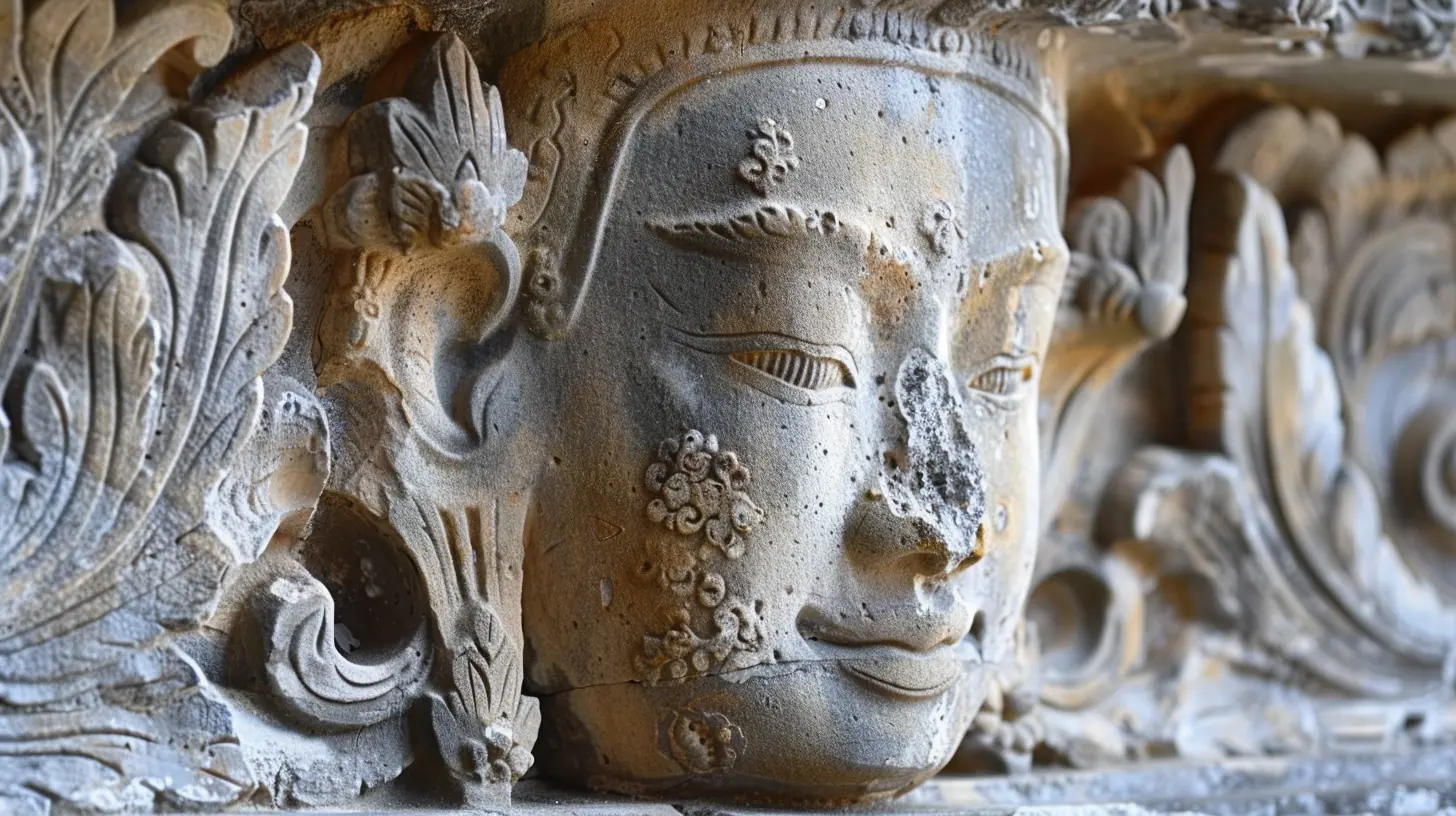
Each heritage site is like a history book written in stone. From mysterious carvings to towering walls, they are puzzles waiting to be solved. They might not talk, but they speak volumes—if you know how to listen.Think of the ancient city of Petra in Jordan. It wasn’t just built—it was carved out of pink sandstone cliffs by the Nabataeans over 2,000 years ago. No concrete, no steel, just hammer and chisel. Now imagine the stories those walls could tell if stones could talk.
The Global Gallery of Human Achievement
So where do we begin our journey? With over 1,100 UNESCO World Heritage sites around the world, each with its own story, let’s peek behind the curtain of a few that will send chills down your spine.?️ Machu Picchu, Peru – The Lost City in the Clouds
Hidden away in the Peruvian Andes, Machu Picchu is the kind of site that makes your heart beat faster. Why? Because it’s mysterious, majestic, and practically unreachable—even by modern standards.Built in the 15th century by the Incas and abandoned barely a hundred years later, it sat quietly under a blanket of cloud forest until it was "rediscovered" in 1911. The real kicker? Nobody knows exactly why it was built or why it was deserted.
Isn’t that wild? A full-blown city—complete with terraces, temples, and astronomical alignments—left untouched for centuries. It’s a goosebumps moment when you realize you’re walking where ancient astronomers once mapped the stars.
? Angkor Wat, Cambodia – A Temple Complex That Defies Time
Next stop—Cambodia, where the jungle guards its secrets with thick vines and unrelenting roots.Angkor Wat is the largest religious monument in the world, stretching over 400 acres. Originally built in the early 12th century as a Hindu temple and gradually transformed into a Buddhist sanctuary, it’s more than just a temple. It’s a spiritual time machine.
The intricate carvings on its massive sandstone walls depict epic battles, divine beings, and kingly ambitions. And get this—when viewed from above, the entire layout aligns with the cosmos. Coincidence? Doubtful.
Walking through Angkor feels like stepping into a fantasy world—a cross between Indiana Jones and Tomb Raider—but it’s real. It’s so jaw-dropping, even the roots of trees look like they’re trying to hug the ancient stones back to life.
? Petra, Jordan – The Rose-Red City
Let’s travel back to that pink-hued city we mentioned earlier. Hidden behind a narrow gorge in the Jordanian desert, Petra makes you feel like an explorer every time you visit.The city wasn’t just carved into a mountain—it was sculpted with architectural precision. The greatest marvel? The Treasury, a majestic façade that served as a royal tomb. Its detailed carvings are still intact despite centuries of weathering.
What’s eerie? As the sun shifts, the sandstone glows in shades of rose, orange, and crimson—almost as if the rocks are alive.
? Easter Island, Chile – The Guardians of Rapa Nui
You’ve seen them before—those stoic stone giants known as moai. But did you ever wonder why they stare inland, backs to the sea?Easter Island, or Rapa Nui, is one giant question mark. The moai were carved by Polynesian settlers hundreds of years ago, some weighing over 80 tons. But how were they moved across miles of rough terrain without modern tools?
Nobody knows for sure. Theories range from volcanic sleds to alien intervention. (Hey, we’re not ruling anything out.)
What’s certain is this: those statues aren't just decorations. They represent deified ancestors—silent guardians of a lost civilization. Their gaze isn’t just stone-cold—it’s soul-deep.
? Stonehenge, England – The Ancient Astronomical Mystery
Okay, picture this: you’re in the middle of the English countryside, surrounded by rolling hills and sheep, when suddenly—bam!—you spot a circle of 40-ton stones standing upright in eerie formation.That’s Stonehenge. Its origin? Murky. Purpose? Debated. Significance? Unquestionable.
Whether it was a celestial calendar, ritual site, burial ground, or all of the above, Stonehenge continues to puzzle archaeologists and thrill travelers. Especially during the solstice, when the sun aligns perfectly with the stones. It’s like nature and architecture are high-fiving.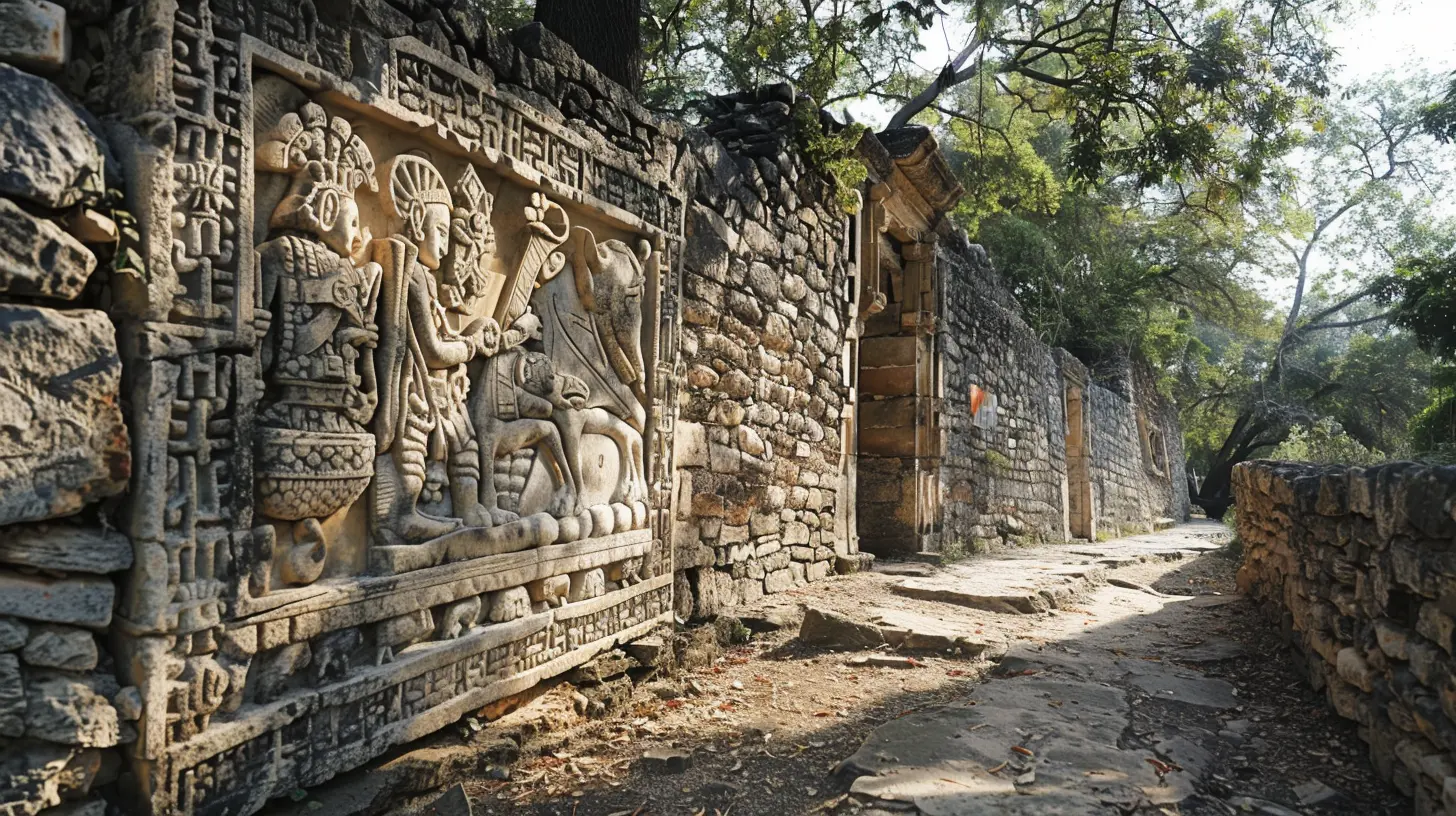
The Lesser-Known Marvels (That Deserve More Love)
Now, everyone talks about the big names. But what about the heritage sites that fly under the radar? Let’s give the underrated legends their moment in the spotlight.?? Hampi, India – The Forgotten Empire
Imagine a forgotten city scattered with over 1,600 ruins—each whispering tales of battles, gods, and golden ages. That’s Hampi, a UNESCO gem in southern India.Once the heart of the mighty Vijayanagara Empire, Hampi’s landscape looks like a fantasy come to life. Think temples with musical pillars, stone chariots that look like they could roll off any second, and boulders stacked like they were placed by giants.
Wanna feel like a ruler from the 14th century? This is your throne.
?? Studenica Monastery, Serbia – Stone and Spirituality
Tucked away in the mountains of Serbia lies a remote monastery that’s as serene as it is sacred. Founded in the 12th century, Studenica is the spiritual soul of medieval Serbia.Its white marble walls radiate calm, and the frescoes inside are some of the finest Byzantine art you’ll ever see outside of Istanbul. Here, stones don’t just talk—they sing hymns of forgotten prayers.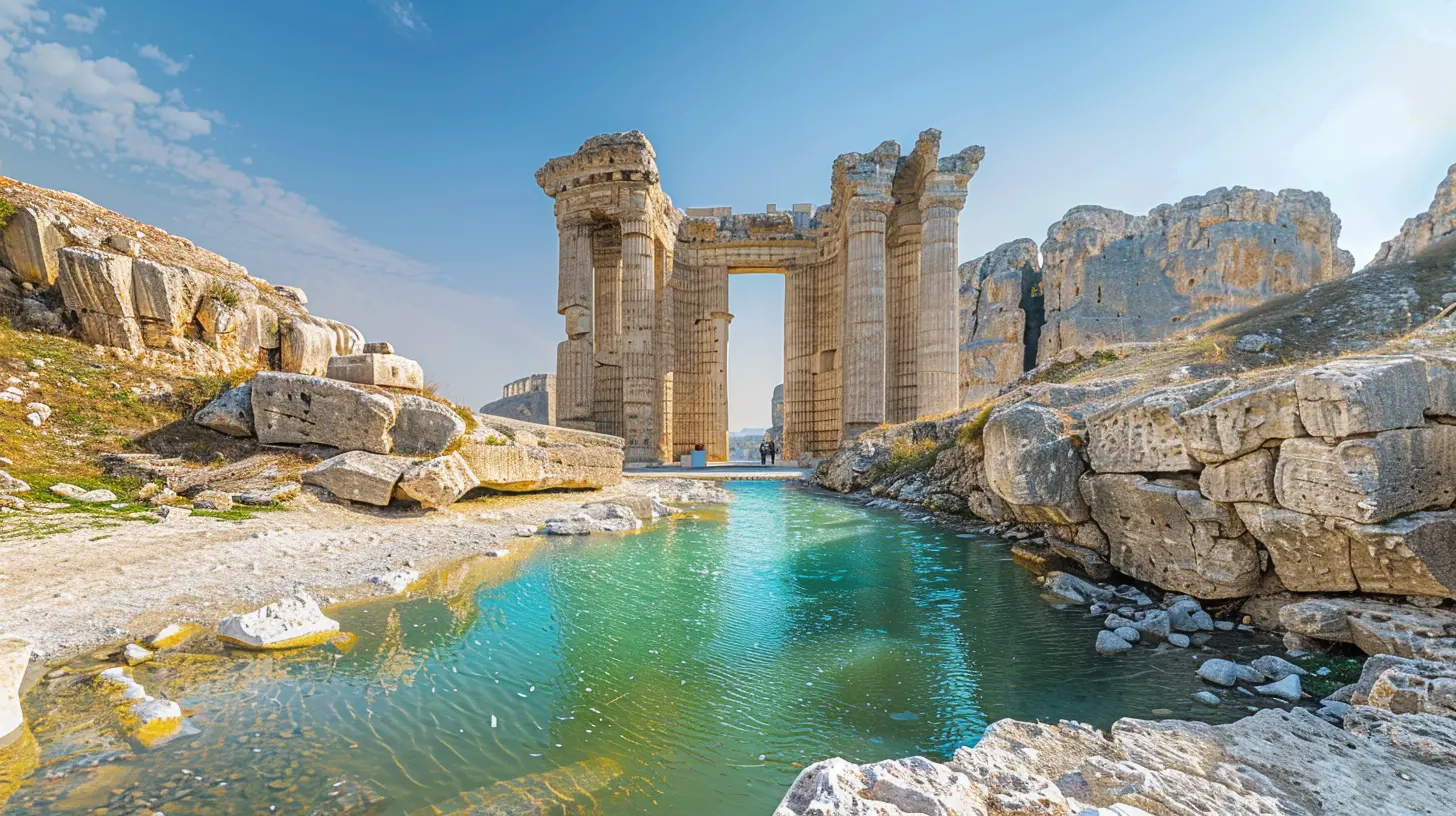
Beyond Bricks and Beauty: Why Heritage Sites Matter
Sure, they’re stunning to look at and perfect for Instagram. But these places serve a bigger purpose than just being pretty backgrounds.They’re time capsules. Cultural compasses. They connect us to something deeper than ourselves—a global narrative that binds every tribe, tongue, and tradition.
And hey, in today’s fast-paced, screen-swiped world, standing in the silence of a 3,000-year-old temple can remind you: “You are part of something ancient and vast. You belong to a story greater than your own.”
How You Can Be Part of the Story
Feeling inspired? Good. Here’s how you can become a guardian of our global heritage:- Visit Responsibly: Don't climb where you shouldn’t, and never take “souvenirs” (seriously, the stones are better left in place).
- Support Conservation Efforts: Donate to organizations that protect these sites from pollution, war, and decay.
- Share the Stories: Even if you can’t visit in person, spreading awareness keeps the spirit alive.
Because the more we talk about these wonders, the longer they endure.
Final Thoughts: Writing History with Our Footsteps
There’s something deeply human about carving your mark into stone. It’s our way of saying, “We were here—and this mattered.” Heritage sites are the proof. They’re where myth meets memory, and where the past shakes hands with the present.Next time you plan a trip, don’t just look for a beach or a shopping spree. Seek out a site where time stands still. Walk those ancient paths. Breathe in the stories. Listen to the stones.
Who knows? You might just hear history whispering your name.
all images in this post were generated using AI tools
Category:
World Heritage SitesAuthor:

Tracie McAdams