Solo Camping: Why It's the Best Way to Reconnect with Nature
19 March 2026
Have you ever had the urge to escape the noisy hustle and bustle of your daily routine? To pack up and head out into the wilderness, leaving behind the endless notifications, meetings, and obligations? Some might call it a break, but to the adventurer in you, we call it something else: solo camping. Nature is beckoning, and there’s no better way to answer that call than by immersing yourself in its raw, unfiltered beauty — all by yourself.
The idea of solo camping might sound daunting to some, but it’s actually one of the most rewarding experiences you could ever gift yourself. Want to know why? Let’s dive deep into why camping solo is the ultimate way to reconnect with nature.
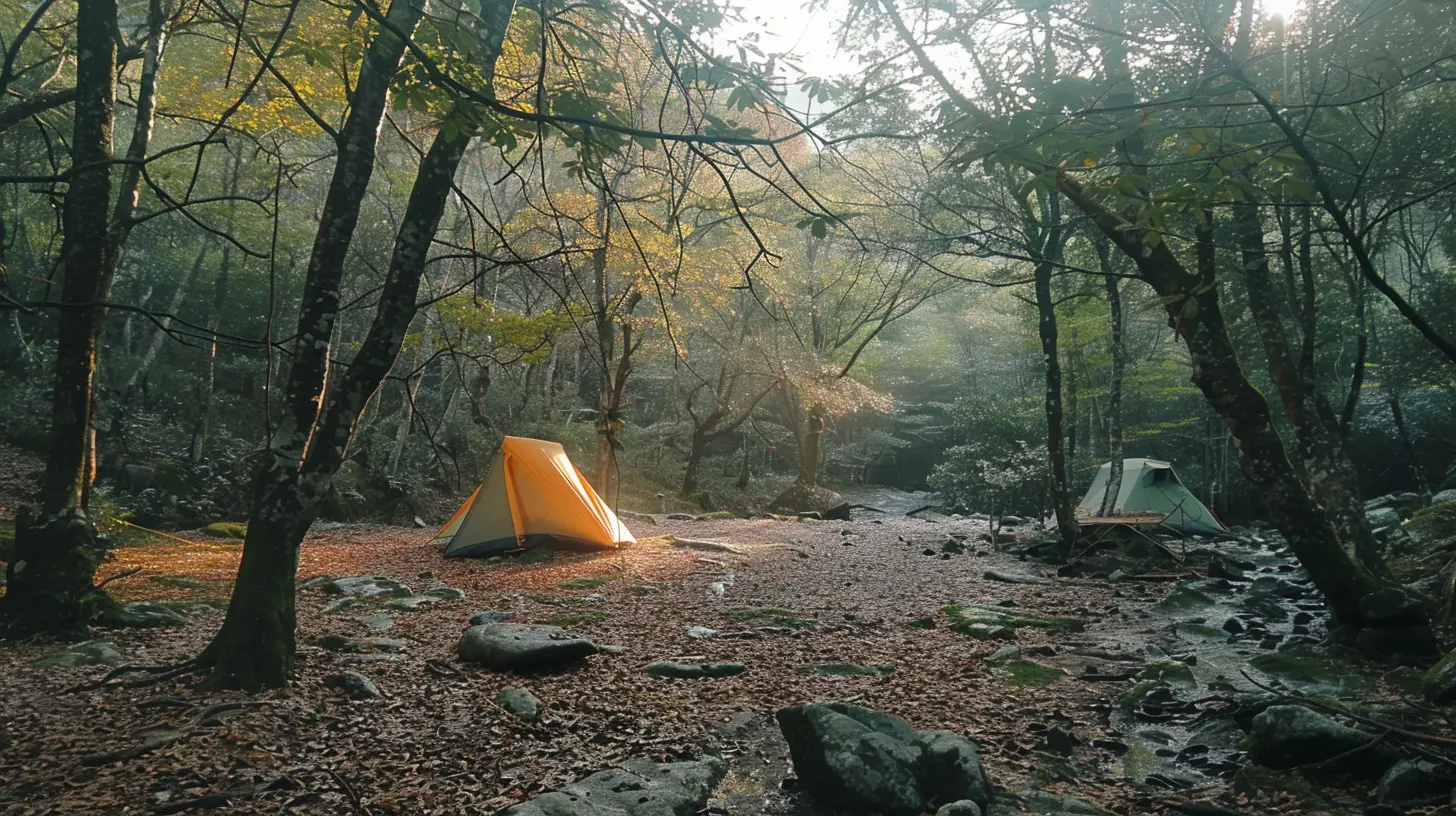
Why Solo Camping?
Before we get into the “how,” let’s explore the all-important “why.” Why should anyone camp solo? Sure, group trips have their own charm, but solo camping is a totally different game — and trust me, once you've tried it, it’s hard to go back.A Deeper Connection with Nature
When you’re out there alone, every leaf rustle, bird chirp, and river flow feels amplified. Without the distraction of conversation or large group dynamics, you start noticing the little things: the intricate patterns on a rock, the patch of wild mushrooms tucked under a tree, or the way the wind changes direction as you climb higher. Whether you're sitting by a campfire or hiking up a mountain, solo camping allows you to fully immerse yourself in your environment.Group settings often create chatter, and that’s fine, but it’s not the same as the silence of nature. When you’re by yourself, the stillness around you invites introspection. It gives you the space to slow down and truly absorb your surroundings — and believe me, nature has a lot to say.
The Freedom to Move at Your Own Pace
Have you ever been on a camping trip where you felt like you were either lagging behind or waiting for others to catch up? With solo camping, that goes out the window. You can choose to wake up at the crack of dawn, or you can sleep in without worrying about anyone else’s schedule. Want to spend an hour watching squirrels gather acorns? Go for it. Feel like hiking further to catch a scenic sunset? You do you!Solo camping is all about you, your pace, and your preferences. It's the ultimate 'choose-your-own-adventure' book, but you're the author.
Independence and Confidence Boost
There's something incredibly empowering about carrying everything you'll need for the next few days on your back and knowing you’re capable of taking care of yourself. From setting up your tent to cooking your meals, solo camping teaches self-reliance. And the feeling of satisfaction that comes with it? Unmatched.When you successfully navigate nature on your own, you realize just how capable you are. That feeling sticks with you long after you've packed up your campsite. Whether it’s figuring out how to start a fire without matches or getting through a windy night in your tent, solo camping builds a sense of resilience. If you can manage out in the wild alone, what can't you handle, right?
Peace, Solitude, and Mental Clarity
Let’s face it: We all need a break from time to time. The noise of everyday life can be overwhelming — emails, social media, deadlines, and the general chaos that comes with modern living. Solo camping provides a much-needed detox for your mind.The solitude acts like a mental reset button. You have no one to entertain but yourself. It’s in these quiet moments that clarity often comes. You might find solutions to problems that have been nagging you, or you might simply enjoy the luxury of having absolutely nothing on your mind except the beauty surrounding you.
Disconnect to Reconnect
If you’re like most people, you’re glued to your phone or other devices for a large portion of the day. Solo camping forces you to disconnect — and that’s a good thing. Without constant scrolling, you can replace your screen time with actual face-to-face time… with nature.This tech-free time allows you to reconnect with something much deeper: yourself. In solitude, you’ll rediscover hobbies you’ve neglected or passions you didn’t know you had. Maybe you’ll find yourself journaling, sketching, meditating, or just enjoying the pure simplicity of being in the moment.
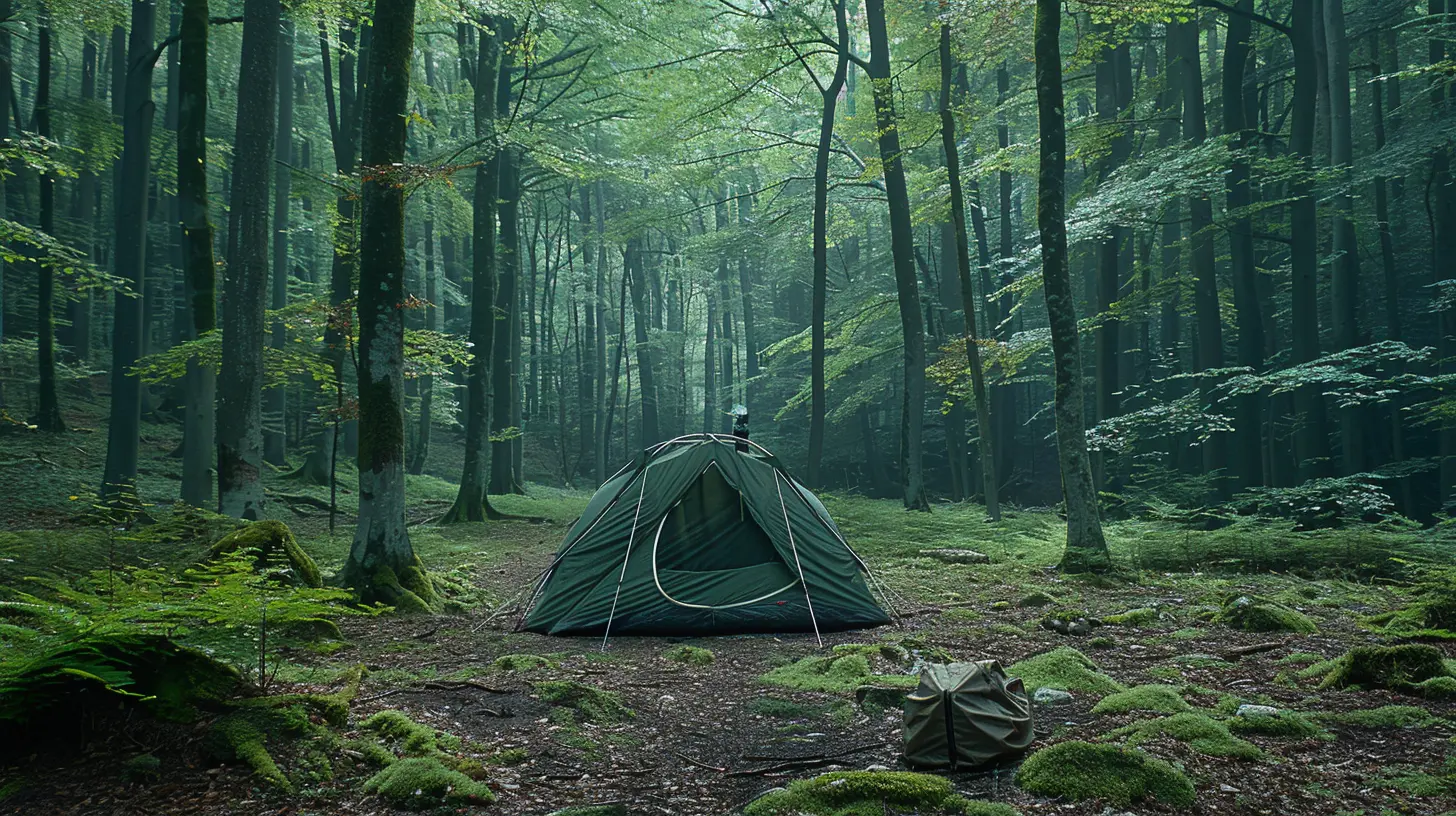
Preparing for a Solo Camping Trip
Now that we’ve covered why solo camping is awesome, let's talk about how you can make your trip smooth and enjoyable. After all, preparation is key for not only a great experience but also for safety.Research, Research, Research
In solo camping, failing to prepare is essentially preparing to fail. Before you head out, research the area where you plan to camp. Make sure you know the local wildlife, weather patterns, and terrain. It’s also a good idea to be aware of any known dangers or restrictions in the area. Some campsites require permits, and others have specific rules for where you can set up camp.Not excited about doing homework before your getaway? Think of it like this — knowing your terrain increases your confidence, and less worry allows for deeper relaxation when you’re finally out there. Knowledge is power, people!
Keep Safety in Mind
While solo camping has its perks, safety is something you just can’t afford to overlook. Always let someone know your whereabouts and when you plan to return. This isn’t just smart; it’s essential. Whether it's family, a friend, or even a park ranger, someone should know where you are in case of an emergency.Also, make sure you have everything you need to stay safe: a first aid kit, plenty of water, a map (yes, the physical kind), and appropriate layers to stay warm or cool, depending on your destination. And for the love of all things wild and wonderful, don’t forget a reliable flashlight and some extra batteries!
Pack Light But Smart
Here’s a trick: Your solo camping trip doesn’t need to be excessive. The key is to pack light but intelligently. You want to carry the essentials but nothing more. This includes a lightweight tent, sleeping bag, food, a means to cook, and the all-important bug spray. Trust me, you don't want to be the lone camper who's also a mosquito buffet.One thing you’ll thank yourself for later? A good pair of hiking boots, especially if you plan to trek through rugged terrain. Tough blisters are a fun killer!
Master Some Basic Outdoor Skills
While you don’t need to be a survival expert to solo camp, knowing a few basic outdoor skills can make a world of difference. Learn how to start a campfire without lighter fluid, practice pitching your tent before leaving home, and familiarize yourself with navigation tools. Bonus points if you know how to read the stars or create a makeshift compass!Stay Comfortable but Be Ready to Rough It
Comfort is key, but there’s no escaping the fact that solo camping involves rolling with nature’s punches. There could be rain, chilly winds, or an unexpected critter encounter. Part of the adventure is adapting and learning to embrace what comes your way. It’s not called “roughing it” for nothing!But that doesn’t mean you can’t stay cozy. Take along a good book, your favorite snacks, or even a hammock for some afternoon lounging. Balance is everything: You’re out there to embrace nature, but you’re also allowed to enjoy it.
Mental and Emotional Benefits of Solo Camping
Camping by yourself offers more than practical advantages — it’s a deeply enriching experience for your mind and soul. Here are some ways solo camping makes your mental health do a happy dance:Experience Mindfulness in Its Truest Form
When you’re focused solely on your surroundings and your immediate needs (food, shelter, warmth), your mind naturally empties of stressful thoughts. Solo camping places you smack-dab in the present, making it one of the purest forms of mindfulness you can experience.It’s a Form of Meditation
Think of the stillness you’ll encounter. Whether you're listening to the sound of rustling leaves or the crackling of a campfire, solo camping can feel like an extended meditation session — only outdoors, without the yoga mat. The quiet gives you room to breathe.Fosters Gratitude
When you’re out in nature with nothing but the essentials — no WiFi, no fast food, no creature comforts — you start to appreciate the basics: fresh air, clean water, a warm fire. When you return to “normal life,” you’ll likely feel a deep sense of gratitude for both nature’s simplicity and the conveniences of modern life.Boosts Creativity and Problem-Solving
Out in the wild, every challenge you face needs a solution — and fast. Whether you’re figuring out the best way to filter your water or finding a good spot to pitch your tent, solo camping forces you to think on your feet. This boost in quick thinking often carries over into your everyday life.
Final Thoughts: Is Solo Camping for You?
If you’re seeking a way to reconnect with the world — and disconnect from the digital noise — solo camping could be just what you need. It’s an experience that forces you to slow down, tune in, and appreciate the beauty that’s all around you. It’s not just about surviving; it’s about thriving in nature, on your terms, and in your own space.Solo camping isn't for everyone, and that’s okay. But if you’re looking for a way to delve deeper into nature and yourself, it’s absolutely worth a try. So pack up and get out there — nature is waiting!
all images in this post were generated using AI tools
Category:
Camping TravelAuthor:

Tracie McAdams
Discussion
rate this article
2 comments
Elena McElroy
Solo camping truly revitalizes the spirit, offering solitude and a profound connection to nature.
April 3, 2026 at 4:54 PM
Tracie McAdams
I completely agree. Solo camping creates a unique space for reflection and a deep bond with the natural world. It's truly refreshing.
Ivy McLoughlin
Embrace solitude and find peace in nature!
March 29, 2026 at 3:45 AM
Tracie McAdams
Absolutely! Solitude in nature offers a unique chance to recharge and discover inner peace. It's a powerful experience.