River Camping Adventures: Paddle, Fish, and Camp Along Beautiful Streams
12 January 2026
Are you ready for an unforgettable outdoor adventure? River camping is the perfect way to immerse yourself in nature, combining the thrill of paddling, the relaxation of fishing, and the peace of sleeping beside a gently flowing stream. Whether you’re a seasoned camper or trying it for the first time, this guide will cover everything you need to know to make your river camping trip an epic success. 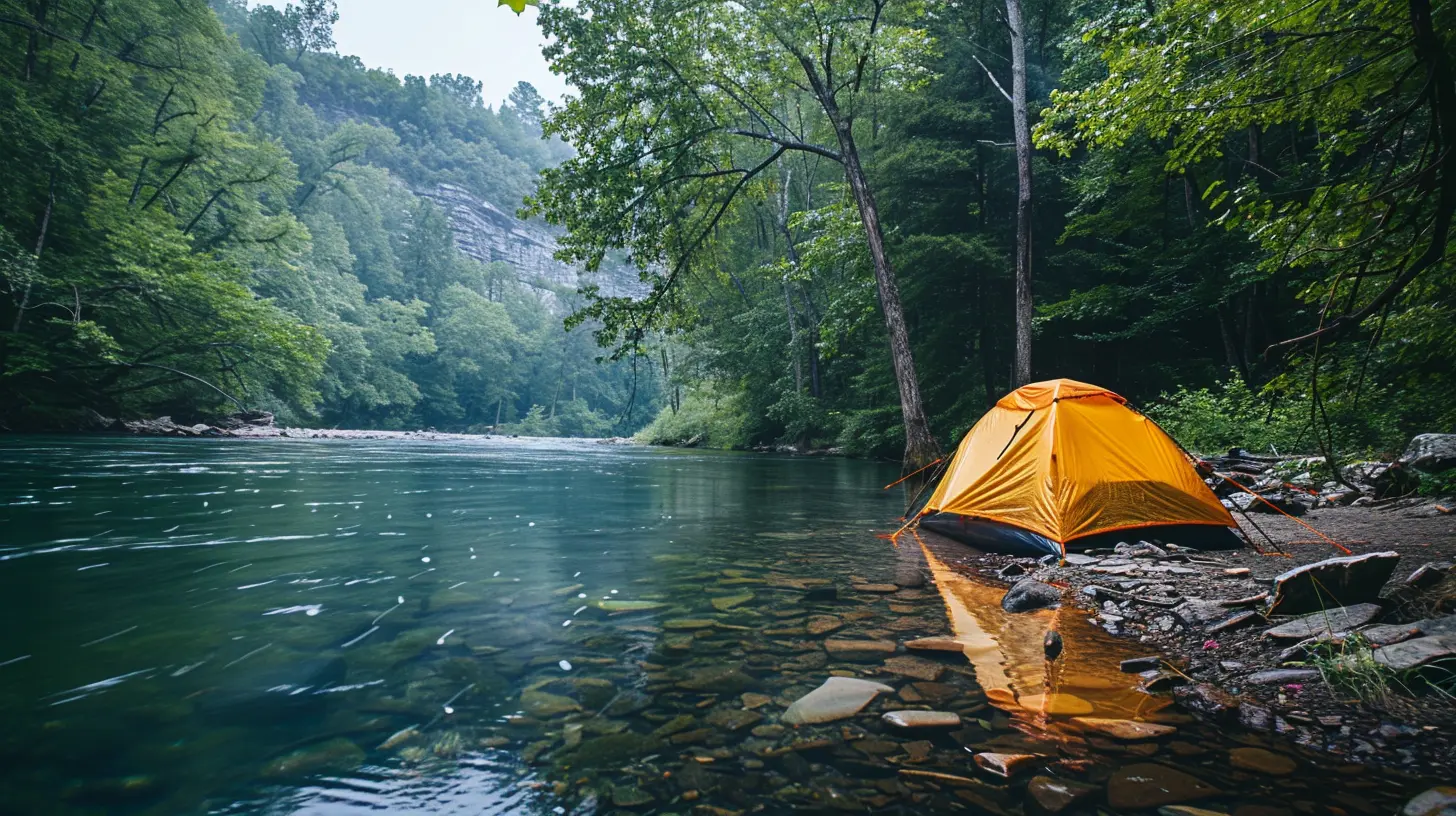
Why River Camping is the Ultimate Outdoor Experience
River camping isn’t just about setting up your tent near a body of water. It’s about embracing the rhythm of nature, where the sound of flowing water becomes your lullaby, the sight of wildlife mesmerizes you, and the activities keep your spirit alive. Imagine paddling down a winding river, casting your fishing line, and ending the day with a campfire under a starlit sky.So, what makes river camping so special?
- Adventure & Relaxation: You get the best of both worlds – the excitement of paddling through rapids and the quiet relaxation of fishing at dawn.
- Unmatched Scenery: Rivers carve through some of the most stunning landscapes, offering breathtaking views at every turn.
- Wildlife Encounters: From fish jumping in the water to deer grazing nearby, river camping puts you right in the heart of nature.
- Complete Escape: Unlike crowded campgrounds, river camping often offers solitude and the chance to disconnect from the busy world. 
Essential Gear for a River Camping Trip
Before you set off on your adventure, packing the right gear is crucial. You don’t want to be stuck in the middle of nature without something essential!Camping Gear
- Tent or Hammock: Choose a lightweight, waterproof tent or a sturdy hammock with a rainfly.- Sleeping Bag & Pad: Nights can get chilly near the water, so bring a sleeping bag rated for appropriate temperatures.
- Waterproof Dry Bags: These are lifesavers when keeping your clothes, food, and gear dry.
- Headlamp/Flashlight: Essential for nighttime navigation around your campsite.
Paddling Essentials
- Kayak or Canoe: A stable, durable vessel suited for river navigation.- Paddle: Lightweight but sturdy for long hours on the water.
- Life Jacket (PFD): Safety first! A properly fitted PFD is non-negotiable.
- Waterproof Map/GPS: Know your route and avoid getting lost.
Fishing Equipment
- Fishing Rod & Tackle Box: If fishing is part of your plan, bring the right gear for the fish species in the river.- Bait & Lures: Live bait or artificial, depending on local regulations and conditions.
- Fishing License: Check state laws to ensure you’re legally allowed to fish.
Food & Cooking Supplies
- Portable Stove & Fuel: A small, lightweight stove is ideal if making fires isn’t allowed.- Lightweight Cookware: A pot, pan, and utensils for preparing meals.
- Non-Perishable Food: Canned beans, dried fruits, nuts, and easy-to-cook meals.
- Water Filter or Purifier: Always have a way to filter river water for drinking.

How to Pick the Perfect River for Camping
Not all rivers are created equal when it comes to camping. Choosing the right river depends on your skill level, desired scenery, and activities.Things to Consider:
- Water Conditions: Check for rapids (Class I-III for beginners, higher for experienced paddlers).- Camping Access: Ensure there are designated camping spots along the riverbank.
- Fishing Opportunities: Research the types of fish in the river.
- Wildlife & Safety: Some rivers have higher populations of bears, snakes, or other wildlife you need to be aware of.
Best Rivers for Camping in the U.S.:
- Buffalo National River, Arkansas – Calm waters, stunning limestone bluffs, and great fishing.- Green River, Utah – Desert landscapes, canyons, and perfect for multi-day trips.
- Allagash River, Maine – Remote wilderness experience with plenty of wildlife.
- Colorado River, Arizona – Flowing through the Grand Canyon, this is an epic paddling adventure.

Paddling Through Nature’s Beauty
Paddling along a river is a magical experience. Whether you’re kayaking alone or canoeing with friends, the connection with nature is undeniable.Types of River Paddling:
- Flatwater Paddling: Ideal for beginners; smooth, gentle currents make for easy navigation.- Whitewater Paddling: For thrill-seekers, navigating rapids adds an adrenaline rush.
- Multi-Day Paddle Trips: Packing minimal gear and exploring miles of river over several days.
Safety Tips for Paddling:
- Always wear your life jacket—the river is unpredictable.- Check weather forecasts before heading out.
- Know your skill level—don’t attempt rapids beyond your ability.
- Stay hydrated and protect yourself from the sun with hats and sunscreen.
Fishing in Tranquil Waters
Fishing in a river is as much about patience as it is about technique. The peaceful rhythm of casting your line while the water flows by is an experience like no other.Best Fish to Catch in a River:
- Trout: Found in cooler, fast-moving streams.- Bass: Both largemouth and smallmouth love slow-moving, deep areas.
- Catfish: Often lurking in deep holes and quiet spots.
- Panfish: Bluegill and sunfish are easy to catch and fun for beginners.
Pro Fishing Tips:
- Fish early in the morning or late in the evening for the best bites.- Use natural bait like worms or minnows for better chances.
- Cast near structures like fallen trees, rocks, or deep pools where fish love to hide.
- Be patient—sometimes it takes time for fish to start biting.
Making Camp by the River
Once you've paddled and fished, it's time to set up camp. Finding the right spot is key to a comfortable night’s rest.Choosing a Campsite:
- Pick a flat area above the high-water line to avoid sudden water level rises.- Find a spot with natural wind protection, like trees or rock formations.
- Avoid camping too close to the river; mosquitoes love standing water.
Campfire and Cooking Tips:
- If allowed, build a small campfire using deadwood, not live branches.- Keep a bucket of water nearby for safety.
- Store food in bear-proof containers (or hang it from a tree) to avoid attracting wildlife.
- Cook away from your sleeping area to reduce animal encounters at night.
Leave No Trace: Respecting Nature
Nature gives us so much—let’s make sure we give back by keeping it clean and untouched.Key Leave No Trace Principles:
- Pack out ALL trash, even biodegradable items.- Use biodegradable soap if washing dishes or yourself.
- Avoid damaging plants or disturbing wildlife.
- Keep noise levels low to respect other campers and animals.
Conclusion
River camping is one of the most rewarding ways to experience the great outdoors. From paddling along breathtaking waterways to fishing in peaceful solitude and sleeping under the stars, every moment is an adventure waiting to be had.So grab your gear, pick a river, and embark on a journey that will leave you with stories to tell and memories to cherish. There’s nothing quite like the magic of river camping—once you try it, you’ll be hooked for life!
all images in this post were generated using AI tools
Category:
Camping TravelAuthor:

Tracie McAdams
Discussion
rate this article
2 comments
Bryce Fry
Fish, paddle, camp—nature’s trio for unforgettable river shenanigans!
February 4, 2026 at 4:13 PM
Tracie McAdams
Thanks! Embracing nature with fishing, paddling, and camping truly makes for memorable river adventures! 🌊🎣🏕️
Rune McLemore
Sounds like a perfect escape!
January 15, 2026 at 4:12 PM
Tracie McAdams
Exactly what we aimed for — glad it struck that chord!