How to Choose the Perfect Campsite for a Peaceful Retreat
14 April 2026
Camping is one of the best ways to disconnect from the chaos of everyday life and reconnect with nature. But let’s be honest—choosing the wrong campsite can ruin what was supposed to be a peaceful getaway. From noisy neighbors to uncomfortable terrain, plenty of factors can turn a dream trip into a stressful experience.
So, how do you pick the perfect campsite for a serene retreat? Whether you're a seasoned camper or planning your first outdoor adventure, this guide will walk you through everything you need to know to find a tranquil, comfortable, and safe spot.
1. Define Your Camping Style
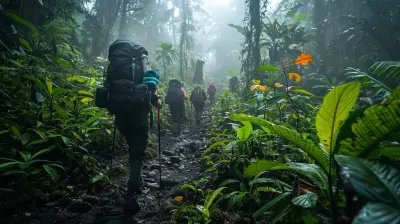
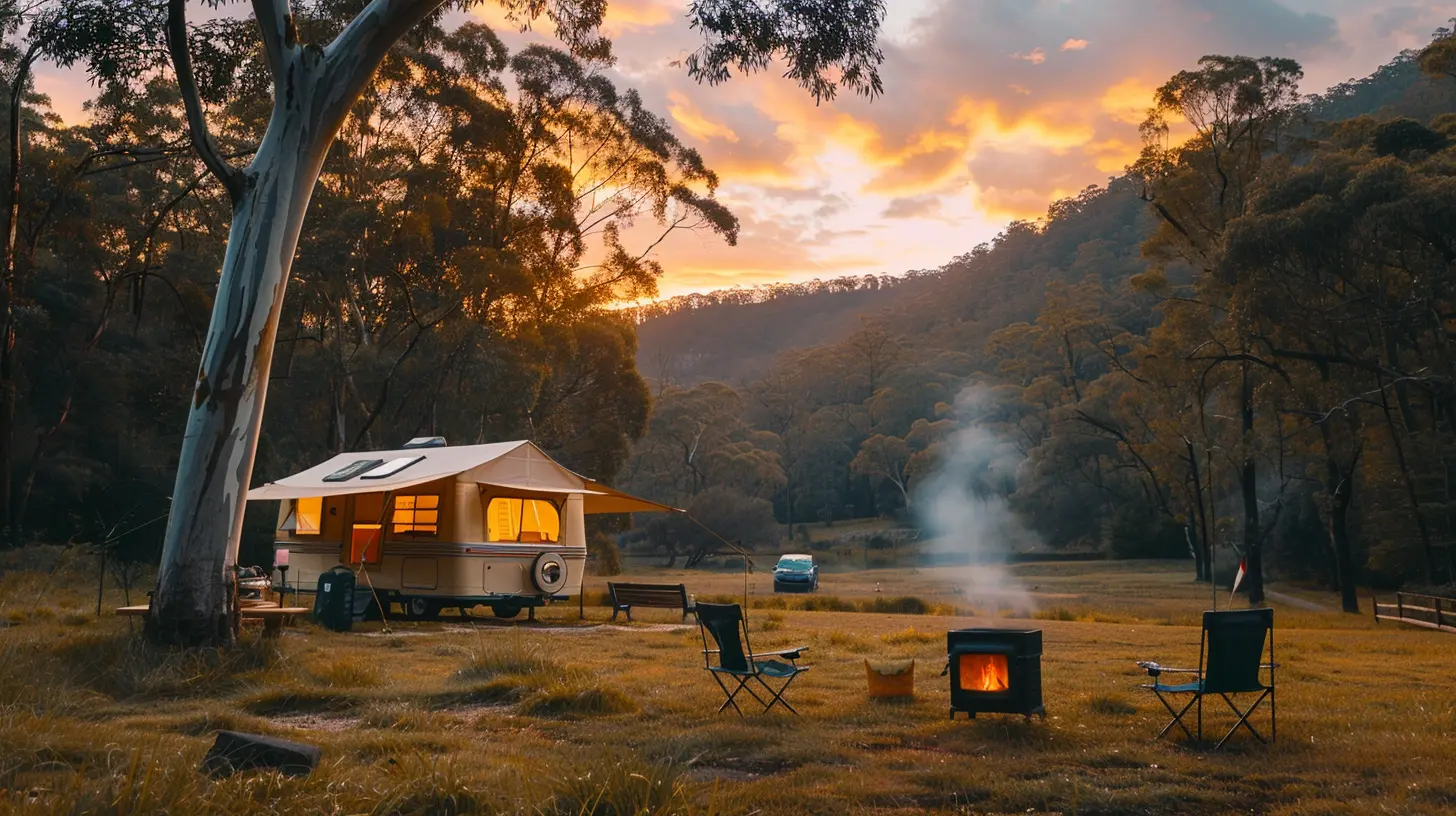
Before you start scouting locations, ask yourself: What kind of camping experience are you looking for?- Backpacking vs. Car Camping: Are you hiking to a remote spot or parking next to your tent?
- Primitive vs. Developed Campgrounds: Do you prefer a campsite with amenities, or are you okay with just the bare essentials?
- Solo vs. Group Camping: Are you craving solitude, or do you want a social trip with family and friends?
Knowing your style will help you narrow down locations that align with your expectations.
2. Research Potential Campsites
Instead of blindly choosing a random spot, take time to research. Here are some of the best ways to find suitable campsites:Check Online Resources
Websites like Recreation.gov, The Dyrt, and Hipcamp offer extensive databases of campgrounds, including reviews from fellow campers. National and state park websites also provide detailed information on available campsites.Read Reviews
Don’t just settle for a pretty picture. Reviews can reveal crucial insights—like whether a site is too close to noisy roads, has aggressive mosquitoes, or lacks proper shade.Look at Maps and Satellite Images
Google Maps and apps like Gaia GPS can help you evaluate the surrounding terrain, proximity to water sources, and the overall layout of the campsite.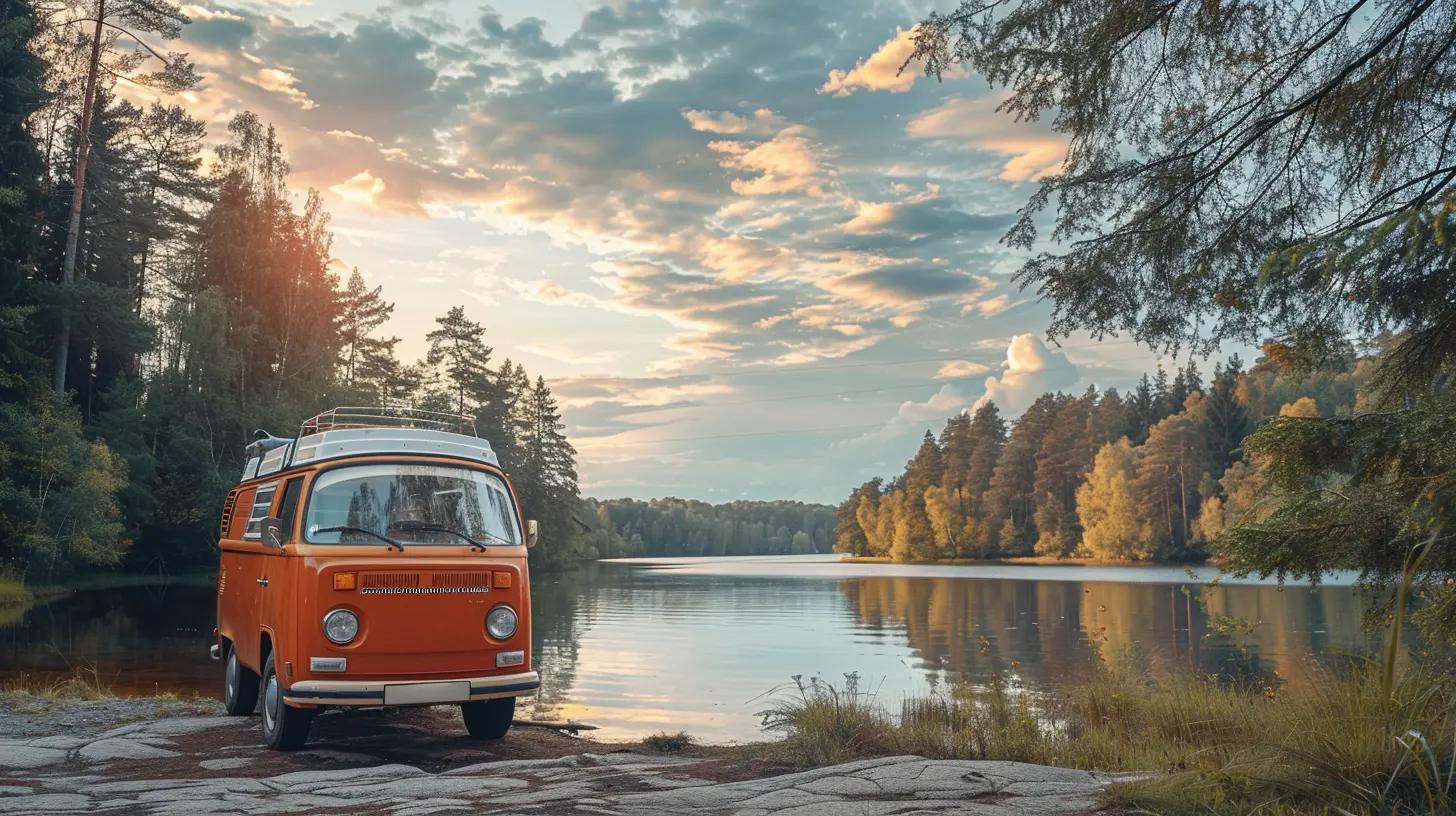
3. Prioritize a Quiet Location
What’s the point of a peaceful retreat if you’re surrounded by noisy campers, traffic, or loud music? To ensure a tranquil experience:- Avoid campsites near main roads or parking lots. The further you are from high-traffic areas, the quieter it will be.
- Stay away from high-traffic hiking trails. Popular trails often bring hikers passing by all day.
- Choose smaller or dispersed campsites. Large campgrounds tend to be noisier, especially during peak seasons.
4. Consider Safety Factors
Peace of mind is crucial for a relaxing trip, so safety should be a top priority.Wildlife Precautions
Camping in the wilderness means sharing space with animals. To avoid unwanted encounters:- Check if the area has bear activity and use bear-proof storage for food.
- Avoid camping near water sources where animals gather at dawn and dusk.
- Keep a safe distance from thick brush, which can hide snakes or insects.
Weather Considerations
A peaceful retreat can quickly turn chaotic if you’re caught in bad weather. Before heading out:- Check weather forecasts for any storms or extreme temperatures.
- Avoid setting up camp in low-lying areas prone to flooding.
- Be cautious of open spaces during a thunderstorm—trees and ridges can attract lightning.
5. Evaluate Terrain Comfort
Imagine sleeping on a slope or waking up in a puddle because you misjudged the ground. Not fun, right?- Look for flat ground. Slightly sloped terrain is fine, but nothing steep.
- Avoid rocky or root-filled surfaces for a comfortable night's sleep.
- Choose a dry area—damp ground can lead to condensation inside your tent.
6. Find the Right Balance of Sun and Shade
Too much sun can make your tent feel like an oven, while too much shade can make it chilly and damp. Aim for a balance:- Morning sun exposure helps dry out condensation on your tent.
- Afternoon shade keeps your site cooler during hot summer days.
- Use natural windbreaks like trees or rock formations to shield against strong winds.
7. Proximity to Water (But Not Too Close!)
Being near a water source (like a river or lake) can be convenient for cooking and cleaning, but camping too close comes with risks:- Flooding: A sudden rainstorm can cause water levels to rise unexpectedly.
- Mosquitoes: They breed in standing water, so setting up too close can mean dealing with swarms of bugs.
- Animal Traffic: Wildlife relies on water sources, so pitching your tent too close can lead to unexpected visitors.
Ideally, set up camp at least 200 feet away from any water source for safety and environmental protection.
8. Check for Campsite Regulations
Different campsites have different rules, ranging from fire restrictions to quiet hours. Make sure you’re aware of:- Campfire rules (especially in wildfire-prone areas).
- Permits required for overnight stays.
- Leave No Trace principles to minimize your impact on nature.
9. Test for Cell Reception (If Necessary)
While disconnecting from technology is part of the appeal, some campers prefer having access to communication in case of emergencies. If this matters to you:- Check online maps that show cell coverage in remote areas.
- Bring a satellite communicator if you expect zero service.
10. Trust Your Gut
Sometimes, a site might check all the boxes but still doesn’t feel right. Maybe it feels too exposed, too close to others, or just off. If your gut tells you to move, listen to it. You’ll sleep better knowing you're in a spot where you feel comfortable and safe.Final Thoughts
Choosing the perfect campsite isn’t just about finding a flat spot to pitch your tent—it’s about crafting an experience tailored to your needs. Whether you crave solitude, safety, or comfort, taking the time to evaluate potential sites will ensure your retreat is as peaceful as possible.So, next time you’re planning a camping trip, slow down, do your research, and pick a location that guarantees relaxation. After all, nothing beats waking up to birdsong, sipping coffee with a forest breeze, and knowing you’ve chosen the perfect spot to unwind.
all images in this post were generated using AI tools
Category:
Camping TravelAuthor:

Tracie McAdams
Discussion
rate this article
2 comments
Hannah McLanahan
Great tips! Can’t wait to find my perfect peaceful spot!
April 21, 2026 at 4:56 PM
Tracie McAdams
I'm glad you found the tips helpful! Enjoy your peaceful retreat!
Roxanne Carter
Great tips! Finding serenity in nature is truly rejuvenating.
April 16, 2026 at 2:40 PM
Tracie McAdams
Thank you! I'm glad you found the tips helpful—nature really is the best escape.