Hidden Histories: The World’s Most Mysterious Heritage Sites
12 March 2026
Let’s get weird, shall we? The world is packed with heritage sites that practically scream for attention—the Eiffel Tower, the Colosseum, the Great Wall of China—you know the ones. But what about the ones that lurk in the shadows, hidden away from the selfie-stick-wielding crowds? The places that make you scratch your head and say, “Wait, what even happened here?” These mystical, spine-tingling sites have stories that were almost lost to time. And today, we’re going to unpack them, dust them off, and marvel at their wonderfully odd pasts.
Buckle up, history buffs and curious wanderers. It's time to unravel the strange tales behind the world's most mysterious (and criminally underrated) heritage sites.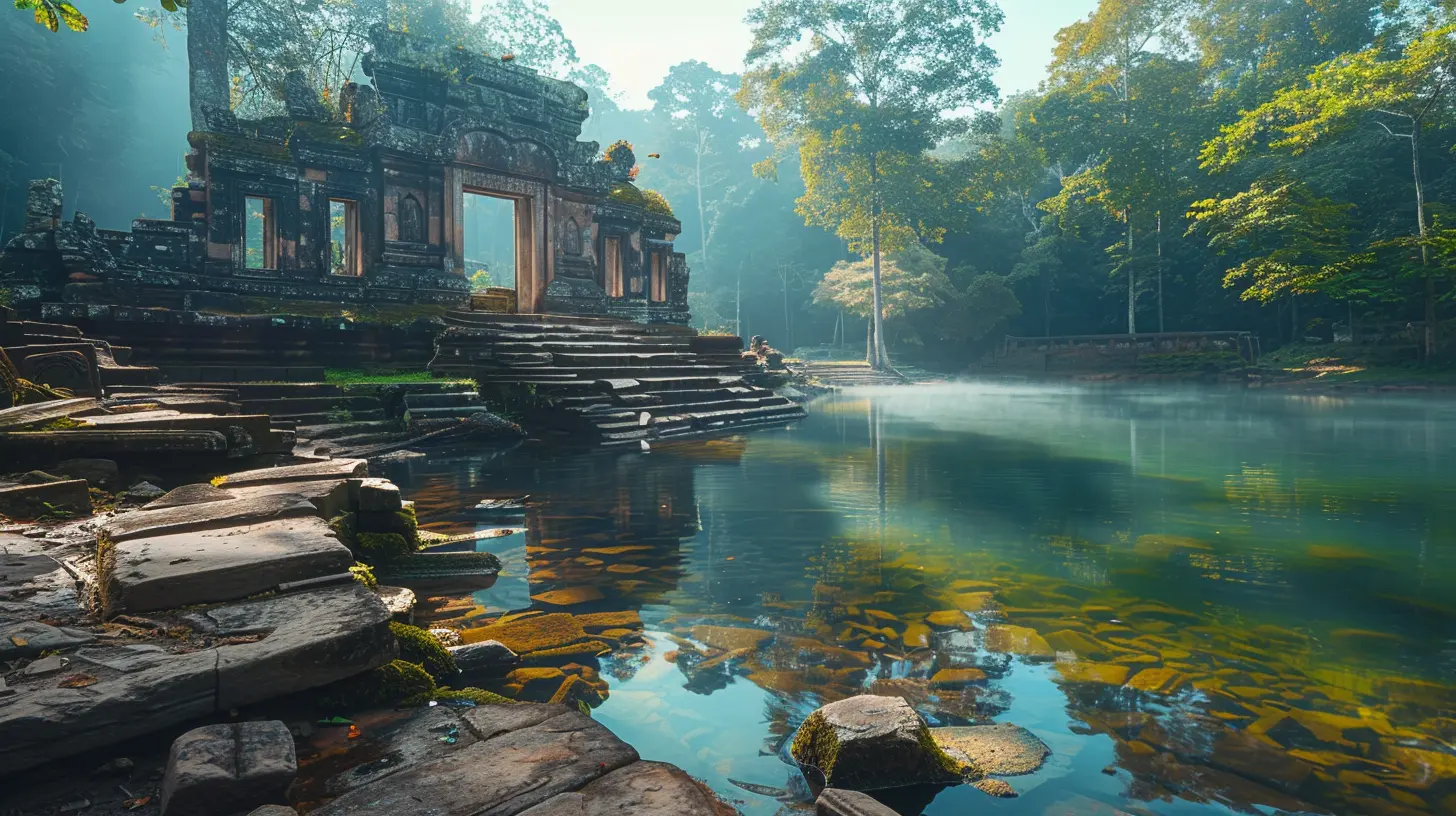
1. Derinkuyu Underground City – Turkey’s Subterranean Secret
Ever dreamt of vanishing underground like a sneaky mole? Well, someone in ancient Cappadocia actually did that—times a thousand.Origin Of The Underground Enigma
Beneath the dusty plains of central Turkey lies Derinkuyu, a jaw-dropping underground city that could house up to 20,000 people… with their livestock and wine included. Yes, wine. Priorities, right?No one’s really sure who built it—Phrygians? Hittites? Aliens? (Okay, probably not aliens… probably.) But we do know that by the Byzantine era, it was being used as a hideaway from invaders. Think of it as the ancient version of a panic room, but bigger. Much bigger.
Why It’s Mysterious
The thing is—there’s no clear blueprint. Tunnels sprawl like a spider’s web, descending up to 18 stories deep. There are airshafts, armories, chapels, and rolling stone doors that scream “Indiana Jones booby trap.” How? Why? When exactly? No one really knows.Fun Fact: There are rumors it connects to other underground cities through even more tunnels. Like a mole metropolis.
2. Yonaguni Monument – Japan’s Submerged Atlantis
Got scuba gear? Good. You’ll need it to check out Japan’s underwater head-scratcher, the Yonaguni Monument.Beneath The Waves
Discovered in the 1980s by a diver looking for hammerhead sharks (way to stumble upon ancient relics), this massive stone structure lies off the coast of Yonaguni Island. Giant geometric slabs, terraces, and what looks like a staircase? Totally not natural-looking. And yet geologists are arguing about whether it’s man-made or just a very suspicious fluke of nature.The Controversy Kicker
Some experts think it’s over 10,000 years old—older than the Egyptian pyramids. But there’s no solid evidence of civilization in that area at the time. So was it a city swallowed by the sea? A ceremonial site? Giant ancient LEGO?Nobody. Freaking. Knows.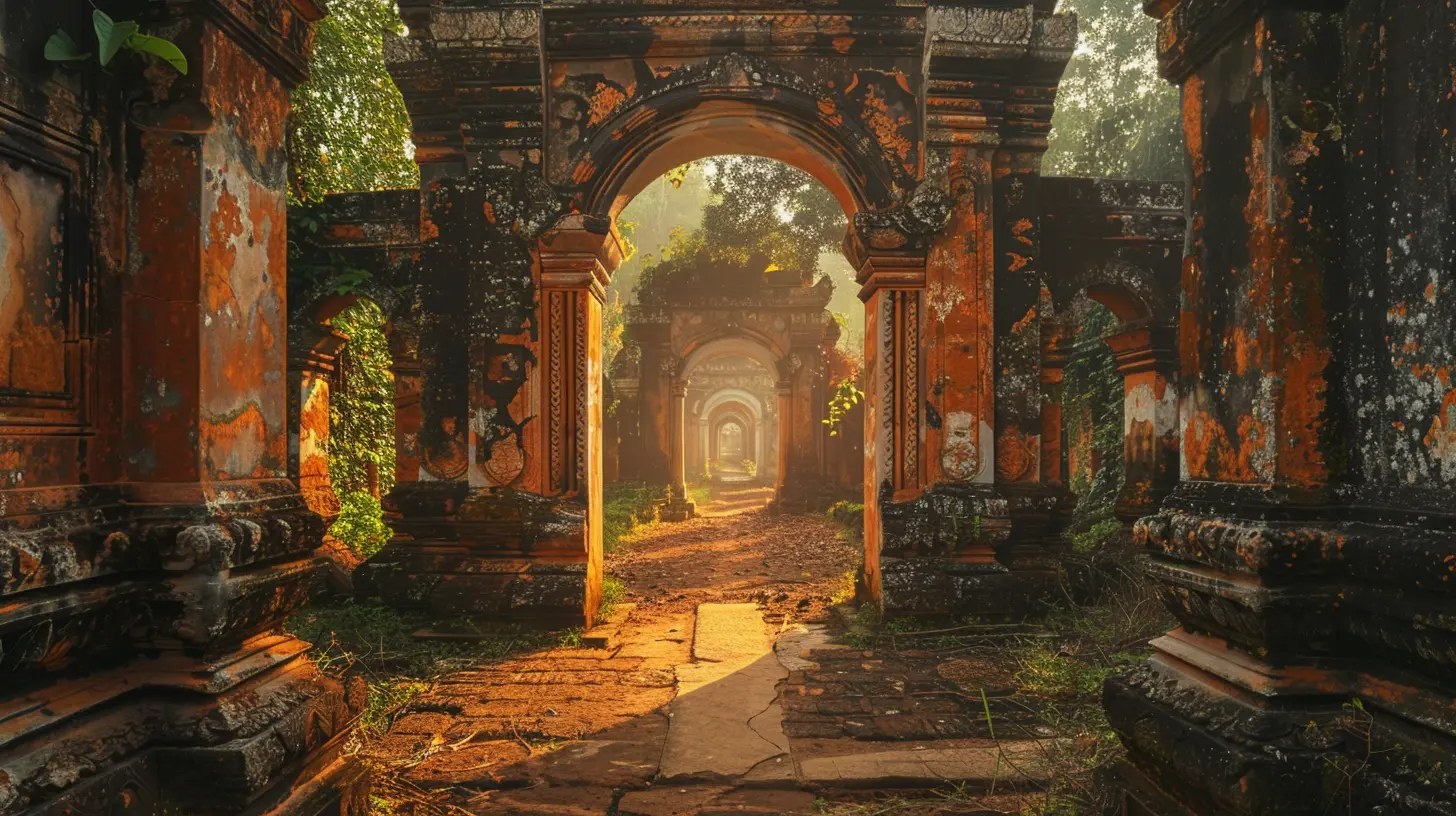
3. Great Zimbabwe – Africa’s Forgotten Empire
Let’s shift gears to Africa now, shall we? Nestled in the southeastern hills of Zimbabwe lies the remains of a once-thriving kingdom: Great Zimbabwe.A City Made Of Stone… And Mystery
Constructed between the 11th and 15th centuries, this ancient city was built from massive stone blocks, intricately stacked without mortar. Imagine playing Jenga… with 30-foot walls. These people didn’t mess around.It served as a royal palace and held great religious significance. At its peak, it supported nearly 18,000 people—equivalent to a small modern town.
Why You Probably Haven’t Heard Of It
Here’s where the mystery deepens. For years, colonial narratives downplayed the indigenous origins of Great Zimbabwe because it didn’t fit their worldview. But modern archaeology is reclaiming the truth: this was the epicenter of a powerful African empire that traded with Asia and the Middle East.And still, so much about it remains coded in secrecy.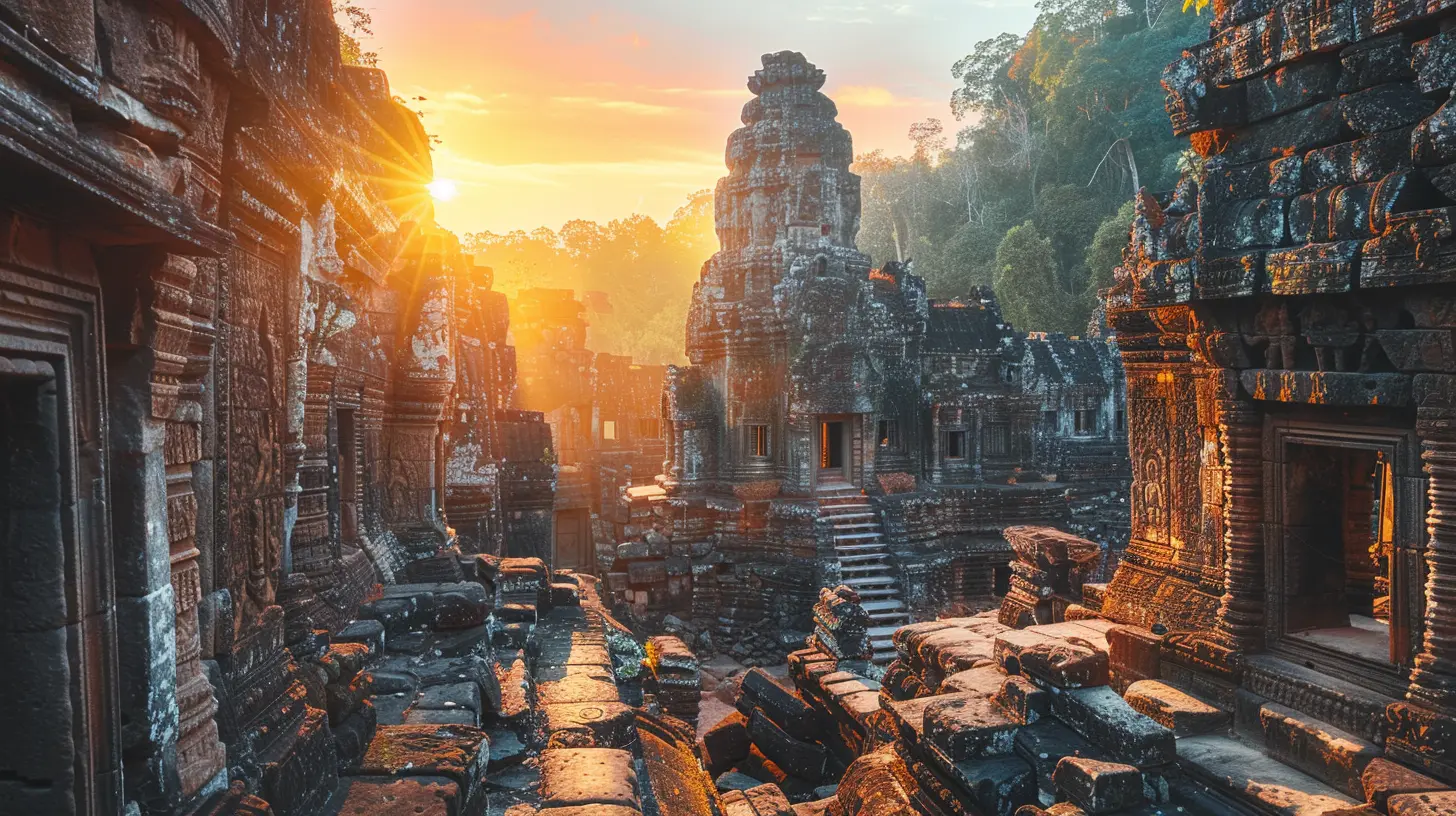
4. Nan Madol – The Venice Of The Pacific (But Spookier)
Off the coast of Pohnpei in Micronesia lies Nan Madol, a city built over a lagoon. Sounds dreamy, right? Hold that thought.A Watery Labyrinth
Made up of nearly 100 artificial islets connected by canals (yep, like Venice), Nan Madol was the ceremonial capital of the Saudeleur Dynasty. But the sauce gets thick when you look at how it was built.The structures are made of giant basalt columns that weigh several tons each. No pulleys, no cranes—just pure muscle and a bit of island magic? Transporting them required some serious engineering, or sorcery, depending on who you ask. Some locals even say the stones levitated into place. Creepy cool, right?
The Forbidden City Vibes
No one lives there now. It’s considered cursed or taboo. Locals avoid it after dark. That’s never a good sign, unless you’re into ghost tourism.5. Skara Brae – The Neolithic Time Capsule
Imagine stumbling upon a prehistoric village that’s older than the pyramids AND Stonehenge. Welcome to Skara Brae, Scotland’s most underrated archaeological marvel.Buried For Millennia
Uncovered in the 1850s after a violent storm ripped open a hill, Skara Brae is a collection of stone homes from around 3180 BC. The level of preservation is bananas. We’re talking actual furniture—beds, shelves, hearths—all perfectly intact. Pretty cozy for a stone-age Airbnb.But… Where Did Everyone Go?
One day people were chilling by their fire pits, the next—poof—they vanished. No signs of war, famine, or disaster. Theories range from climate change to spiritual migration, but the truth remains buried… literally.Is it just me, or is this starting to sound like the first five minutes of a sci-fi movie?
6. The Hypogeum of Ħal-Saflieni – Malta’s Underground Echo Chamber
Alright, storytime: There’s a place in Malta where whispered secrets bounce around like mischievous spirits. Meet the Hypogeum of Ħal-Saflieni.Beneath The Island, A Temple
This prehistoric complex, dating back to around 4000 BC, is cut entirely from limestone. It’s believed to have been a temple, burial chamber, and possibly a portal to… the otherworld? Okay, maybe just a ceremonial site, but still.The “Oracle Room” Phenomenon
One chamber—dubbed the Oracle Room—has acoustics so bizarre that certain frequencies can cause hallucinations. (Musicians, take note!) Some researchers think it was designed for trance rituals or sound-based ceremonies. Others just get the heebie-jeebies.Either way, it’s clear that the ancient Maltese were vibing on a different wavelength—literally.
7. The Plain of Jars – Laos’ Megalithic Mystery
This one’s straight out of a fantasy novel: thousands of enormous stone jars scattered across the hillsides of northern Laos. Like a giant’s recycling bin.What’s Up With The Jars?
Each jar weighs several tons, and some are big enough to crawl into. Locals say they were used to brew rice wine for giants celebrating victory in battle. Fun theory, but archaeologists believe they were used in prehistoric burial practices.Still… no one knows who carved them, or how they moved the jars across such rugged terrain. There are no inscriptions, no bones, barely any clues. Just jars. Lots of jars.
And It Gets Darker
The area is still littered with unexploded bombs from war. That’s right—these 2,000-year-old relics are surrounded by very modern danger. Talk about history overlapping with tragedy.8. Göbekli Tepe – The Temple That Shouldn’t Exist
Time to ruin everything you thought you knew about early humans.The Game-Changer
Göbekli Tepe, located in southeastern Turkey, is the world’s oldest known temple—dating back to around 9600 BC. That’s before agriculture. Before pottery. Before cities.It was built by hunter-gatherers. You know, the people we thought were too busy chasing mammoths to build spiritual monuments.
Why It Breaks Our Brains
The sheer complexity of the carvings and the organizational skills needed to erect such massive pillars suggests they weren’t just surviving—they were thinking, dreaming, worshipping. This site flips human history like a pancake.What else did our ancestors know that we don’t?
9. Teotihuacan – The City Of Unknown Builders
We know who lived there last. But we don’t know who built it.A City Way Ahead Of Its Time
Teotihuacan, just outside Mexico City, was once home to over 100,000 people. Its layout is deeply aligned with celestial events. The Pyramid of the Sun and the Pyramid of the Moon stand tall like silent sentinels. But archaeologists are scratching their heads over who actually built all this… because the Aztecs only found it centuries later.Who were these mystery architects? Why did they vanish? Did they take their blueprints with them?
Why We Love A Good Mystery
There’s something incredibly human about wanting to connect the dots. And these hidden heritage sites? They’re like unfinished sentences left behind by ancient civilizations. Each one whispers a story just out of reach—teasing our imagination and challenging what we think we know.So next time you plan a trip, go beyond the usual checklist. There’s a whole world of mysterious, magical, and mind-blowingly cool places just waiting for you to stare blankly at them and say: "Wait...what?"
Final Thoughts: Embrace The Wonder
History isn’t always neatly wrapped in textbooks and museum plaques. Sometimes, it hides underground, underwater, or within the ruins of places forgotten for centuries. That’s the beauty of it—because every stone, every structure, could be the missing piece of a story that might change everything.And who knows? Maybe one day, you’ll be the tourist who accidentally solves one of these ancient riddles. Just promise me one thing—if you do, write it down. Or better yet, blog about it.
all images in this post were generated using AI tools
Category:
World Heritage SitesAuthor:

Tracie McAdams
Discussion
rate this article
2 comments
Velma Anderson
What a delightful journey through the world's hidden histories! Each mysterious heritage site offers a unique story waiting to be uncovered. I can't wait to explore these enchanting places and dive into their fascinating pasts. Happy travels! 🌍✨
March 31, 2026 at 4:29 PM
Tracie McAdams
Thank you! I'm thrilled you enjoyed the journey. Happy exploring! 🌍✨
Sara McWilliams
Absolutely enchanting! Can’t wait to explore these hidden gems!
March 23, 2026 at 5:14 AM
Tracie McAdams
Thank you! I hope you enjoy discovering these incredible sites!