Health and Safety Tips for Camping in the Wilderness
4 January 2026
Camping in the wilderness is one of the purest ways to reconnect with nature. The sound of birdsong at sunrise, the smell of pine trees, the crackling campfire under a starry sky—it’s the ultimate reset button. But stepping off the grid comes with its fair share of risks. No, we’re not just talking about bears (though we’ll get to that too). Whether you're a seasoned adventurer or a rookie camper, your well-being depends on how well you prepare.
So, grab your bug spray and a cup of campfire coffee. We’re diving deep into health and safety tips that can make or break your wilderness getaway.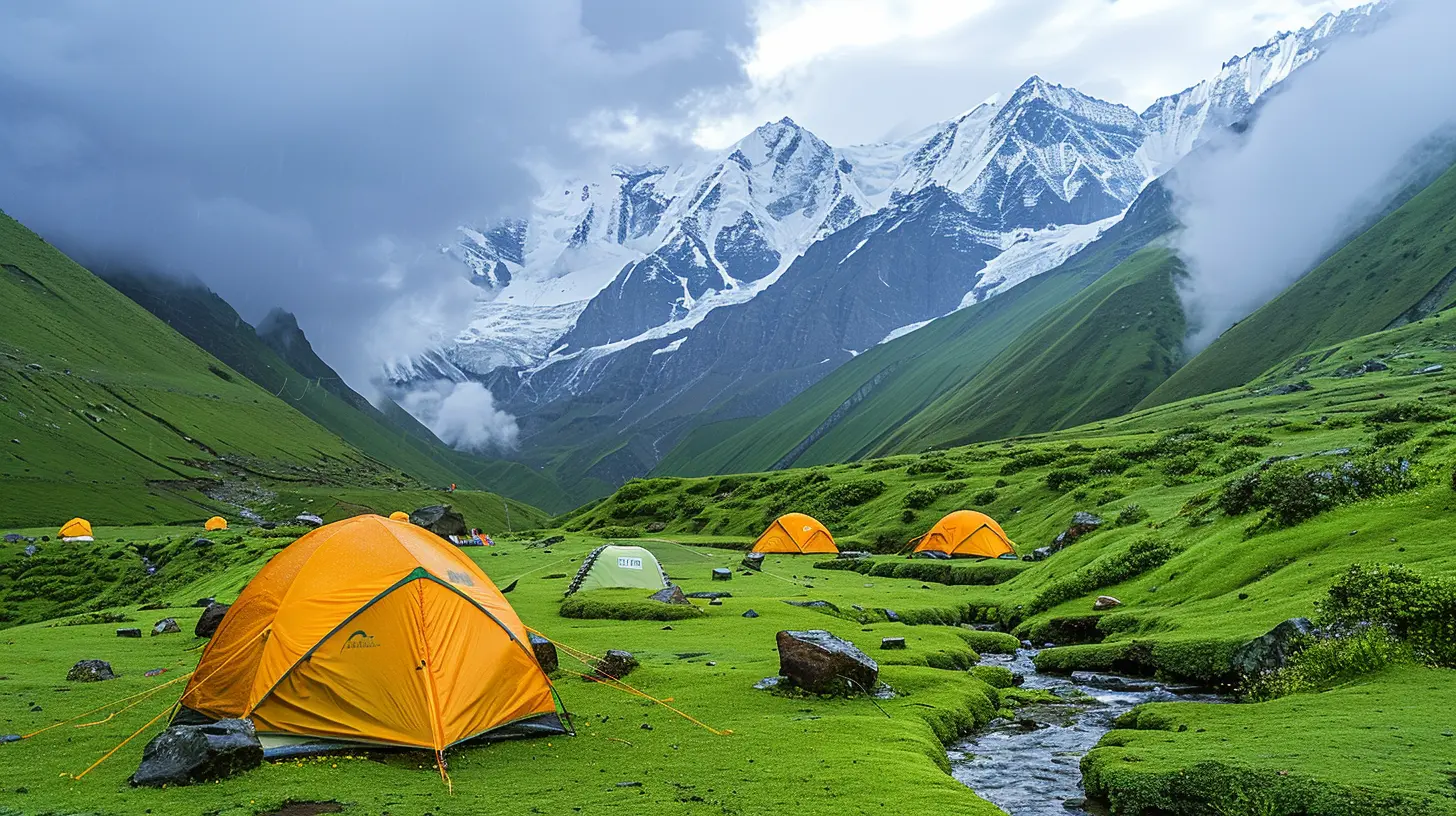
Why Wilderness Safety Matters
Let’s be real—Mother Nature doesn’t come with a user manual. When you're miles from civilization, safety isn't just about comfort—it's survival. No cell service? One wrong turn could become a full-blown rescue mission. A simple blister? That could get infected fast without proper care.Wilderness camping is a beautiful adventure, but it rewards preparation and punishes neglect.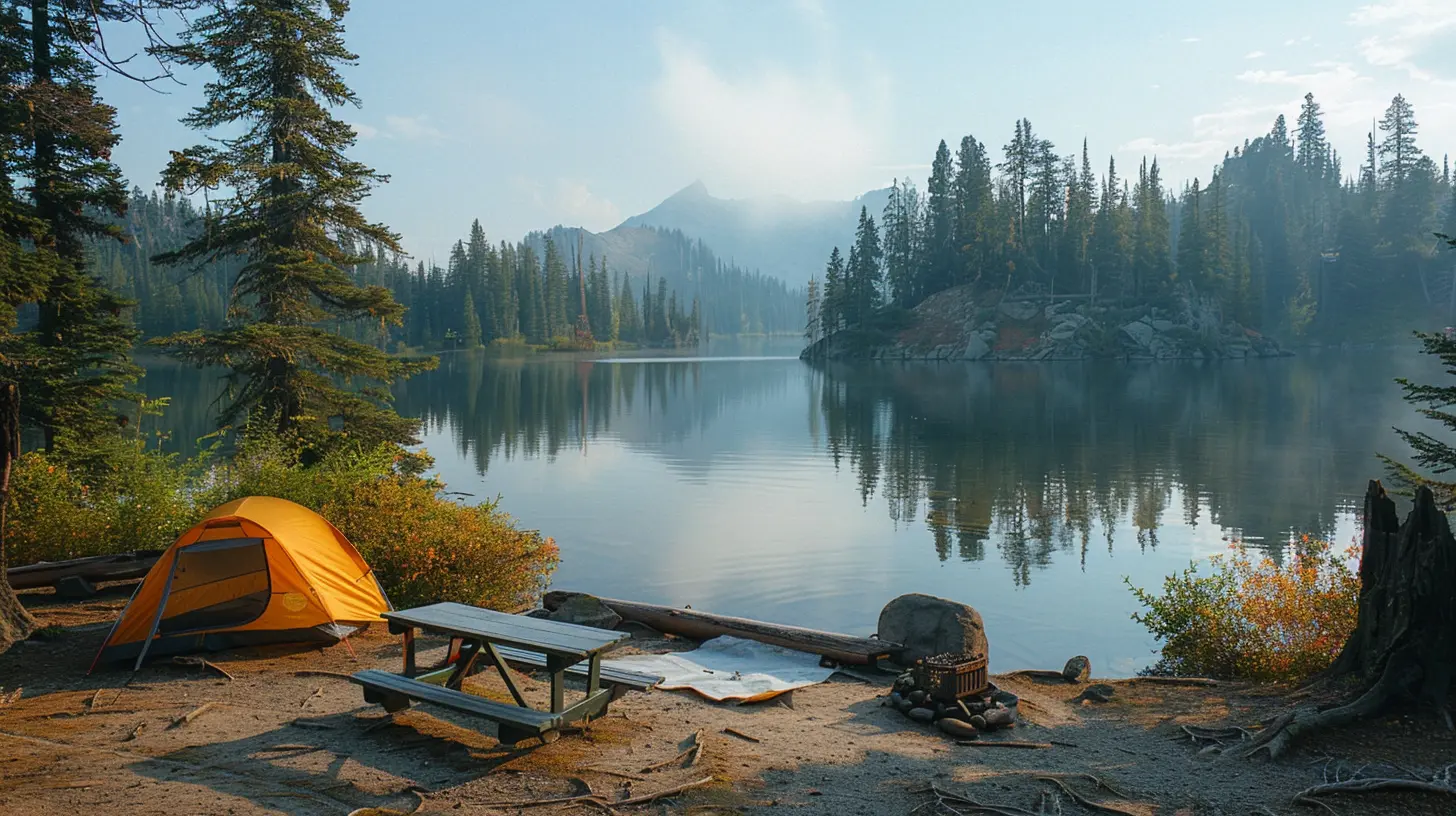
Pre-Trip Planning: Know Before You Go
1. Research Your Destination
Don’t just show up and wing it. Look into the terrain, weather patterns, wildlife, and local regulations.- Are campfires allowed?
- Are there bear sightings in the area?
- Is the terrain suitable for beginners?
Websites of national parks and hiking forums are goldmines of info. Use them.
2. Tell Someone Your Plan
This one’s non-negotiable. Always share your itinerary with a trusted friend or family member. Let them know:- Where you're going
- Who you’re with
- When you plan to return
That way, if something goes sideways, someone knows where to start looking.
3. Check the Weather Forecast
It’s amazing how quickly a sunny day can turn sour in the backcountry. Always check the forecast and prepare for the worst-case scenario. A surprise thunderstorm or sudden cold front can be dangerous if you’re caught unprepared.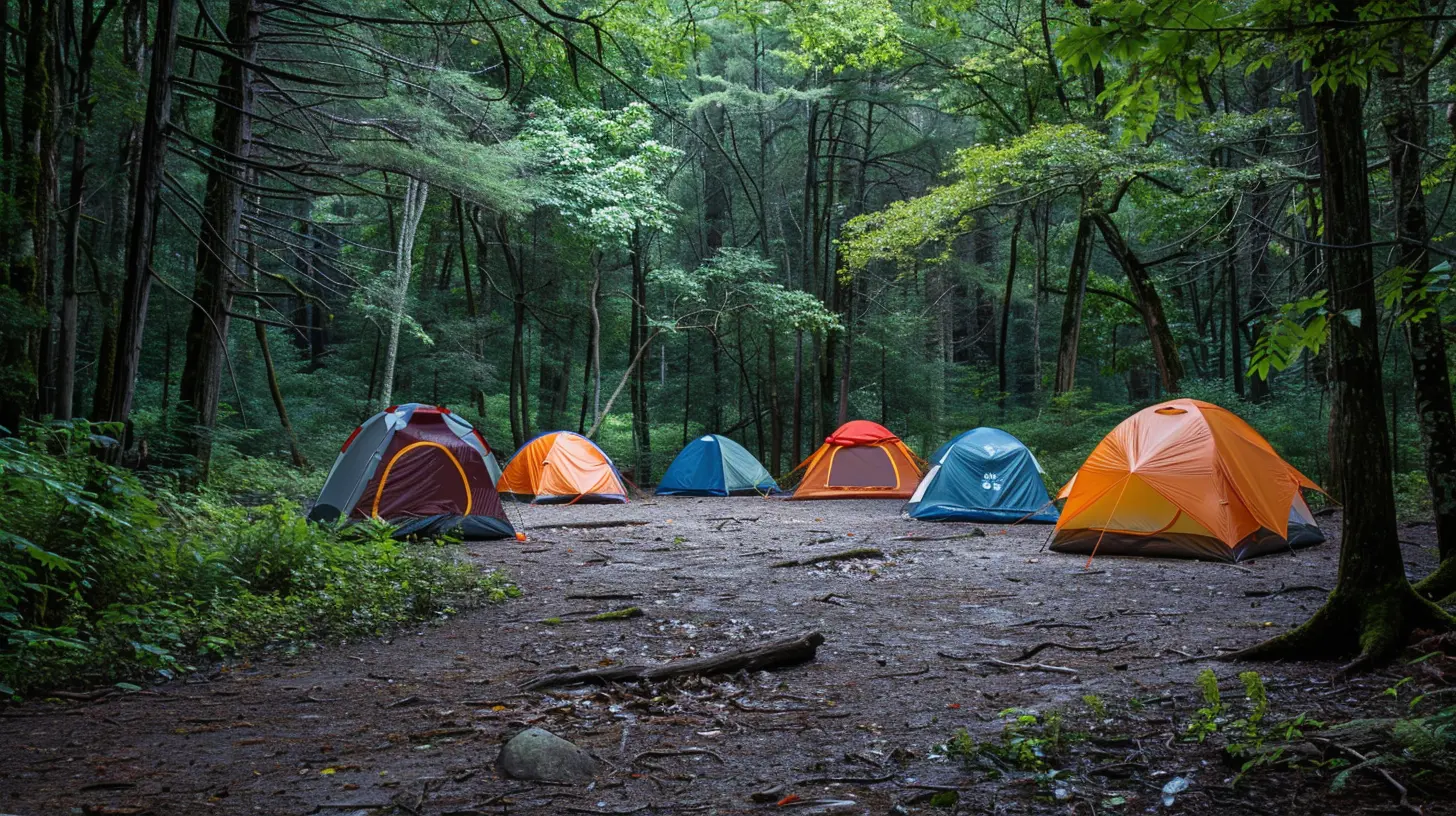
Pack Smart: Your Safety Starts with What’s in Your Bag
4. First Aid Kit Essentials
A solid first-aid kit is as important as your tent. Your kit should include:- Bandages of various sizes
- Antiseptics (wipes, ointment)
- Tweezers and scissors
- Pain relievers
- Allergy meds
- Blister pads
- Emergency blanket
Know how to use everything in the kit. Throw in a manual if you need to.
5. Water Purification Tools
You can survive weeks without food, but only days without water. And not all mountain streams are as pure as they look.Options include:
- Portable water filters
- Purification tablets
- UV light purifiers
Always carry more than one purification method—filters break, and tablets run out.
6. Navigation Tools
GPS devices are never a bad idea, but don't ditch the old-school map and compass. Batteries die, signals drop—you get the picture. Know how to use both.7. Emergency Gear
This may sound excessive, but trust me—it’s not.- Headlamp with extra batteries
- Whistle
- Multi-tool
- Fire-starting supplies
- Space blanket
- Personal locator beacon (PLB), especially for remote areas
Think of these as your “insurance policy” against the unexpected.
Food Safety in the Wild
8. Plan and Pack Meals Carefully
Stick to foods that are easy to prepare and have a long shelf life. Think dehydrated meals, canned goods, trail mix, and jerky.Avoid perishable items unless you have a reliable way to keep them cold (spoiler: your cooler won’t last forever).
9. Store Food Properly
Here’s where things get serious—improper food storage can literally attract bears. Always:- Store food in bear-proof containers or use bear hangs
- Keep food away from your sleeping area (at least 100 feet)
- Never bring snacks into your tent
Yes, even that half-eaten granola bar. Animals have a supercharged sense of smell.
Fire Safety: Don’t Be That Camper
10. Follow Campfire Rules
If fires are allowed, keep them small and under control. Always have water and a shovel nearby. Never leave a fire unattended.And when you're done? Drown it, stir it, and drown it again until it’s cold to the touch.
11. Use a Stove for Cooking
Backpacking stoves are safer and easier than cooking over open fire. Plus, they’re usually allowed even when campfires are banned.Wildlife Awareness: Respect, Don’t Fear
12. Keep a Safe Distance
Wildlife sightings can be magical—unless you’re too close. Use binoculars or a zoom lens and never approach animals. You’re in their home, remember?13. Know What to Do in Case of Wildlife Encounters
Different animals, different rules.- Bears: Don’t run. Stand tall, talk calmly, back away slowly.
- Mountain Lions: Make yourself appear large, maintain eye contact, and slowly retreat.
- Snakes: Give them space, wear boots, and use trekking poles on overgrown trails.
A little knowledge goes a long way in avoiding panic.
Personal Safety Tips
14. Stay on Marked Trails
Trails exist for a reason. They prevent erosion, protect wildlife habitats, and most importantly—keep you on course.Off-trail exploring might sound fun until you’re lost in a thicket with no landmarks in sight.
15. Know Your Limits
It’s easy to get ambitious out there. But pushing past your physical limits is a recipe for disaster. If you're tired—rest. If it’s getting dark—set up camp. Listen to your body.16. Travel in Groups When Possible
There's strength in numbers. Plus, it’s more fun. If you must go solo, be extra cautious and pack with redundancy in mind (extra gear, more food, etc.).Insect & Plant Hazards
17. Fight the Bite
Mosquitoes, ticks, and biting flies are more than just annoying—they can spread disease.Combat them with:
- DEET or picaridin-based repellents
- Permethrin-treated clothing
- Long sleeves and pants
Also, check yourself daily for ticks!
18. Avoid Poisonous Plants
Learn to recognize poison ivy, poison oak, and poison sumac. The rhyme “Leaves of three, let it be” still holds up.Touching these can cause itchy, blistering rashes that are no fun—especially in the wild.
Weather Wisdom
19. Shelter from Storms
Getting caught in a thunderstorm? Seek low ground (but not valleys), avoid tall, isolated trees, and stay away from metal objects.Better yet—check the sky often and set up camp before bad weather hits.
20. Dress in Layers
Wilderness temperatures can swing wildly. Layer up so you can adjust as needed:- Base layer for moisture wicking
- Middle layer for insulation
- Outer layer for wind and rain protection
Hypothermia can sneak up even in summer if you get wet and cold.
Emergency Preparedness
21. Know Basic Survival Skills
We’re not saying you need to be Bear Grylls, but a few basics go a long way:- Building a fire
- Purifying water
- Building a shelter
- Signaling for help
These skills can literally save your life.
22. Stay Calm in Crisis
Panic is your worst enemy. If you get lost or injured:- Stop and breathe
- Think through your options
- Use your emergency gear
Staying calm helps you think clearly and make smart decisions.
Final Words: Embrace the Wild, But Respect the Risks
Camping in the wilderness is raw, rewarding, and real. It strips life down to the essentials and reminds us how small—but capable—we really are. But let’s not be foolish: nature doesn’t play favorites. The more you respect the risks, the more you can relax and enjoy the journey.Pack smart, stay alert, and tread lightly—both for your safety and the planet’s.
Have fun out there. Get dirty, make memories, and come home with stories worth telling.
all images in this post were generated using AI tools
Category:
Camping TravelAuthor:

Tracie McAdams
Discussion
rate this article
2 comments
Katalina McFarlane
Great article! Prioritizing health and safety while camping is crucial. Don’t forget to pack a well-stocked first aid kit, stay hydrated, and familiarize yourself with local wildlife to ensure a safe adventure.
January 30, 2026 at 5:31 PM
Tracie McAdams
Thank you for your insightful comment! Absolutely, a first aid kit and hydration are key for a safe camping experience. Happy adventuring!
Ulysses Cannon
Great article! The tips on health and safety are essential for any wilderness camper. Prioritizing preparation can truly enhance the experience and ensure a safe adventure. Thank you!
January 13, 2026 at 4:04 AM
Tracie McAdams
Thank you for your kind words! I'm glad you found the tips helpful for a safe and enjoyable wilderness experience. Happy camping!