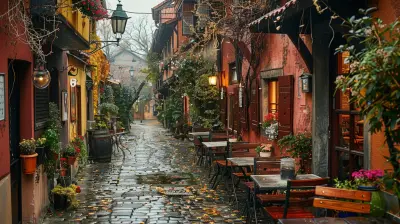
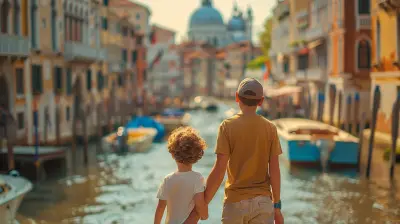
From Markets to Michelin: Favorite Food Experiences Abroad in 2027
8 May 2026
Let me paint you a picture. You are standing in a narrow alley in Bangkok, steam rising from a wok so hot it warps the air around it. The vendor, a woman who has been making pad thai for forty years, hands you a plate on a banana leaf. You pay two dollars. Later that same week, you are sitting in a hushed room in Tokyo, where a chef places a single piece of nigiri in front of you with the reverence of a priest offering a sacrament. That piece of fish costs more than your entire street-food feast. Both moments are perfect. Both are unforgettable.
This is the magic of eating abroad in 2027. The line between the street stall and the tasting menu has never been thinner. Travelers today are not just looking for a meal. They are looking for a story, a connection, a memory that tastes like a place. So, let me walk you through some of my favorite food experiences from around the world this year, from the chaotic, glorious markets to the hushed, precise temples of gastronomy.
The Market: Where the Real Soul Lives
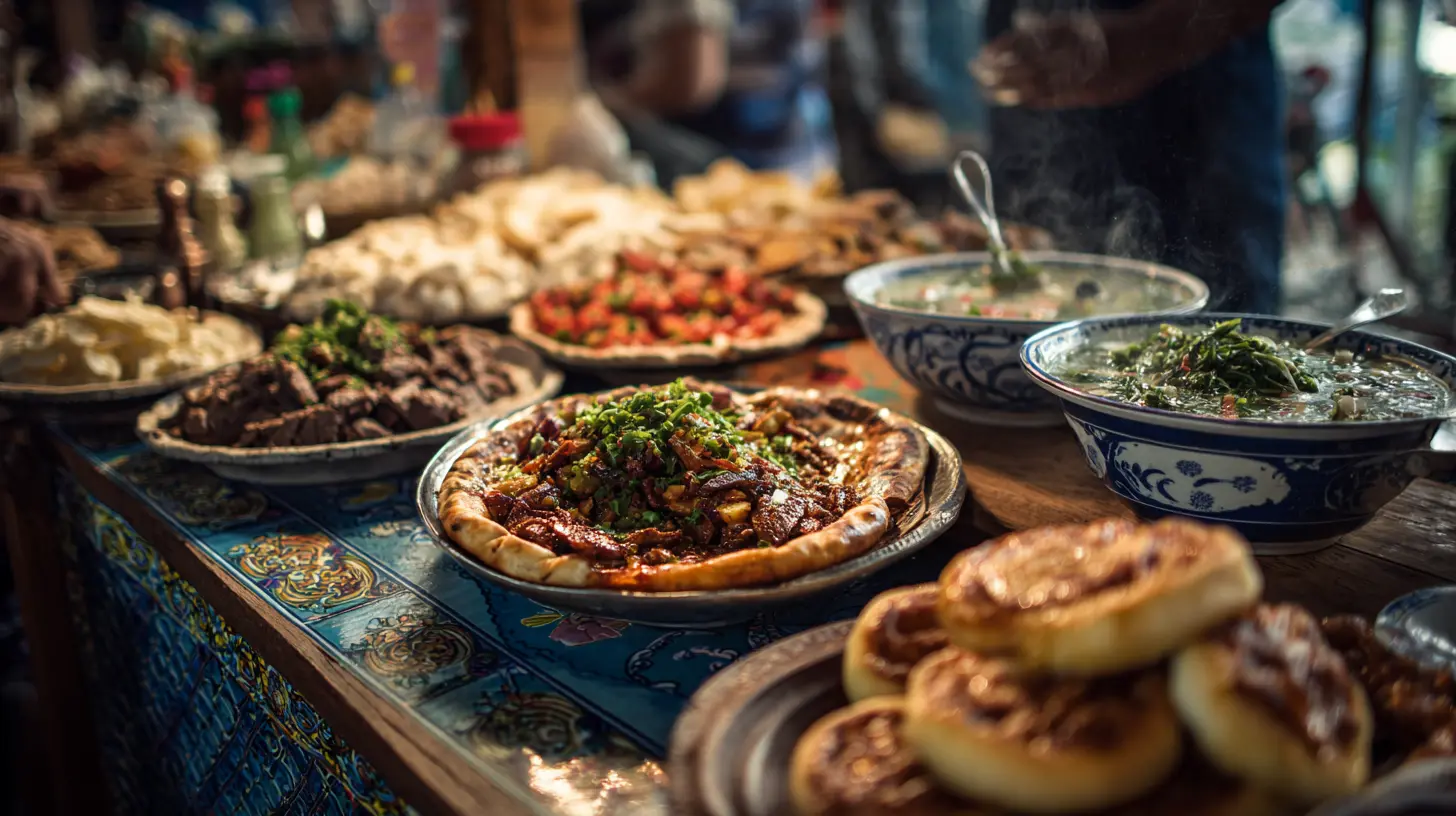
I have a rule. When I land in a new city, I avoid the hotel restaurant. I avoid the tourist strip. I head straight for the market. Why? Because the market is the city's living room. It is loud, messy, and honest. In 2027, markets are having a renaissance. They are not just places to buy ingredients anymore. They are social hubs, cooking schools, and the best places to eat a meal that tastes like the earth it came from.Take the Mercado de la Boqueria in Barcelona. Yes, it is crowded. Yes, there are tourists. But if you push past the first few stalls of sangria and overpriced paella, you find the real heart. I sat at a tiny counter at El Quim de la Boqueria last spring. The cook, a man with hands that looked like they had been through a thousand fires, slid a plate of fried artichokes and a single, perfect egg in front of me. It cost eight euros. The yolk ran into the crispy leaves, and I nearly cried. It was not fancy. It was true.
Then there is the Or Tor Kor Market in Bangkok. It is less famous than Chatuchak, but in my opinion, it is better. The fruit alone is a religious experience. Have you ever tasted a mango so sweet it feels like liquid sunshine? Or a rambutan so fresh it snaps open in your hands? In 2027, more travelers are skipping the temples and spending entire mornings here, eating boat noodles and grilled fish, watching locals shop for their dinner. It is a form of meditation.
Markets teach you humility. They remind you that great food does not need a white tablecloth. It needs heat, time, and love. And in a world that is moving faster every day, sitting on a plastic stool in a crowded market, eating something that was alive an hour ago, is a radical act of presence.
The Street Cart: A Two-Dollar Masterpiece
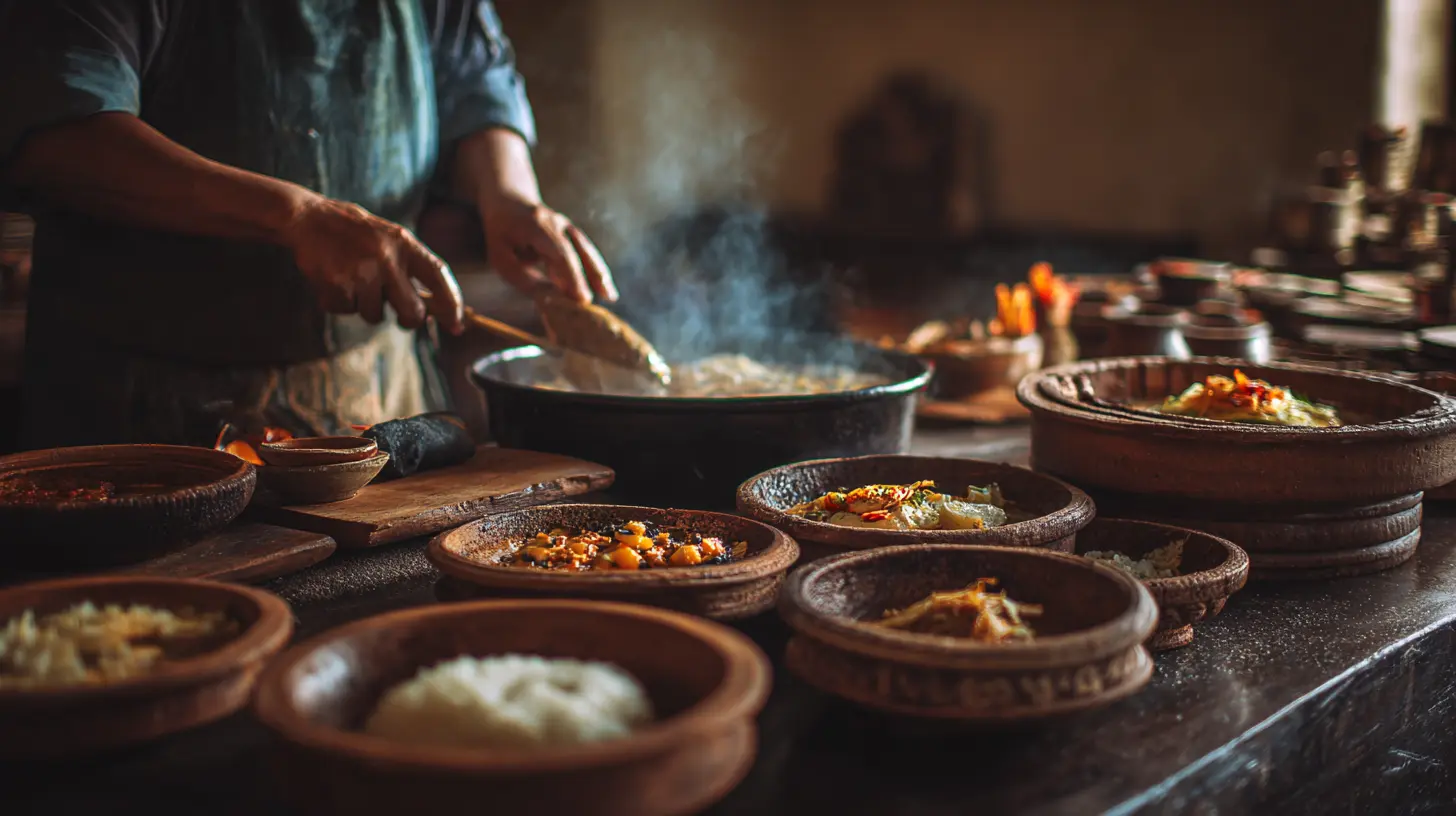
Let me be honest with you. Some of the best meals I have ever eaten came from a cart with a squeaky wheel. In 2027, street food is not just for backpackers. It is for everyone. The Michelin guide started paying attention years ago, and now, some of the most sought-after meals in the world are served on a sidewalk.I remember a night in Mexico City, at a taco stand called El Huequito. The line was thirty people deep. No one was complaining. We stood in the dark, the smell of charred meat filling the air. When I finally got my order, the taco was simple: a small tortilla, some al pastor, a slice of pineapple, a squeeze of lime. It was the most perfect thing I have ever put in my mouth. The balance of sweet, savory, and acidic was a symphony. And the best part? It cost less than a cup of coffee in my hometown.
Street food is the ultimate equalizer. A billionaire and a backpacker can stand next to each other, eat the same thing, and have the same expression on their faces. That is rare. That is beautiful.
In 2027, we are seeing a new wave of street food that blends tradition with innovation. In Seoul, you can find vendors selling kimchi-stuffed croissants. In Istanbul, they are putting clotted cream on simit and calling it a breakfast sandwich. It is chaos. It is delicious. And it is exactly what travel should feel like.
The Hole-in-the-Wall: Where the Locals Go
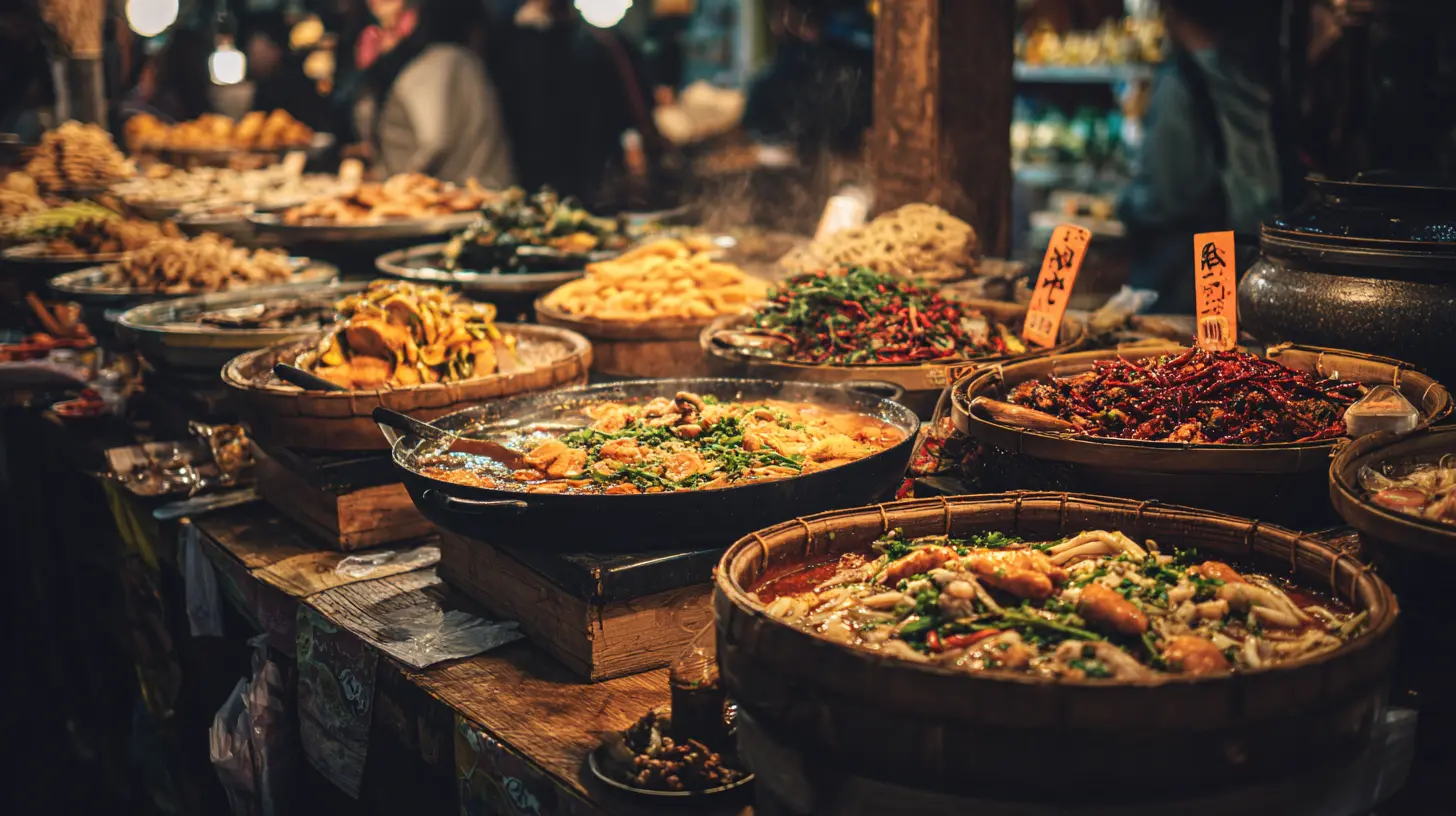
You know the place. The one with no sign. The one where the menu is written on a whiteboard in a language you do not speak. The one where the owner looks at you like you are lost, then shrugs and hands you a bowl of something brown and steaming. That is the hole-in-the-wall. And in 2027, these are the hardest tables to get.Why? Because everyone is looking for them. Social media has made the secret not so secret. But the real gems are still there. You just have to know how to find them. My trick? I ask a taxi driver. Or a hotel concierge who looks bored. Or the old man sweeping the sidewalk. I say, "Where do you eat?" Not where do tourists eat. Where do you eat.
That is how I found a tiny dim sum shop in Hong Kong last year. It was in a basement. The chairs were plastic. The tea was bitter. And the har gow (shrimp dumplings) were so translucent you could see the pink of the shrimp through the wrapper. The chef was a woman in her seventies. She did not smile. She did not need to. Her food did the talking.
These places are vanishing. Rent is rising. Old chefs are retiring. So if you find one, cherish it. Eat slowly. Take a picture of the owner, not just the food. Because in ten years, it might be gone. And you will want to remember the way the steam felt on your face.
The Michelin Star: A Different Kind of Magic
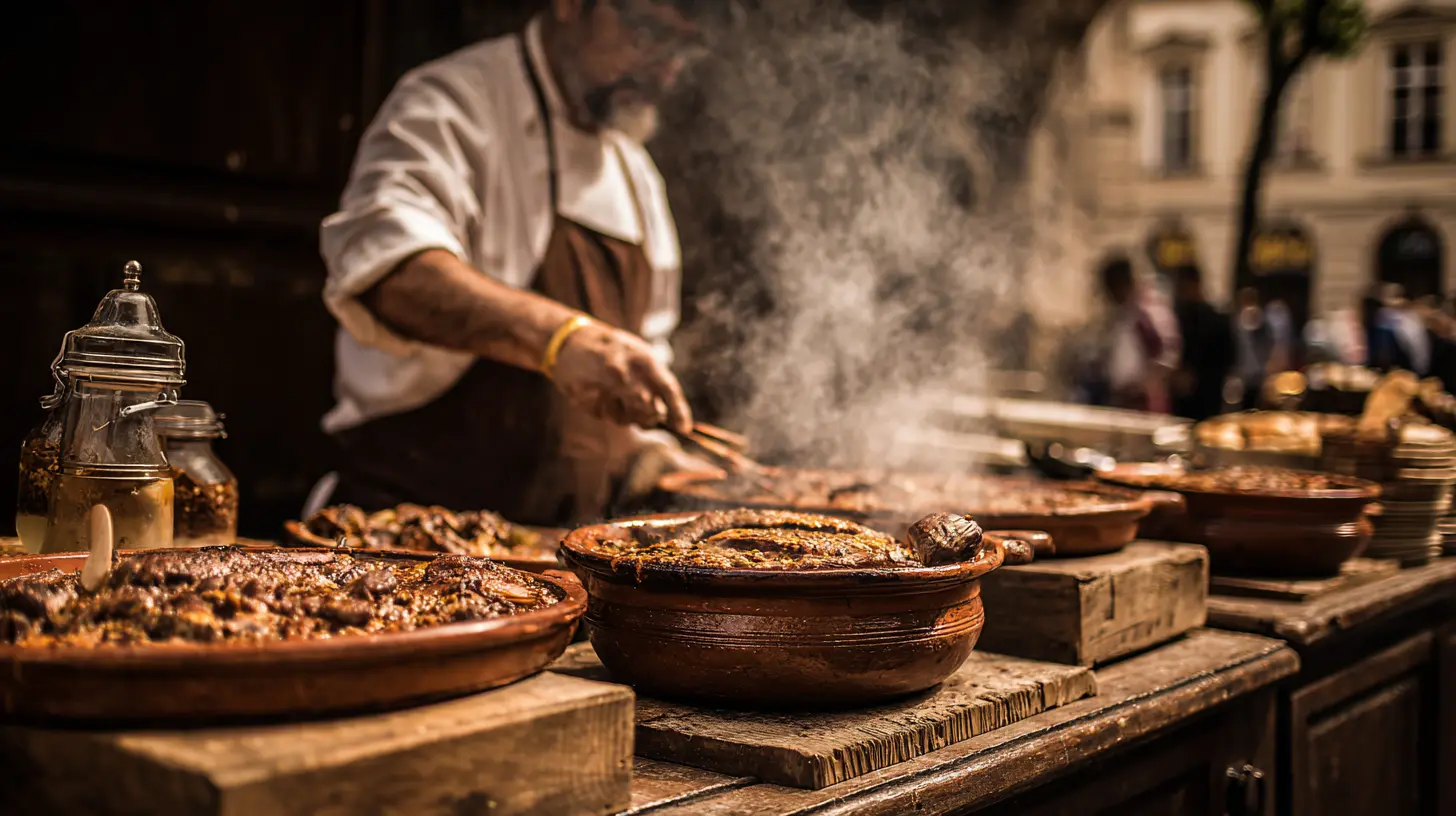
Now, let us climb the ladder. Let us talk about the temples. In 2027, Michelin-starred restaurants are not just about luxury. They are about storytelling. The best chefs are using local ingredients, ancient techniques, and modern science to create something that has never existed before.I will never forget a meal at a three-star restaurant in the Basque Country. It was an experience, not a dinner. The room was silent. The servers moved like ghosts. Each course was a painting. There was a dish that looked like a pebble on a beach. It was actually a frozen foie gras covered in ash. It melted on my tongue and tasted like the forest after rain. I do not know how they did it. I do not care. I just know I felt something.
But here is the thing about Michelin dining in 2027. It is getting more approachable. Many top chefs are opening casual spots. They are doing lunch specials. They are selling takeaway. The old idea of a stuffy, unaffordable restaurant is dying. Now, you can eat a world-class tasting menu for the price of a nice dinner out. You just have to book three months in advance.
Is it worth it? That depends. If you are looking for comfort, maybe not. Michelin food challenges you. It asks questions. It plays with your expectations. But if you are open to being surprised, if you are willing to let a chef take you on a journey, then yes. It is worth every penny.
The Fusion Frontier: When Worlds Collide
2027 is the year of the mash-up. Not the gimmicky kind, where someone puts sushi on a taco and calls it fusion. I mean the thoughtful, respectful blending of cuisines that creates something entirely new.Think about Lima, Peru. The Nikkei cuisine there is not just a trend. It is a culture. Japanese immigrants brought their techniques, and Peruvians brought their ingredients. The result is ceviche with a soy-sesame twist, or tiradito with aji amarillo. It is not Japanese. It is not Peruvian. It is both. And it is magnificent.
Or consider London. In 2027, the city is a melting pot. You can find Korean fried chicken served with Indian chutneys. You can find a Nigerian jollof rice risotto. The chefs are not afraid to mix things up because the diners are not afraid to try. And that is the beauty of travel. It makes you brave.
I had a meal in Melbourne last fall that still haunts me. It was a Vietnamese-inspired pho, but the broth was made with roasted bones and the noodles were hand-pulled like Chinese la mian. It was served with a side of pickled daikon and a dollop of sriracha aioli. It should not have worked. It worked perfectly. That is fusion done right.
The Home Kitchen: The Ultimate Invitation
Finally, let me tell you about the most memorable meal of my 2027 travels. It was not in a market. It was not in a Michelin-starred room. It was in a home.I was in Marrakech. A friend of a friend invited me to her family's house for dinner. We sat on cushions on the floor. Her mother brought out tagine after tagine. Lamb with prunes. Chicken with preserved lemons. Vegetables slow-cooked until they were velvet. There was no menu. There was no wine list. There was just food and laughter and a hundred questions about my life.
That meal taught me more about Morocco than any museum ever could. Because when you eat in someone's home, you are not just tasting their food. You are tasting their history. Their love. Their daily life. And that is a flavor you cannot find in any restaurant.
In 2027, more travelers are seeking these experiences. Platforms that connect you with local home cooks are booming. And I think that is wonderful. Because the best way to understand a culture is to sit at its table.
How to Eat Your Way Through 2027
So, how do you do it? How do you go from markets to Michelin without losing your mind or your budget? Here is my advice.First, do your research. But not too much. Leave room for serendipity. Some of the best meals I have had were accidents. I got lost. I was hungry. I walked into a random place. And it was magic.
Second, talk to people. The waiter. The person next to you at the counter. The vendor. Ask them what they love. Ask them what they would eat if they had one meal left. People love to share their food. Let them.
Third, be brave. Eat the thing you cannot pronounce. Eat the thing that looks weird. Eat the thing that is spicy. Your taste buds are not going to shrivel up. They are going to expand.
Fourth, take notes. Not for social media. For yourself. Write down what you ate, where, and how it made you feel. Because years from now, you will forget the details. But if you write them down, you can taste them again.
The Last Bite
Food is the shortest path to understanding a place. It is a language everyone speaks. In 2027, the world is more connected than ever, but we are also more divided. Food bridges that gap. When you share a meal with someone, you are saying, "I see you. I respect you. I want to know you."From the sizzling woks of Bangkok to the silent kitchens of San Sebastian, from a grandmother's tagine in Marrakech to a molecular gastronomy lab in Copenhagen, the journey is the point. So go. Eat. Be messy. Be refined. Be hungry for more.
Because the best travel souvenir is not a keychain. It is a memory of a taste. And those are the ones that last forever.
all images in this post were generated using AI tools
Category:
Culinary TravelAuthor:

Tracie McAdams
Discussion
rate this article
1 comments
Elijah McLemore
Exploring local markets offers authentic flavors that often surpass Michelin experiences abroad.
May 9, 2026 at 3:07 AM