Food Trails Worth Following on Your Next Trip in 2026
13 May 2026
You know that feeling when you bite into something so good it stops a conversation mid-sentence? That moment of pure, unapologetic joy is why we travel. Sure, landmarks are nice and sunsets are pretty, but food-real, honest, street-level food-is the shortcut to a culture's soul. By 2026, the old bucket lists of "see the Eiffel Tower" or "snap a selfie at Angkor Wat" are getting a serious upgrade. People are chasing flavors, not just views. They're following trails of steam rising from market stalls, not just GPS coordinates. So, if you're planning your next big trip, forget the guidebook for a second. Let me walk you through the food trails that will actually make your 2026 unforgettable.
Why Food Trails Beat Tourist Traps Every Time
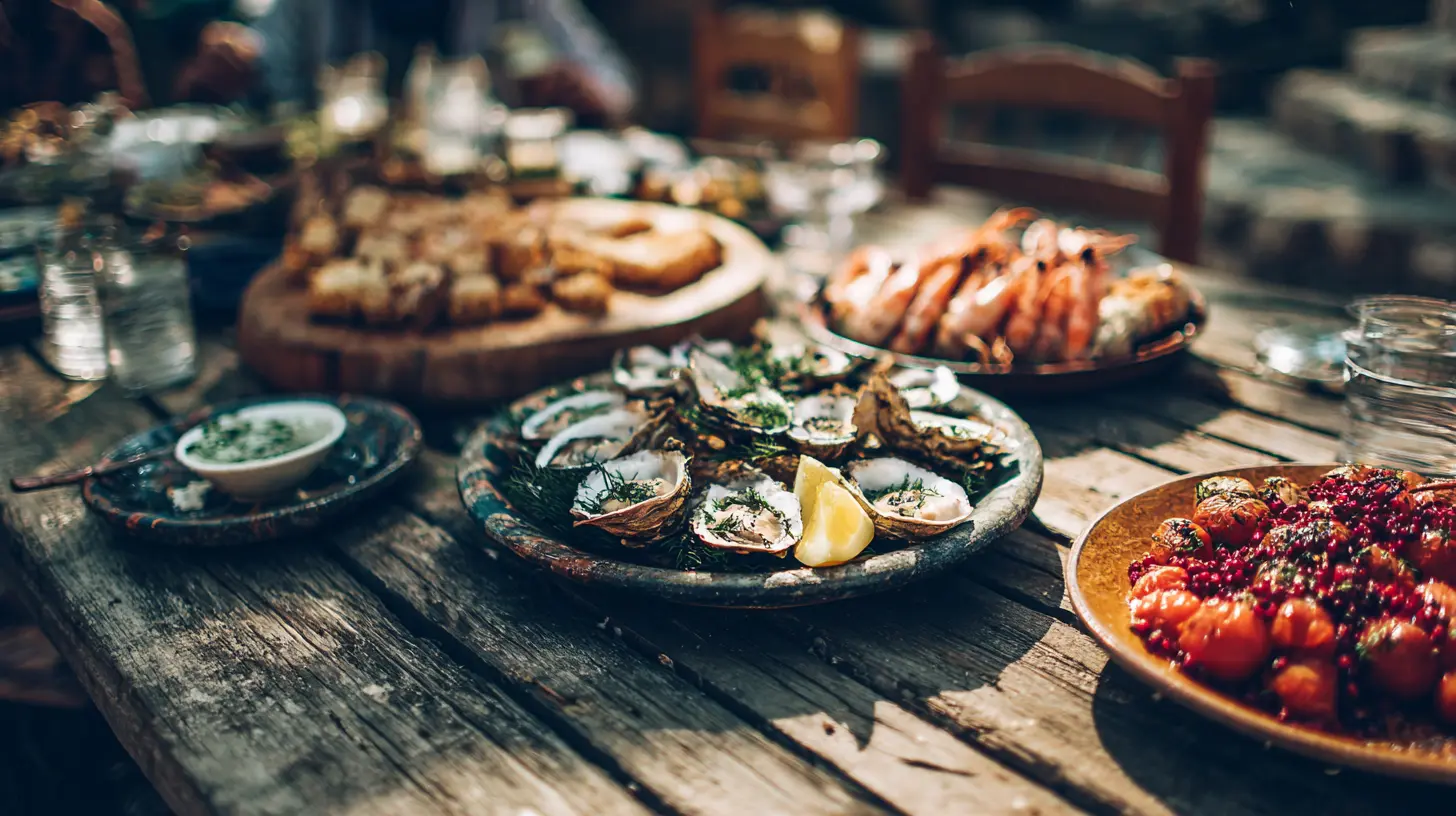
Let's be real. How many cathedrals can you stare at before your stomach starts growling? Food trails are the anti-tourist trap. They force you to slow down, talk to strangers, and get lost in neighborhoods you'd never find on a map. Think of a food trail as a treasure hunt where the prize is a bowl of noodles or a perfectly charred skewer. It's not about ticking boxes; it's about tasting moments. When you follow your nose instead of a checklist, you end up with stories, not just photos. And in 2026, that's what everyone wants-authentic, messy, delicious memories.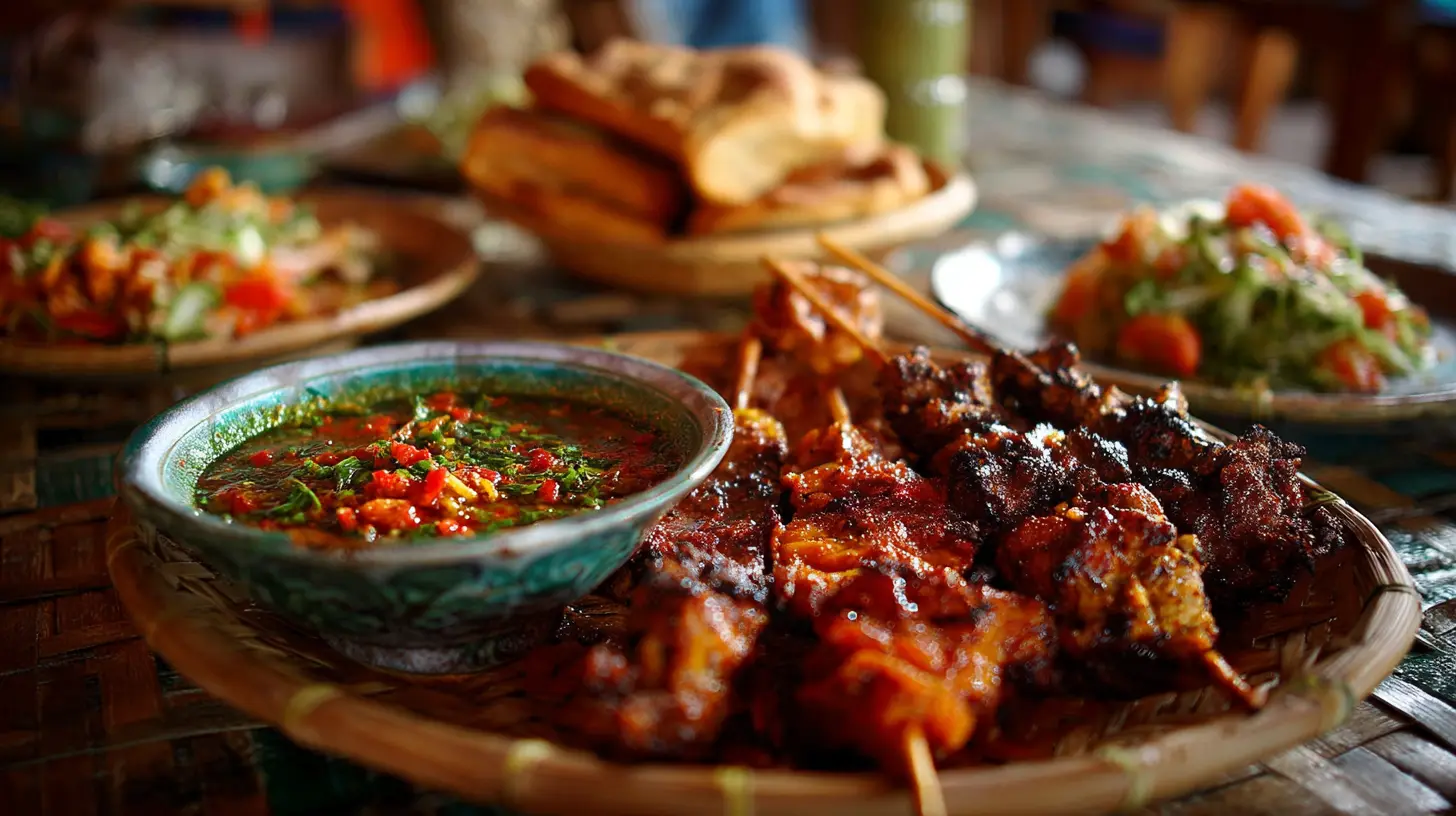
The Northern Thai Street Food Loop: Chiang Mai to Chiang Rai
Thailand is a classic, but I'm not talking about pad thai from a Bangkok food court. I'm talking about the North. In 2026, the real magic happens on the road from Chiang Mai to Chiang Rai. This isn't a straight line; it's a lazy, winding loop through misty mountains and tiny villages. Start your morning in Chiang Mai at a khao soi stall. That curried coconut noodle soup with crispy egg noodles on top? It's a hug in a bowl. Don't just eat it-watch the vendor fry the noodles fresh. Ask her how long she's been at it. She'll probably smile and say "longer than you've been alive."Then, drive north. Stop at a roadside stall that sells nothing but sai oua-that herby, spicy Northern Thai sausage. It's grilled over charcoal, and the smell will hit you a mile away. Grab a sticky rice bundle and some fresh chili dip. Eat it with your hands. In 2026, the trend is "low intervention" eating-food that hasn't been messed with. This is it.
End your loop in Chiang Rai, but skip the fancy restaurants. Head to the night market near the clock tower. Find the lady with the biggest wok and the smallest smile. She makes khao kha moo-braised pork leg so tender it falls apart when you look at it. Pour the gravy over rice, add a pickled egg, and thank me later. This trail isn't just about eating; it's about understanding how Thai food changes with every kilometer. The further north you go, the less sugar and more herbs you get. It's a geography lesson you can taste.
The Oaxaca Mole Pilgrimage: A Journey Through Seven Flavors
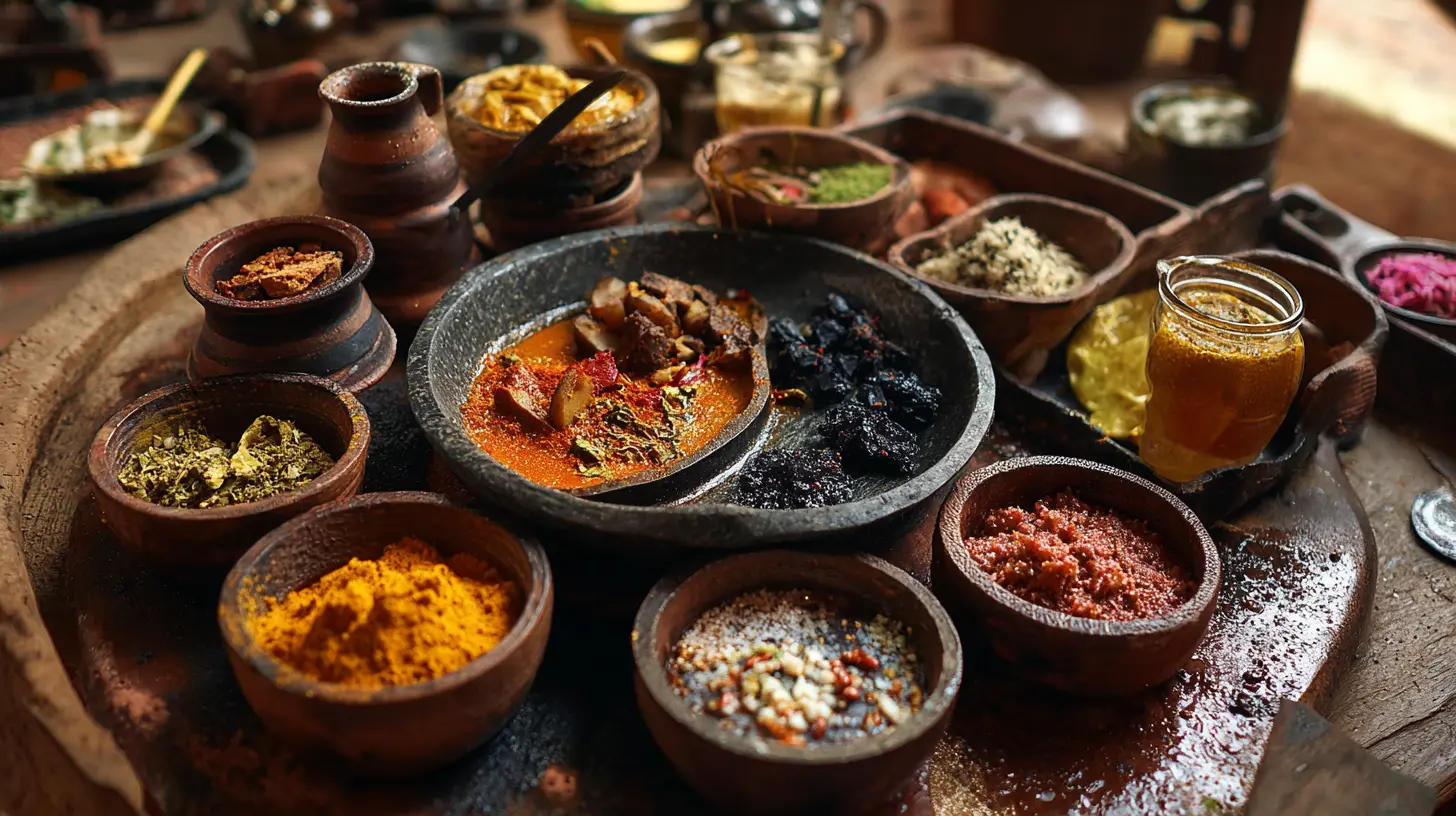
If you think mole is just a sauce, you haven't been to Oaxaca. In 2026, this is the food trail for people who believe that cooking is alchemy. Oaxaca is the mole capital of the world, but here's the thing-there isn't just one mole. There are seven classic types, from the dark, almost bitter mole negro to the sweet, fruity mole coloradito. And the best way to try them all? Walk.Start in the city of Oaxaca at the Mercado de Abastos. It's chaotic, loud, and smells like a thousand different things burning and simmering at once. Find a stall that sells mole amarillo-it's the one with a slightly yellow tint and a kick of heat. Don't be shy; ask for a taste. The vendor will probably dip a piece of tortilla in it and hand it to you with a nod. That's the Oaxacan handshake.
Then, take a short bus ride to the village of Santa Maria Atzompa. This is where the clay pots come from, and where the mole negro is king. You'll see women grinding cacao and chilies on stone metates, a process that hasn't changed in centuries. The mole here is deep, complex, and takes days to make. One spoonful and you'll understand why locals say it's not a recipe-it's a prayer.
Finish your pilgrimage in the town of Tlacolula. On Sundays, the market explodes with life. Find the mole rojo-the red one that stains your lips. Eat it over a fresh tlayuda, which is basically a giant, crispy tortilla. The key to this trail is patience. You're not rushing from dish to dish; you're letting each mole tell its story. By the end, you'll never look at a jar of store-bought sauce the same way again.
The Sicilian Granita Crawl: From Palermo to Catania
Italy is never out of style, but in 2026, the food trail to follow isn't about pasta or pizza. It's about granita. Yes, the frozen dessert. But not the sugary, artificial stuff you find in tourist cafes. I'm talking about the real Sicilian granita-a semi-frozen, chunky, intense flavor bomb that locals eat for breakfast. Yes, breakfast.Start in Palermo at dawn. Find a bar that has a line of old men in suits standing outside. That's your sign. Order a granita di mandorla (almond) with a fresh brioche on the side. Dip the brioche into the granita. It's the best breakfast you'll ever have-sweet, nutty, and cold, all at once. The texture is key: it should be icy but creamy, like snow that's been kissed by a machine.
Now, drive east along the coast. Stop in Cefalu for a granita al limone. The lemons here are so fragrant they smell like perfume. The vendor will squeeze them right in front of you. No shortcuts. In Messina, try the granita alla fragola (strawberry), but only if it's deep red and tastes like summer. If it's pale and sweet, walk away.
End in Catania, where the granita game is serious. Go to a spot called Pasticceria Savia. Get the pistachio granita. It's not green like you'd expect; it's a dusty, earthy brown. That's real pistachio. The flavor is nutty, almost savory, and it'll ruin you for any other frozen treat. This trail works because it's a race against time. Granita melts fast. You have to eat it immediately, standing up, maybe with a plastic spoon. It's a lesson in living in the moment, one icy spoonful at a time.
The Hanoi Pho Trail: Beyond the Tourist Quarter
Everyone knows pho. But do you know pho? In 2026, the real trail starts far from Ho Chi Minh's mausoleum and the crowded Old Quarter. It starts in the maze of alleys behind Hanoi's train tracks. This is where the pho purists hide.Your first stop is a place that doesn't have a name. It's just a woman, a pot, and a few plastic stools on a sidewalk. She serves pho bo-beef pho-but she only makes one broth. It's clear, not cloudy. It's simmered for 12 hours with charred onions and ginger. No MSG, no shortcuts. She'll ask how you like your beef: rare and sliced thin, or well-done and falling apart. Get the rare. Dip it in the broth for three seconds. That's it. The magic is in the simplicity.
Next, walk to a place that serves pho ga-chicken pho. This is a different animal. The broth is lighter, almost floral, with a hint of lemongrass. The chicken is poached, not boiled, so it's silky. Add a squeeze of lime and a few mint leaves. In 2026, the trend is "hyper-local," and this is it-a dish that changes from street to street.
Finally, end your trail at a spot that serves pho chien phong-fried pho. It's a crispy, pan-fried noodle cake topped with a thick, savory gravy and beef. It's not traditional, but it's genius. The locals love it, and that's your cue. The key to this trail is following the steam. When the weather turns cool in Hanoi (usually from November to March), the steam from pho pots rises like signals. Follow them. They'll lead you to the best bowls of your life.
The Tokyo Ramen Alley Marathon: Shoyu, Miso, Tonkotsu, and Beyond
Tokyo in 2026 isn't about sushi. It's about ramen, and not just any ramen-it's about the four main styles, each with its own alley, its own vibe, and its own obsessive master. This is a marathon, not a sprint. You'll need a plan.Start in the Yanaka district for shoyu (soy sauce) ramen. This is the old-school style, with a clear, brown broth that tastes like liquid umami. The noodles are thin and straight. The topping is a simple slice of chashu (braised pork) and a half-cooked egg. The shop might have only eight seats. You'll eat fast and leave. That's the point.
Then, head to Shinjuku for tonkotsu (pork bone) ramen. This broth is thick, creamy, and almost milky white. It's been boiled for 18 hours until the collagen breaks down. It's so rich it sticks to your lips. The noodles are thin and firm. Add some pickled ginger and sesame seeds. This is ramen as a hug from a very intense friend.
Next, take the train to Sapporo-yes, the city, but you can find Sapporo-style miso ramen in Tokyo too. Look for a shop that roasts the miso paste before adding it to the broth. The result is a nutty, slightly sweet, and deeply savory bowl. It's perfect for cold days. Top it with butter and corn, which sounds weird but works.
Finish in Ikebukuro for tsukemen-dipping noodles. The broth is separate, super concentrated, and served hot. The noodles are thick and cold. You dip, you slurp, you repeat. It's interactive, messy, and absolutely addictive. By the end of this marathon, you'll have a new respect for the artistry of a single bowl of soup. And you'll probably need a nap.
The Kerala Spice Trail: From Cochin to the Backwaters
India is a sensory overload in the best way. But in 2026, skip the usual curry circuit and head to Kerala for a spice trail that's both literal and metaphorical. This isn't just about eating; it's about understanding where flavor comes from.Start in the spice markets of Cochin (Kochi). The air is thick with cardamom, clove, cinnamon, and black pepper. It smells like a thousand years of trade. Buy a small bag of fresh peppercorns-they're green and soft, not dry and hard. Chew one. It's like a flavor bomb that explodes in your mouth. The heat is immediate but fades fast. That's real pepper.
Then, take a houseboat into the backwaters. The food here is simple-fresh fish caught that morning, cooked in coconut milk with turmeric and curry leaves. You'll eat on the deck as the sun sets over the palm trees. It's a cliche, I know, but it's a cliche for a reason. The fish is so fresh it tastes like the ocean. The spices are so fragrant they make your eyes water.
End your trail in the hills of Munnar, where the tea plantations stretch to the horizon. But skip the tea for a moment. Find a local family that will cook you a traditional sadya-a vegetarian feast served on a banana leaf. There are 20 dishes, from spicy pickles to sweet payasam (a rice pudding). You eat with your right hand, mixing everything together. It's chaotic, messy, and perfect. This trail works because it connects you to the land. You see the pepper vines, smell the cardamom pods, and taste the sea. It's food with a backstory.
The Marrakech Souk Circuit: Sweet, Sour, and Spicy All at Once
Marrakech is a maze, and the souk is its heartbeat. In 2026, the food trail here is about following your senses, not a map. Get ready to get lost.Start at Jemaa el-Fnaa square as the sun goes down. The smoke from hundreds of food stalls rises like a fog. Find the snail soup stall. Yes, snails. They're boiled in a broth of thyme, aniseed, and cumin. You eat them with a toothpick, dipping the meat in the broth. It's warm, earthy, and oddly comforting. Don't skip it.
Then, dive into the souk's narrow alleys. Look for a man with a cart full of dates. He'll let you taste three kinds: medjool (soft and caramel-like), deglet noor (firm and sweet), and a local variety that's almost dry. Buy a mix. Eat them as you walk.
Next, find a stall selling msemen-a flaky, buttery Moroccan flatbread. Get it stuffed with cheese and honey, or with spicy ground beef. It's street food at its finest. Wash it down with a glass of fresh orange juice. The oranges in Marrakech are so sweet they taste like candy.
End your circuit with a tagine. But not the fancy restaurant kind. Find a tiny spot where the tagine is cooked over charcoal, and the lid is sealed with dough. The meat is so tender it falls off the bone. The sauce is a mix of saffron, ginger, and preserved lemon. One bite and you'll understand why this dish is famous. The key to this trail is letting go. Don't try to find the "best" stall. Just follow the crowd, trust your nose, and eat what looks good. Marrakech rewards the curious.
Final Thoughts: Why 2026 Is the Year of the Food Trail
Look, travel is changing. We're tired of rushed itineraries and Instagram spots that feel empty. In 2026, the most meaningful trips are the ones that engage all your senses, and nothing does that like food. Following a food trail isn't just about eating; it's about connecting with people, understanding history, and slowing down. It's about letting a bowl of soup or a piece of grilled meat tell you a story that a museum plaque never could.So, pick a trail. Maybe it's the smoky sausages of Northern Thailand, or the icy granita of Sicily, or the spicy souk of Marrakech. Pack light, bring an empty stomach, and a curious mind. Trust the locals, eat with your hands, and don't be afraid to ask for a second serving. Because in the end, the best souvenirs aren't things you buy-they're the tastes you remember. And in 2026, the world is waiting to feed you.
all images in this post were generated using AI tools
Category:
Culinary TravelAuthor:

Tracie McAdams
Discussion
rate this article
1 comments
Zander Becker
Dive into those food trails in 2026! Discovering delicious dishes and local flavors is the best way to connect with a place. Pack your appetite and explore!
June 5, 2026 at 4:11 PM