Eat Like a Local: Food-Centric Adventures in 2026
22 April 2026
Forget the tired old checklist of monuments and museums. If you really want to understand the heartbeat of a place in 2026, you need to follow the scent of sizzling garlic, the steam rising from a street cart, and the sound of a cork popping in a family-run enoteca. Travel is undergoing a delicious revolution, moving from passive consumption to immersive participation. It’s no longer just about what you eat, but how, where, and with whom you eat it. This year, we’re diving fork-first into the philosophy of eating like a local. It’s a mindset, a treasure hunt, and the most direct route to a culture’s soul. Ready to turn your next trip into a flavor-filled narrative? Let’s dig in.
The 2026 Local-Eating Mindset: Beyond the "Hidden Gem"
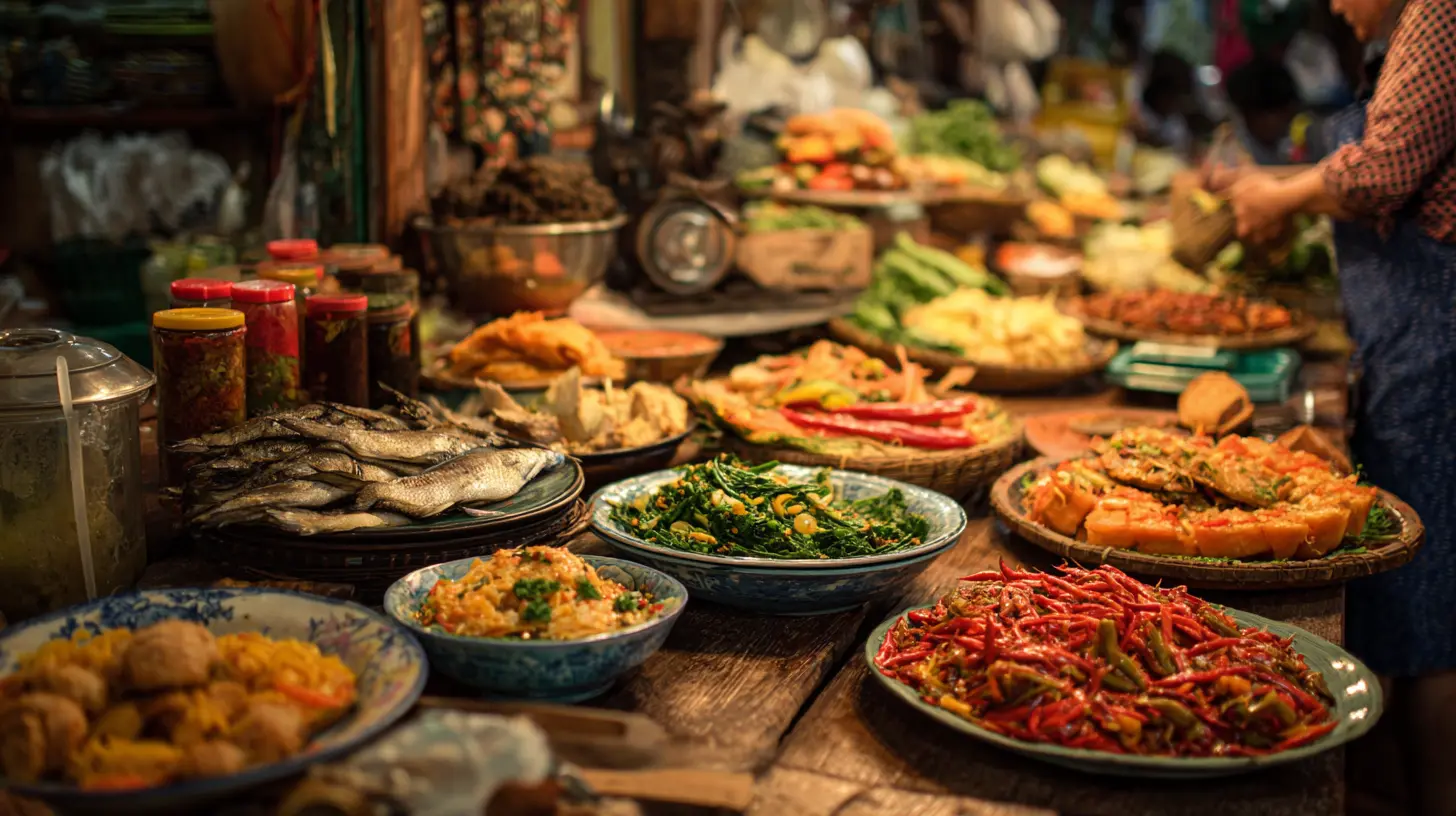
First things first, let’s bust a myth. "Eating like a local" in 2026 isn’t just about finding that one secret alleyway restaurant nobody knows about (though that’s part of the fun). It’s a holistic approach. Think of it as culinary anthropology. You’re not a tourist snapping a photo of your plate; you’re a temporary resident learning the edible language of a place.It’s about understanding the why behind the what. Why do Neapolitans eat fried pizza on Sundays? Why is fermented fish a staple in Stockholm? Why does a tiny town in Mexico have a specific taco for every day of the week? This curiosity transforms a meal from fuel to a story. In 2026, the most sophisticated travelers are those who value context as much as flavor. They know that a humble bowl of pho tastes infinitely better when you understand its history as a fusion of French and Vietnamese culinary traditions, often eaten for breakfast at a plastic stool table.
Your Toolkit for 2026's Flavor Frontiers
Gone are the days of relying solely on generic review apps. To eat authentically in 2026, you need a new set of tools—both digital and analog.The Digital Scout: Niche Apps & Hyper-Local Influencers
Algorithm-driven platforms are becoming more nuanced. Look for apps that focus on specific food cultures or regions. Instead of a broad "food" search, use apps dedicated to street food, natural wine bars, or sustainable seafood shacks. More importantly, follow local food journalists, chefs, and producers on social media, not just travel influencers. A cheesemaker in the Cotswolds or a forager in Oregon will lead you to truer experiences than any top-10 list.The Analog Compass: Markets, Queues, and Conversations
Your best tools are your senses and your courage. The market is your university. Spend a morning not buying, but observing. Where are the grandmothers shopping? Which stall has the longest line of locals at 7 AM? That’s your target. A queue is a universal sign of quality and tradition. And never underestimate the power of a simple question. Ask your Airbnb host where they go for coffee. Ask the fruit vendor what they’re having for lunch. This human algorithm is unbeatable.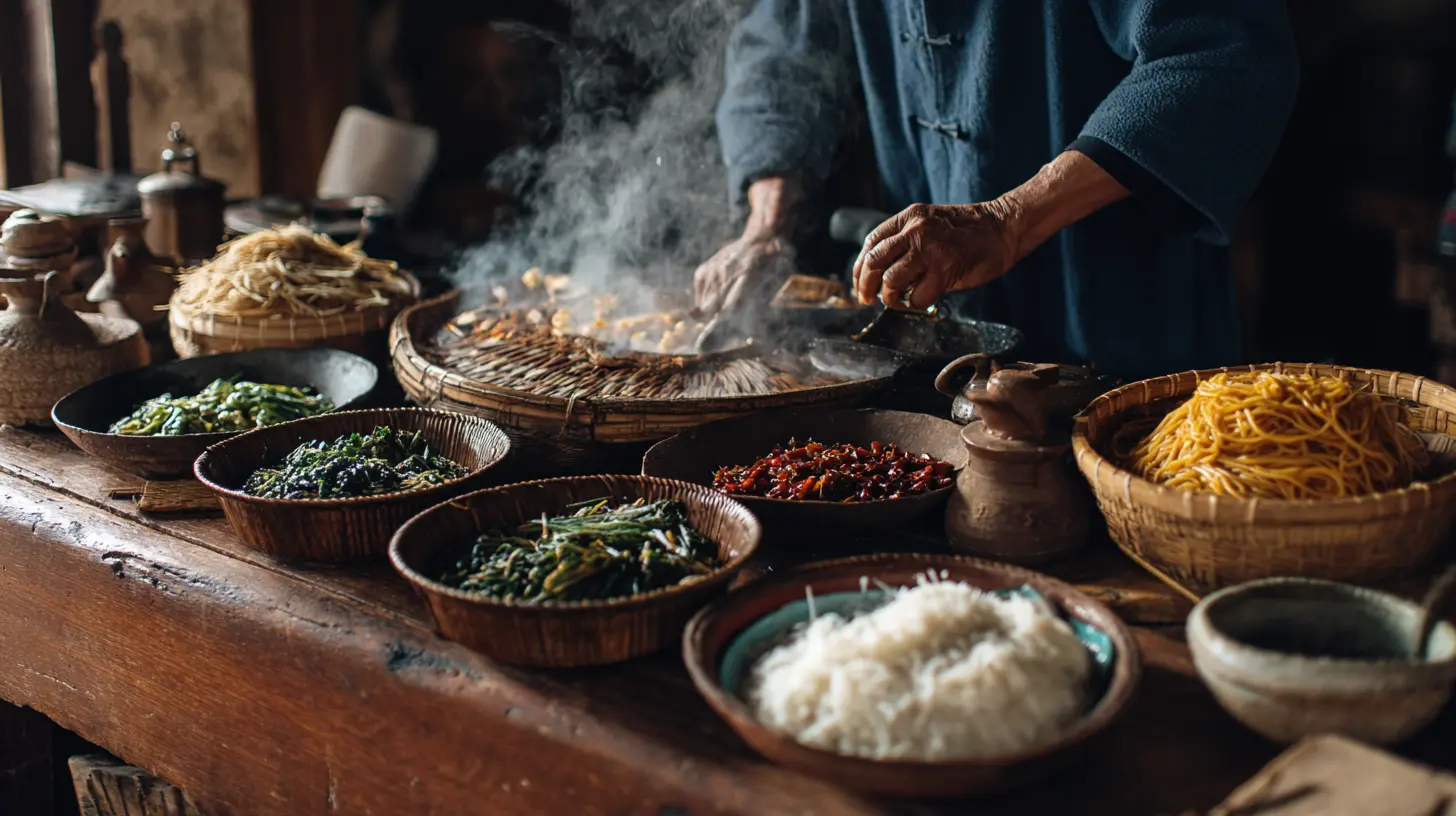
The 2026 Adventure Itinerary: From Passive to Participatory
So, what does a "food-centric adventure" actually look like next year? It’s active, hands-on, and often delightfully messy.The "Source to Table" Foray
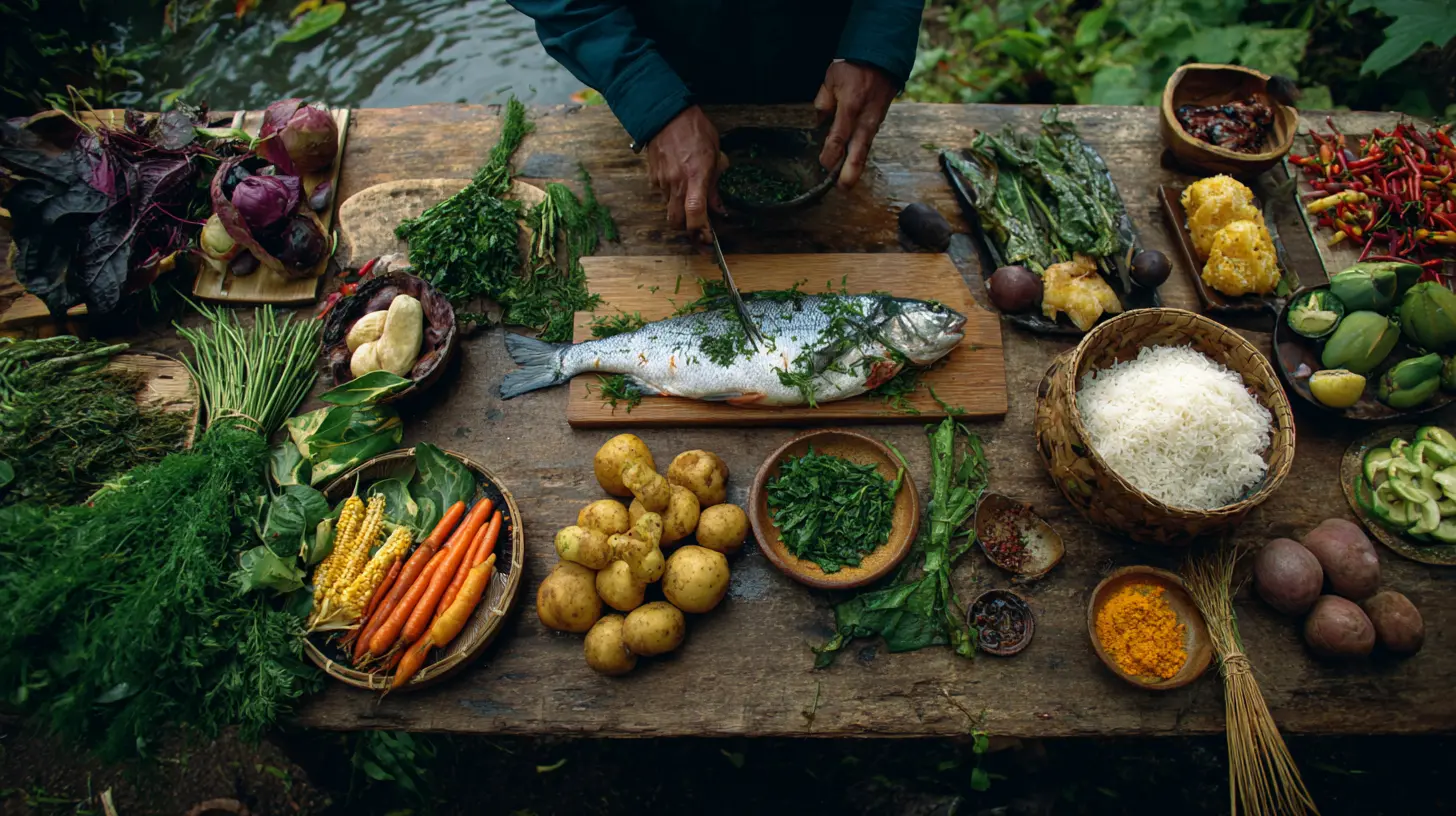
This is the ultimate deep dive. It’s not just a farm visit; it’s spending a day harvesting olives in Puglia, then following them to the frantoio (mill) to see them pressed, and finally enjoying a tasting with the oil still fresh and peppery on your tongue. In 2026, seek out experiences that connect the entire chain: fishing with a local skipper in Lisbon and grilling your catch on the boat; foraging for wild herbs in the Icelandic highlands with a guide who then teaches you to make a traditional soup. You don’t just taste the destination; you earn the meal.The Underground Supper Club & Home Dining Renaissance
The restaurant scene is getting intimate. Across the globe, a thriving network of home chefs and pop-up dinners is offering seats at their actual dining room tables. Platforms connecting travelers with these experiences are booming. Imagine learning to make khachapuri in a Tbilisi apartment, or sharing a rijsttafel in a Amsterdam townhouse. The conversation flows as freely as the wine, and you get a slice of domestic life no Michelin-starred kitchen can replicate. It’s the antithesis of tourist dining—it’s being a guest.The Micro-Neighborhood Crawl
Instead of trying to "do" a city’s food scene, pick one residential neighborhood and explore it on foot for a full day. Have breakfast at the local boulangerie, coffee at the square where old men play chess, a market lunch, an afternoon pastry from the place with the faded sign, and aperitivo at the unassuming bar. You’ll experience the daily culinary rhythm of life, away from the downtown bustle. You’re not hopping between "hot spots"; you’re living a day in the life.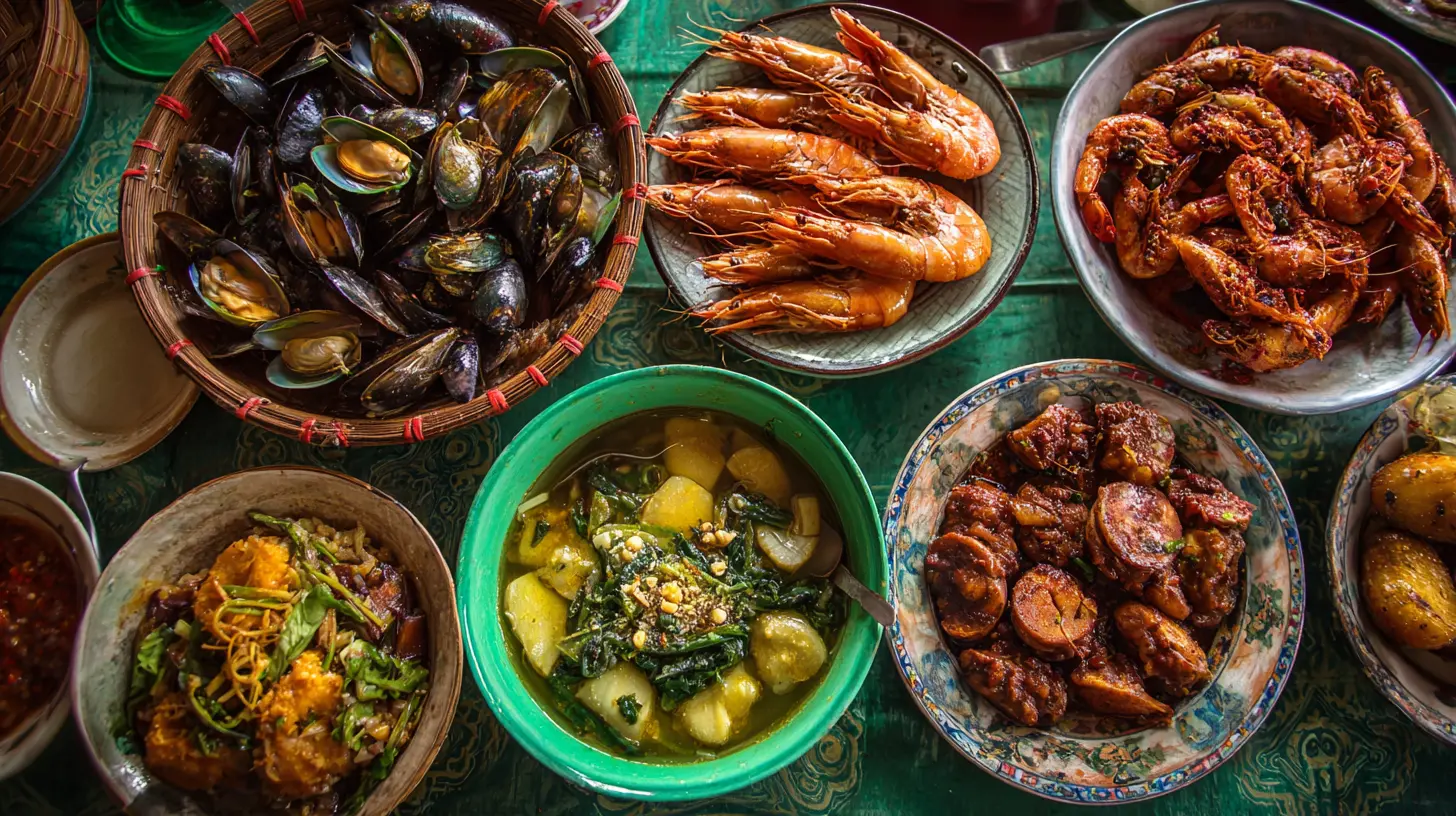
Navigating the Ethics of Eating Local in 2026
With great culinary power comes great responsibility. As this trend grows, we must be conscious participants.Sustainability Isn’t a Buzzword; It’s a Menu. Supporting local means supporting the ecosystem. Choose places that source from nearby farms and fishermen. Be mindful of over-tourism—if a tiny family restaurant is swamped, consider a similar spot a few streets over. Your discovery shouldn’t ruin the thing you came to experience.
Respect is the Main Course. You’re entering someone’s culture. Learn a few basic phrases ("thank you," "delicious"). Observe etiquette. Is it rude to tip here? Should you eat with your hands? A little research goes a long way. Remember, you’re there to appreciate, not to judge or demand alterations. That ultra-traditional dish that challenges your palate? That’s the point. Lean into the discomfort; it’s where the real adventure lies.
Future Flavors: What’s Simmering for 2026?
The landscape is always evolving. Here’s what’s on the rise:* Hyper-Local Ingredients & Revivalism: Chefs and communities are doubling down on heirloom varieties and nearly-lost recipes. Expect to see ancient grains, forgotten root vegetables, and preservation techniques like fermenting and curing taking center stage, not as trends, but as reclaimations of identity.
* The "Non-Restaurant" Restaurant: The lines will blur further. The best meal might come from a van in a hardware store parking lot, a bakery that does dinner twice a week, or a bookstore with a tiny kitchen. The focus is purely on the food and the community it builds.
* Tech-Enabled Tradition: Augmented Reality (AR) menus that show the story of your dish’s ingredients, or apps that provide real-time translation of a market vendor’s explanations, will enhance understanding without diluting the authentic experience.
Your Plate Awaits
In the end, eating like a local in 2026 is about embracing vulnerability and curiosity. It’s about choosing the dusty bottle of wine with no label over the familiar brand. It’s about getting lost and finding yourself at a counter stool next to a stranger who becomes a guide. It’s understanding that food is the oldest, most universal story we have.So, as you plan your journeys for the coming year, think less about destinations and more about flavors. Plot your route via bakeries, markets, and docks. Pack your appetite, your respect, and a willingness to say "I’ll try that." The world’s table is set, and a more profound, more delicious kind of travel is waiting for you. Just remember to bring a good stretchy pair of pants. You’re going to need them.
all images in this post were generated using AI tools
Category:
Culinary TravelAuthor:

Tracie McAdams
Discussion
rate this article
2 comments
Miles Ramirez
This article beautifully captures the essence of immersing oneself in local cuisine. Eating like a local not only satisfies the palate but also connects travelers with culture and community in unforgettable ways.
April 23, 2026 at 4:12 AM
Tracie McAdams
Thank you so much! That's exactly the spirit I hoped to convey—food truly is the heart of travel.
Cadence Jackson
In 2026, embracing local cuisine transcends mere consumption; it's a profound connection to culture and community. Each bite tells a story of history, passion, and tradition, inviting us to experience the world through its flavors. To eat like a local is to engage deeply with humanity's rich tapestry.
April 22, 2026 at 4:19 PM