Discover the World Through its Traditional Costumes
22 May 2026
Ever wondered what your clothes say about you? Well, in many parts of the world, traditional costumes do all the talking! They're like a cultural time capsule, stitched with history, identity, and just a touch of flair.
From kimono-wrapped elegance in Japan to the twirling, colorful skirts of Mexico, traditional outfits are way more than just fabric and thread—they tell stories, showcase heritage, and sometimes even bring a little drama (seriously, some of these costumes deserve their own fashion show).
So, grab your imaginary passport and let's take a fun-filled journey through some of the most iconic traditional outfits from around the world. 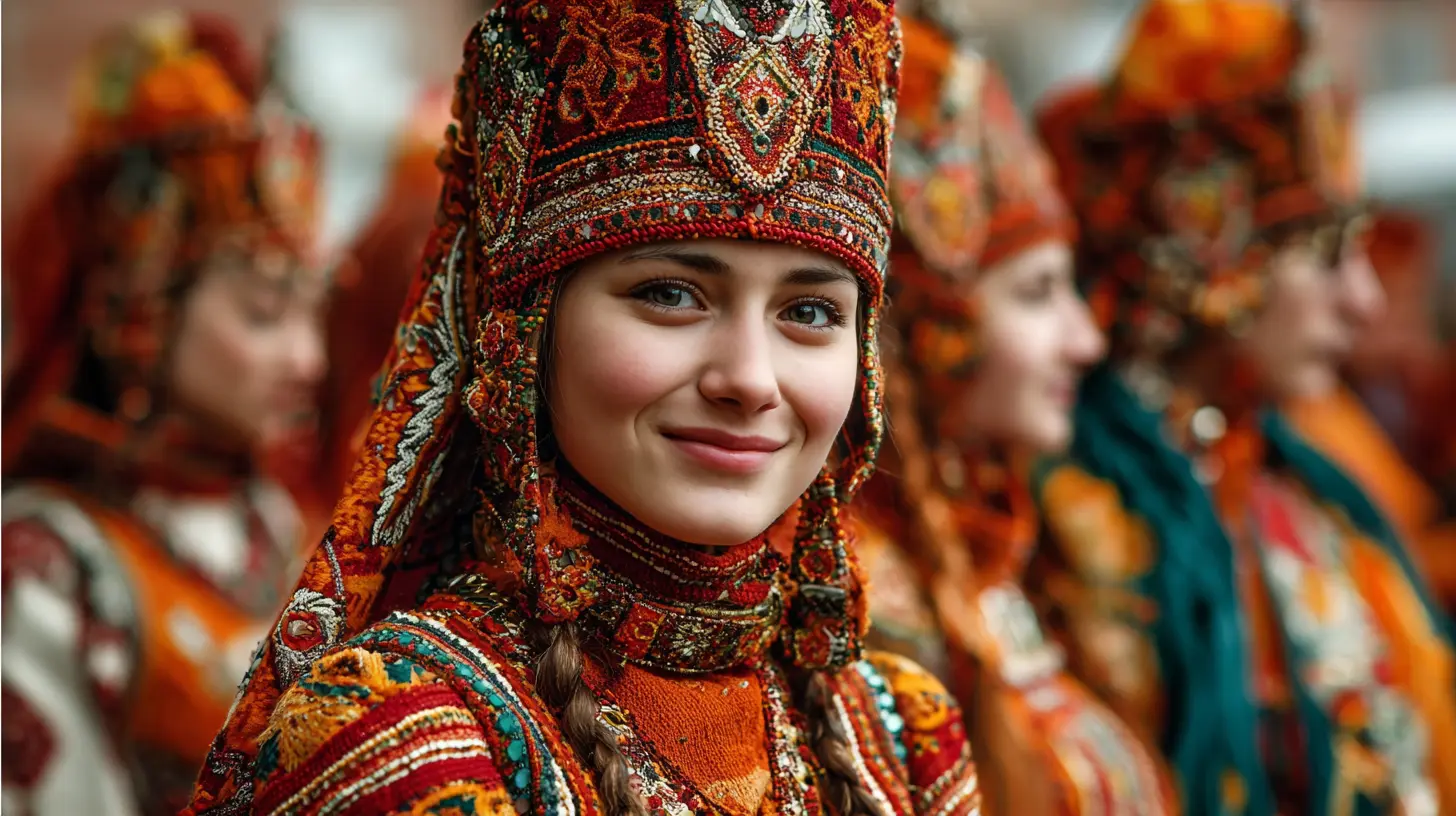
1. Japan – The Elegant Kimono
If fashion had royalty, the kimono would be the empress. This timeless Japanese outfit is the epitome of sophistication, with its flowing silk, intricate patterns, and an obi (that’s the fancy sash) that ties it all together—literally.Wearing a kimono is no joke. There are layers, precise folding techniques, and even different styles depending on the season and occasion. It’s kind of like assembling a fashionable puzzle, but once you get it right, you look effortlessly chic.
Fun fact: The word “kimono” literally means “thing to wear.” Talk about keeping it simple! 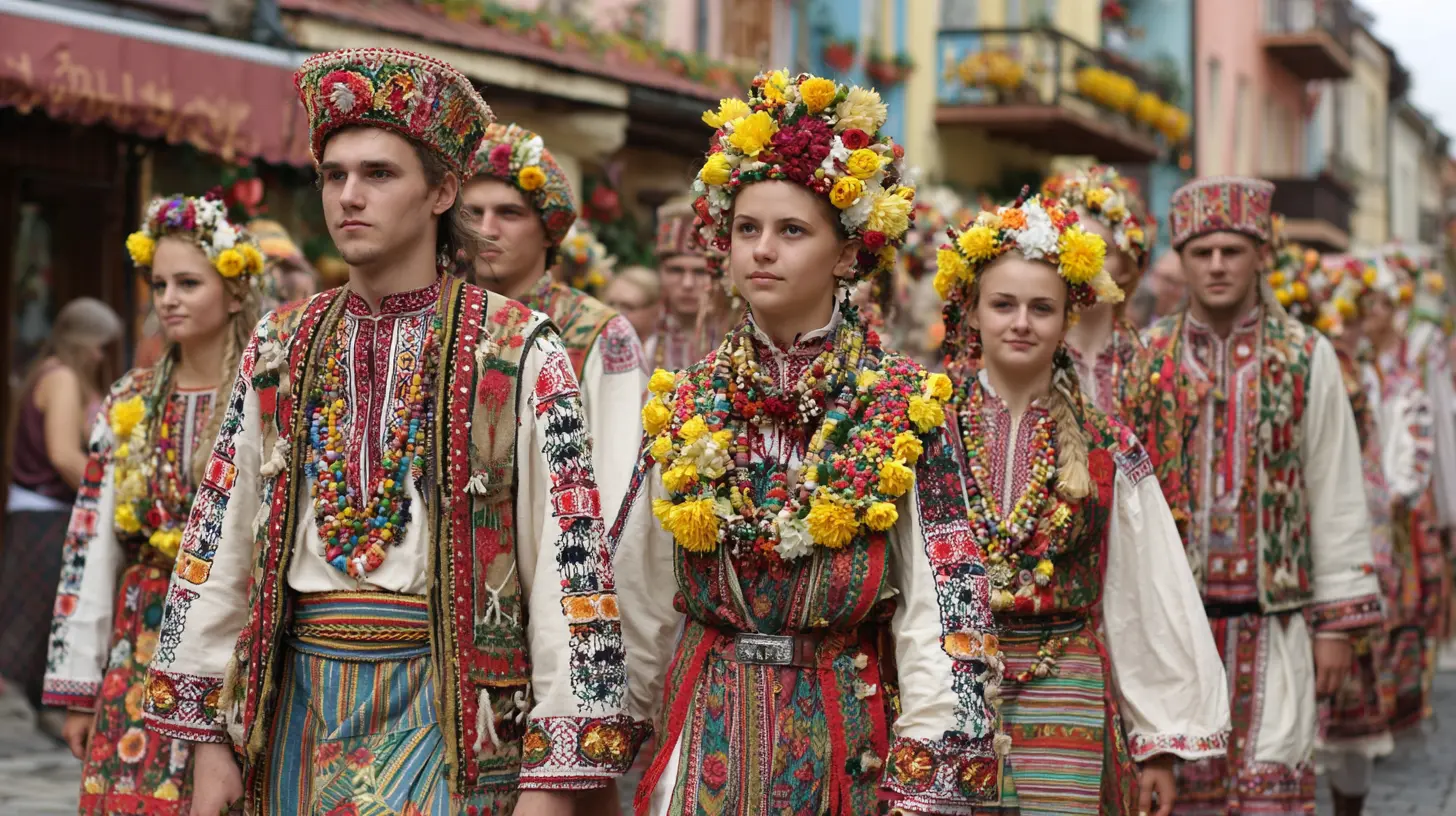
2. Scotland – The Mighty Kilt
Ah, the Scottish kilt, proof that skirts aren’t just for women. This manly ensemble has been worn for centuries, and despite what movies might suggest, it's more than just a woolen piece of fabric wrapped around the waist.Kilts were originally designed for warriors, providing freedom of movement while fighting off invaders (or just dancing at weddings). And yes, the age-old mystery of what’s worn underneath? Let’s just say... it’s a Scottish secret!
Pair it with a sporran (a fancy pouch), knee-high socks, and a bagpipe, and congratulations—you’re officially Scottish. 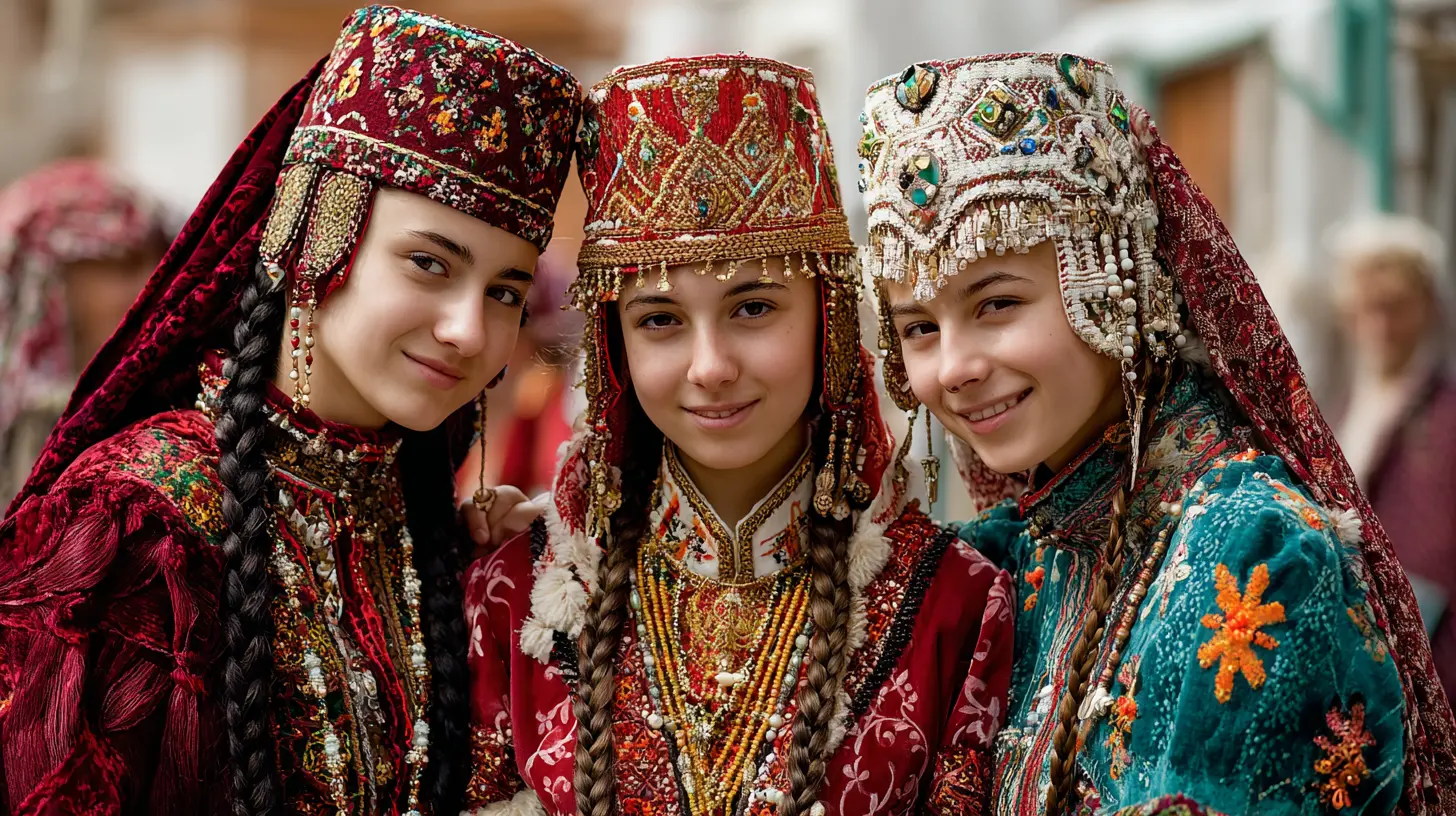
3. India – The Dazzling Saree and Dhoti
In India, traditional clothing is as diverse as the country itself. But if you really want to turn heads, the saree is a must-see masterpiece. It's a single piece of fabric—sometimes up to nine yards long—that's wrapped in a way that magically transforms anyone into a vision of grace.And let’s not forget the men! The dhoti is the breeziest outfit out there—a simple, unstitched cloth wrapped around the waist and legs. It’s like ancient loungewear but with serious cultural swag.
Whether you’re twirling in a saree or confidently striding in a dhoti, one thing’s for sure—Indian traditional outfits never go out of style. 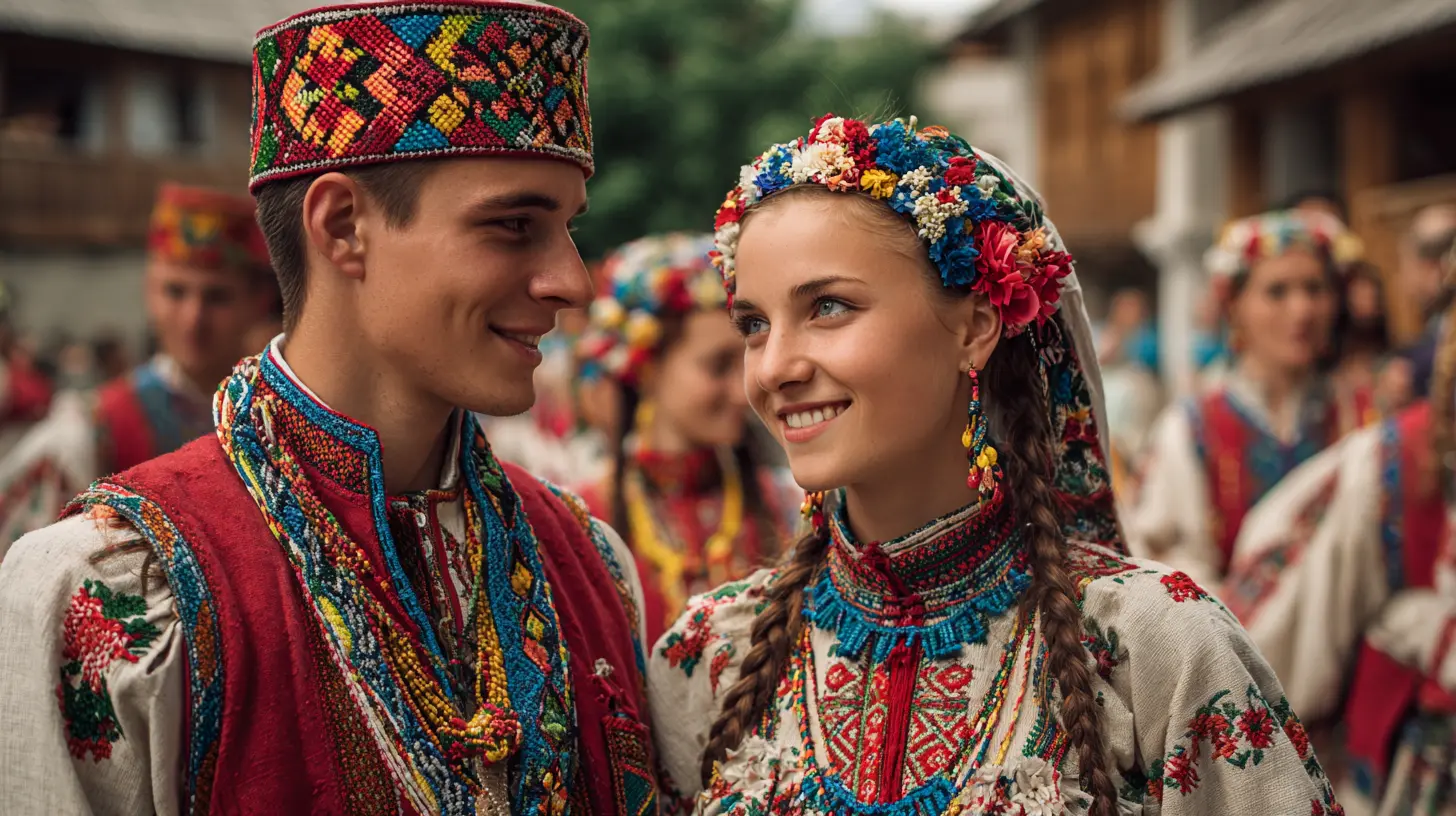
4. Mexico – The Festive Charro Suit and Huipil
Viva la moda! Mexico’s traditional outfits bring color, embroidery, and a whole lot of personality.The charro suit (think mariachi outfits) is not just for musicians—it’s a national symbol! With its fitted jacket, fancy embroidery, and matching sombrero, it screams confidence louder than a mariachi band at full blast.
For the ladies, the huipil—a beautifully embroidered tunic—has been worn for generations. Add a floral headpiece and some bold jewelry, and you’re instantly ready to fiesta like there’s no mañana.
5. Germany – The Iconic Lederhosen and Dirndl
Oktoberfest is basically a fashion runway for Germany’s traditional clothing. The lederhosen (which literally means “leather pants”) are worn by men and are the ultimate beer-drinking, bratwurst-eating uniform.Meanwhile, the dirndl makes every woman look like they just walked out of a Bavarian fairy tale. Cinched at the waist, with a cute apron and puffy sleeves, it’s wholesome, yet flirty—perfect for dancing in a beer hall while pretending you know all the words to German folk songs.
6. China – The Regal Cheongsam and Hanfu
China serves elegance in the form of the cheongsam (qipao)—a stunning, body-hugging dress with high slits and intricate embroidery. Originally designed for aristocrats, it’s now a symbol of timeless beauty.Going even further back in time, the hanfu—worn by scholars and royals—flows with grace and historical sophistication. It’s the kind of outfit that makes you feel like you belong in a majestic dynasty drama.
7. Africa – The Vibrant Dashiki and Kente Cloth
Across Africa, traditional fashion is bursting with life, colors, and patterns that tell stories.Take West Africa’s dashiki—a loose-fitting, vibrantly printed shirt that screams "I’m here to make a statement!" Or the kente cloth, woven in bright geometric patterns and often worn during major ceremonies. It’s more than just fabric—each color and design has deep cultural significance.
If fashion is a language, African traditional wear is definitely speaking loud and proud.
8. South Korea – The Graceful Hanbok
The hanbok is all about poise and harmony. With its delicate curves, vibrant colors, and flowing silhouettes, it transforms anyone into a walking piece of art.Traditionally, hanboks were worn every day, but now they’re reserved for celebrations like weddings and festivals. And if you ever wear one, prepare for compliments—because you’re gonna look straight-up regal.
9. Mongolia – The Fierce Deel
Mongolia's deel is built for adventure. Worn by nomads for centuries, this robe-like outfit can handle harsh weather, horseback riding, and probably an impromptu wrestling match.It’s practical, warm, and honestly, makes anyone look like they’re ready to conquer an empire. Genghis Khan would definitely approve.
10. Norway – The Timeless Bunad
Norwegians don’t need an excuse to wear their bunad—a traditional, embroidered wool ensemble that's as stunning as a fjord at sunrise.You’ll see Norwegians rocking it on national holidays, weddings, or anytime they want to show off their heritage. The best part? Each bunad is unique to a specific region, making it a walking postcard of Norway’s cultural pride.
Why Traditional Costumes Matter
Sure, fashion trends come and go, but traditional costumes? They stick around for generations. They tell stories of ancestors, celebrate identity, and bring communities together.Wearing them isn’t just about looking good (though, let’s be honest, they do look amazing)—it’s about honoring history, embracing culture, and sometimes, just having a reason to wear something spectacularly over-the-top.
So next time you see someone in traditional dress, remember: they’re not just wearing clothes—they’re wearing history, pride, and a whole lot of style.
Final Thoughts: Dressing to Impress the World
Every culture has something unique to offer when it comes to traditional fashion. These outfits connect people to their roots, preserve history, and, let's be real, make for some excellent Instagram-worthy travel photos.Would you ever dare to try one of these traditional costumes? Who knows, maybe you'll find your new favorite outfit—because let’s face it, jeans and t-shirts are so last century.
all images in this post were generated using AI tools
Category:
Cultural ExperiencesAuthor:

Tracie McAdams
Discussion
rate this article
1 comments
Zealot Morrow
Costumes reveal culture's rich stories... stunning!
June 15, 2026 at 2:28 PM
Tracie McAdams
Thanks for your insight! Costumes really do tell fascinating stories about culture. I'm glad you enjoyed the article!