Architectural Wonders That Speak a Culture’s History
31 May 2026
Architecture is more than just bricks and mortar—it's a story, a living testament to a civilization's past, values, and artistic expression. Every arch, dome, and pillar whispers secrets of a bygone era, unveiling the soul of a culture through the structures they leave behind.
Some buildings are just buildings, but others? They’re storytellers. They capture the essence of their time, reflecting social changes, religious beliefs, and technological advancements. Let’s embark on a journey through some of the most jaw-dropping architectural wonders that still speak volumes about their culture’s history.
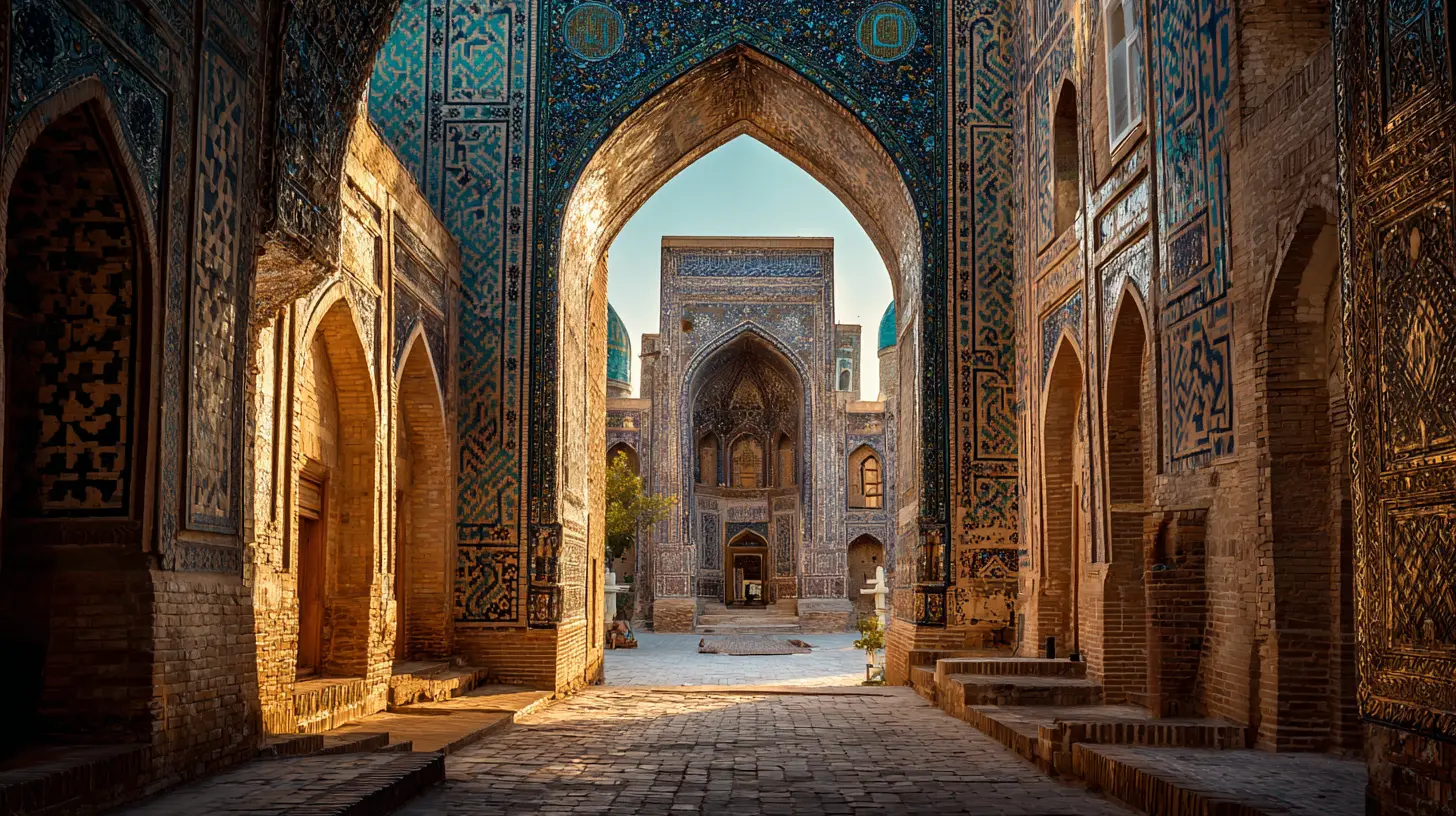
1. The Great Pyramid of Giza – Egypt’s Timeless Legacy
You can’t talk about historical architecture without mentioning the Great Pyramid of Giza. Built around 4,500 years ago, this ancient marvel wasn’t just a pharaoh’s tomb—it was a symbol of Egypt’s unparalleled engineering and spiritual devotion.The precision with which it was constructed, aligning almost perfectly with the cardinal points of the compass, is mind-blowing even by today’s standards. The sheer size and weight of the limestone blocks, stacked with barely any visible gaps, prove that ancient Egyptians had a deep understanding of mathematics, astronomy, and logistics.
Even today, scientists and historians scratch their heads trying to figure out exactly how it was built. Was it ramps, pulleys, or sheer human will? Whatever the method, this pyramid stands tall as a testament to a civilization that revered its rulers and the afterlife.
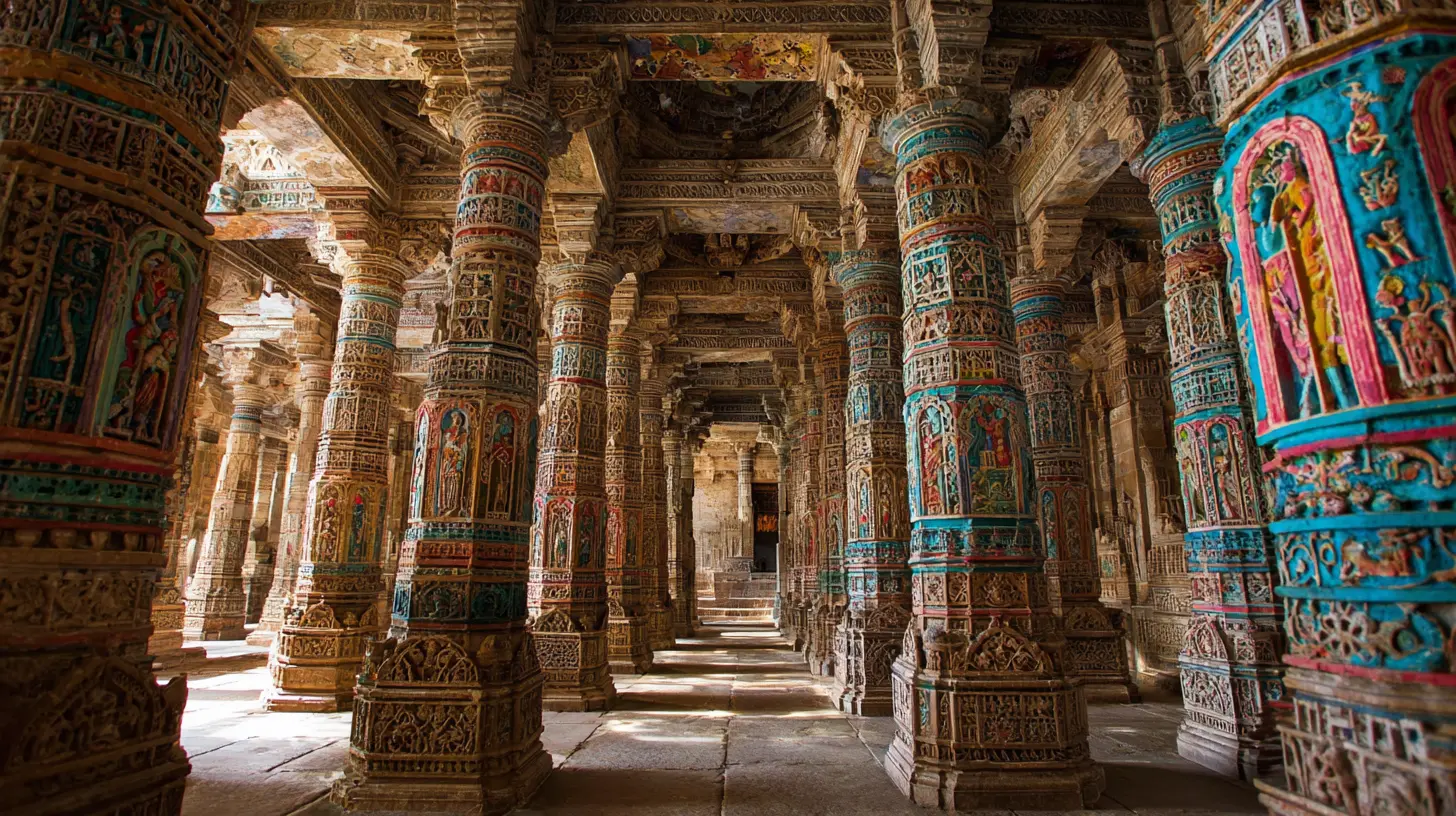
2. The Parthenon – Greece’s Tribute to Perfection
Greece, the birthplace of democracy and Western philosophy, had a thing for making buildings that defied time. The Parthenon in Athens, built in dedication to Athena, the city’s goddess of wisdom, is one of the finest examples of classical Greek architecture.What makes it so special? The Parthenon embodies the Greek obsession with harmony and proportion. Its columns follow the “golden ratio,” a mathematical formula believed to create beauty and balance. Even though it has endured wars, earthquakes, and transformations, it still emanates an aura of grandeur.
The Parthenon isn't just an architectural masterpiece—it’s a symbol of Greece’s cultural and intellectual dominance in the ancient world. If you ever visit, just imagine philosophers like Socrates gazing at it while debating the meaning of life.
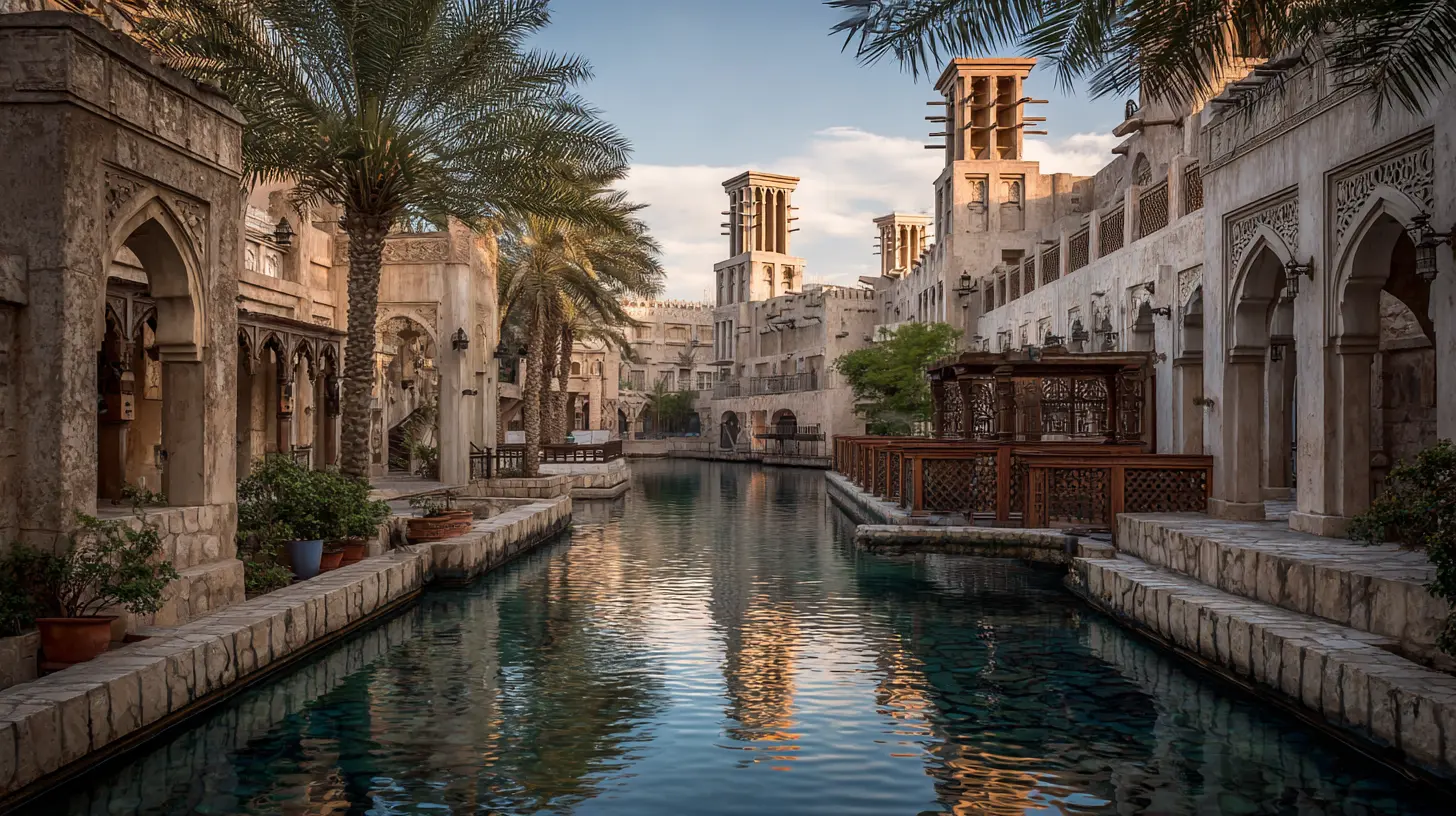
3. Machu Picchu – The Lost City of the Incas
Nestled high in the Andes Mountains, Machu Picchu is an Incan masterpiece that remained hidden from the world until the early 20th century. Built in the 15th century, this stone city showcases the brilliance of Inca engineers, who constructed it using a technique called ashlar masonry—stones cut so precisely that mortar wasn’t even needed!The site was likely a royal estate or a religious retreat, but its true purpose remains a mystery. One thing’s for sure: the Incas had an unmatched understanding of their environment. The city’s location wasn’t just for the views—it was strategically positioned to align with astronomical events and withstand earthquakes.
If there's ever been proof that architecture can blend seamlessly with nature, Machu Picchu is it. It’s a breathtaking glimpse into a civilization that thrived in harmony with the rugged Andean landscape.
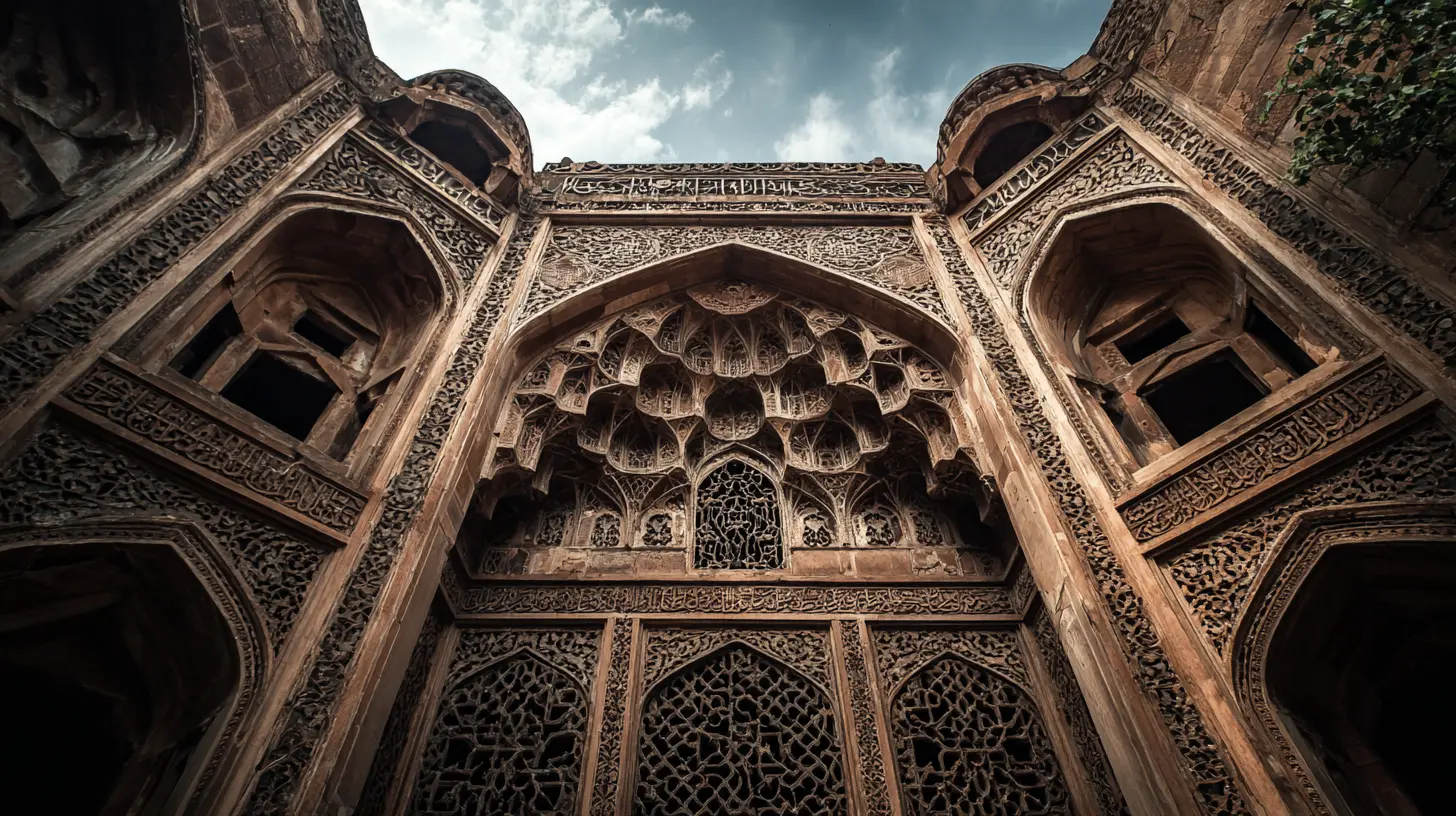
4. The Taj Mahal – India’s Eternal Love Story
The Taj Mahal isn’t just an architectural wonder—it’s a love letter in stone. Built by Mughal Emperor Shah Jahan in memory of his wife Mumtaz Mahal, this ivory-white mausoleum in Agra is one of the most emotionally charged structures ever built.A blend of Persian, Islamic, and Indian architectural styles, the Taj Mahal features intricate floral designs, calligraphy, and a mesmerizing symmetrical layout. The way it changes color depending on the time of day—soft pink in the morning, dazzling white at noon, and golden at sunset—is nothing short of poetic.
Beyond its beauty, the Taj Mahal reflects the opulence and artistic brilliance of the Mughal Empire. Its construction involved thousands of artisans and materials sourced from around the world, proving that love, when combined with craftsmanship, can create something timeless.
5. The Colosseum – Rome’s Gladiatorial Arena
Step into the Colosseum, and you can almost hear the roar of the crowd, the clash of swords, and the drama that unfolded within its massive amphitheater. Built in 70-80 AD, this Roman icon was the ultimate entertainment hub, hosting gladiator battles, animal hunts, and even naval reenactments (yes, they flooded the arena for sea battles!).The engineering behind the Colosseum is nothing short of genius. Its complex system of underground tunnels, retractable awnings for shade, and tiered seating (because even in ancient Rome, VIP sections were a thing) showcase the Romans' architectural brilliance.
More than just a battleground, the Colosseum symbolizes Rome’s power, discipline, and love for spectacle. Though it has suffered damage over the centuries, its skeletal remains still stand proud—a reminder of an empire that thrived on conquest and entertainment.
6. Angkor Wat – Cambodia’s Spiritual Marvel
Angkor Wat isn’t just Cambodia’s national pride—it’s the world's largest religious monument and a stunning embodiment of Khmer culture. Originally built as a Hindu temple in the 12th century and later converted into a Buddhist site, it’s a fusion of spiritual devotion and architectural mastery.What makes it truly special? Its intricate bas-reliefs narrate epic Hindu tales, while its five lotus-shaped towers represent Mount Meru, the center of the universe in Hindu cosmology. The temple’s alignment with the sun creates a jaw-dropping spectacle, especially during the equinoxes.
Centuries later, Angkor Wat remains a symbol of resilience and cultural pride. Despite wars and nature attempting to reclaim it, this temple complex stands firm, drawing visitors with its mystical aura.
7. Neuschwanstein Castle – A Fairytale Dream in Germany
Ever wondered where Disney got the inspiration for its castles? Look no further than Neuschwanstein Castle in Germany. Commissioned in the 19th century by King Ludwig II of Bavaria, this fantasy-like structure looks like it popped straight out of a storybook.Unlike most of the structures on this list, Neuschwanstein wasn’t built for defense or religious purposes. Instead, it was Ludwig’s personal retreat—a place where he could escape into his dream world of medieval romance and operatic grandeur.
With its whimsical towers, picturesque mountain setting, and lavish interiors inspired by Wagnerian operas, Neuschwanstein is a testament to the power of imagination. While it may not be an ancient wonder, it still speaks volumes about a culture that valued art, beauty, and dreams.
8. The Forbidden City – China’s Imperial Legacy
Step into Beijing’s Forbidden City, and you step into centuries of Chinese history. This massive palace complex, built in the early 15th century, served as the imperial residence for 24 emperors of the Ming and Qing dynasties.Everything about the Forbidden City screams symbolism. The layout follows feng shui principles, reflecting harmony and cosmic balance. The use of red and yellow (imperial colors) and the meticulous attention to detail in every courtyard and hall showcase China's rich aesthetic and architectural philosophy.
A walk through this UNESCO World Heritage site is like flipping through the pages of a history book—only way more immersive. It’s a powerful reminder of China's once-mighty empire and its enduring cultural legacy.
Final Thoughts
Every culture has left its mark on the world through architecture, turning stone, wood, and marble into timeless storytellers. These wonders aren't just places to visit; they’re portals into the past, revealing the beliefs, priorities, and craftsmanship of their creators.Whenever you stand in front of a historic building, take a moment. Listen. The walls, the domes, the spires—they all have a story to tell.
all images in this post were generated using AI tools
Category:
Cultural ExperiencesAuthor:

Tracie McAdams
Discussion
rate this article
1 comments
Zevran Hamilton
If these architectural gems could talk, they'd spill all the cultural tea. Forget the guidebooks; just wander and let the walls whisper their secrets. History has never looked this good or been this sassy... trust me!
June 18, 2026 at 3:18 PM