A Taste of Tradition: Unique Recipes from Around the World
24 May 2026
Food tells stories. It whispers tales of lands far and wide, of hands that have kneaded dough with love, of spices that have danced in the flames, and of flavors passed down through generations as cherished heirlooms. Every bite is a journey, a passport to a place where tradition is served on a plate.
Today, we embark on a flavorful adventure to uncover some of the most unique recipes from around the world. These dishes are more than just food—they are cultural treasures, each carrying the essence of its homeland. So, fasten your apron and prepare for a culinary voyage like no other! 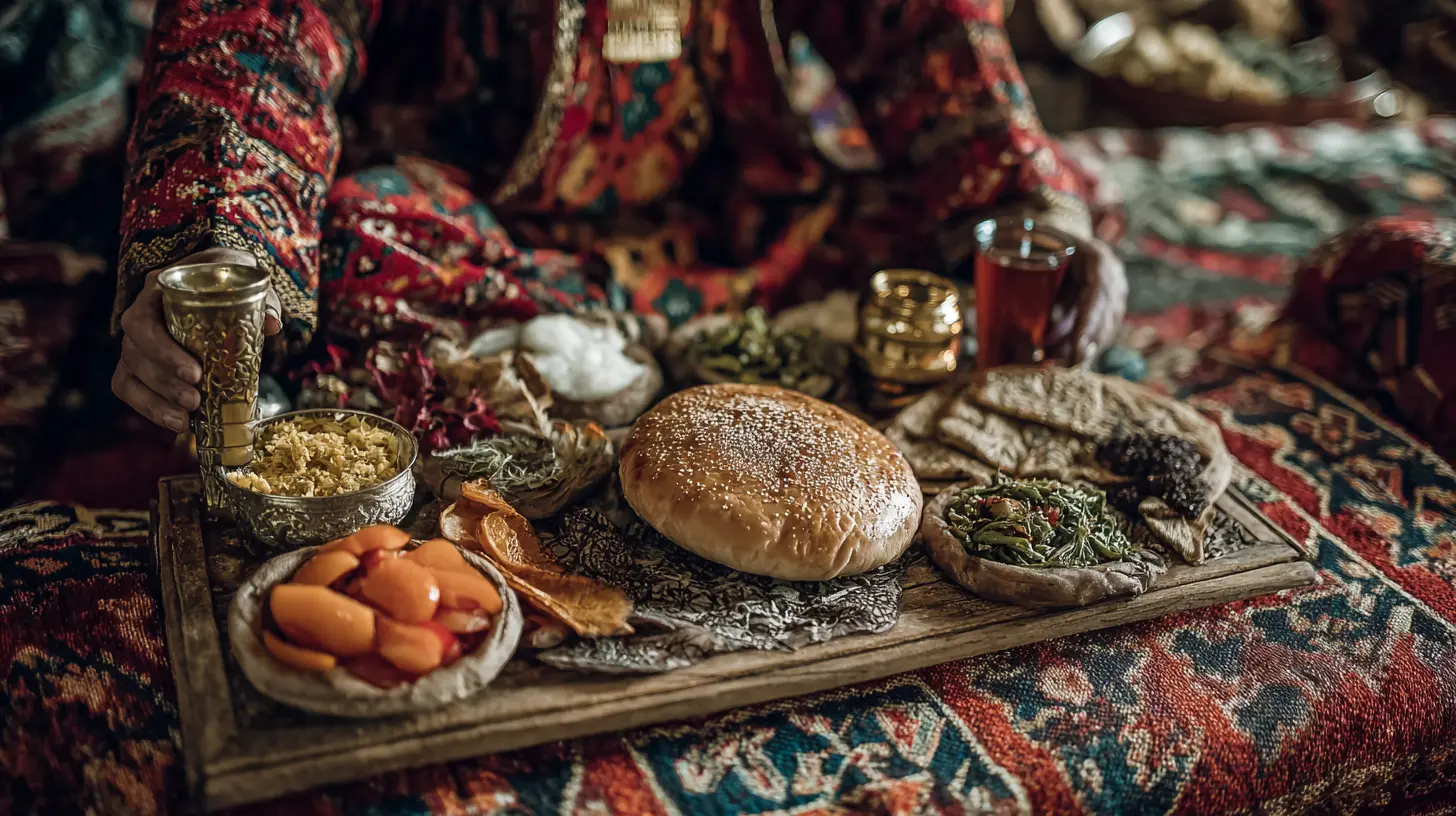
1. Japan: Ochazuke – A Hug in a Bowl
Imagine a chilly evening, your soul yearning for warmth. Enter Ochazuke, a simple yet comforting dish from Japan that feels like a warm hug. This delightful bowl consists of steamed rice bathed in green tea or dashi (Japanese broth), often adorned with toppings like salmon, pickled plums, or crispy nori.Why It’s Special
Ochazuke comes alive in moments of relaxation. It's what students eat after a long study session, what grandmothers prepare for their grandchildren, and what travelers crave after a tiring journey. It’s quick, humble, and deeply satisfying—an edible lullaby.How to Make It at Home
1. Cook a bowl of steamed white rice.2. Prepare green tea or a light dashi broth.
3. Place crispy nori, flaked salmon, sesame seeds, and wasabi on top.
4. Gently pour the hot tea or broth over the rice.
5. Enjoy the soul-soothing magic in every spoonful.
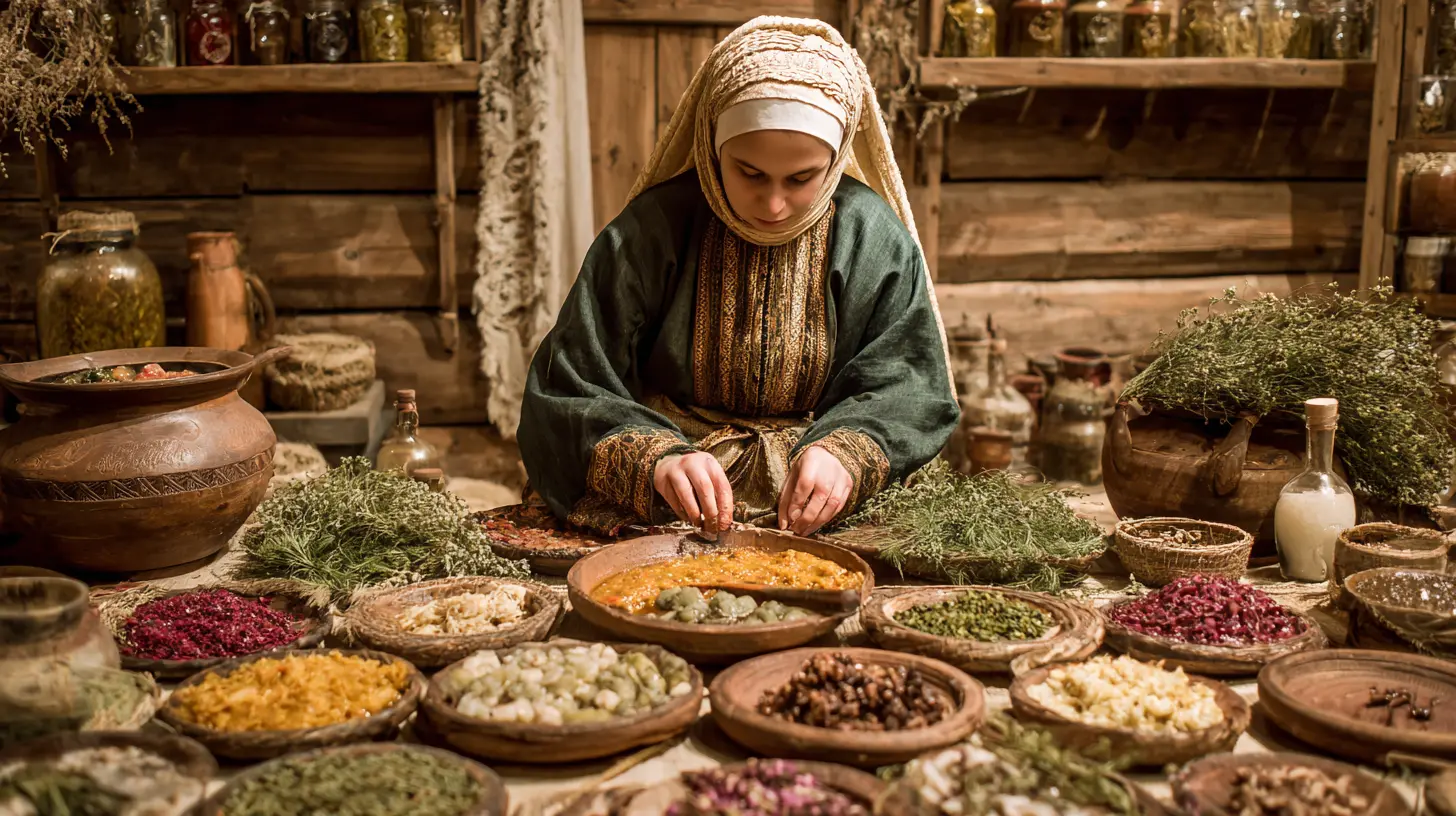
2. Morocco: Pastilla – Sweet Meets Savory
Moroccan cuisine is a symphony of flavors, and Pastilla (or Bastilla) is its most intriguing melody. This dish is a delicate balance of sweet and savory, a flaky pastry filled with spiced meat (often pigeon or chicken), almonds, cinnamon, and eggs.Why It’s Special
Think of Pastilla as a love letter from Morocco to your taste buds. The contrast between the buttery, crisp pastry and the rich, aromatic filling makes each bite an experience worth savoring. It’s traditionally served during celebrations, symbolizing prosperity and hospitality.How to Make It at Home
1. Sauté onions, garlic, and shredded chicken (or pigeon) in butter.2. Add cinnamon, saffron, and ginger with a hint of orange blossom water.
3. Stir in crushed almonds, sugar, and beaten eggs.
4. Layer the filling between thin sheets of warqa pastry (or phyllo dough).
5. Bake until golden and dust lightly with powdered sugar and cinnamon.
One bite, and you’ll be transported to a sun-soaked Moroccan medina. 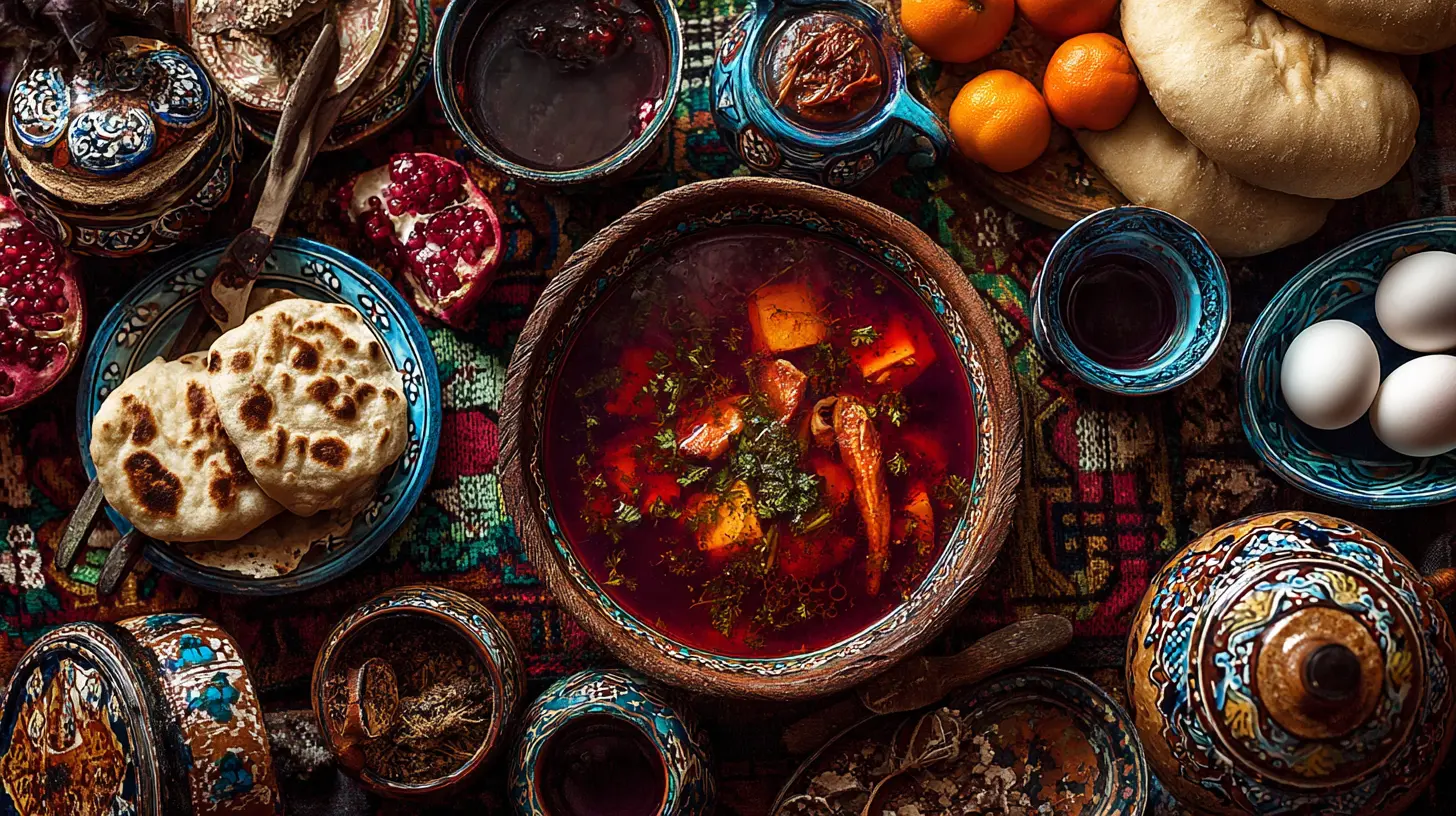
3. Mexico: Tamales – Wrapped in Tradition
Tamales are more than just food; they are a ritual. In Mexico, families gather to prepare tamales for holidays, weddings, and even casual weekends. Wrapped in corn husks, these bundles of nostalgia contain a soft, pillowy dough called masa filled with meats, cheeses, chilies, or sweet ingredients like chocolate and cinnamon.Why It’s Special
Tamales are history in edible form. Their origins trace back thousands of years to the Aztecs and Mayans. They are the ultimate communal dish—no one makes tamales alone. It’s a team effort that turns cooking into a celebration.How to Make It at Home
1. Mix masa harina (corn flour) with lard or vegetable shortening.2. Season with broth, salt, and baking powder to create a fluffy dough.
3. Spread the masa on soaked corn husks and add your favorite fillings.
4. Fold, tie, and steam until tender.
5. Unwrap, take a bite, and taste centuries of tradition.
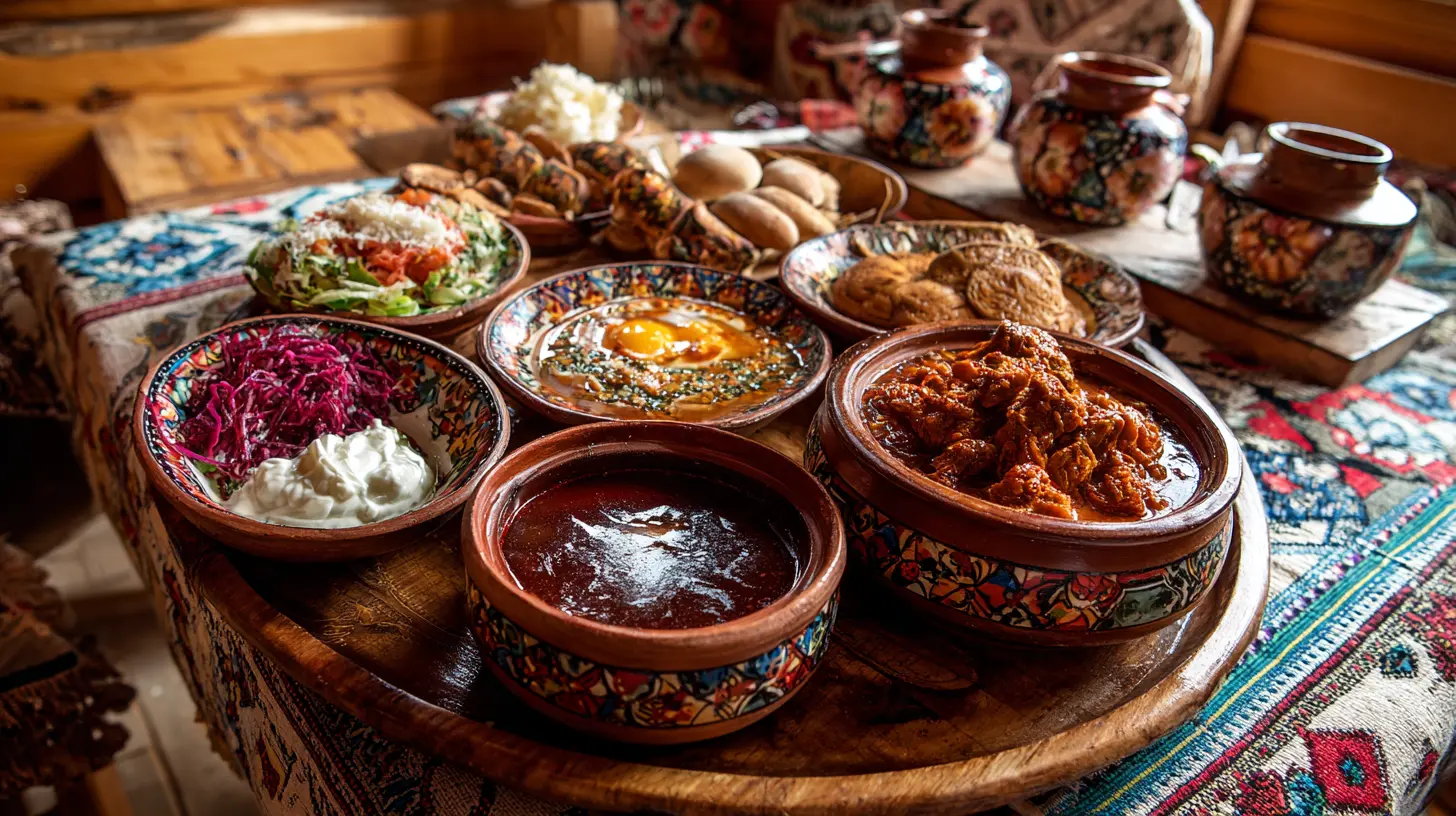
4. India: Pani Puri – A Flavor Explosion
If food were a carnival, Pani Puri would be the star attraction. Also known as Golgappa or Phuchka, this beloved street food consists of crispy, hollow puris filled with spicy, tangy, and sweet water alongside mashed potatoes or chickpeas.Why It’s Special
Pani Puri isn’t just a dish—it’s an experience. You don’t eat it; you conquer it. The challenge? Popping an entire puri into your mouth before the water drips down your fingers. The result? A burst of flavors that dance on your taste buds.How to Make It at Home
1. Fry small wheat or semolina puris until crisp and hollow.2. Make pani (spiced water) using tamarind, mint, coriander, and chilies.
3. Fill the puris with mashed potatoes and chickpeas.
4. Dunk them into the pani and eat in one bite.
Warning: Highly addictive. Proceed with caution!
5. South Korea: Kimchi Jjigae – The Comfort of Home
If you ask a Korean what their ultimate comfort food is, chances are they’ll say Kimchi Jjigae (Kimchi Stew). Made with aged kimchi, tofu, pork, and a rich, spicy broth, this dish is warmth in a bowl.Why It’s Special
Kimchi Jjigae represents resilience. Kimchi that has fermented for months (or years!) transforms into a deep, flavorful stew when stewed with simple ingredients. It’s a dish that turns humble leftovers into something extraordinary.How to Make It at Home
1. Sauté pork belly, garlic, and onions in sesame oil.2. Add aged kimchi and stir-fry for extra depth.
3. Pour in water or broth and let it simmer.
4. Add firm tofu and mushrooms.
5. Serve hot with steamed rice.
It’s spicy. It’s soul-soothing. It’s everything you need on a cold day.
6. Italy: Tiramisu – A Dessert with a Kick
Ah, Tiramisu—the dessert that kisses you with coffee and whispers secrets of Italy. This legendary no-bake delicacy layers coffee-soaked ladyfingers with a creamy mixture of mascarpone cheese, sugar, eggs, and a dusting of cocoa.Why It’s Special
Tiramisu means “pick me up” in Italian, and that’s exactly what it does. With rich espresso and a hint of liquor, it’s both indulgent and comforting—a dessert that feels like a cozy evening in Rome.How to Make It at Home
1. Mix mascarpone cheese with sugar, egg yolks, and a splash of rum or coffee liquor.2. Dip ladyfingers in strong espresso.
3. Layer the soaked ladyfingers with the mascarpone mixture.
4. Dust with cocoa powder and chill for a few hours.
Every spoonful is a dreamy Italian serenade.
Food: A Love Letter Written in Spices
To eat is to travel. When we taste a dish, we taste history, culture, and stories whispered through generations. Each of these recipes carries a legacy—one that invites you to experience the world from your kitchen.So, why not embark on your own culinary adventure? Cook something new, discover a culture, and let tradition unfold on your plate—one delicious bite at a time.
Final Thought
What’s a traditional dish from your culture that you'd love the world to taste? Drop it in the comments and let's celebrate food together!all images in this post were generated using AI tools
Category:
Cultural ExperiencesAuthor:

Tracie McAdams
Discussion
rate this article
1 comments
Soren Ramirez
This article beautifully captures the essence of culture through food. Each recipe tells a story worth sharing.
June 9, 2026 at 2:58 AM