A Local’s Guide to Experiencing Tokyo in 2027
18 May 2026
You know that feeling when you step off the train in Shinjuku for the first time? The neon signs blur into a waterfall of light, the crowds flow like a river, and you suddenly realize your phone map is completely useless. I remember that feeling too. But here is the thing: Tokyo in 2027 is still that same chaotic, beautiful puzzle. It just has a few new pieces.
I have lived in this city for over a decade now. I have watched convenience stores turn into robot-run mini-marts and seen old alleyways get swallowed by glass towers. Yet, the soul of Tokyo never changed. It hides in the quiet moments between the noise. So let me walk you through this city like a friend, not a guidebook. Forget the checklists. Let us find the real Tokyo together.
Why 2027 Is a Perfect Time to Visit
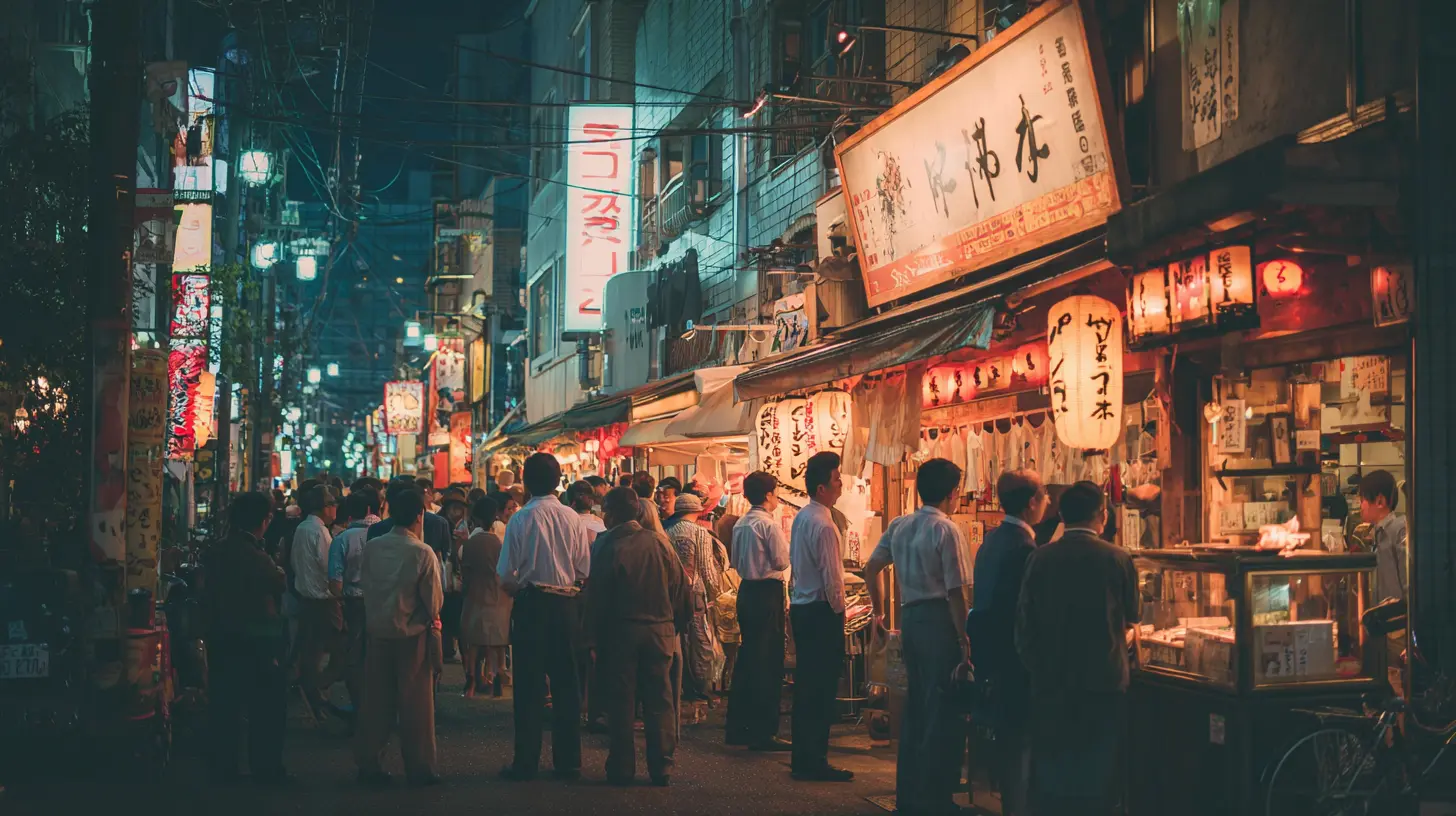
Let me paint a picture for you. The 2020 Olympics came and went. The city rebuilt, rethought, and relaxed a little. By 2027, Tokyo has settled into a comfortable rhythm. The new high-speed magnetic train now connects Shinagawa to Nagoya in 40 minutes, but that is not why you are here. You are here because Tokyo finally figured out how to balance its old soul with its futuristic dreams.The streets are cleaner than ever. The vending machines now sell hot ramen cups that actually taste good. And the cherry blossoms? They still bloom like clockwork in late March. But here is the secret: the city is less crowded than it was in 2019. Remote work changed everything. Many locals moved out to the suburbs. That means you get more elbow room at the best ramen shops.
The Neighborhoods That Matter Most
Asakusa: The Time Capsule That Still Works
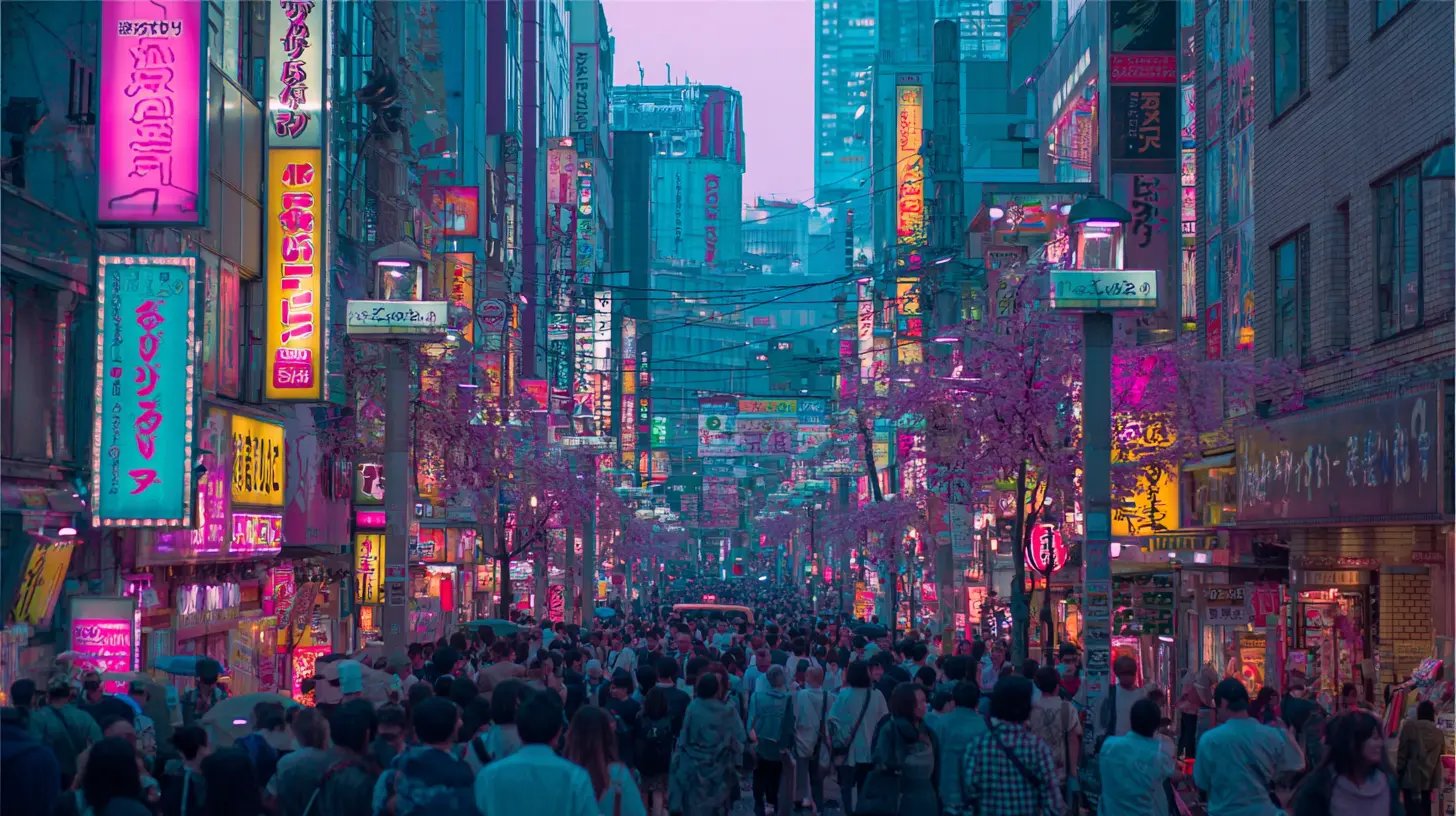
Start your trip in Asakusa. Do not skip it because it feels touristy. Yes, Senso-ji temple gets packed. But walk one block behind it, and you will find streets where grandmothers still sell pickled vegetables from wooden carts. In 2027, a few of those carts have QR codes for payments, but the smell of grilled mochi is exactly the same as it was fifty years ago.Here is a tip: go at sunrise. The temple gates are empty. The air is crisp. You can hear the wooden clogs of a monk sweeping the stones. That moment alone is worth the early alarm. After that, grab a coffee at a tiny shop called "Kamiya Bar" near the temple. It opened in 1880. Yes, you read that right. They serve a mean brandy cocktail that will wake you up faster than any espresso.
Shimokitazawa: The Vintage Heartbeat
If Asakusa is the old soul, Shimokitazawa is the rebellious teenager. This neighborhood has been the epicenter of Tokyo's indie culture for decades. In 2027, it is still full of secondhand clothing shops that smell like cedar and old leather. But now, there is a new twist: pop-up vinyl stores inside old bathhouses. You can buy a rare 1970s Japanese jazz record while soaking your feet in a footbath. That is not a metaphor. It actually exists.Do not plan your route here. Just wander. You will find a basement bar that plays only 8-bit video game music. You will stumble into a tiny theater where a one-person play about a sad robot is performed. And you will eat the best okonomiyaki of your life from a stall that has no sign. The owner just nods at you. That means you are welcome.
Koenji: Where Punk Rock Meets Zen
Koenji is my personal favorite. It is like Shimokitazawa's quieter, more tattooed cousin. The main street is lined with vintage kimono shops and record stores. But walk deeper, and you find temples hidden between apartment buildings. In 2027, Koenji hosts a monthly "Silent Disco" in a small park. Everyone wears headphones. The trees do not care. It is weird, peaceful, and totally Tokyo.Go on a Sunday. The Koenji Awa Odori festival might not be happening that day, but the locals still dance in the streets sometimes. You will see a group of elderly men practicing traditional folk dances next to a punk band. Nobody stares. That is Tokyo for you.
The Food That Will Change You
Ramen, But Not the Kind You Think
Everyone talks about ramen. But let me tell you about "tsukemen" in 2027. There is a shop in Higashi-Nakano called "Menya Itto" that has been perfecting dipping noodles for over fifteen years. The broth is thick like gravy. The noodles are chewy. And the line? It is still long, but now you can reserve a spot on your phone. No more standing for two hours.Here is the trick: order the "special" bowl. It comes with a slice of slow-cooked pork belly that melts on your tongue like butter. Dip the noodles, slurp loudly (it is polite, I promise), and finish with a spoonful of the broth mixed with yuzu pepper. That last bite will haunt your dreams.
Street Food That Does Not Try Hard
Skip the overpriced food stalls in tourist spots. Instead, go to Ameyoko Market in Ueno. This place is a sensory overload in the best way. In 2027, the market still smells like grilled fish and soy sauce. But now there is a stall that sells "takoyaki" with a twist: they use squid ink in the batter. It looks strange. It tastes like the ocean had a party in your mouth. Trust me.Another hidden gem: "Monjayaki" in Tsukishima. This is a runny, savory pancake that you cook yourself on a hot plate. It is messy. It is fun. And the locals will teach you how to flip it without making a mess. If you fail, they laugh. You laugh too. That is the point.
The Tech That Actually Helps
Robot Taxis Are Real Now
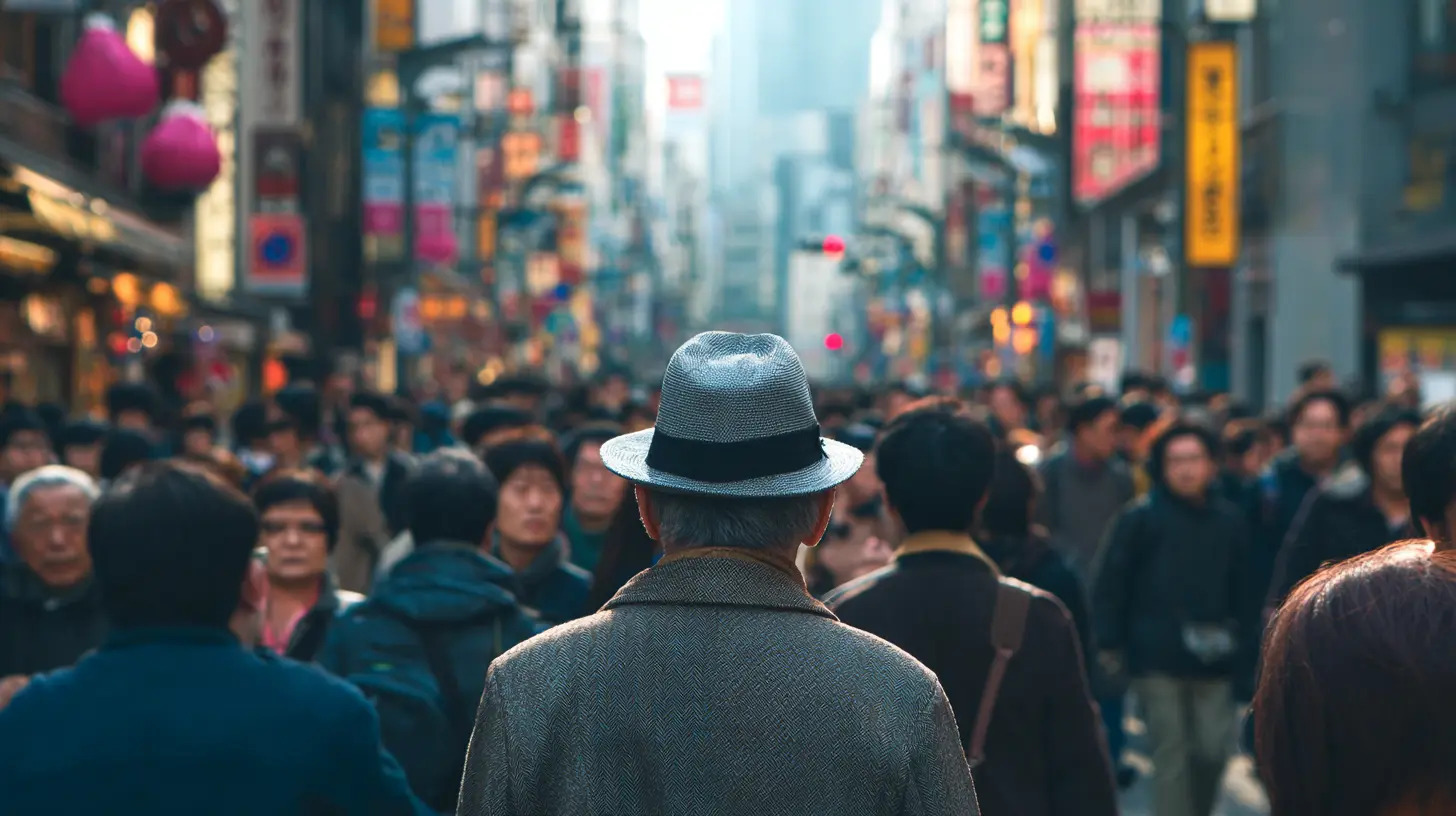
In 2027, you can hail a self-driving taxi in central Tokyo. They look like small, round bubble cars. The ride is smooth. The screen in front of you shows the route in holographic form. But here is the catch: the robot does not know the shortcuts. A human driver still knows which alley to take when traffic jams hit. So use the robot taxis for short trips. For longer ones, stick with a human.Translation Earbuds That Work
You remember those translation apps that butchered every sentence? They are gone. In 2027, you can buy earbuds that translate Japanese to English in real time. They are not perfect, but they are close. I tested them at a yakitori bar. The owner told me a joke about a chicken crossing the road. The earbuds translated it. I laughed. The owner smiled. That moment would have been impossible five years ago.The Hidden Rituals You Must Try
The 5 AM Onsen
Most tourists go to onsens in the evening. Big mistake. Go at 5 AM. Find a small sento (public bath) in Yanaka. The water is hotter in the morning. The steam rises like fog over a lake. You will be alone except for one old man who has been coming here for forty years. He will nod at you. You nod back. No words needed. That is the ritual.The Night Market That Locals Keep Secret
There is a night market in a side street near Sugamo that does not appear on any map. It starts at 10 PM on Fridays. The vendors sell grilled corn, sake, and handmade wooden toys. In 2027, they also sell small LED lanterns that you can float in the nearby canal. Do not take photos. That is the rule. Just be there.
The Etiquette That Makes Everything Better
Tokyo has rules. Not written ones, but felt ones. Here are a few that will save you trouble in 2027:- Do not eat while walking. It is seen as messy. Stand still near a vending machine or find a bench.
- Point with your whole hand, not one finger. It is considered rude otherwise.
- If someone gives you a business card, take it with both hands. Read it. Then put it in your wallet, not your pocket.
- On trains, do not talk on the phone. Texting is fine. Loud conversations are not.
These sound small, but they build trust with locals. When you follow them, people open up. A shopkeeper might offer you a free sample of mochi. A stranger might help you find the right train platform. Tokyo rewards respect.
Why You Should Skip the Famous Spots
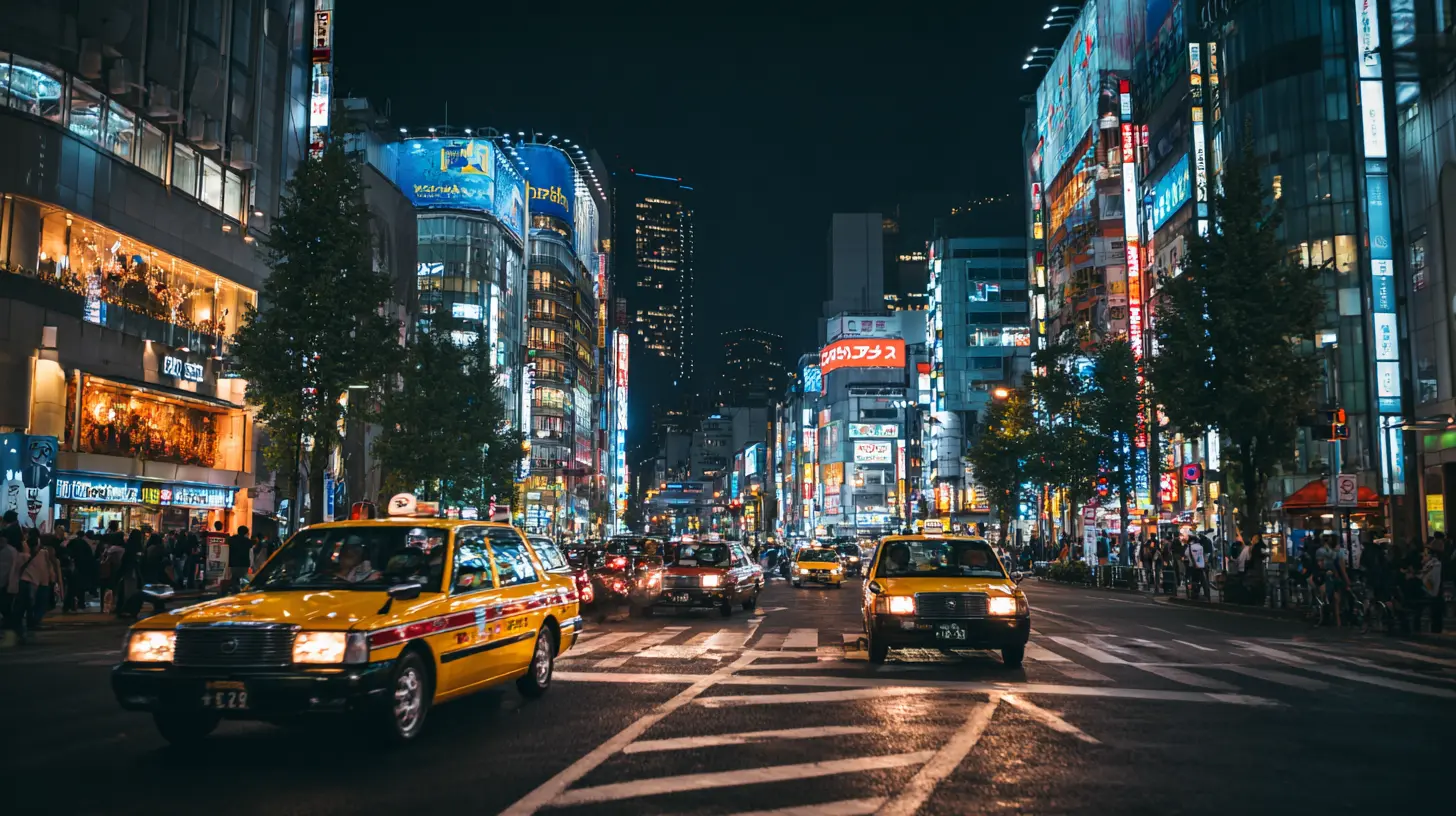
I am going to say something controversial: skip Shibuya Crossing at peak hours. Yes, it is iconic. But in 2027, the crowds are worse than ever. Instead, go to the crossing at 6 AM. You will see a few salarymen walking their dogs. The neon lights are still on. The scramble feels like a stage after the audience left.Also, skip the Robot Restaurant. It closed down years ago, but even if it were still open, you would be better off spending that money on a good sushi dinner. The real robot shows happen on the streets now. You might see a small robot dog dancing to a street musician. That is more authentic.
The One-Day Challenge
If you only have one day in Tokyo in 2027, here is what you do:Morning: Start at Meiji Jingu shrine. The forest path is quiet. The air smells like moss. Then walk to Harajuku and grab a crepe from a tiny stand. Do not go to the famous ones. Look for the one with a handwritten sign.
Afternoon: Take the train to Nakano Broadway. This is a shopping mall for nerds. Old manga, vintage toys, and rare video games fill every corner. In 2027, there is a floor dedicated to indie game developers. You can play a game about a cat who runs a convenience store. It is strangely addictive.
Evening: End in Omoide Yokocho, the "Memory Lane" near Shinjuku. This is a narrow alley of tiny bars and yakitori stalls. The smoke from the grills will sting your eyes. That is part of the charm. Order skewers of chicken skin and green peppers. Drink a cold beer. Listen to the chatter around you.
Night: Walk back to your hotel through the quieter streets of Yotsuya. The cherry trees are lit with soft lanterns. You will pass a cat sitting on a mailbox. It will stare at you like it knows something you do not. That is Tokyo.
The Final Thought
Tokyo in 2027 is not a destination. It is a conversation. The city talks to you through the hiss of a ramen broth, the clang of a temple bell, and the silent nod of a bar owner. Your job is to listen. Do not rush. Do not overplan. Let the city surprise you.Because the best memory you will take home is not a photo of Mt. Fuji or a shopping bag from Ginza. It is the moment you got lost in a side street, found a tiny garden behind a shrine, and sat on a bench for ten minutes doing absolutely nothing. That is Tokyo. That is the real experience.
all images in this post were generated using AI tools
Category:
World CapitalsAuthor:

Tracie McAdams
Discussion
rate this article
1 comments
Quentin McMeekin
Tokyo in 2027 is a playground for the bold. Dive into hidden alleys, savor street food, and embrace the chaotic beauty. Forget the tourists; this is your adventure waiting to unfold.
June 9, 2026 at 2:58 AM
Tracie McAdams
Absolutely! Tokyo's hidden gems and vibrant streets are perfect for those seeking a true adventure. Let the city's chaos inspire your journey.