A Guide to Beachcombing and Seashell Hunting
3 July 2026
Who doesn’t love the idea of strolling along a sandy shoreline, the ocean breeze in your hair, and the soothing sound of waves in your ears? Now, imagine doing all that while stumbling across nature’s hidden treasures — delicate seashells, bits of sea glass, mysterious driftwood, and maybe even a message in a bottle (hey, you never know!). If that sounds like your type of beach day, then you're going to love beachcombing and seashell hunting.
This isn't just a seaside pastime — it's a treasure hunt, a peaceful therapy session, and a mini science lesson all rolled into one. Whether you're a casual shell gatherer or a serious sandy sleuth, this guide has all you need to kick off your beachcombing adventure.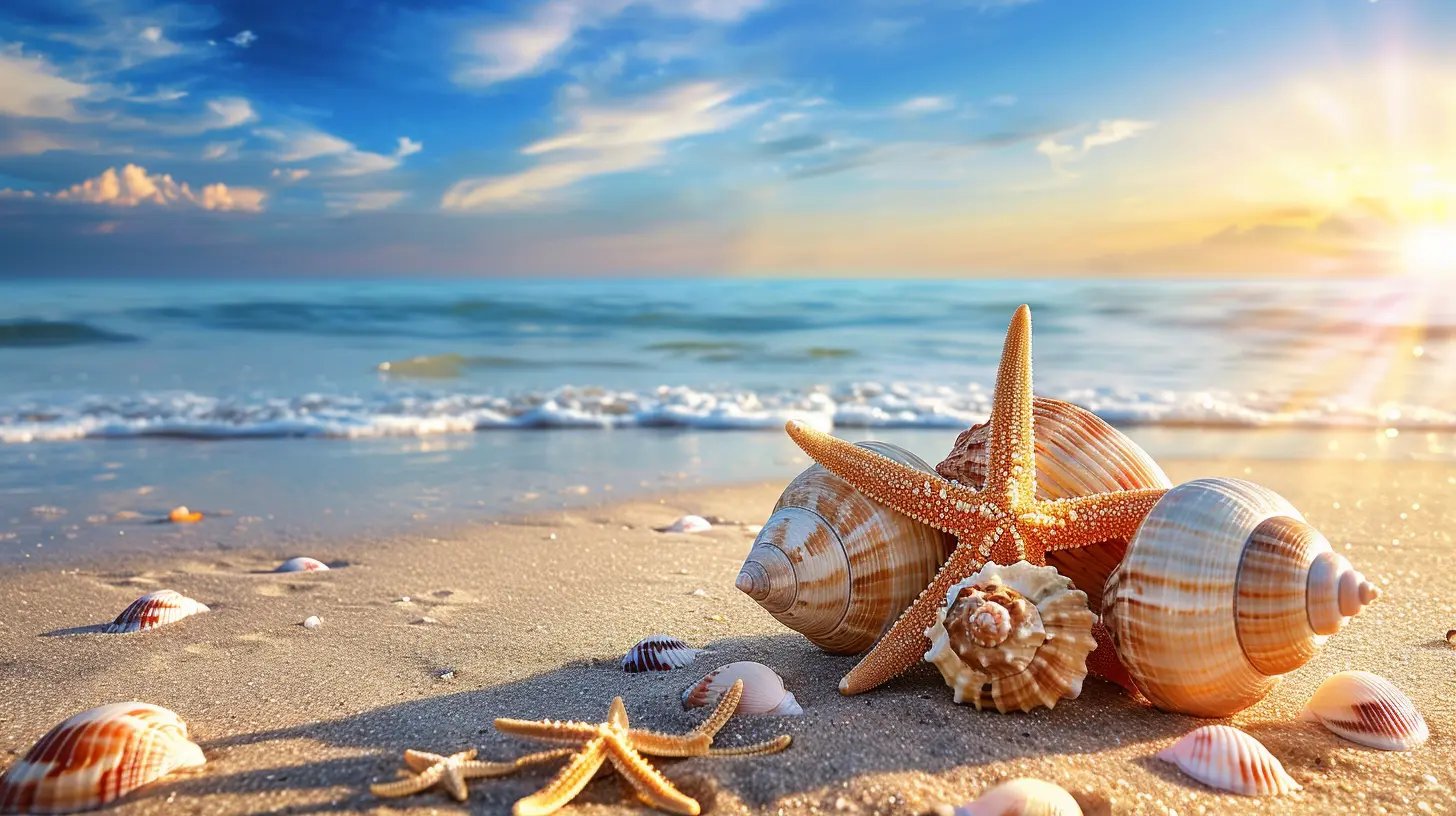
What is Beachcombing, Anyway?
Let’s keep it simple: beachcombing is the act of walking along the beach and searching for interesting, valuable, or unique items that the tide has left behind. That might mean seashells, coral fragments, sea glass, fossils, driftwood, or even lost coins and old fishing gear. If it washes up from the ocean and catches your eye, it counts!It’s sort of like nature’s own treasure hunt. There's a bit of mystery in every tide, and no two walks along the beach are ever quite the same.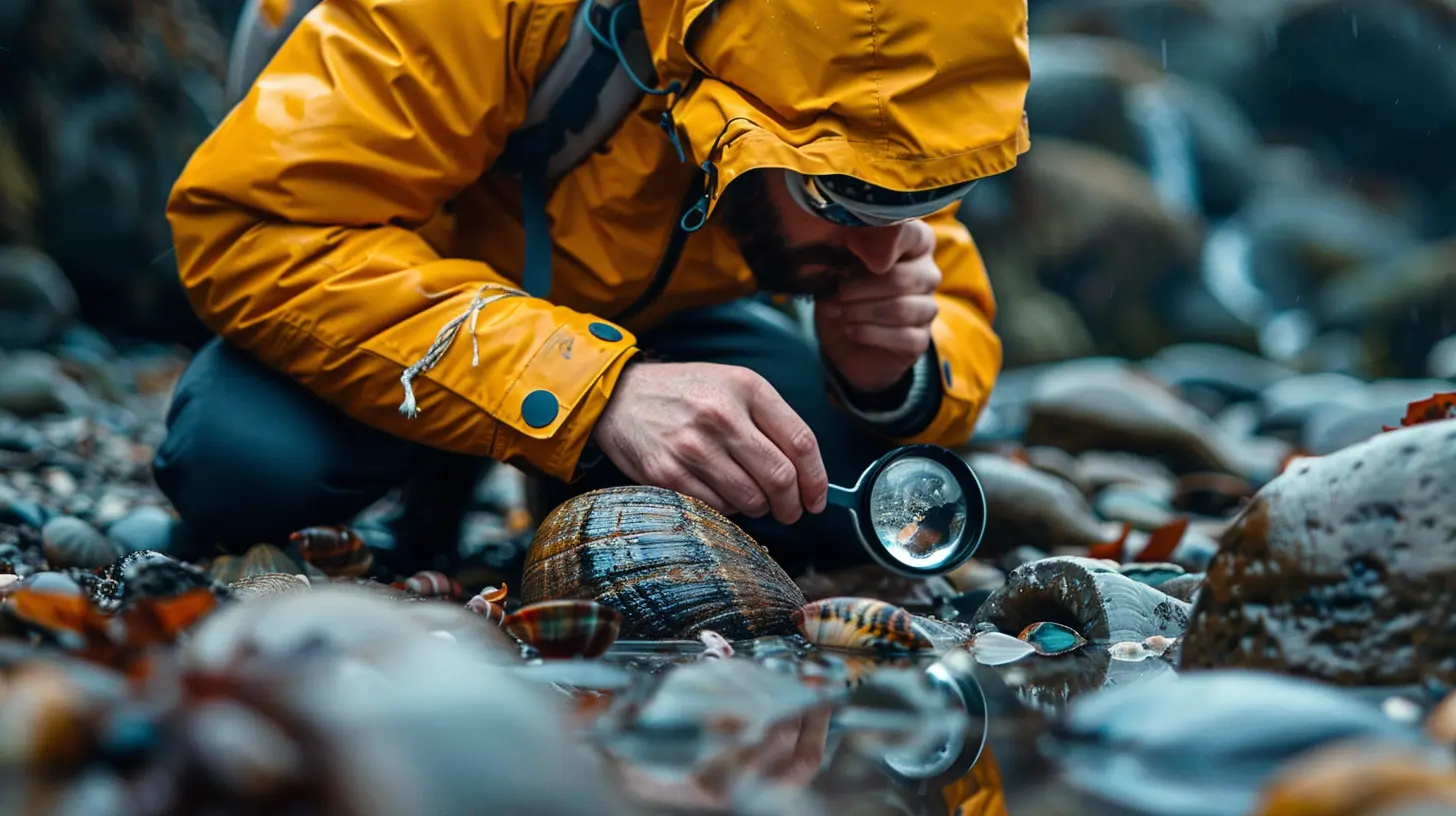
The Art (and Science) of Seashell Hunting
Seashell hunting is a type of beachcombing that focuses specifically on — you guessed it — shells. These beautiful remnants of marine life (usually mollusks) come in all shapes, sizes, and colors. Some are common; others are rare collector's gems.What makes seashell hunting so addictive? It’s probably the mix of rarity, surprise, and connection to the ocean. Every shell has a story — where it came from, what creature lived in it, and how it ended up on the sand right in front of you.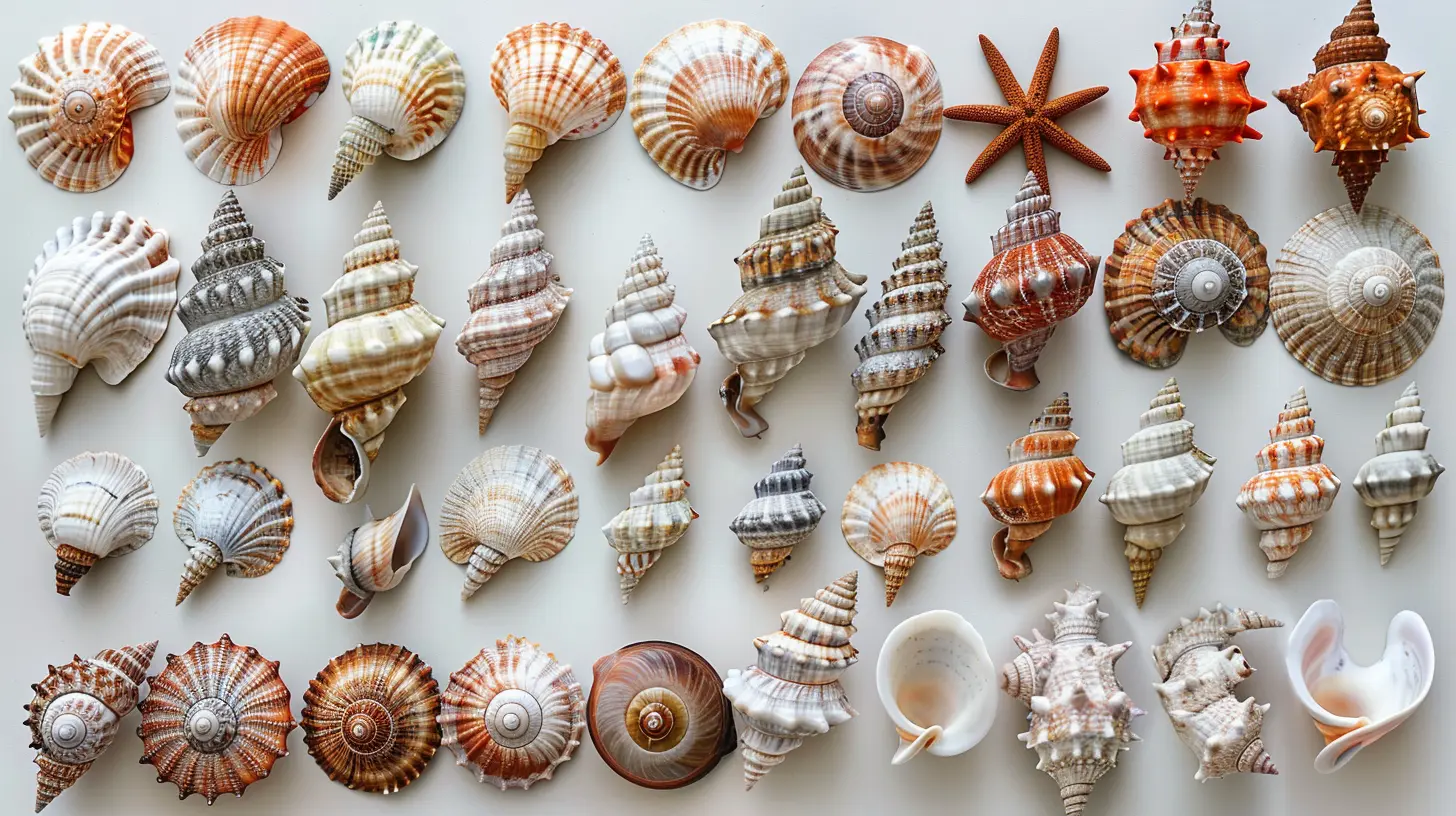
When’s the Best Time to Go?
Timing is everything in beachcombing.- Low Tide Is Your BFF: Tides are like nature’s conveyor belts. Low tide exposes more of the beach and often reveals treasures that high tide hid away. Super low tides (especially during full moons) are golden opportunities.
- After a Storm: Storms churn up the ocean and stir up things from the sea floor. After the waves settle, the beach is often littered with fresh findings. Just be careful if the weather is still rough.
- Early Mornings: Want first dibs on the good stuff? Get there before the crowds. Early birds really do get the best shells.
- Winter Beachcombing? Yep! Fewer people and better storms mean more untouched treasures.
Where to Look — Hotspots on the Beach
Not all parts of the beach are created equal. When you're on your shell-hunting mission, keep your eyes on:- Wrack Lines: These are the lines of seaweed, debris, and shells left behind by the last tide. You’ll often find interesting clusters of items here.
- Tide Pools: These little pockets of seawater can be full of life—and sometimes still-occupied shells. Never take a shell with a creature inside!
- Sand Dunes Edges: Lighter shells often get blown by the wind and collect near the edges of the dunes.
- Under Driftwood And Rocks: Some of the best finds are hiding just out of sight.
Tools You Might Want to Take
You don’t need a big toolkit, but a few helpful items can make your beachcombing trip smoother and more fun.- Mesh Bag or Bucket: Something to collect your finds without trapping too much sand and water.
- Small Shovel or Scoop: Handy for digging if you spot something partially buried.
- Hat, Sunscreen, and Water: Don’t underestimate the sun—even on a cloudy beach day.
- Guidebook or Shell ID App: Know what you’re looking at! It makes it way more fun.
- Notebook or Journal: Keep track of what you find, especially if you stumble across rare or unique items.
Seashell Collecting 101
Seashells come in an amazing variety. Here's a quick look at some common types you might run into—and fall in love with:- Conch Shells: These big, spiral-shaped beauties are iconic and often home to marine snails.
- Scallop Shells: Fan-shaped and often brightly colored; a favorite for crafts and décor.
- Coquina Shells: Tiny but colorful, they’re often found in huge numbers.
- Whelk Shells: Frequently confused with conchs, whelks are spiraled and can come in lots of interesting shades and patterns.
- Olive Shells: Shiny, smooth, and shaped like little bullets. They’re fast movers in the sea—seriously!
- Sand Dollars: Okay, not exactly a shell, but a fan favorite. These flat, round creatures are fragile, so handle with care.
The Do's and Don'ts of Ethical Collecting
Beachcombing should never harm the beach or its marine life. Here’s what every responsible shell hunter should know:✅ Do:
- Take only empty shells. If it’s occupied (even by a tiny hermit crab), leave it!- Collect small quantities – leave plenty for others (and the ecosystem).
- Follow local laws. Some beaches protect certain types of shells or limit how many you can collect.
- Clean your finds with water from home – not harsh chemicals.
❌ Don’t:
- Disturb nesting areas or tide pools.- Take live animals, ever.
- Leave trash behind. Take only memories; leave only footprints.
How to Clean and Care for Your Finds
So you've got a bucket full of shells — now what?First, rinse them in freshwater as soon as you can. This helps get rid of salt, sand, and any lingering ocean smell. For stubborn shells, soaking them in a mix of water and a little vinegar (for a few minutes) can help. Avoid bleach—trust me, it’s overkill and can damage the shells.
Dry everything thoroughly, then decide: display, use in crafts, or store? Shadow boxes, shell jars, and even garden borders are great ways to show off your finds.
Tips for Finding Rare or Unique Shells
Want to level up your game? Here are some pro-tips:- Hit remote or less-visited beaches: More natural conditions, fewer hunters.
- Time your visits with moon phases: Super low tides occur during new and full moons.
- Use local tide charts: They’re your best friend for planning.
- Talk to locals or park rangers: They often know shell hotspots.
- Don’t ignore broken or imperfect shells: Sometimes they’re just as beautiful and tell even cooler stories.
Beachcombing With Kids – A Family-Friendly Adventure
Beachcombing is basically tailor-made for kids. It’s like the ultimate scavenger hunt — and it sneaks in a bit of education too.Give them a small list of things to look for: a white shell, a piece of sea glass, something shaped like a heart, etc. You’d be surprised how excited kids get when they "check off" their finds. Plus, it keeps them engaged and curious about the natural world.
Just be sure to explain the importance of not taking live creatures and leaving the beach as beautiful as they found it.
Beachcombing Etiquette (Yes, It's a Thing!)
There’s an unspoken beachcomber's code:- Be courteous to others hunting nearby.
- Don’t hoard. Share a great find with the next person.
- Fill in any holes you dig.
- Keep noise down – it’s about the peace and magic of the moment.
Hidden Gems: Unique Finds You Might Stumble Across
Seashells are just the beginning. On a good beachcombing day, you might find:- Sea glass: Smooth, frosted glass shaped by the sea – perfect for jewelry.
- Fossils: Shark teeth or ancient coral fragments.
- Driftwood: Sculptural pieces that can be turned into rustic décor.
- Message bottles: Rare, but real! Don’t forget to read the note!
- Sea beans: Tropical plant seeds that float across oceans to find new homes.
Final Thoughts: More Than Just a Hobby
Beachcombing and seashell hunting are more than just collecting things — they’re about slowing down, tuning in with nature, and experiencing the mystery of the ocean’s edge. Every tide is a clean slate. Every shell is a surprise waiting to be discovered.Whether you're wandering a tropical beach in the Caribbean or a foggy coastline in Maine, the joy is the same. It’s peaceful, surprising, and endlessly satisfying. So grab a bag, toss on some flip-flops, and hit the sand. The beach has a story for you — go find it.
all images in this post were generated using AI tools
Category:
Beach HolidaysAuthor:

Tracie McAdams
Discussion
rate this article
1 comments
Tamara McMaster
This guide offers practical tips for beachcombing and seashell hunting, helping both beginners and seasoned enthusiasts. It highlights the joy of discovering unique shells while respecting local regulations and the environment. A great resource for anyone looking to enhance their beach experience.
August 13, 2026 at 3:51 AM