A Foodie’s Guide to Global Street Eats in 2027
6 May 2026
Let's be real for a second. If you're planning a trip in 2027, the first question you should ask yourself isn't "What hotel has the best infinity pool?" or "Which museum has the longest queue?" No. The real question is: "Where am I going to eat my weight in fried dough, grilled meat, and mysterious sauces from a cart that has no health inspection sticker but smells like heaven?"
Street food is the soul of travel. It's the unfiltered, un-airbrushed version of a culture. In 2027, the global street food scene has shifted. It's not just about the old classics anymore-though they're still kicking. It's about fusion, sustainability, and a whole lot of "let's try that weird thing on a stick." I've spent the last year eating my way through back alleys, night markets, and pop-up stalls that barely fit two people. Here's what you need to know.
Why 2027 Is the Year of the Street Cart
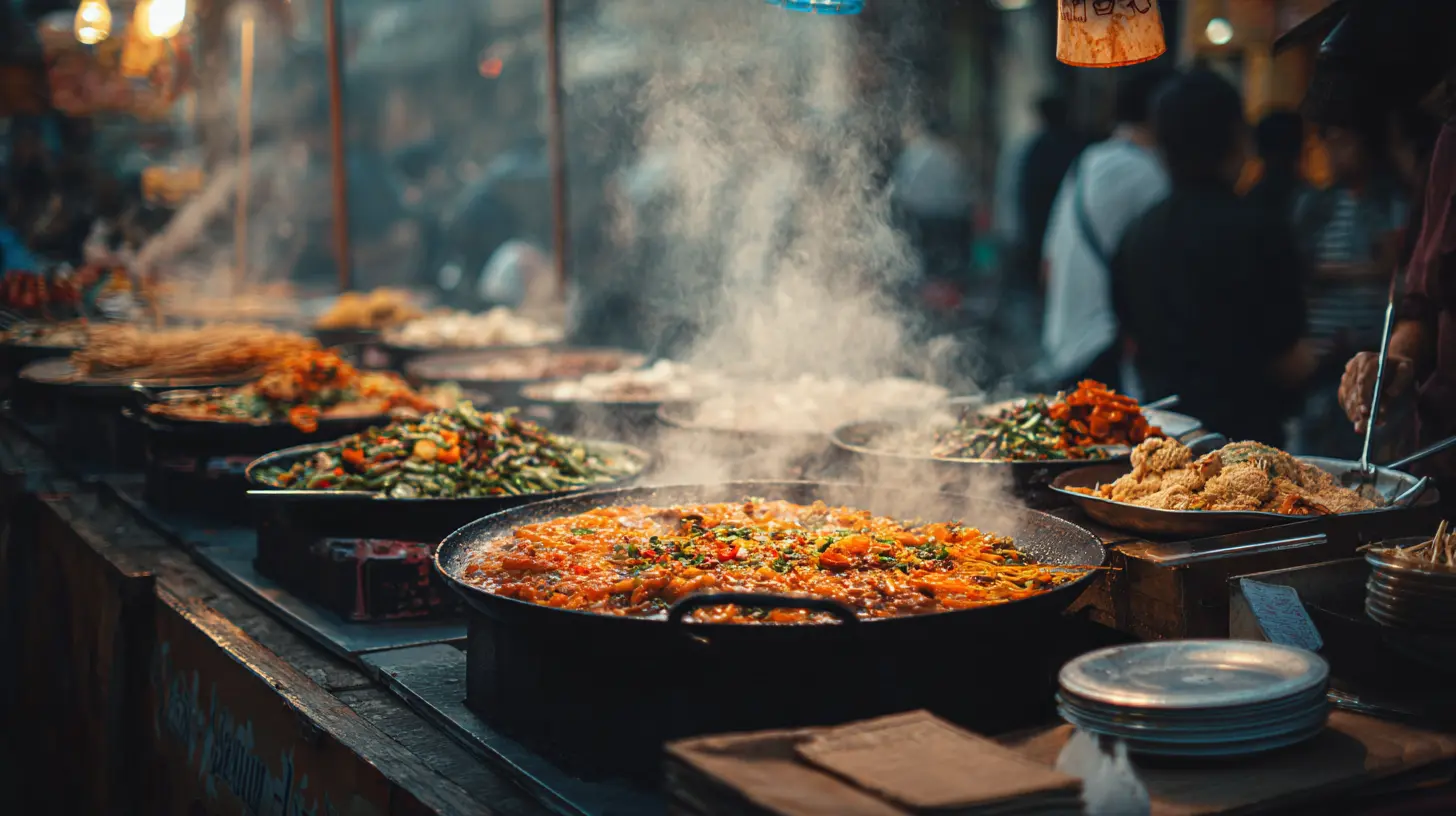
Think of street food as the punk rock of cuisine. It's loud, messy, and doesn't care about your dietary restrictions unless you ask nicely. But in 2027, the game has changed. Inflation hit everyone, including the guy selling tacos on a corner. So vendors got creative. They started using local, seasonal ingredients because importing stuff became too expensive. That means the pad thai you eat in Bangkok might actually taste more like Thai basil and less like ketchup. Good news for us.Also, the rise of "ghost street carts" is real. These are vendors who operate through apps but still set up a physical stall for an hour a day. You order on your phone, pick up a token, and then you get your food. It sounds complicated, but it cuts down on waste. And honestly, the food is better because they're not sitting around waiting for customers. They cook fresh when the order comes in.
The Top 5 Global Street Food Destinations in 2027
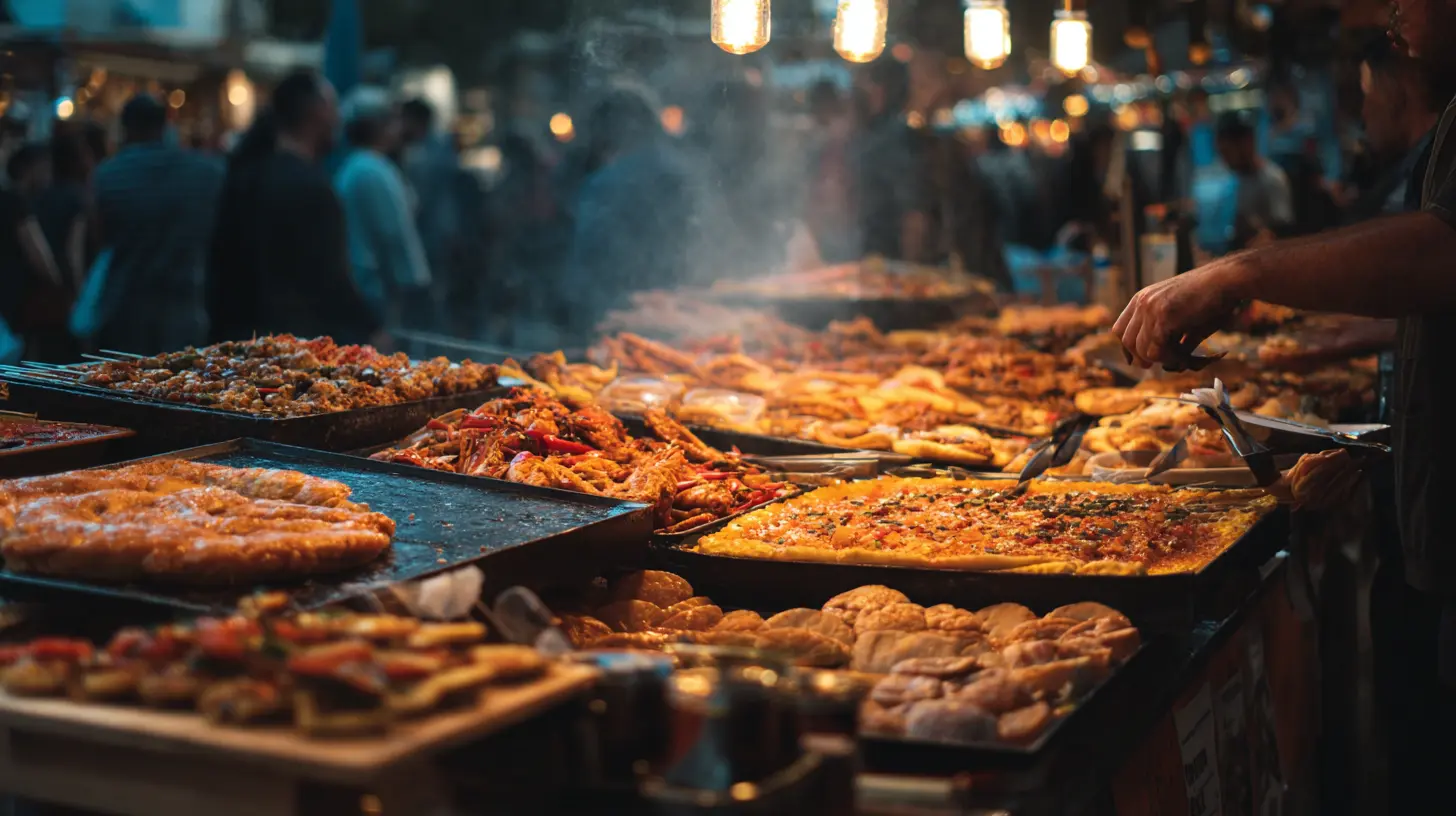
You can't hit every stall in the world, but you can hit these five spots. They're the heavy hitters right now.1. Mexico City, Mexico - The Taco Renaissance
Mexico City has always been a taco town. But in 2027, it's a taco empire. Forget the hard-shell stuff you get at chain restaurants. We're talking about al pastor carved off a vertical spit, marinated in achiote and pineapple, then slapped onto a small corn tortilla with a single sliver of grilled pineapple and a sprinkle of cilantro. The magic is in the salsa. Every vendor has their own secret recipe. One guy I met in the Roma neighborhood uses smoked habanero and roasted peanuts. It was like eating a spicy, nutty cloud of joy.
But the real trend here is the "nopal taco." Nopal is cactus. It sounds weird, but grilled cactus has a texture like green beans and a flavor that's slightly tangy. Vendors are now stuffing these tacos with mushrooms, cheese, or even grasshoppers (chapulines) for crunch. It's sustainable, cheap, and delicious. Don't skip the elote either-corn on the cob slathered in mayo, chili powder, and cotija cheese. It's messy, and that's the point.
2. Bangkok, Thailand - The Night Market Revolution
Bangkok's street food scene is legendary, but the city has been cleaning up its act. In 2027, the famous Yaowarat Road in Chinatown is still packed, but there's a new kid on the block: the "pop-up night markets" in abandoned parking lots. These aren't tourist traps. They're where locals go.
The must-eat item is the "khao man gai" (chicken rice). It sounds simple-poached chicken, rice cooked in chicken fat, and a ginger-chili sauce. But in 2027, vendors are elevating it with crispy chicken skin, fermented soybeans, and a side of broth that tastes like liquid gold. Also, look for "moo ping" (grilled pork skewers) that are marinated in coconut milk and turmeric. They're sweet, savory, and slightly charred. You'll eat six before you realize you're full.
One thing that surprised me: the rise of vegan street food in Bangkok. Young Thai chefs are making "mock duck" from jackfruit and serving it with papaya salad. It's not trying to be meat-it's just good.
3. Istanbul, Turkey - The Sandwich Evolution
Istanbul is the bridge between Europe and Asia, and its street food is the same. The classic "balik ekmek" (fish sandwich) is still a staple at the Galata Bridge. But in 2027, the fish is more sustainably sourced, and vendors are using whole-grain bread. It's still a messy, flaky, lemon-drenched sandwich that you eat while seagulls circle overhead.
The real star, though, is the "kokorec." Don't look it up if you're squeamish. It's lamb intestines wrapped around offal, grilled, and chopped into a sandwich with tomatoes, peppers, and oregano. It sounds gross, but it tastes like the most savory, crispy, meaty thing you've ever eaten. If you're vegetarian, get the "midye dolma" (stuffed mussels) instead. They're mussels stuffed with rice, currants, and cinnamon, served with a squeeze of lemon. It's like a tiny flavor bomb from the sea.
4. Marrakech, Morocco - The Tagine's Cousin
Marrakech in 2027 is a sensory overload, and the street food is no exception. The main square, Jemaa el-Fnaa, is still the epicenter, but it's gotten a bit more organized. The smoke from the grills mixes with the smell of saffron and cumin. It's intoxicating.
Skip the touristy stalls with the guys trying to pull you in. Head to the ones with long lines of Moroccans. The must-try is "msemen"-a flaky, pan-fried flatbread that's stuffed with onions, tomatoes, and spices. It's like a savory pancake, and it costs about a dollar. Also, look for "briouats"-fried pastries filled with cheese, meat, or even sweet almond paste. They're crispy, greasy, and perfect.
The big trend in Marrakech in 2027 is the "street tagine." It's a small clay pot with meat, vegetables, and preserved lemon, cooked over charcoal. It's not as slow-cooked as the restaurant version, but it's faster and more intense. You eat it with bread, no fork allowed. It's primal.
5. Seoul, South Korea - The Spicy Street Food Revolution
Seoul's street food has always been about heat and speed. In 2027, it's all about "tteokbokki" (spicy rice cakes) but with a twist. Vendors are now adding cheese, ramen noodles, and even fried dumplings to the same spicy gochujang sauce. It's a carb-on-carb nightmare that tastes like heaven.
Another must-eat: "hotteok" (sweet pancakes). These are fried dough filled with brown sugar, cinnamon, and nuts. In 2027, vendors are experimenting with fillings like matcha, sweet potato, or even Nutella. It's the perfect dessert after you've burned your mouth on tteokbokki.
One thing I noticed: the Korean "corn dog" has gone global. But in Seoul, they do it right. It's a hot dog coated in a batter made from rice flour, then deep-fried and coated in sugar or ketchup. Some are even half hot dog, half mozzarella cheese. It's absurd and amazing.
How to Eat Street Food Like a Local in 2027
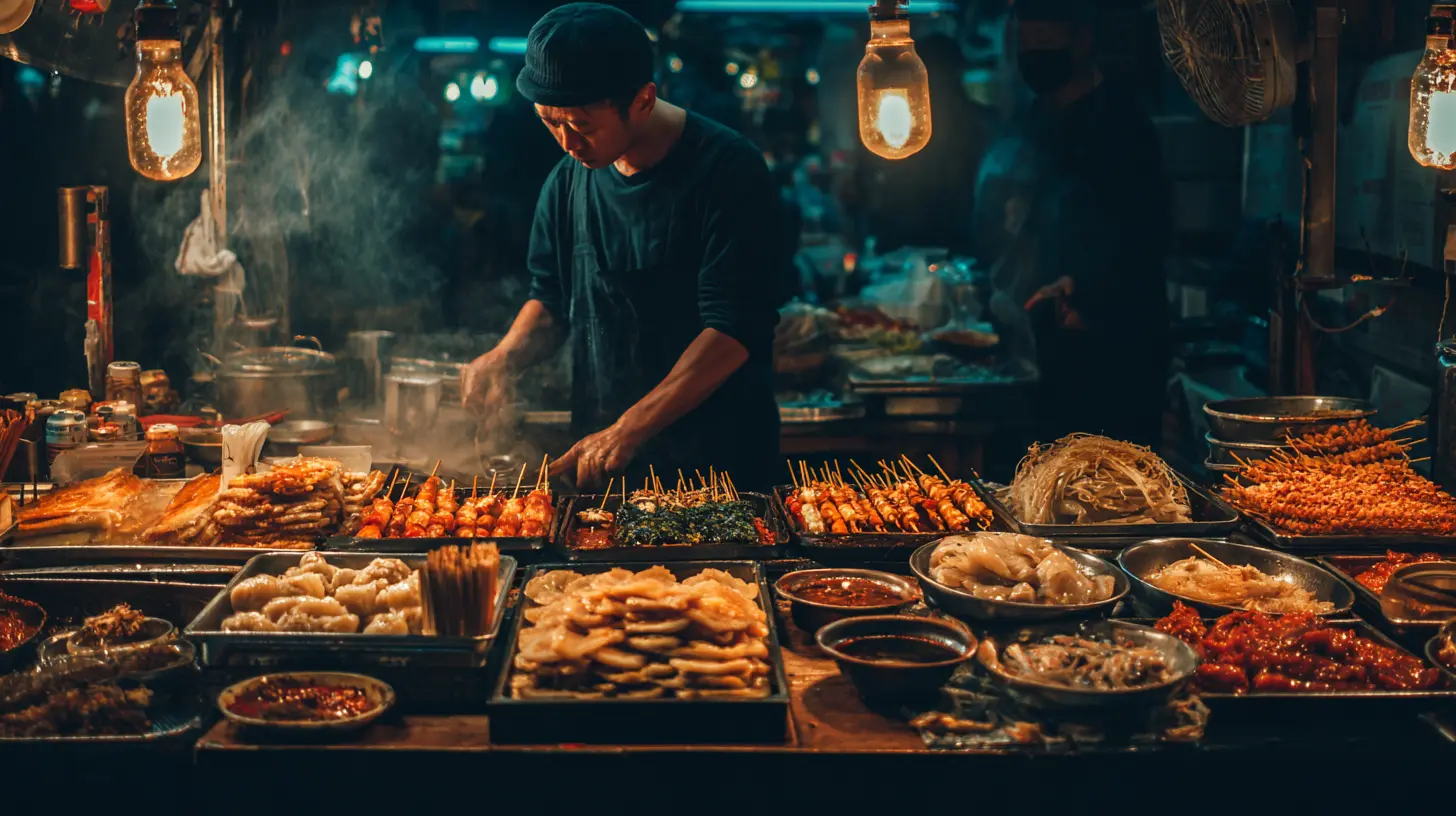
You don't want to be the tourist who orders a bottle of water and a fork. Here's the real deal.First, watch the locals. If a stall has a line of people who look like they work in the area, that's your spot. Don't be afraid to point at what someone else is eating. Most vendors don't speak English, but a smile and a point go a long way.
Second, timing matters. In 2027, many vendors have limited hours because of rising costs. The best time for street food is usually late afternoon to early evening. That's when the fresh batch comes out. Avoid the 10 a.m. stalls that have been sitting out since 6 a.m.
Third, bring cash. Card readers are more common, but the best stalls are still cash-only. And small bills. You don't want to hand a vendor a 50 euro note for a 2 euro taco. They'll hate you.
Fourth, don't be a hero with spice. In Bangkok, "mai phed" means not spicy. In Seoul, just say "anjoo" (a little). In Mexico, ask for salsa on the side. You can always add more, but you can't take it out.
The Rise of the "Street Food Experience"
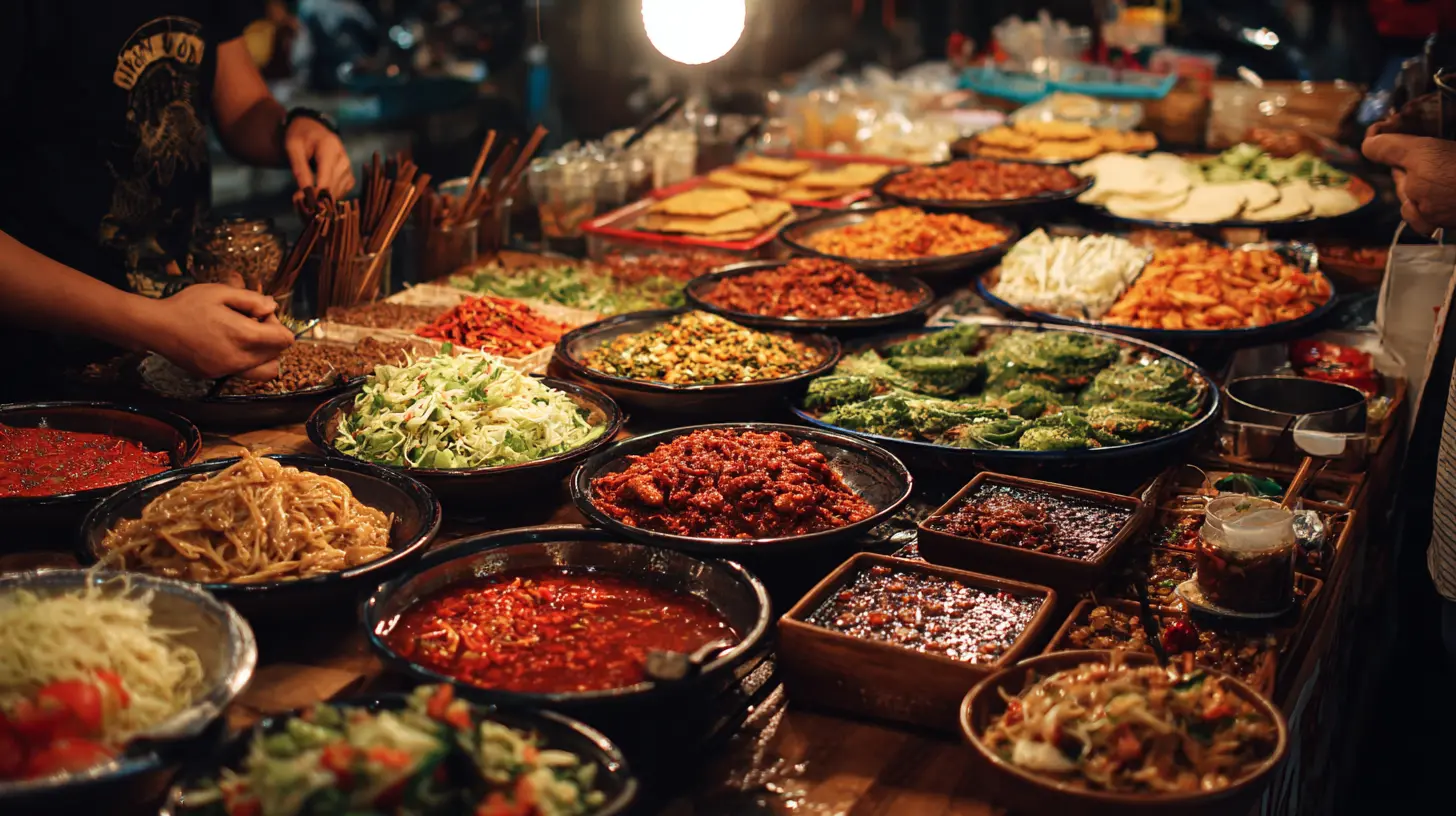
In 2027, you can't just eat street food. You have to experience it. Cities have started organizing "street food trails" that guide you through different neighborhoods. Tokyo has one in Tsukiji that goes from morning sushi to evening yakitori. London has a "Borough Market after dark" tour that focuses on street food from around the world.But the best experiences are the ones you find yourself. I stumbled upon a guy in a back alley in Ho Chi Minh City who was grilling beef wrapped in betel leaves. He didn't speak a word of English, but he handed me a plate with a toothpick and a bowl of dipping sauce. It was the best meal of my trip. No sign, no menu, no Instagram. Just meat and fire.
Sustainability and Street Food in 2027
Here's the uncomfortable truth: street food produces a lot of waste. Styrofoam, plastic forks, napkins. But in 2027, things are changing. Many vendors in Europe and Asia have switched to biodegradable plates made from banana leaves or bamboo. In India, you'll get your samosa in a paper cone. In Thailand, they use palm leaf bowls.But you can help too. Carry your own reusable chopsticks or a spork. It sounds silly, but it cuts down on waste and vendors appreciate it. Also, try to eat at stalls that use local ingredients. It supports the local economy and reduces the carbon footprint of your meal.
The Dark Side of Street Food in 2027
Let's not sugarcoat it. Street food can still make you sick. In 2027, food poisoning is less common because of better hygiene standards, but it still happens. If a stall looks dirty, has flies, or the vendor is handling cash and food without washing hands, walk away. It's not worth it.Also, be careful with raw vegetables in countries where water quality is questionable. In Mexico, skip the lettuce on your taco. In India, avoid raw salads. Stick to things that are cooked in front of you at high heat. That's your safest bet.
And for the love of all that is holy, don't drink tap water. I know it's basic, but I've seen tourists do it. You will regret it.
The Future of Street Food: What's Next After 2027?
I'm not a fortune teller, but I can see the trends. Plant-based street food is going to explode. Already, you see it in Berlin with vegan döner kebabs and in London with jackfruit bao buns. By 2028, I expect more vendors to offer lab-grown meat options. It sounds sci-fi, but it's happening.Also, expect more "hybrid" street foods. Korean-Mexican tacos, Japanese-Italian pizza slices, Indian-Chinese stir-fry. The world is getting smaller, and street food is the melting pot.
And finally, the "street food influencer" will be a real job. Not the people who take photos of their food and leave. I mean the ones who actually help vendors with marketing, supply chains, and hygiene. It's a weird world we're living in.
A Few Final Bites
Look, I've eaten street food on five continents. I've had food that made me cry (good cry) and food that made me question my life choices (bad cry). But every single time, it was worth it. Street food is not just about the calories. It's about the connection. You're standing on a corner in a foreign city, eating something made by a person who has been doing this for 30 years. You're sharing a moment. That's real.So in 2027, don't book a table at a fancy restaurant. Hit the street. Find the cart with the longest line. Point at something. Eat it. Then eat another one. Your stomach might not thank you, but your soul will.
all images in this post were generated using AI tools
Category:
Culinary TravelAuthor:

Tracie McAdams
Discussion
rate this article
2 comments
Lincoln Sheppard
Exploring street food is a flavor adventure that connects us to cultures and stories. Each bite reveals a new world, offering a delicious way to travel without leaving your seat. Enjoy every moment!
May 8, 2026 at 3:03 PM
Tracie McAdams
Absolutely! Street food truly tells a story with every bite. It's like traveling the world through flavors. Enjoy the journey!
Sonya McDermott
Street food offers unique flavors and experiences-don't miss out on these global gems!
May 7, 2026 at 4:18 AM
Tracie McAdams
Absolutely! Exploring street food is like tasting the world in one bite. You'll find some of the most authentic flavors out there.